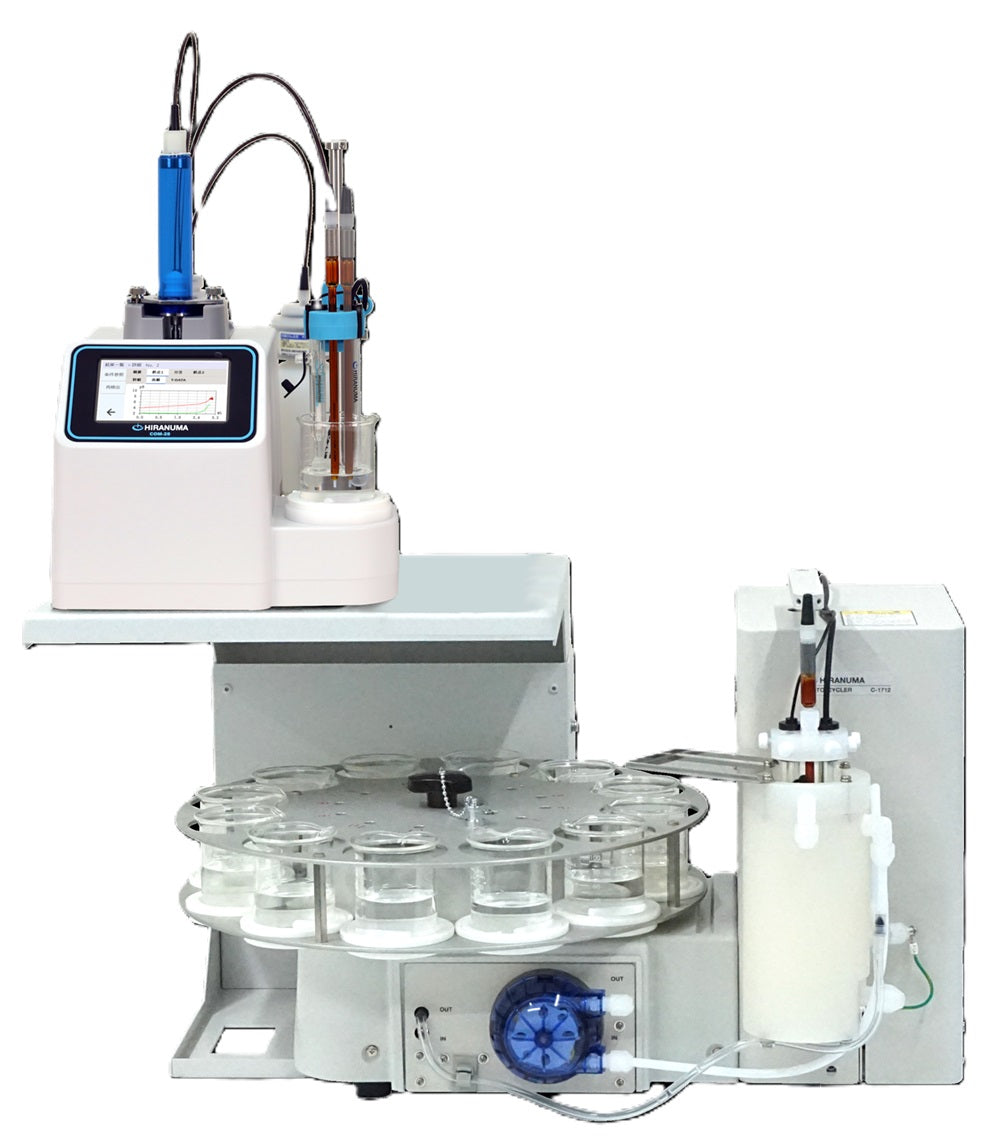
Boric Acid Analysis in Nickel Plating Baths Using Potentiometric Titration
Boric acid plays a critical role in nickel plating baths as a buffering agent, helping maintain stable pH conditions during deposition. Proper control of boric acid concentration is essential for achieving consistent coating quality, reducing internal stress, and preventing defects.
In industrial plating environments, inaccurate boric acid levels can lead to:
- Poor deposit uniformity
- Increased internal stress
- Reduced corrosion resistance
- Instability in plating performance
Routine and accurate analysis is therefore essential for maintaining process control.
Why Boric Acid Cannot Be Measured Directly
Unlike strong acids, boric acid is a very weak acid and cannot be directly determined using standard neutralization titration.
To enable accurate measurement, a complexing agent such as mannitol is added. This converts boric acid into a stronger, titratable complex:
- Boric acid reacts with mannitol to form a stoichiometric complex
- The resulting compound behaves as a stronger acid
- This allows accurate titration with sodium hydroxide
This modified method is widely used for plating bath analysis.
Analytical Method Overview
The determination of boric acid typically involves:
- Sampling a defined volume of plating solution
- Dilution with deionized water
- Addition of mannitol solution
- Titration with standardized sodium hydroxide (NaOH)
- Automatic endpoint detection using a pH electrode
Using automated potentiometric titration eliminates subjective endpoint detection and improves reproducibility.
Instrumentation
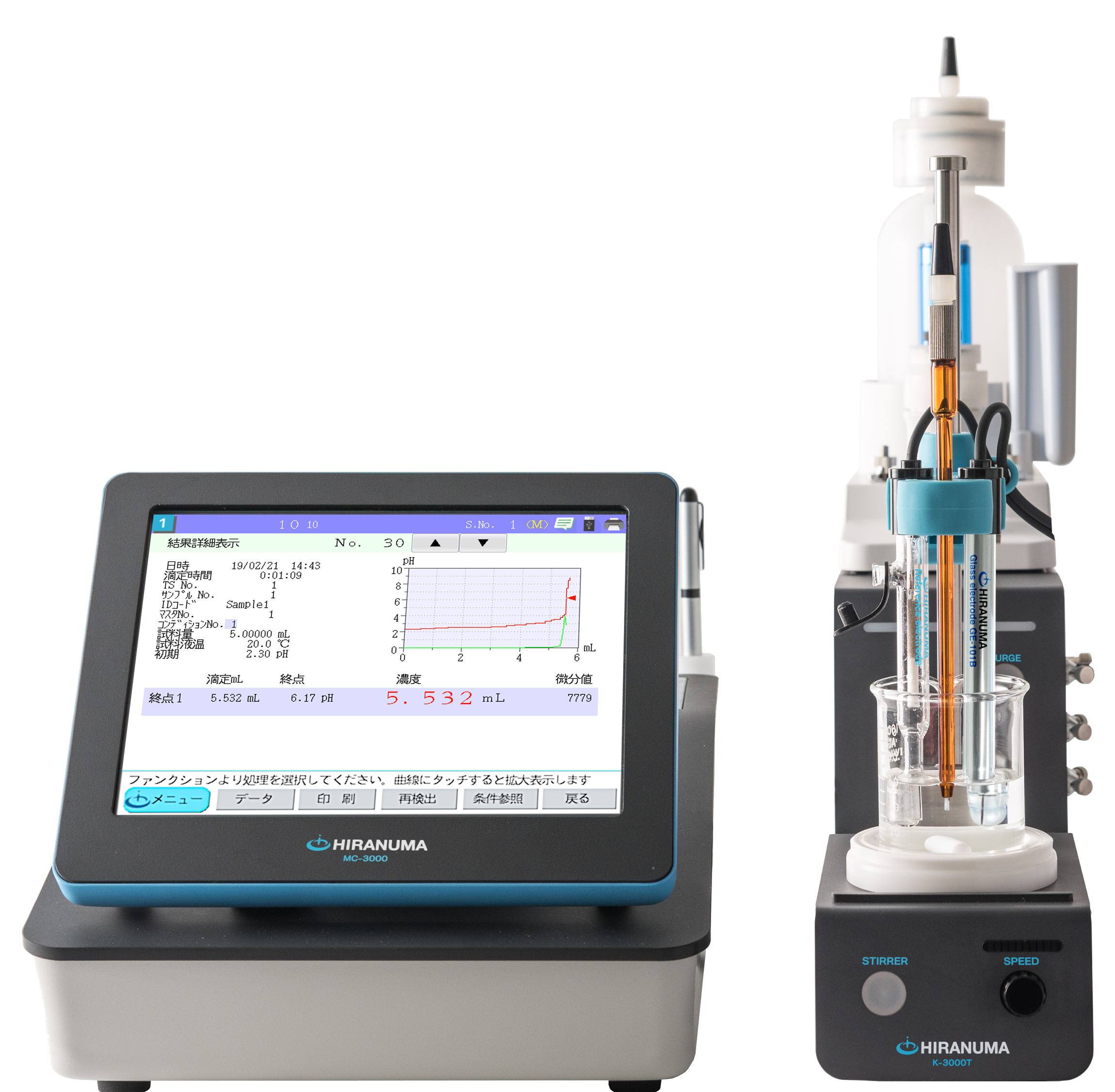
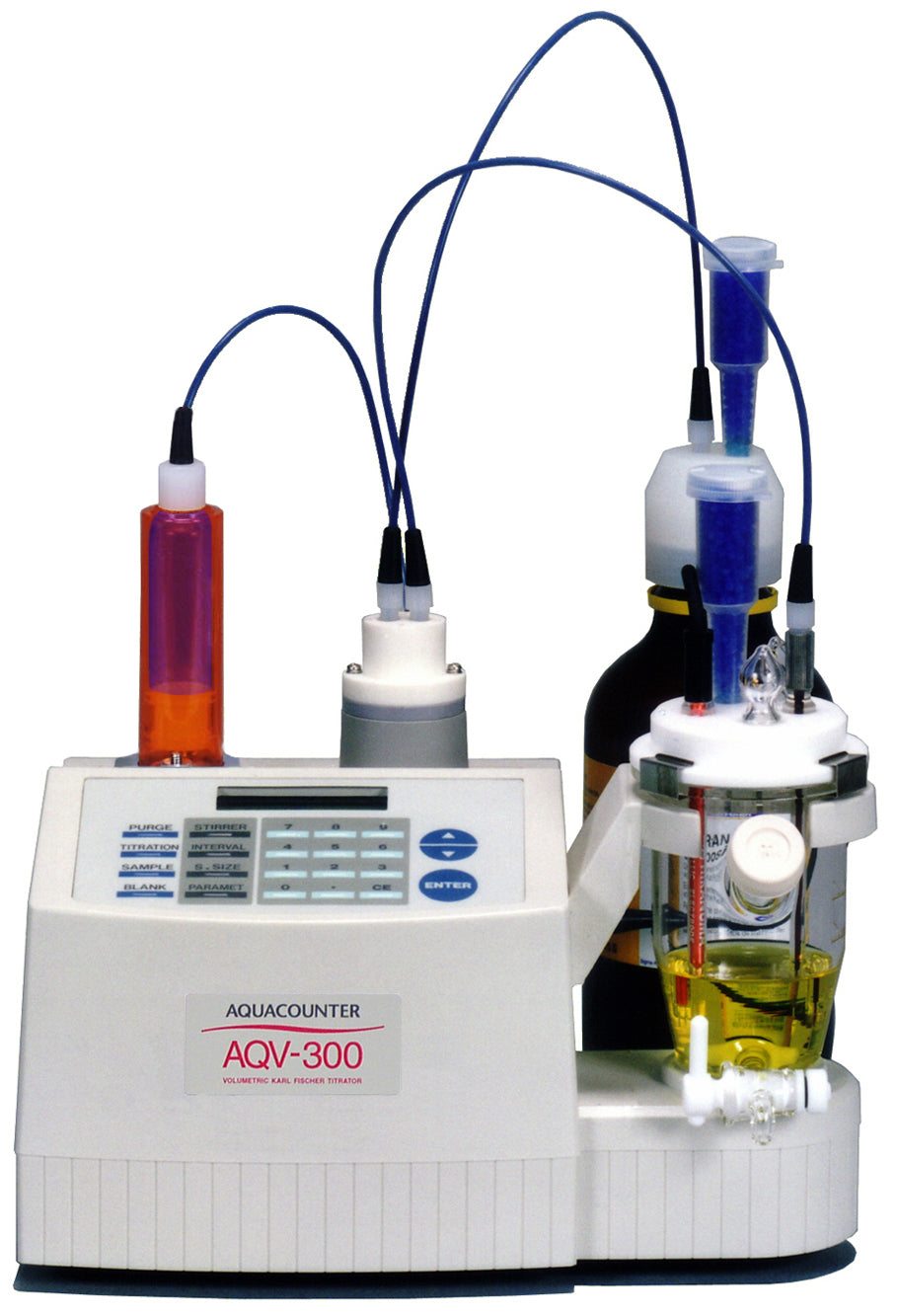
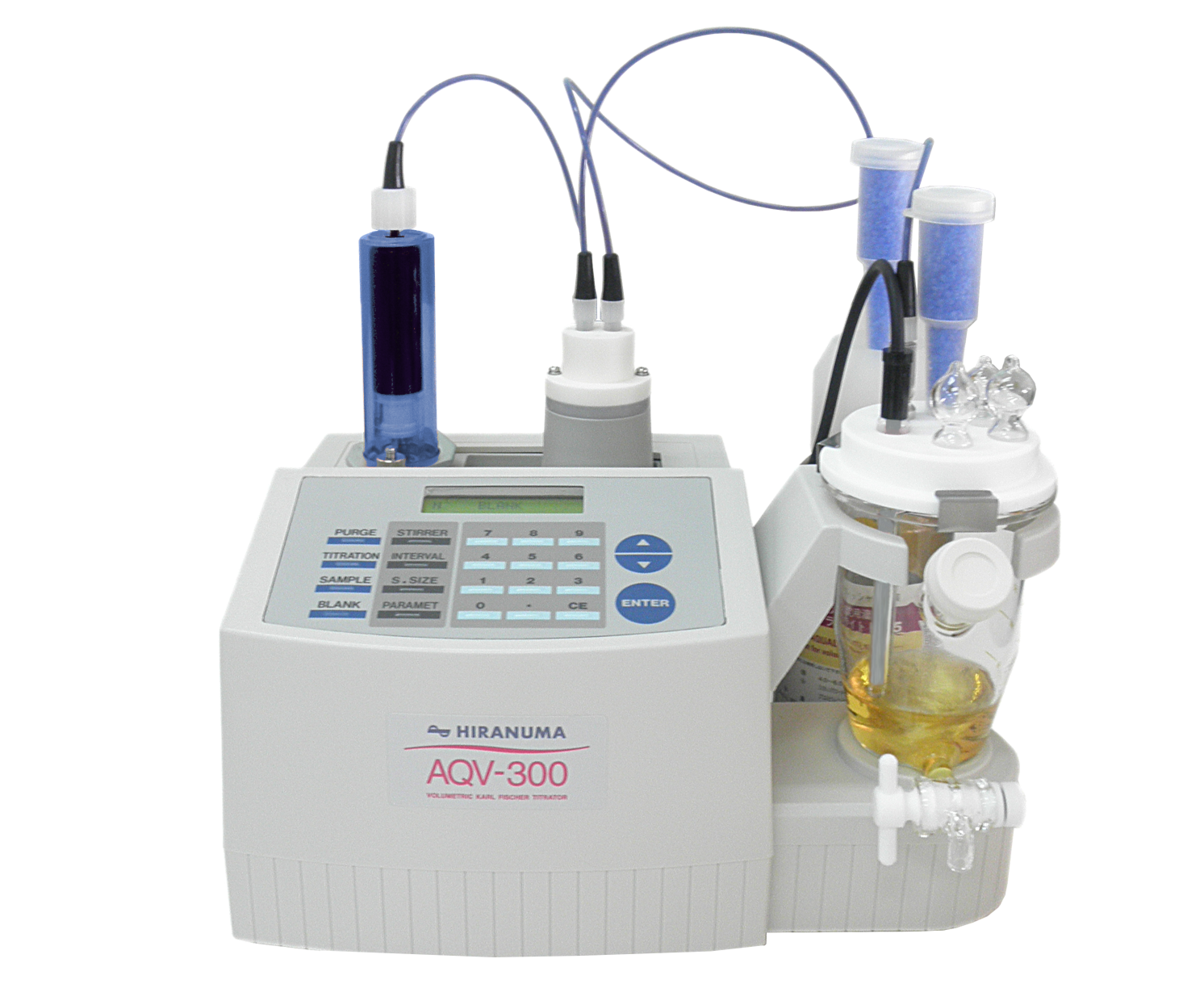
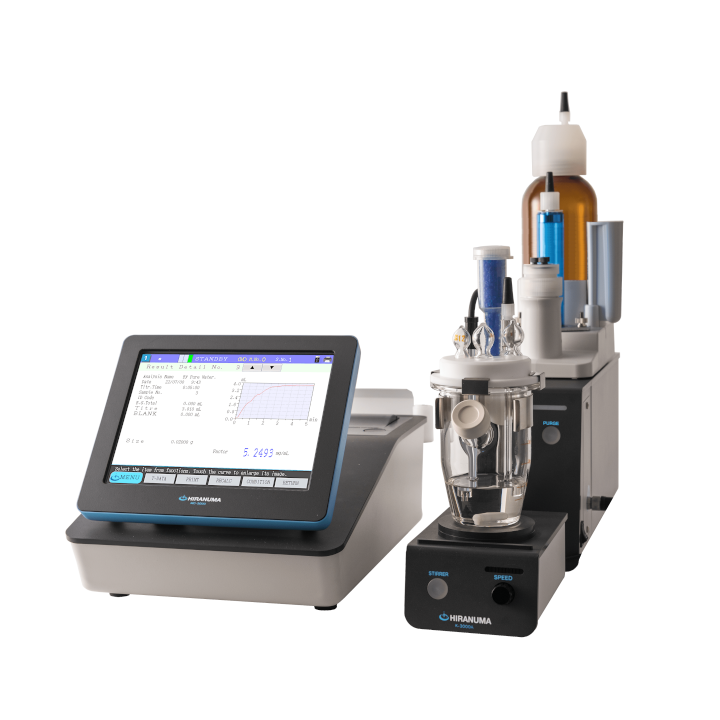
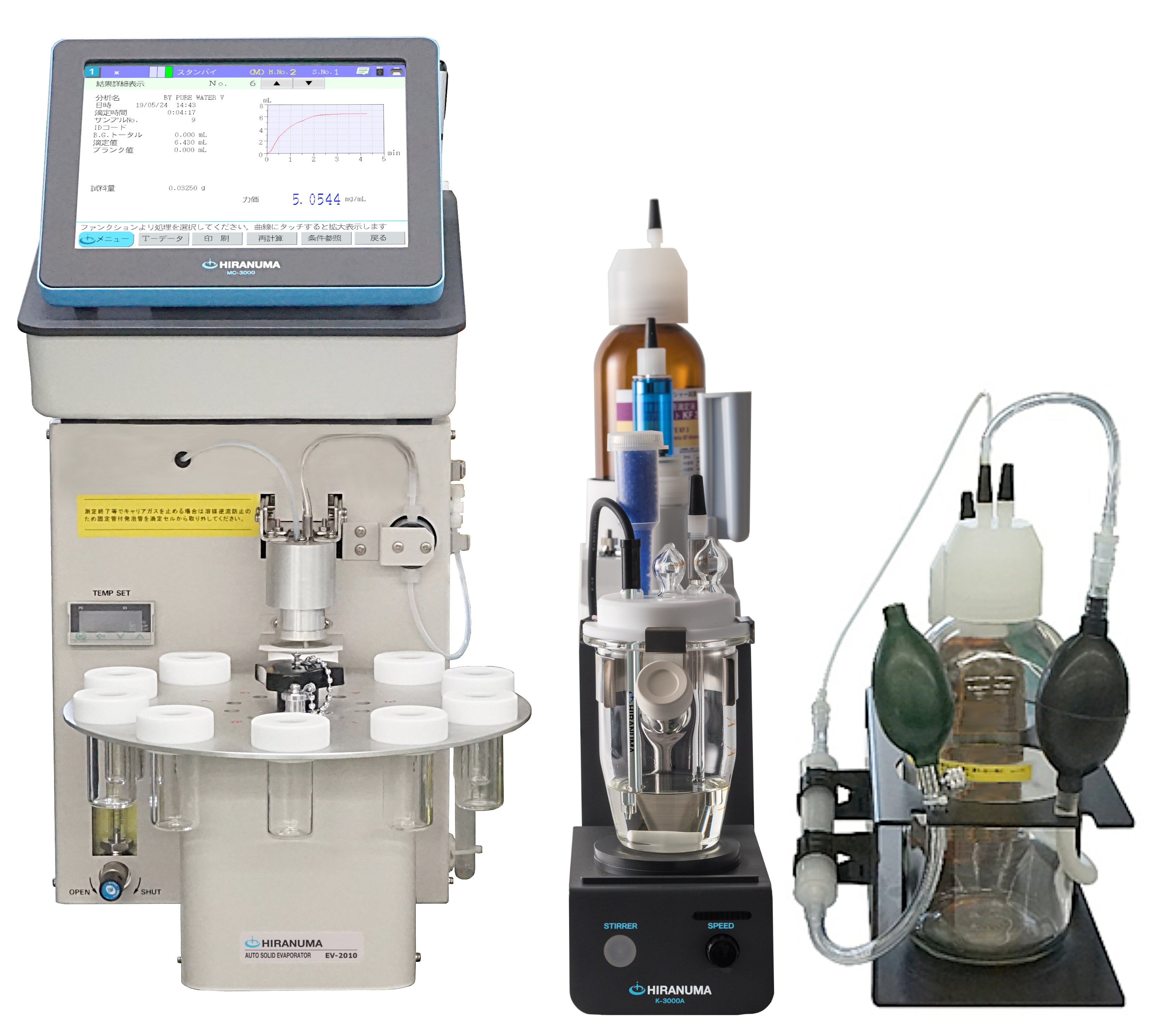
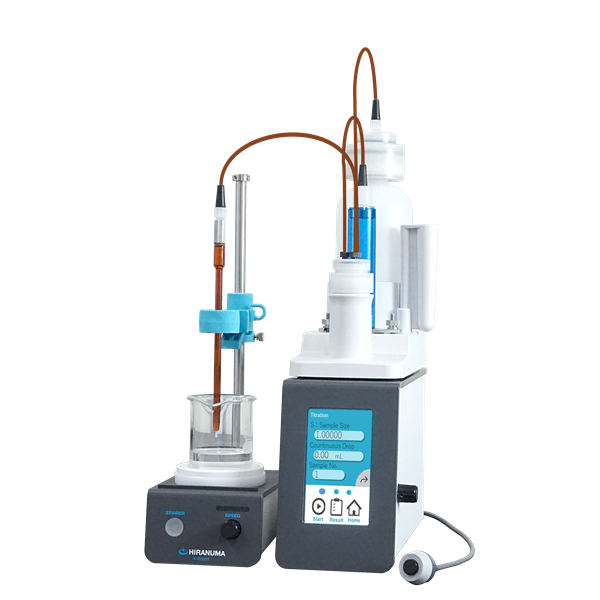
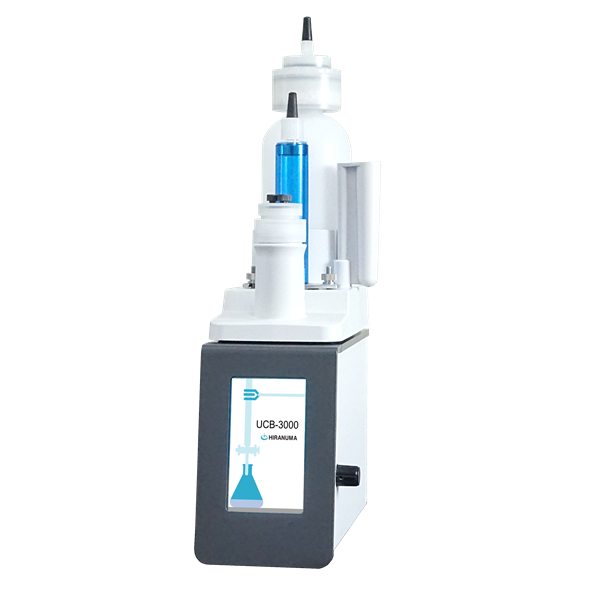
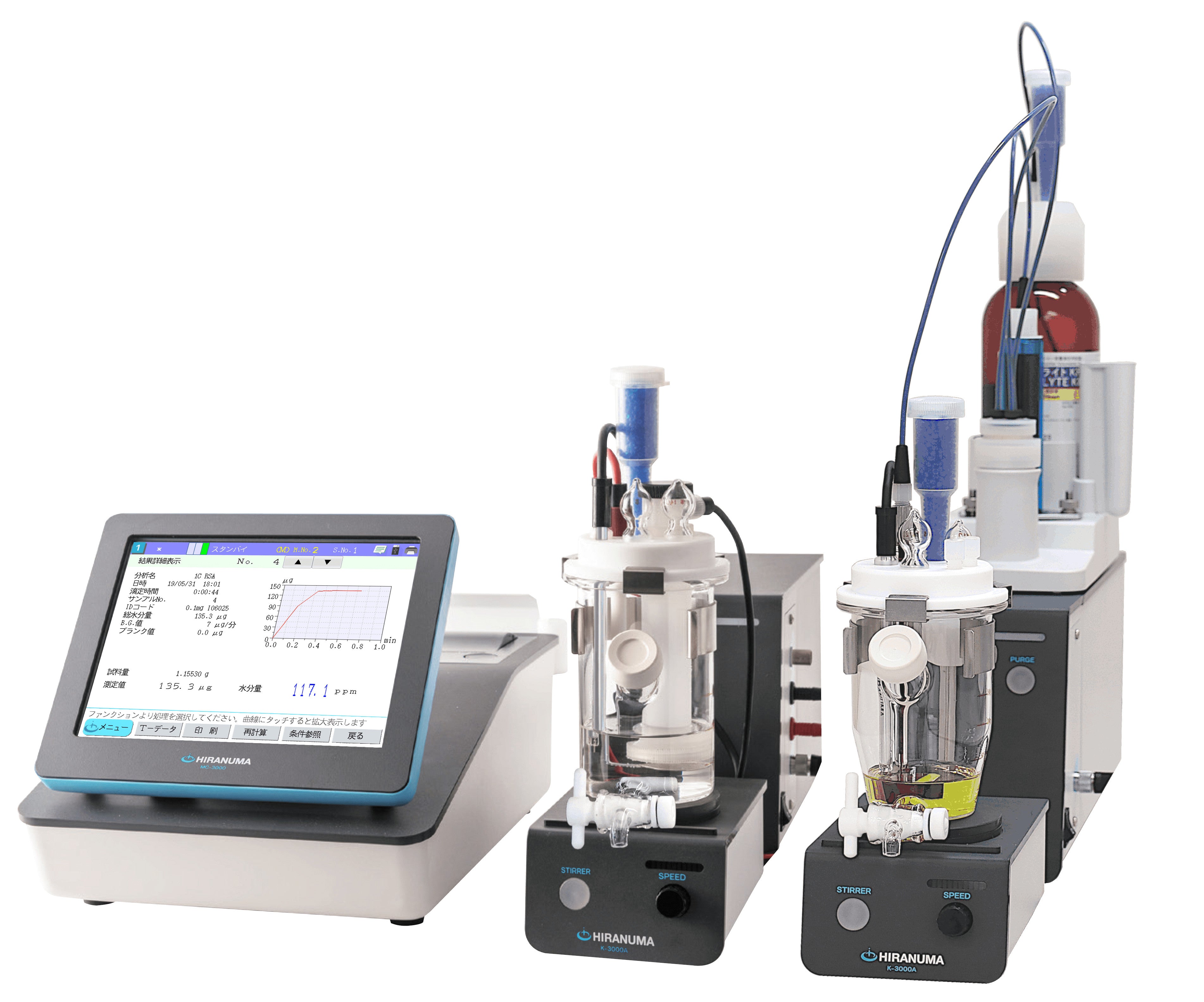
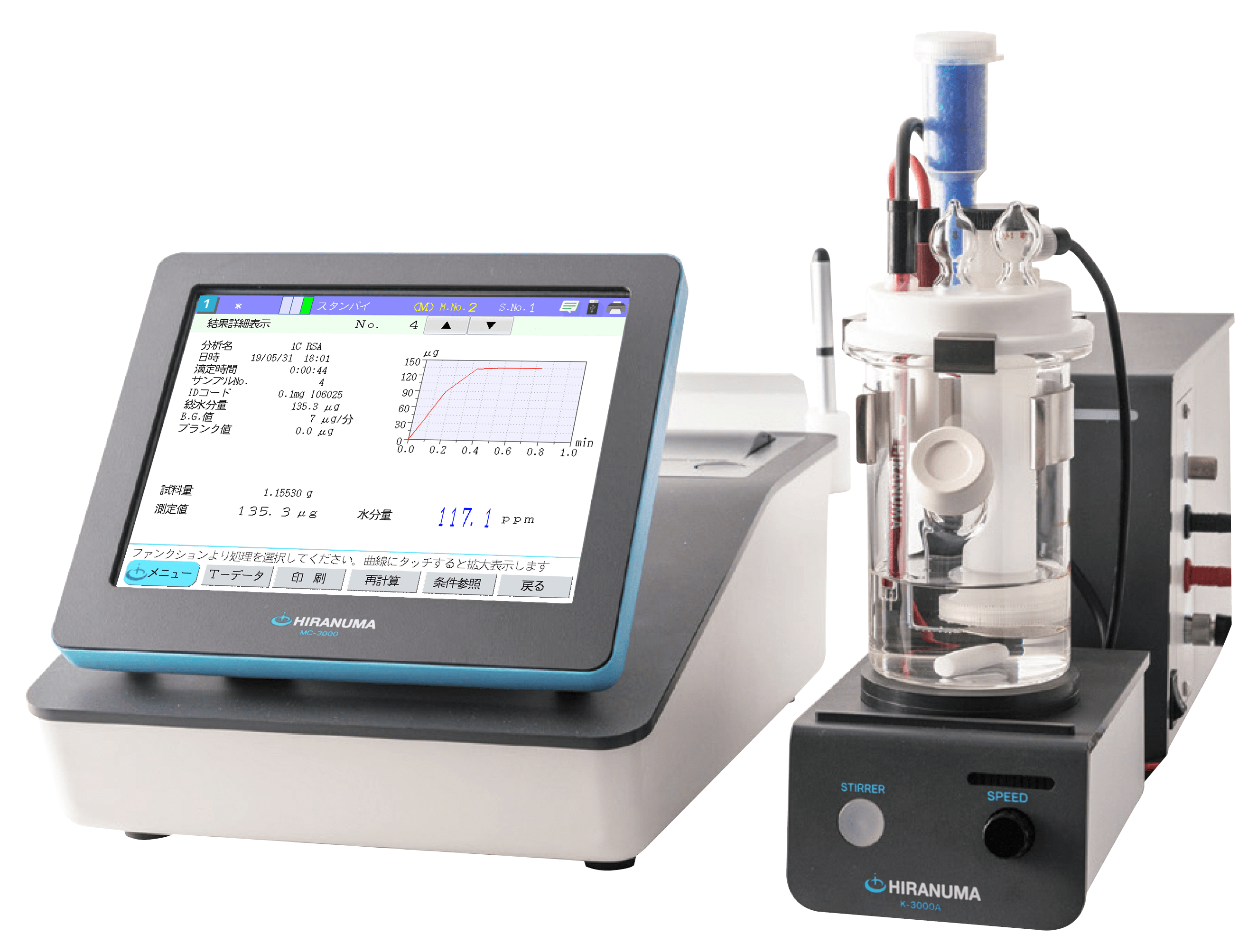
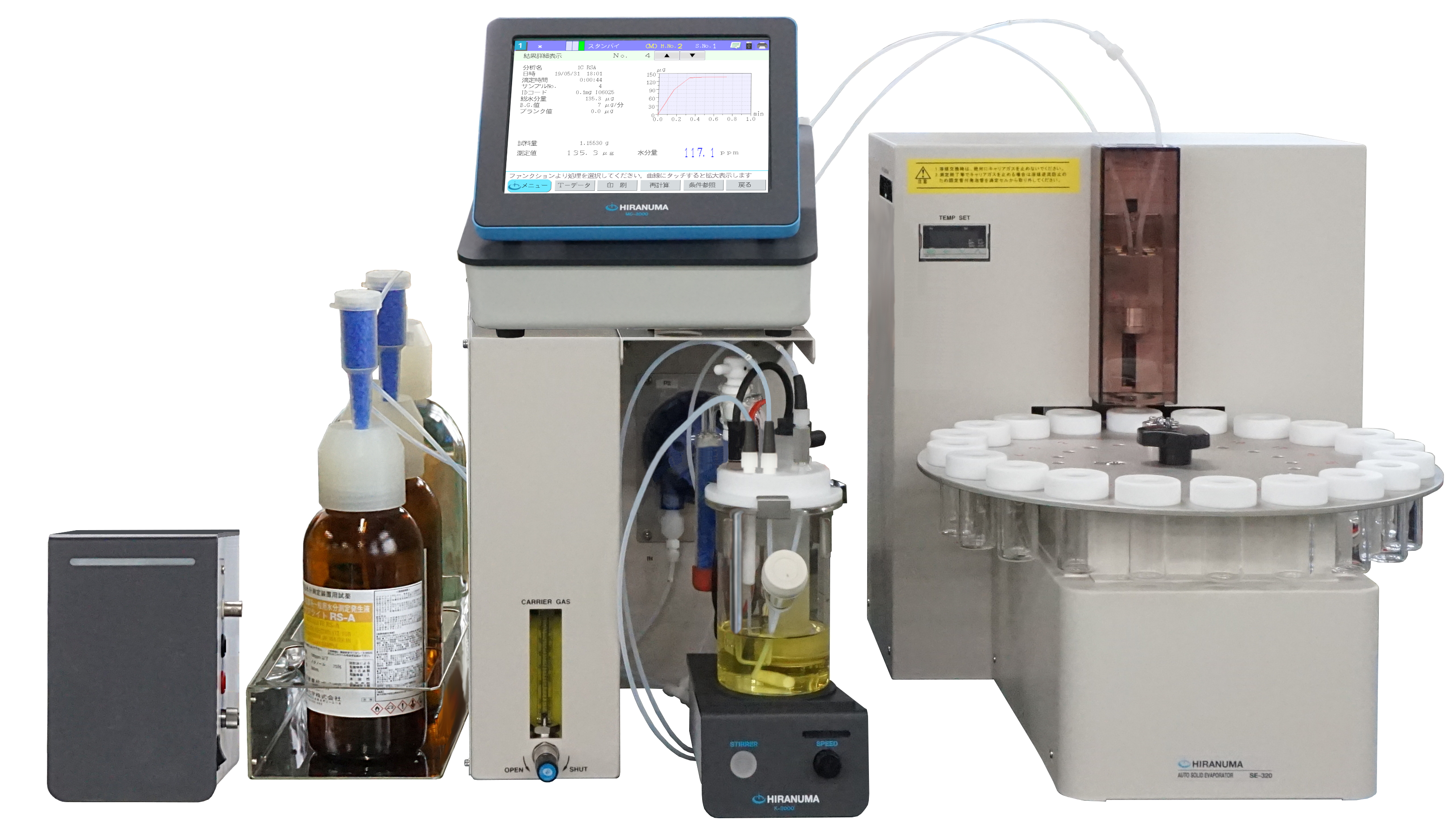
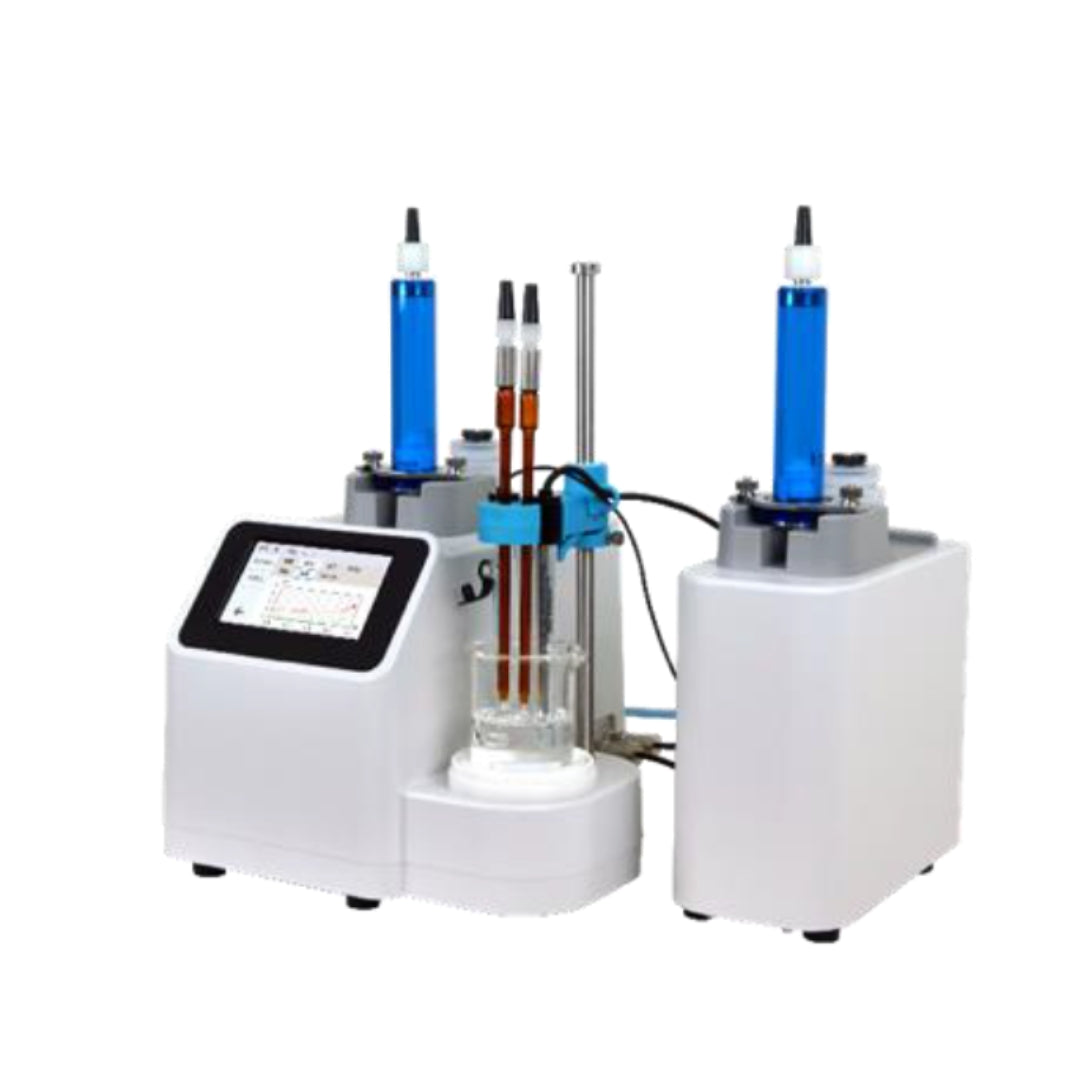
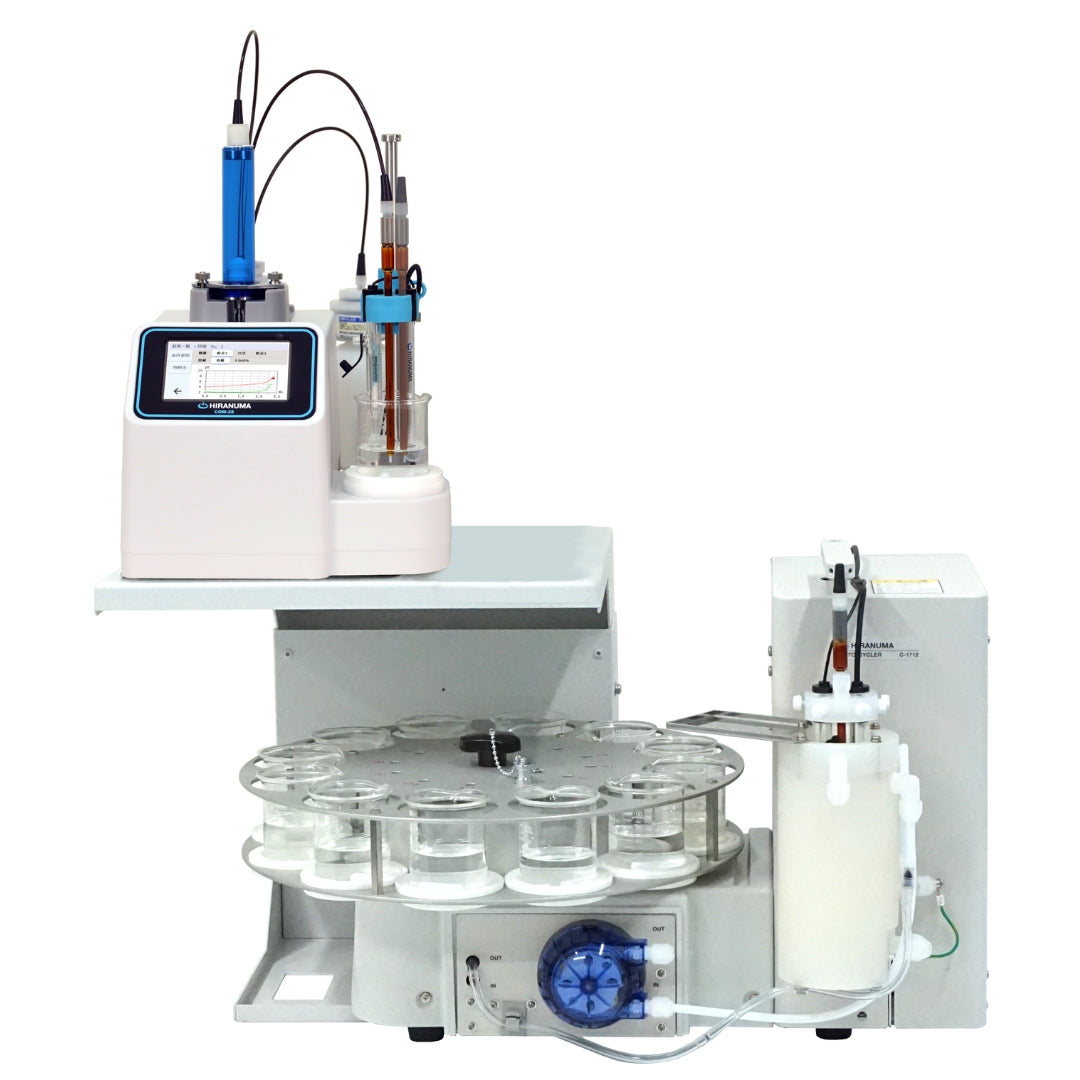
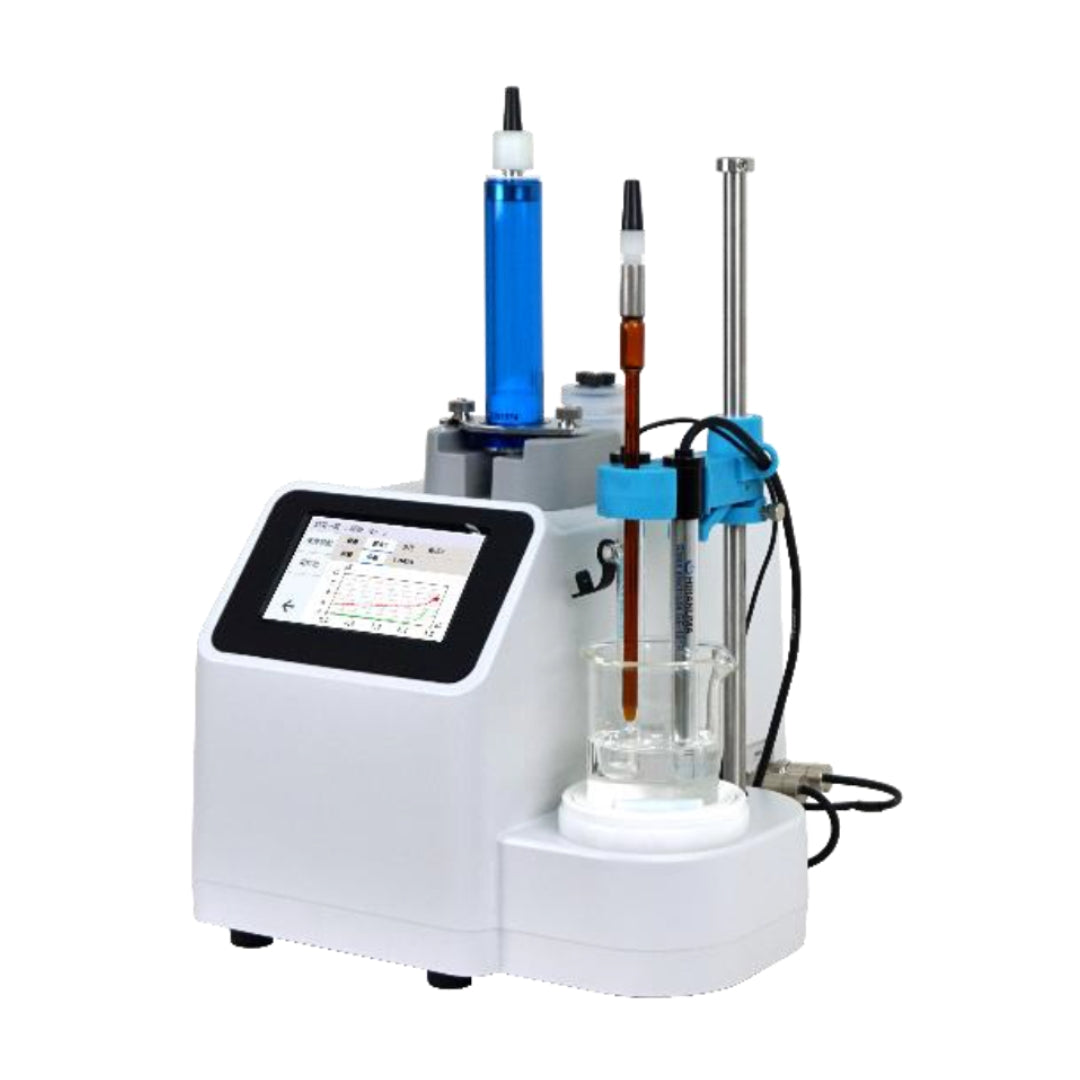
- Hiranuma COM-A19
- Glass pH electrode system
- Sodium hydroxide standard solution
- Mannitol (complexing agent)
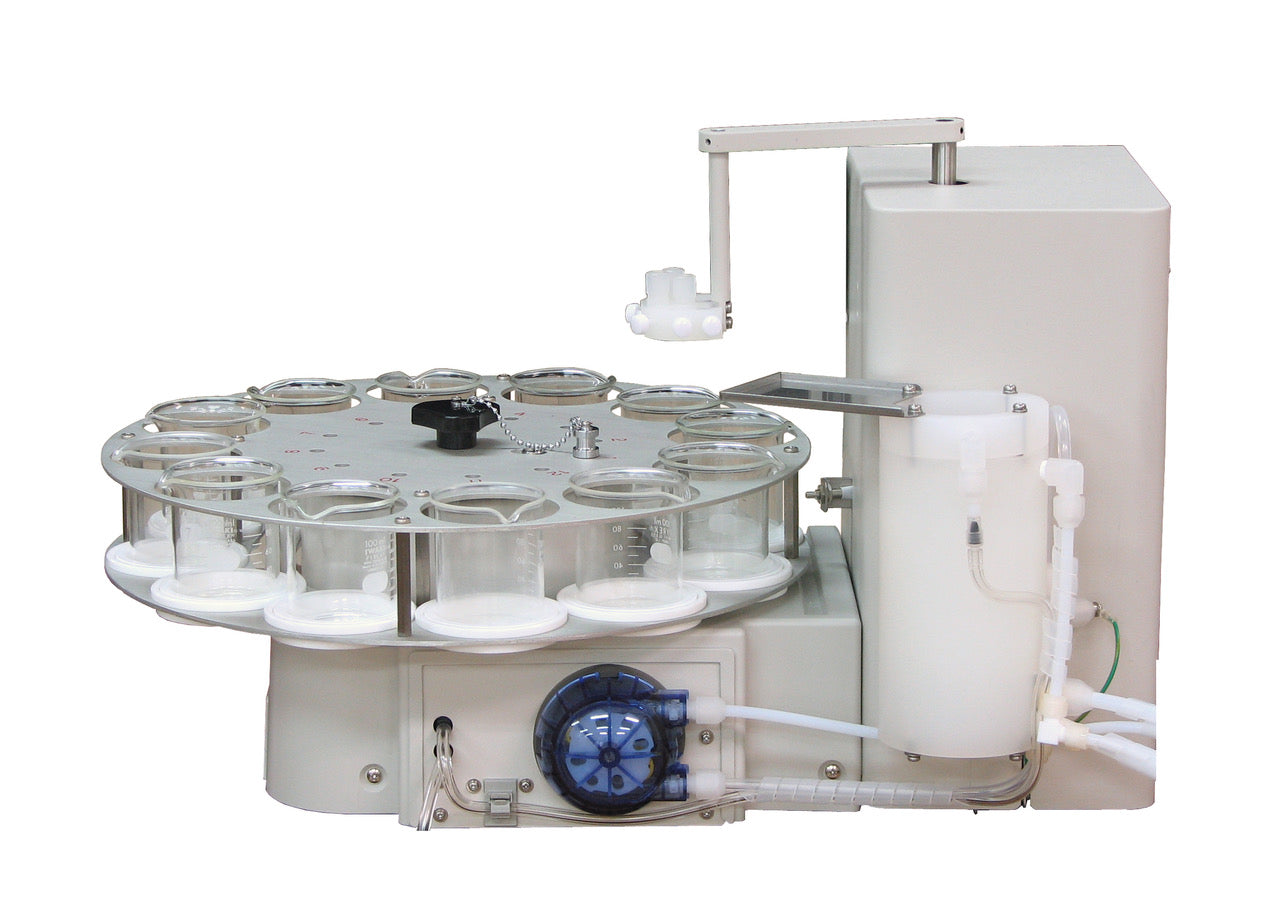
Automated titration systems provide reliable results with reduced operator variability and improved workflow efficiency.
Advantages of Automated Titration
1. Improved Accuracy
Consistent endpoint detection regardless of operator skill.
2. Better Repeatability
Reduced variability compared to manual titration methods.
3. Faster Analysis
Streamlined workflows suitable for routine QC environments.
4. Process Standardization
Consistent results across multiple baths or facilities.
Typical Applications
- Nickel plating baths (primary application)
- Electroplating process control
- Surface treatment and finishing operations
Boric acid is one of several critical parameters—along with nickel concentration and chloride—that must be monitored for stable plating performance.
Why This Matters in Nickel Plating
Boric acid acts as a buffer in plating baths, stabilizing pH and ensuring uniform metal deposition. Poor control can result in:
- Burning or pitting defects
- Uneven coating thickness
- Increased reject rates
Accurate and repeatable analysis enables:
- Better bath life management
- Reduced chemical waste
- Improved product consistency
Conclusion
Boric acid determination is a key component of nickel plating bath control. By using a mannitol-assisted potentiometric titration method, laboratories can achieve accurate and repeatable results even for this weak acid system.
Automated titration provides a reliable solution for improving process control and reducing variability in industrial plating operations.
Related Plating Applications
- Chloride Determination in Plating Baths
- Acid and Total Acid Control in Phosphate Baths
- Nickel in Nickel Plating Analysis
- Copper Analysis in Copper Plating Baths
- Chromium Plating Analysis
Call to Action
For more information on automated titration solutions for plating bath analysis, contact JM Science to discuss your application.
“Explore all Plating & Surface Treatment Applications”
Contact Info: sales@jmscience.com; Tel: 716-774-8706