Nickel (Ni²⁺) Analysis in Nickel Plating Baths Using EDTA Titration
Nickel concentration is the primary control parameter in nickel plating baths, directly affecting deposition rate, coating thickness, and overall plating performance.
In industrial plating operations—including automotive, electronics, and general metal finishing—maintaining consistent nickel levels is essential for achieving uniform coatings and minimizing defects.
Poor control of nickel concentration can result in:
- Uneven coating thickness
- Poor adhesion
- Reduced corrosion resistance
- Increased reject rates
Routine and accurate nickel analysis is therefore critical for process stability.
Why Total Nickel Matters
Nickel plating baths typically contain:
- Nickel sulfamate or nickel sulfate
- Nickel chloride
- Boric acid (buffer system)
Total nickel represents the combined concentration of all nickel species in solution and is the key parameter used to control plating performance.
Principle of the Method
Total nickel is commonly determined using EDTA complexometric titration.
- Ni²⁺ + EDTA → Ni-EDTA
EDTA forms a stable complex with nickel ions, allowing accurate determination of total nickel concentration in plating solutions.
The endpoint is typically detected using an indicator (e.g., MX) or automatically using potentiometric detection.
Challenges with Manual Methods
Traditional titration methods rely on:
- Color indicators
- Operator interpretation
- Manual burette control
This can introduce:
- Inconsistent endpoints
- Operator variability
- Reduced repeatability
In busy plating labs, these limitations can directly impact process control.
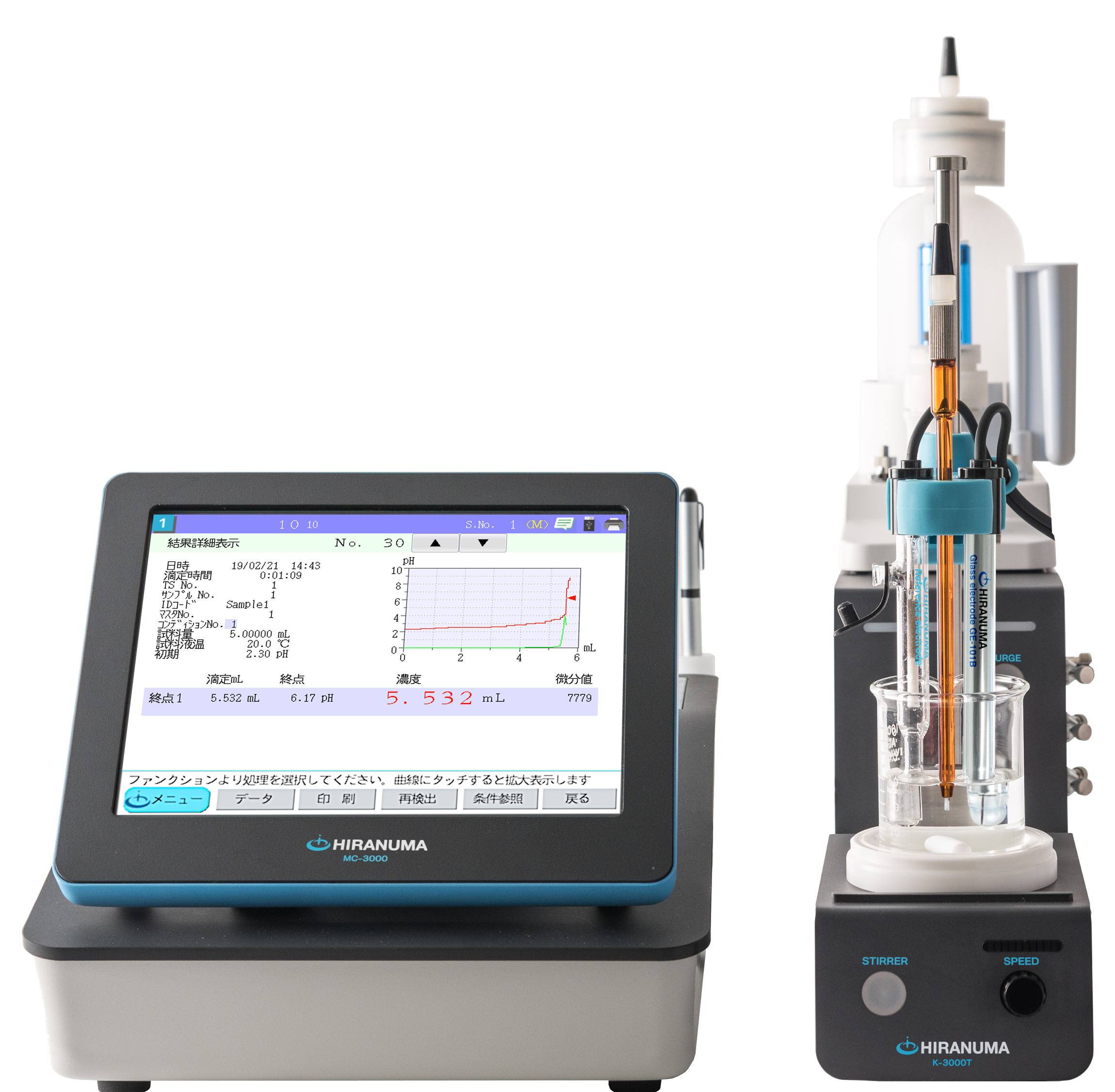
Automated Potentiometric Titration
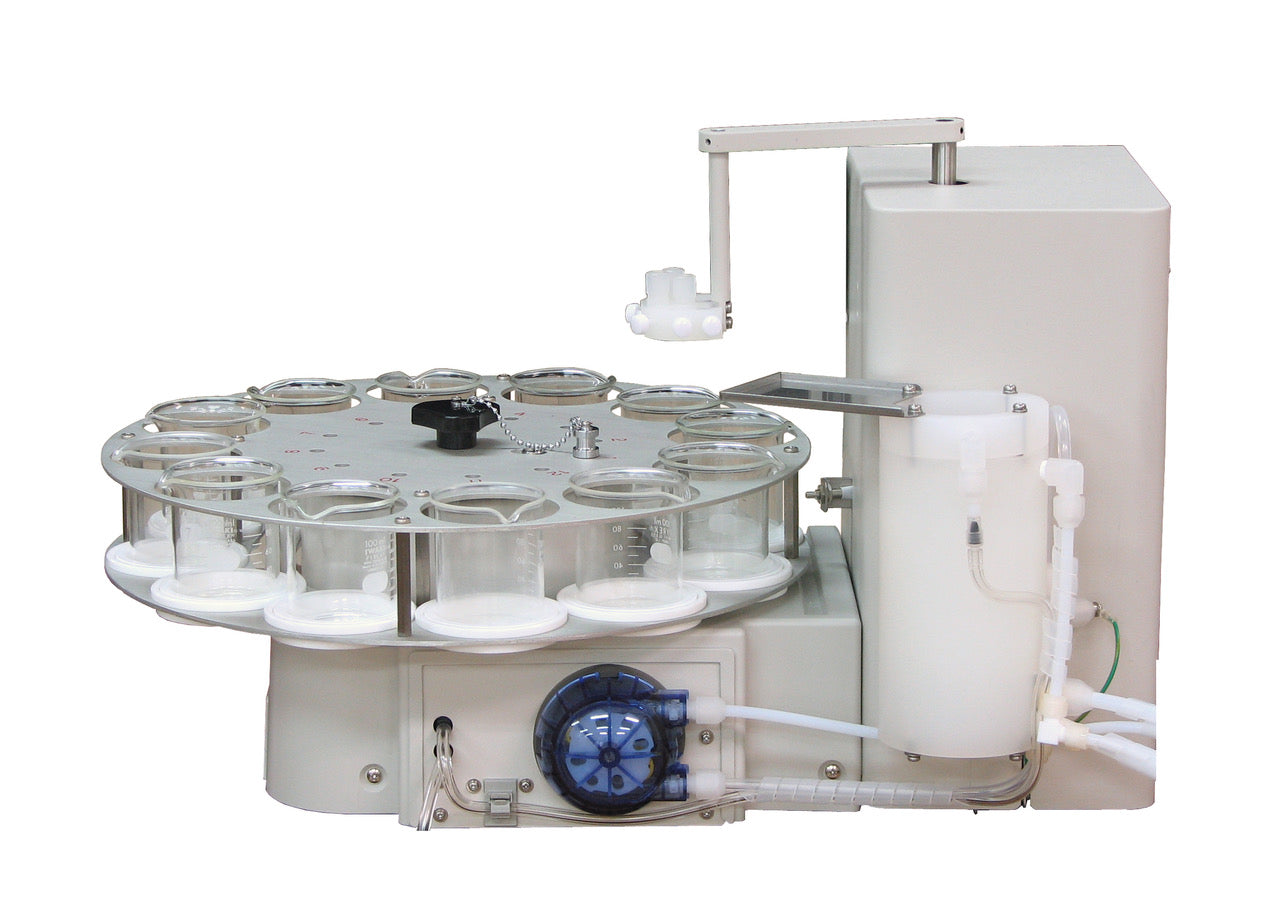
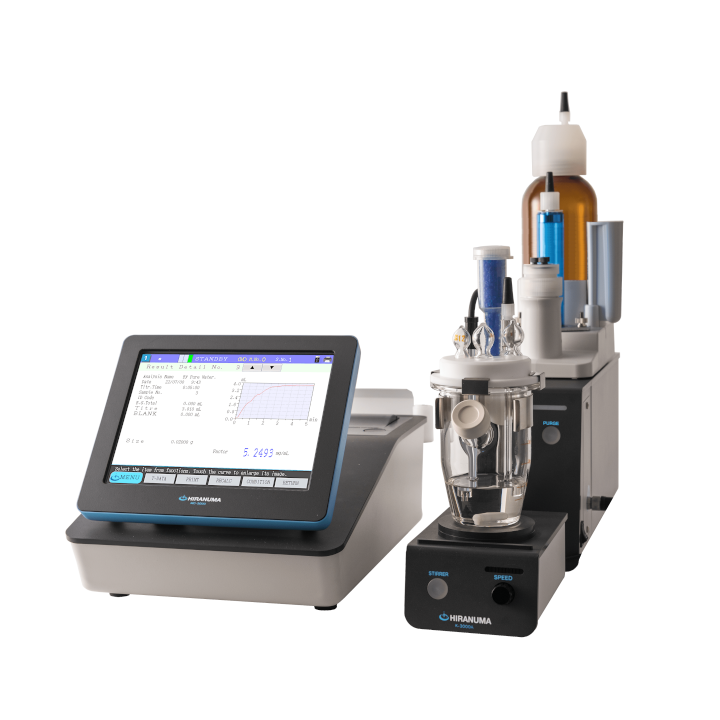
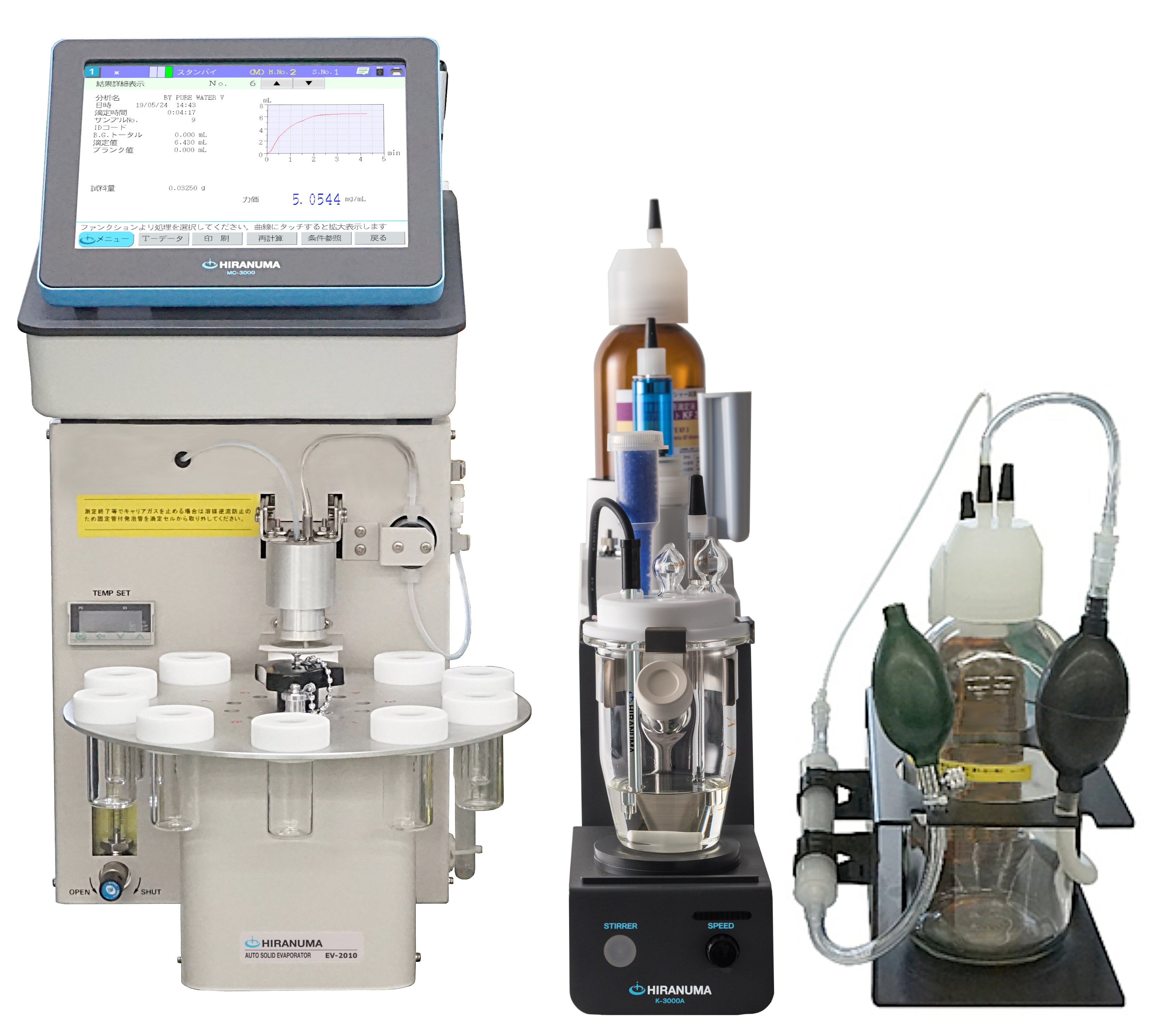
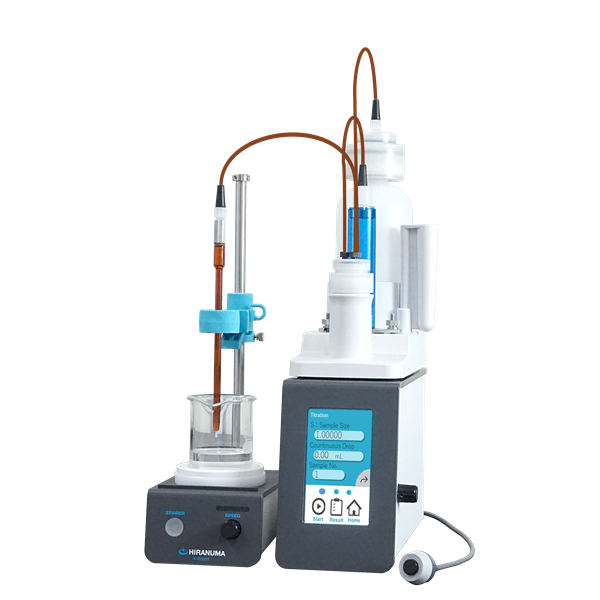
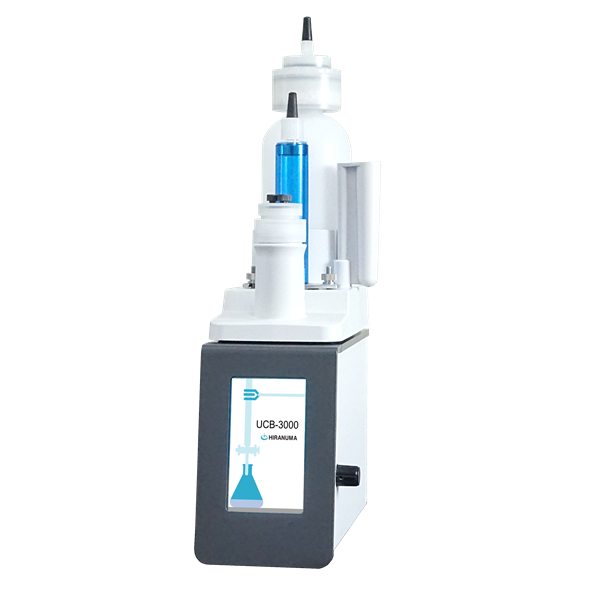
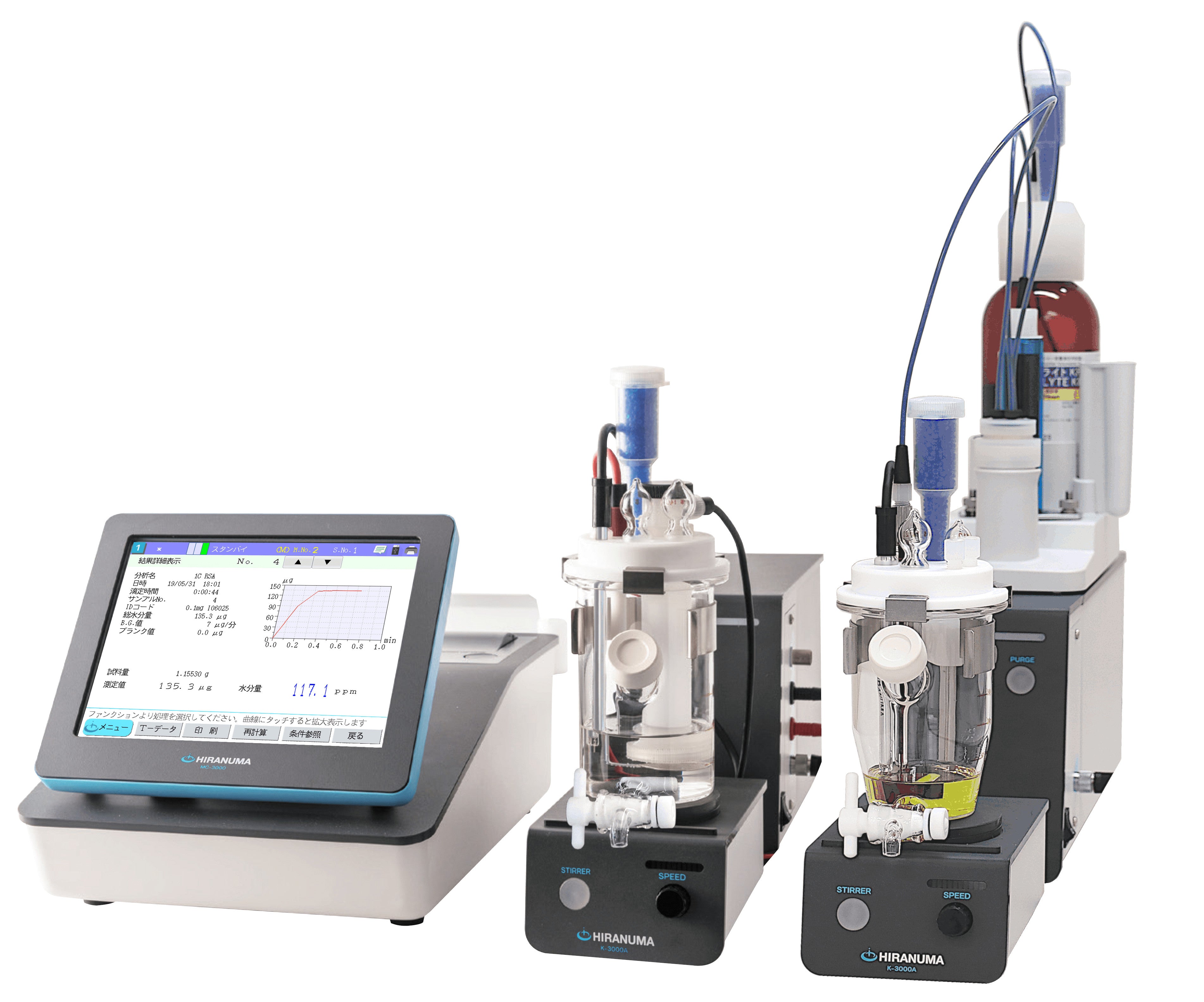
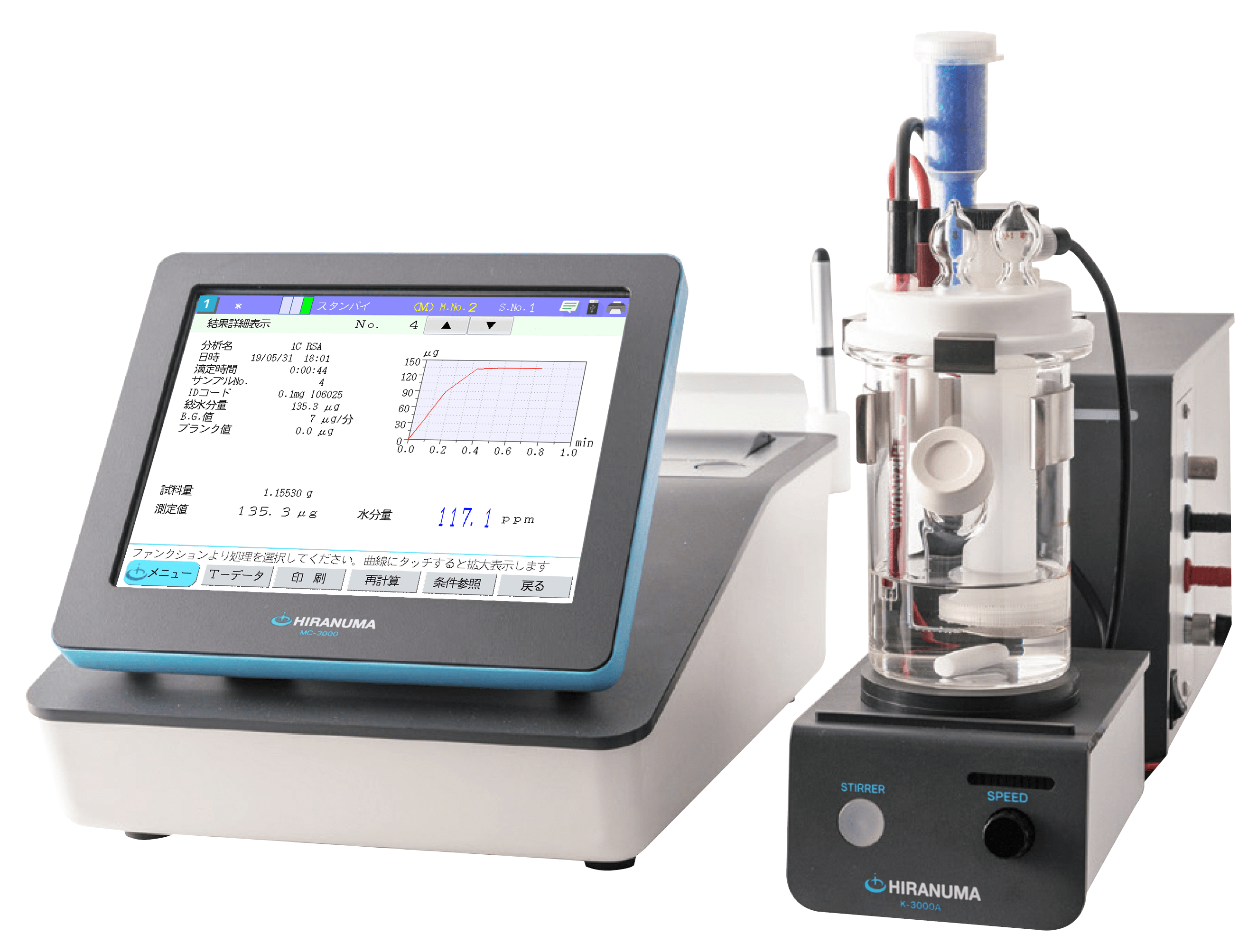
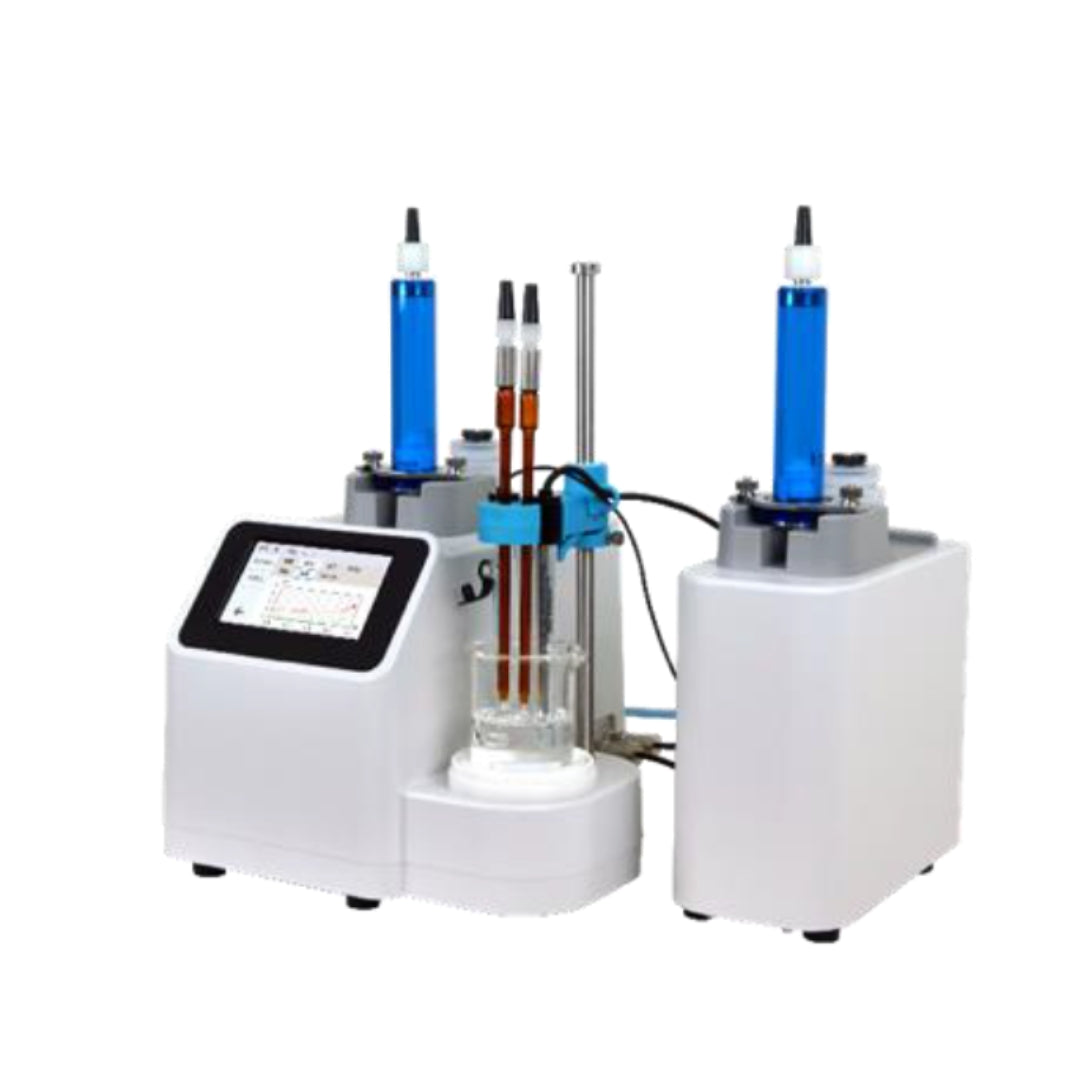
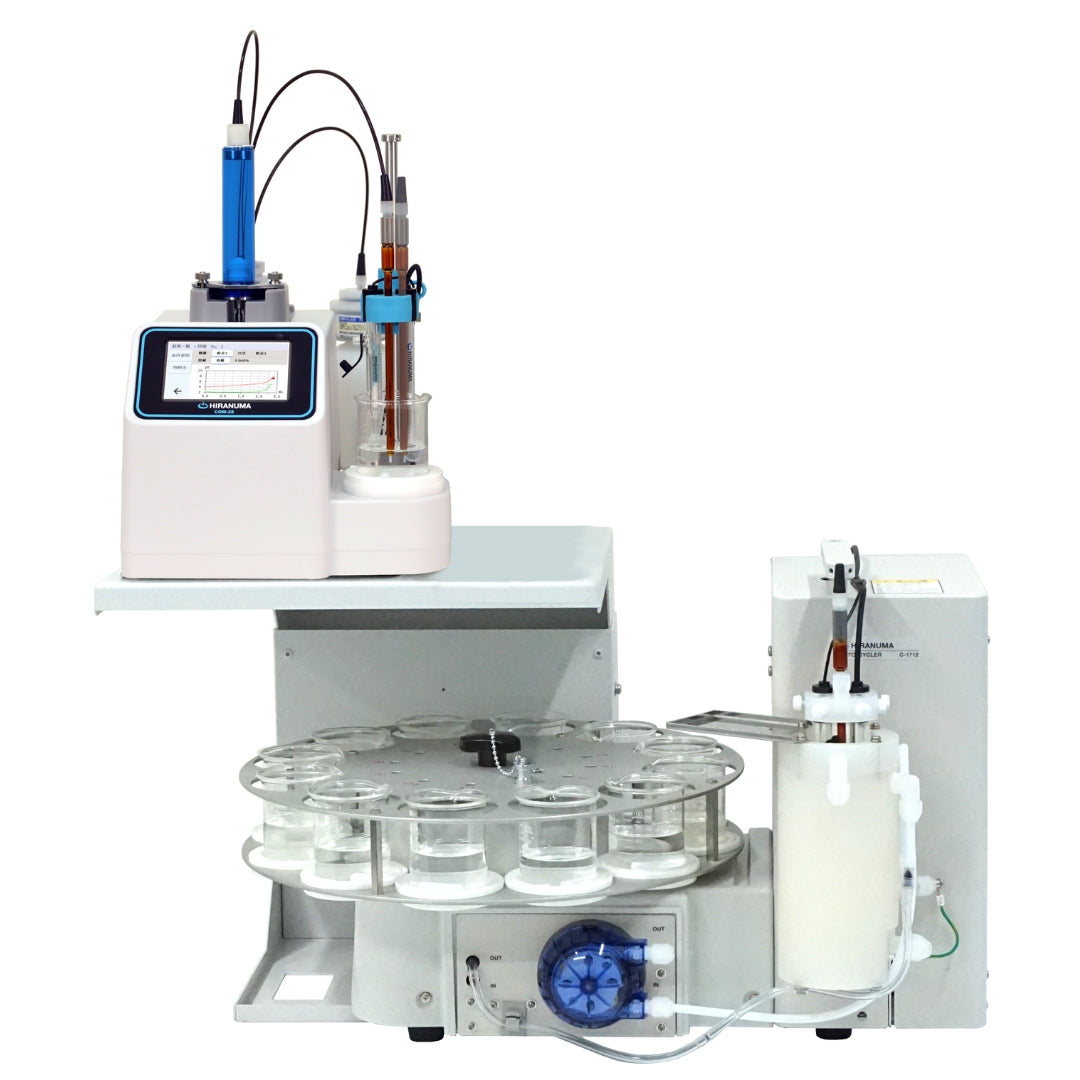
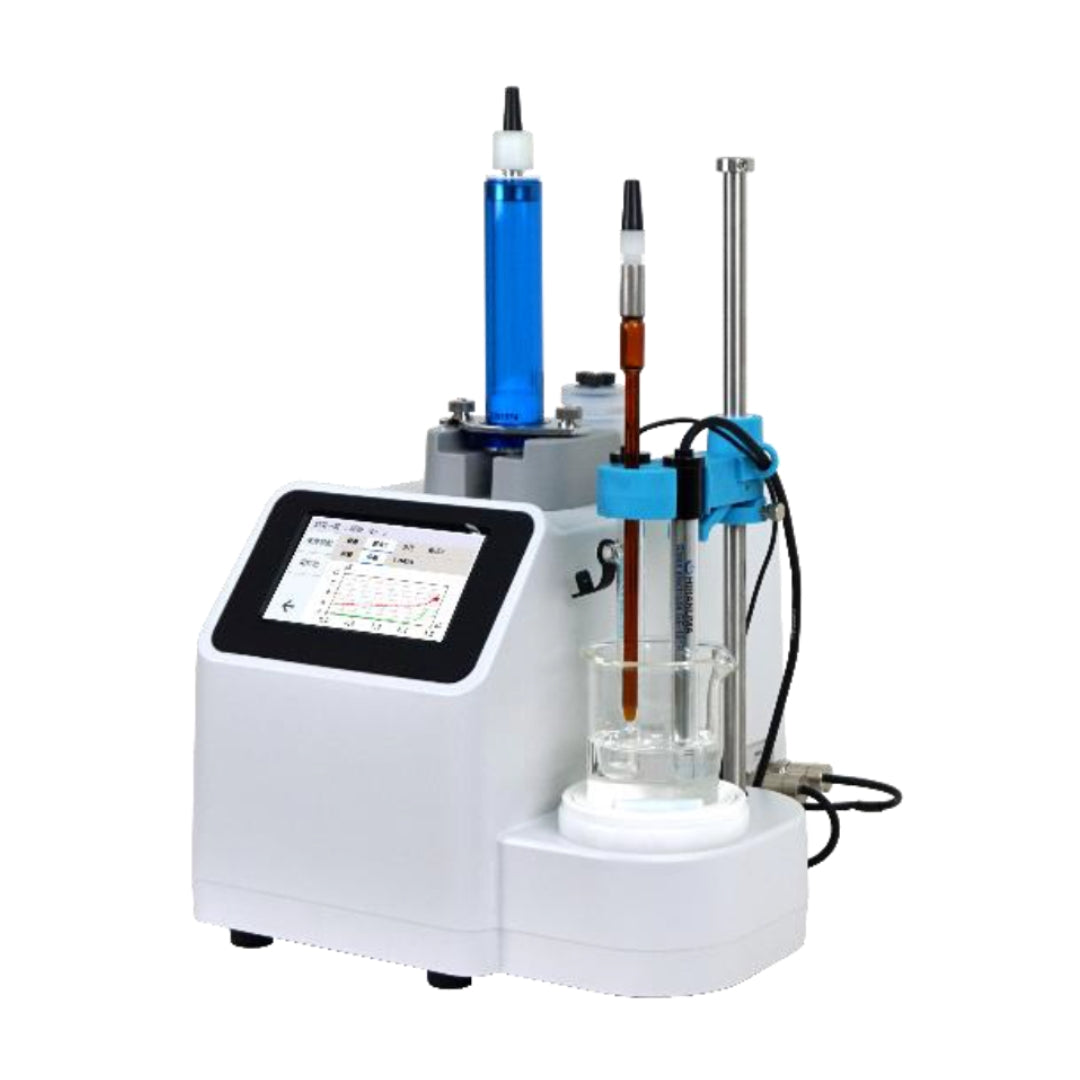
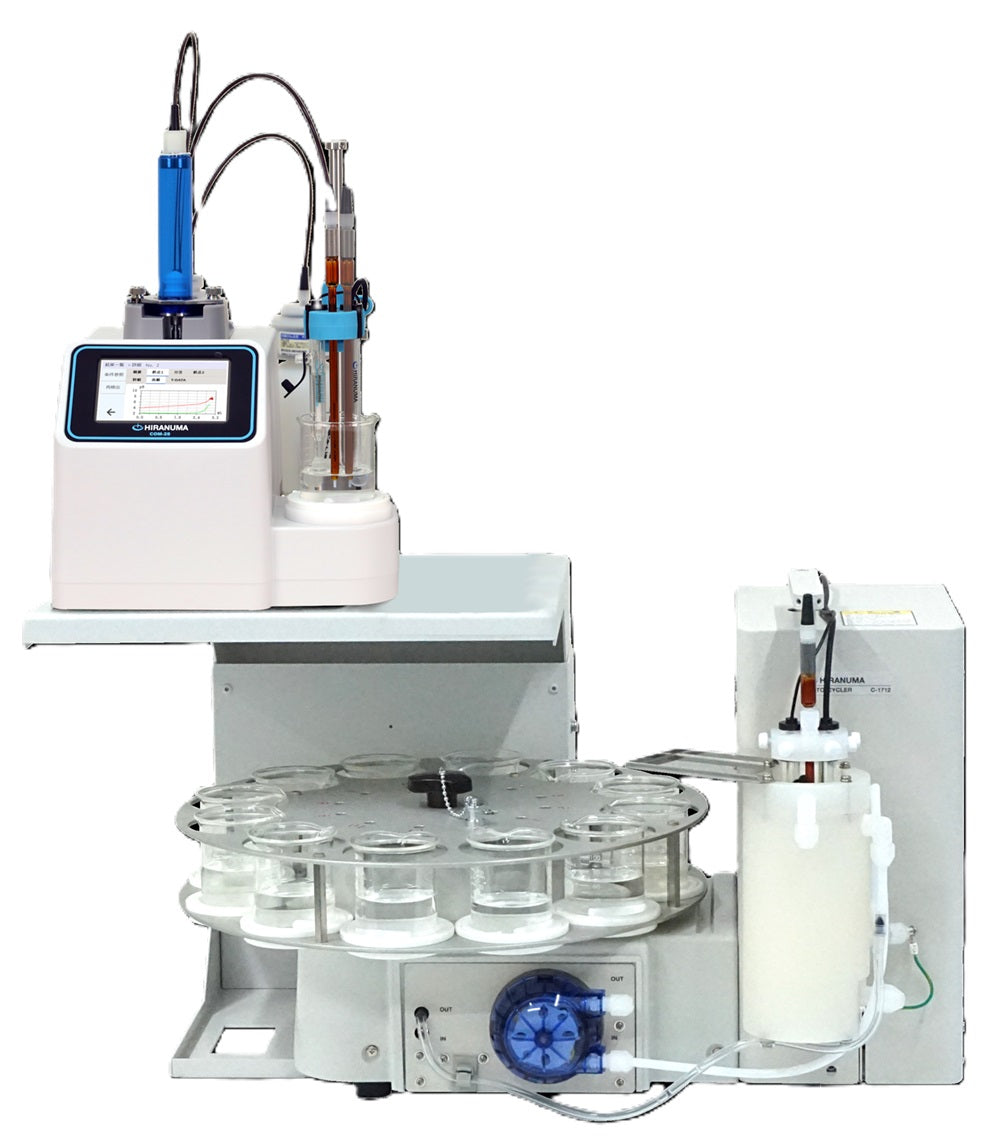
Using a system such as the Hiranuma COM-A19, total nickel can be determined with automated titration and precise endpoint detection.
Automated systems provide:
- Objective endpoint determination
- Improved repeatability
- Reduced operator dependency
- Faster analysis
These advantages are especially valuable in high-throughput industrial environments.
Typical Procedure Overview
- Measure and dilute the plating bath sample
- Add ammonia buffer and indicator
- Titrate with standardized EDTA solution
- Detect endpoint automatically
- Calculate total nickel concentration
Why Nickel Control is Critical
Nickel concentration directly impacts:
- Deposition rate and efficiency
- Coating thickness and uniformity
- Bath stability and lifetime
Inconsistent nickel levels can lead to:
- Product variability
- Increased scrap
- Higher operating costs
-
Accurate and repeatable analysis ensures consistent production quality.
Typical Applications
- Nickel plating baths (sulfamate and sulfate systems)
- Decorative and functional plating
- Automotive and industrial components
- Electronics and PCB manufacturing
Nickel analysis is typically performed alongside:
- Boric acid (buffer control)
- Nickel chloride (conductivity and anode performance)
- pH and acid balance
Conclusion
Total nickel determination is one of the most important analytical measurements in plating bath control. Automated EDTA titration provides a reliable, repeatable, and efficient method for maintaining consistent nickel concentration and improving overall process performance.
Related Plating Applications
- Boric Acid Analysis in Nickel Plating Baths
- Chloride Determination in Plating Baths
- Acid and Total Acid Control in Phosphate Baths
- Copper Plating Bath Analysis
Call to Action
For more information on automated titration solutions for plating bath control, contact JM Science to discuss your application.
-
“Explore all Plating & Surface Treatment Applications”
Contact Info: sales@jmscience.com
-
Tel: 716-774-8706