Chromium (Cr⁶⁺ and Cr³⁺) Analysis in Plating Baths for Process and Environmental Control
Chromium plating processes rely on precise control of both hexavalent chromium (Cr⁶⁺) and trivalent chromium (Cr³⁺) to maintain bath performance and ensure consistent coating quality.
In traditional chromium plating systems, chromic anhydride (CrO₃) provides the primary source of Cr⁶⁺, which drives the plating reaction. Over time, a portion of Cr⁶⁺ is reduced to Cr³⁺, altering bath chemistry and affecting performance.
Accurate monitoring of both species is essential for maintaining process stability and meeting environmental requirements.
Why Chromium Speciation Matters
The balance between Cr⁶⁺ and Cr³⁺ directly impacts:
- Plating efficiency
- Coating thickness and uniformity
- Surface finish quality
- Bath lifetime and maintenance
Excess Cr³⁺ can lead to:
- Reduced plating efficiency
- Poor coating quality
- Increased defects
Excessive Cr⁶⁺ or poor control may raise:
- Environmental concerns
- Worker safety risks
- Regulatory compliance issues
Role of Chromic Anhydride
Chromic anhydride (CrO₃) is the primary oxidizing agent in chromium plating baths and supplies hexavalent chromium (Cr⁶⁺).
Maintaining proper Cr⁶⁺ concentration ensures:
- Stable plating conditions
- Consistent deposition rates
- High-quality coatings
Analytical Method Overview
Chromium speciation can be determined using titration methods that distinguish between:
- Hexavalent chromium (Cr⁶⁺)
- Total chromium
- Trivalent chromium (calculated difference)
This typically involves:
- Direct titration of Cr⁶⁺
- Reduction or oxidation steps
- Determination of total chromium
- Calculation of Cr³⁺ concentration
Challenges with Manual Methods
Manual titration approaches often rely on:
- Visual indicators
- Operator judgment
- Multi-step procedures
These can introduce:
- Variability in results
- Difficulty in endpoint detection
- Reduced repeatability
Automated Potentiometric Titration
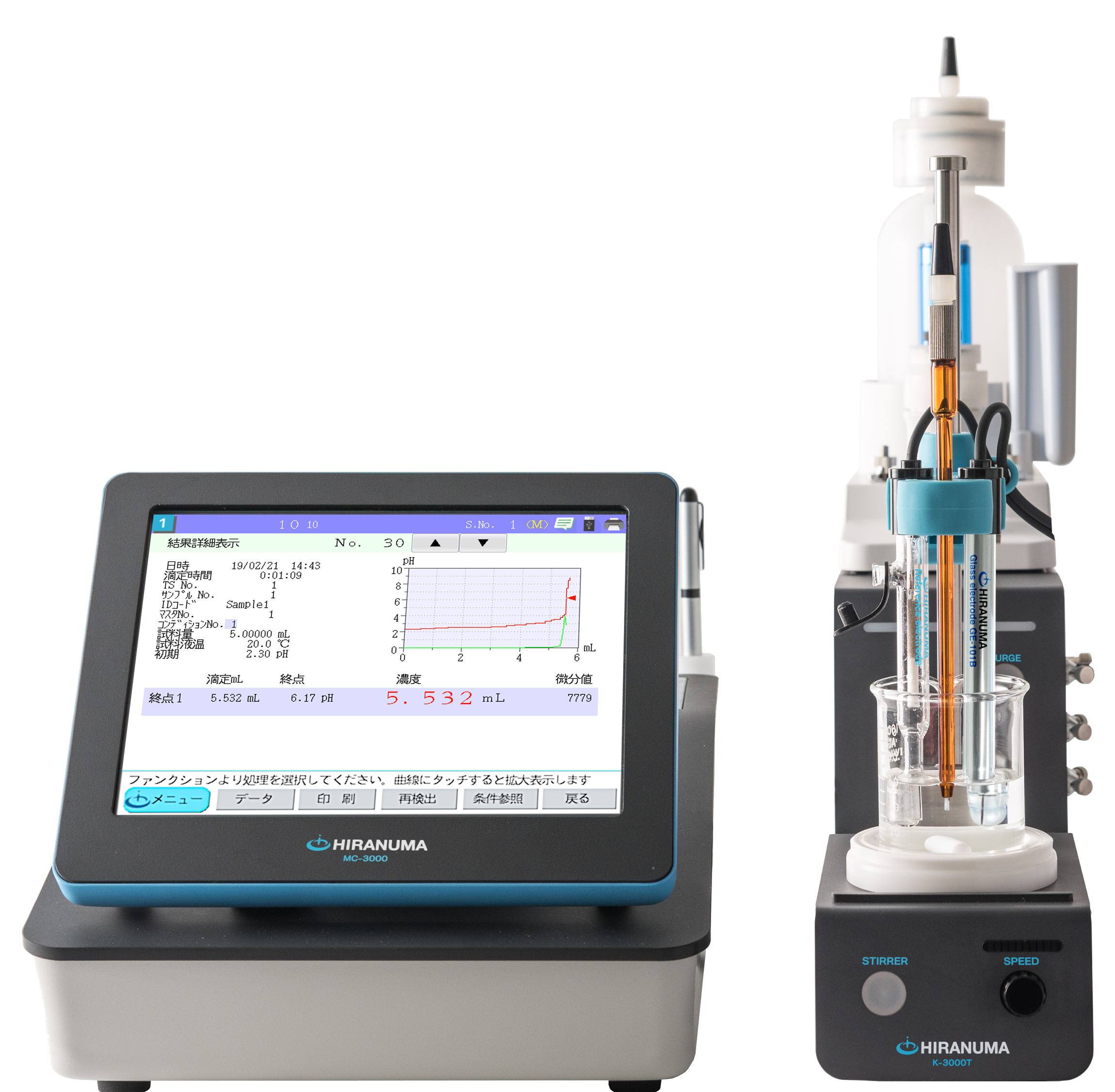
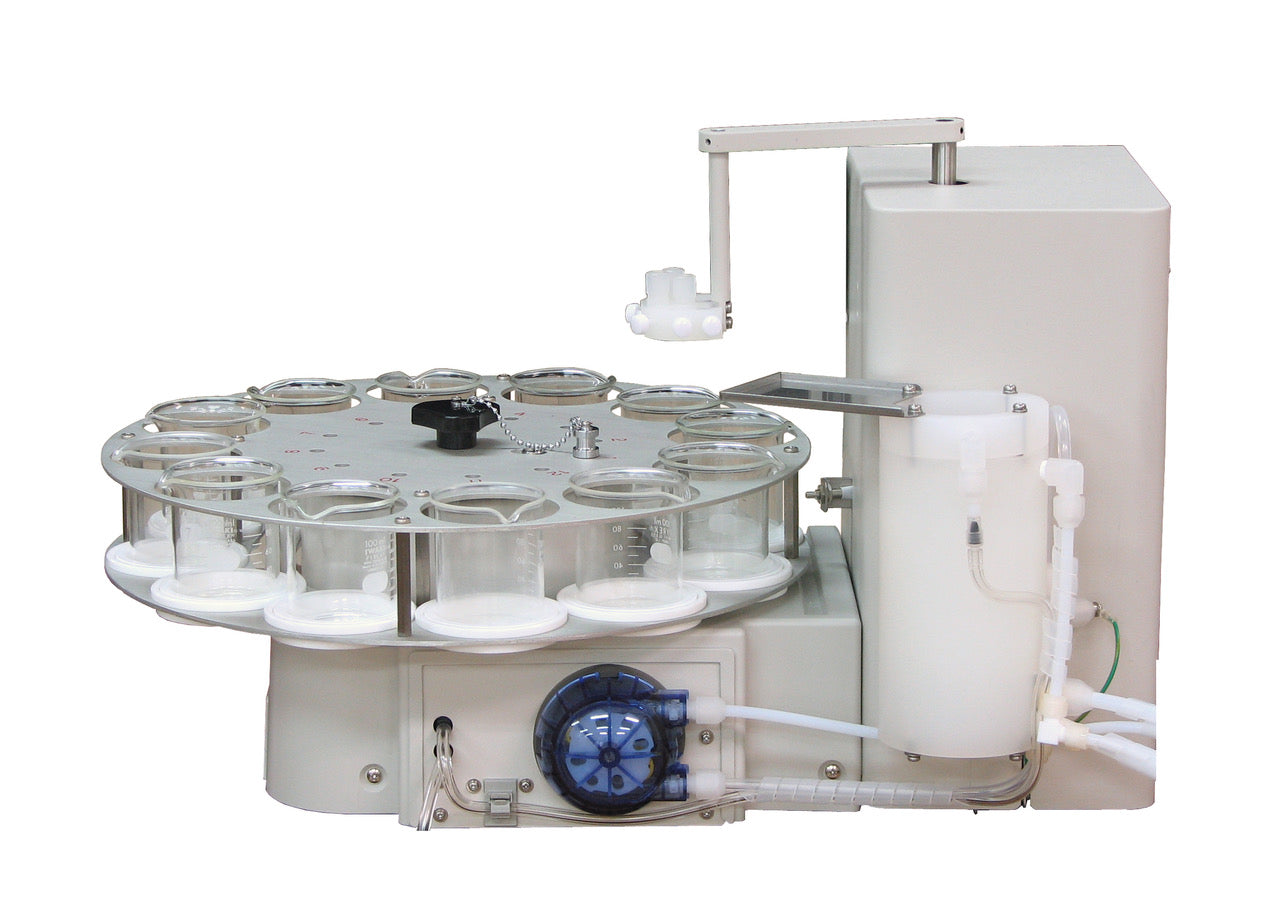
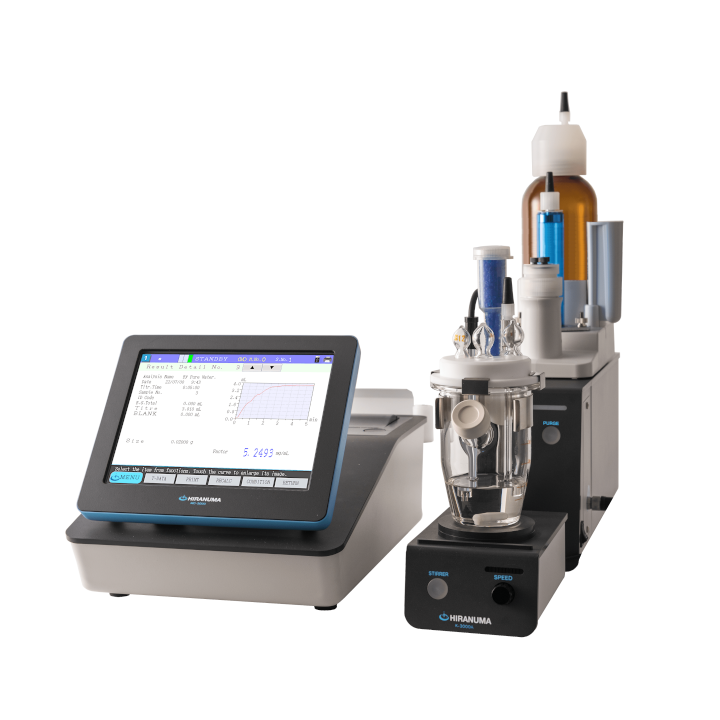
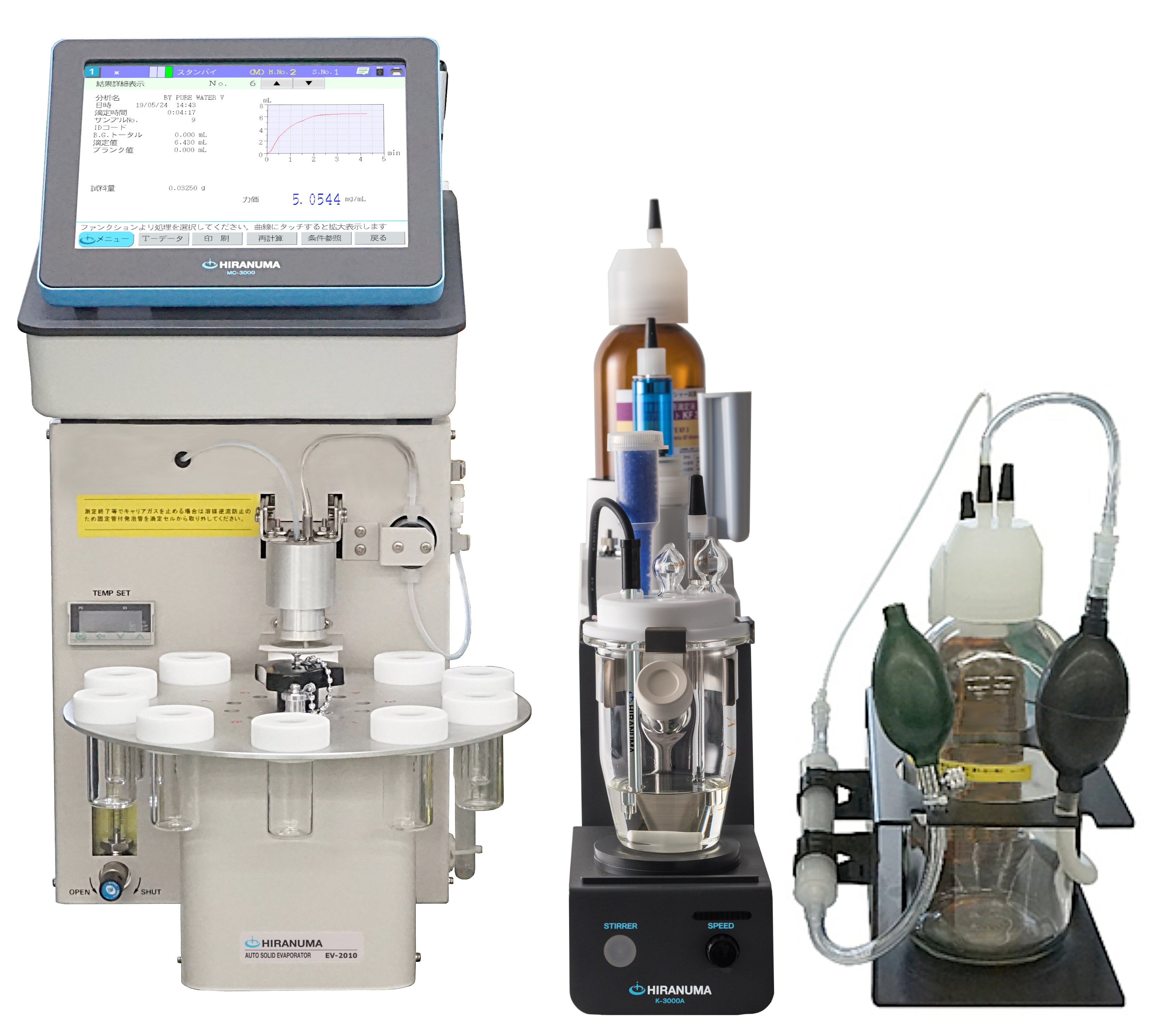
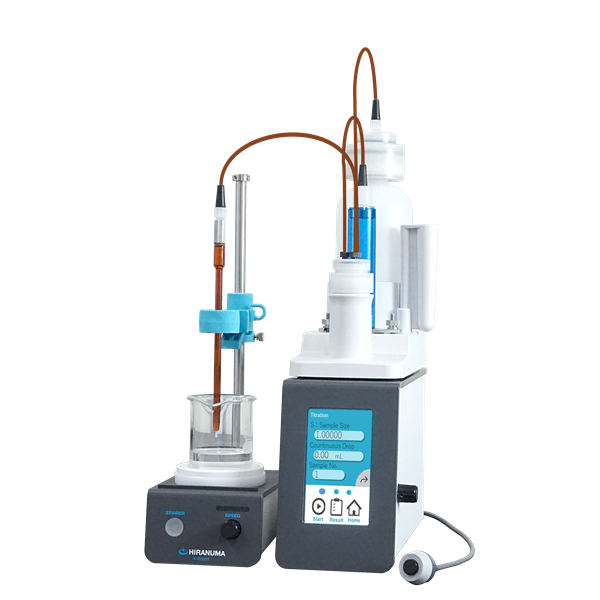
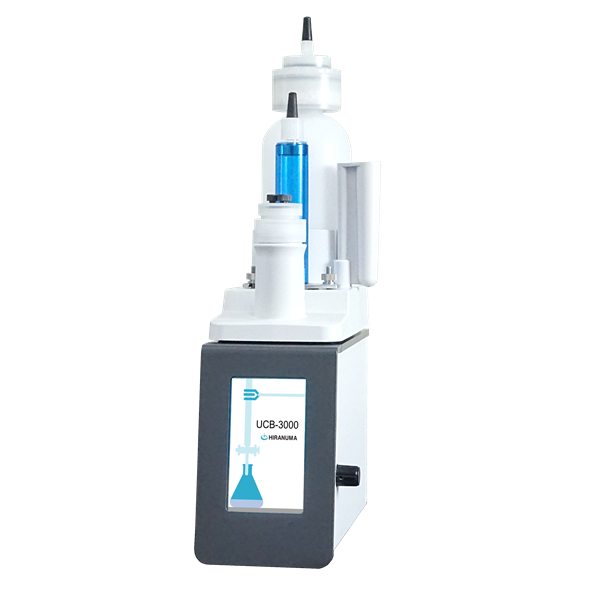
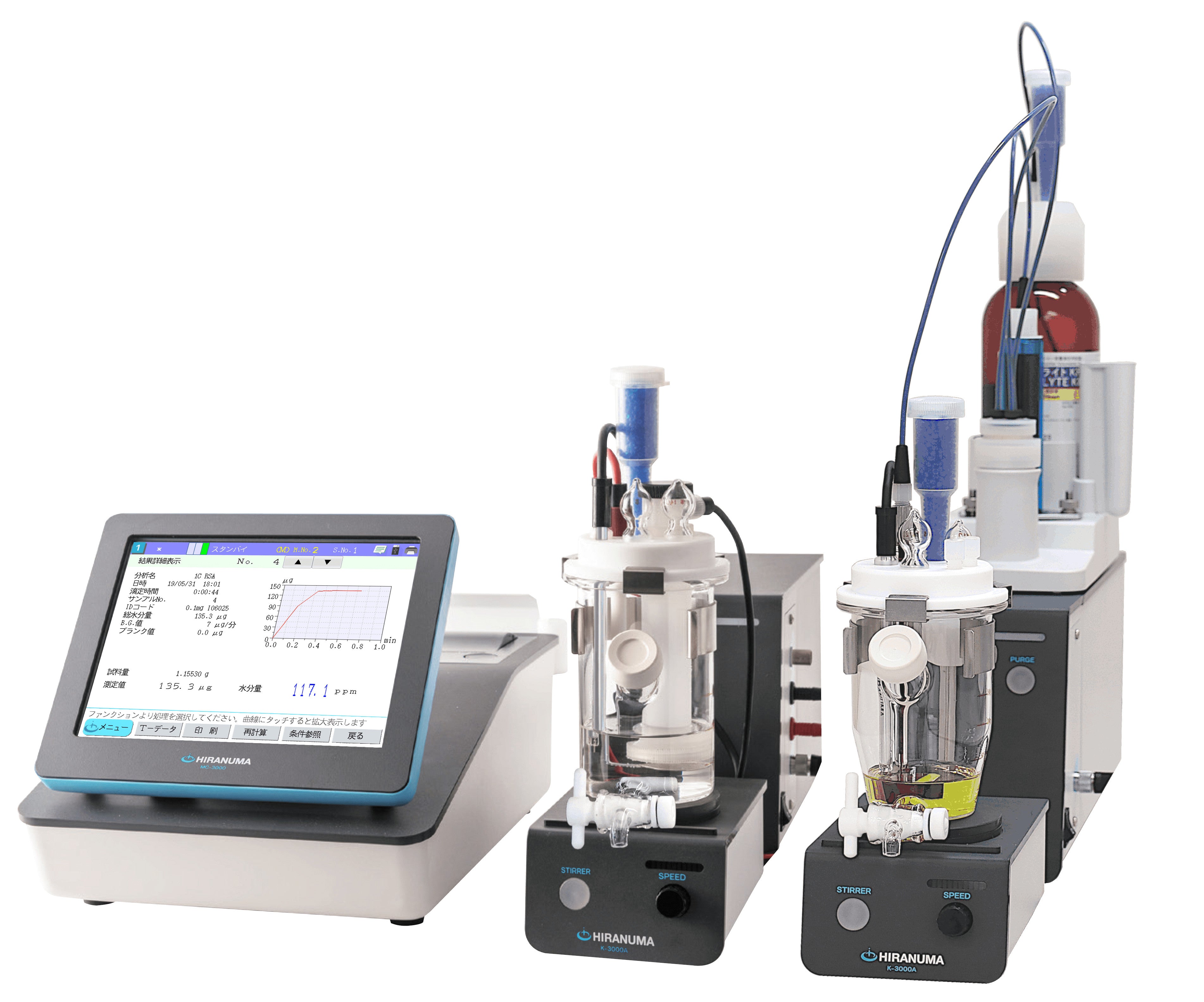
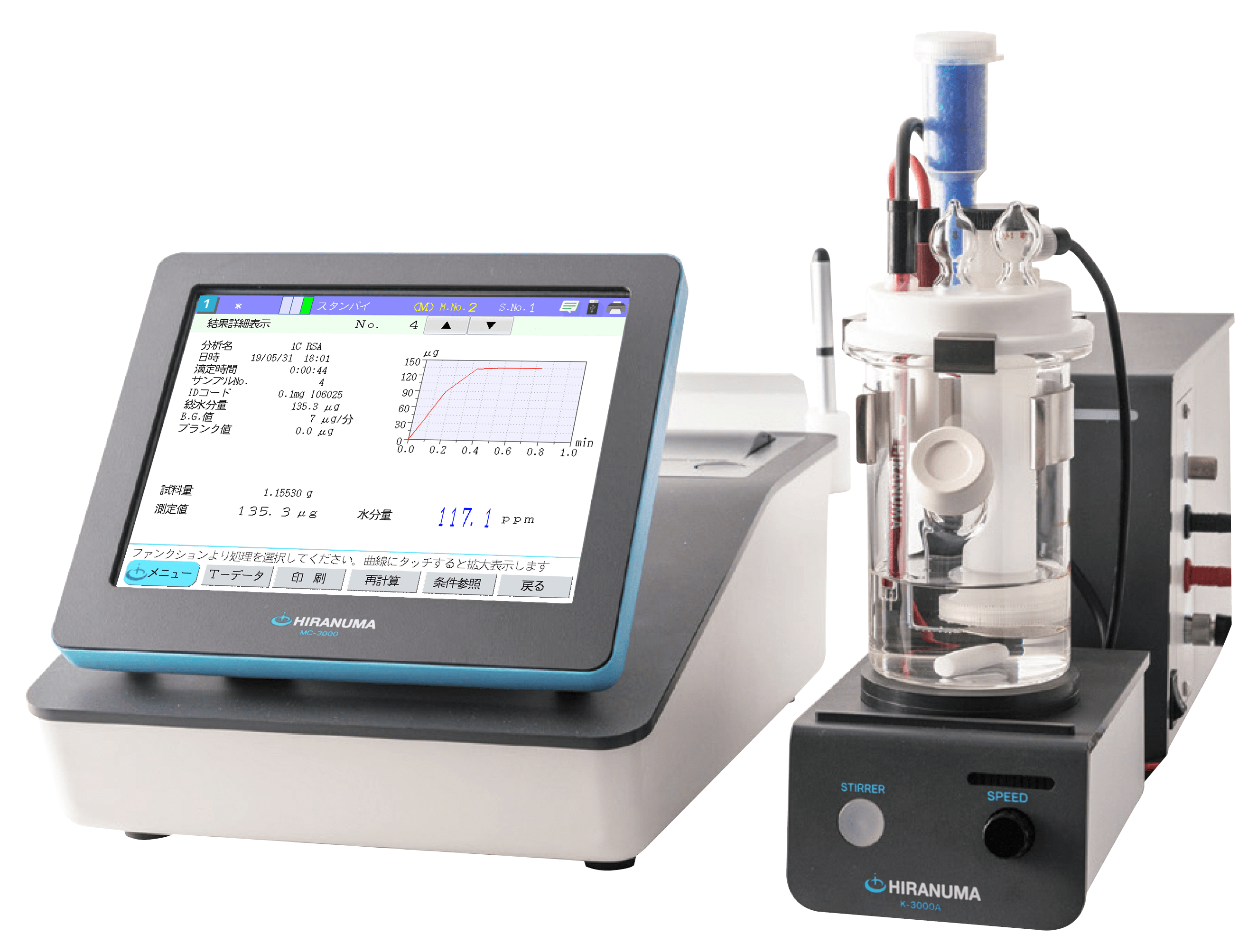
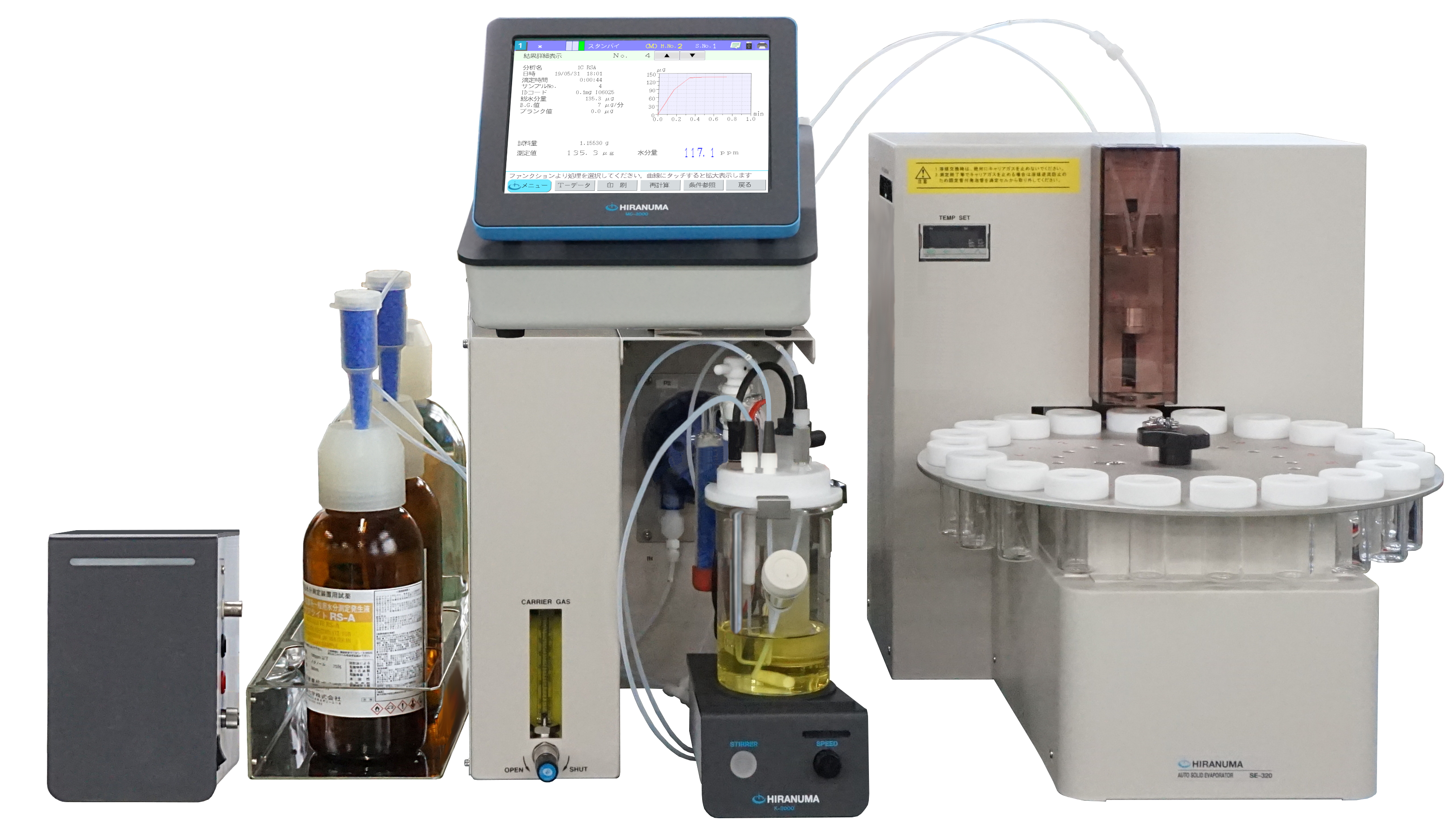
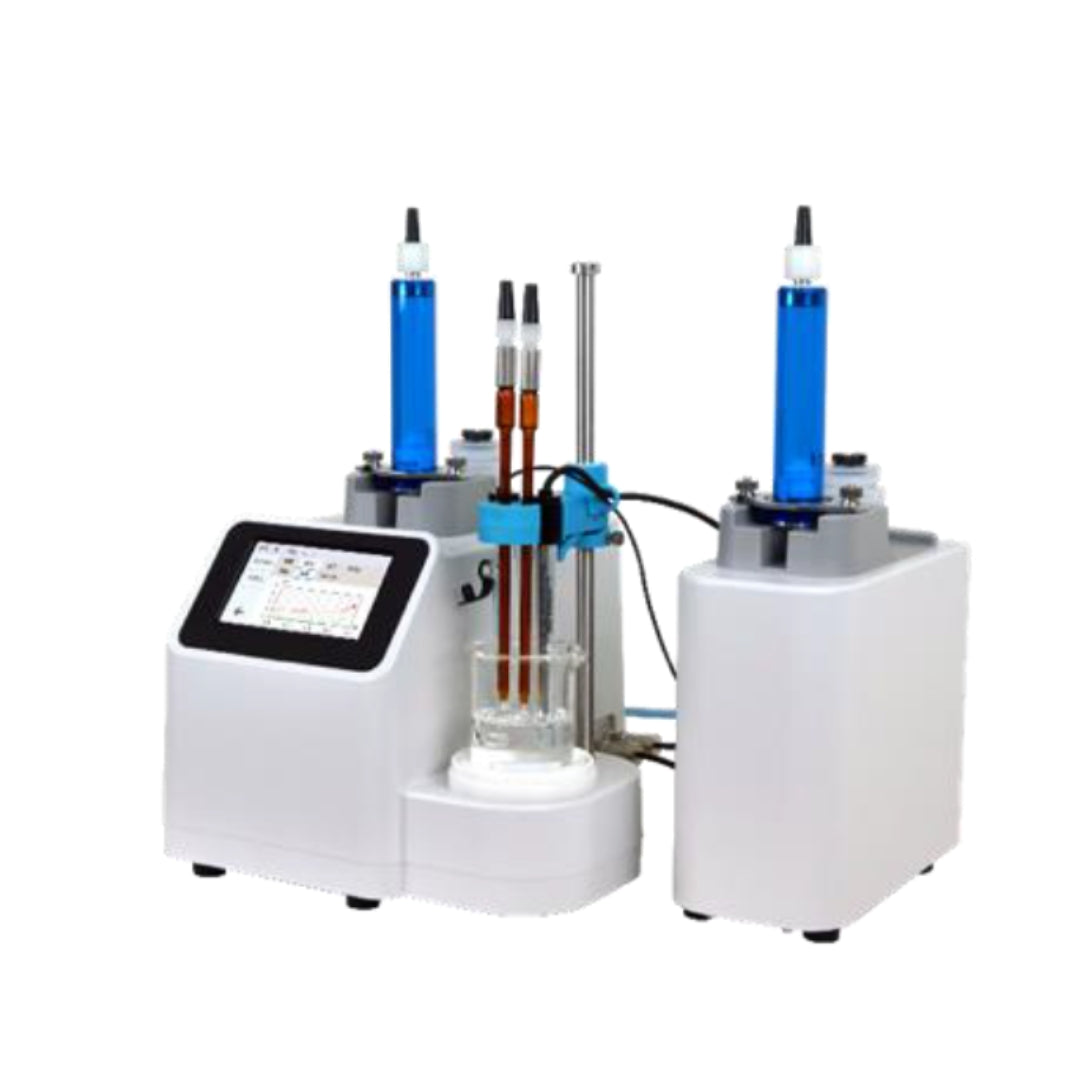
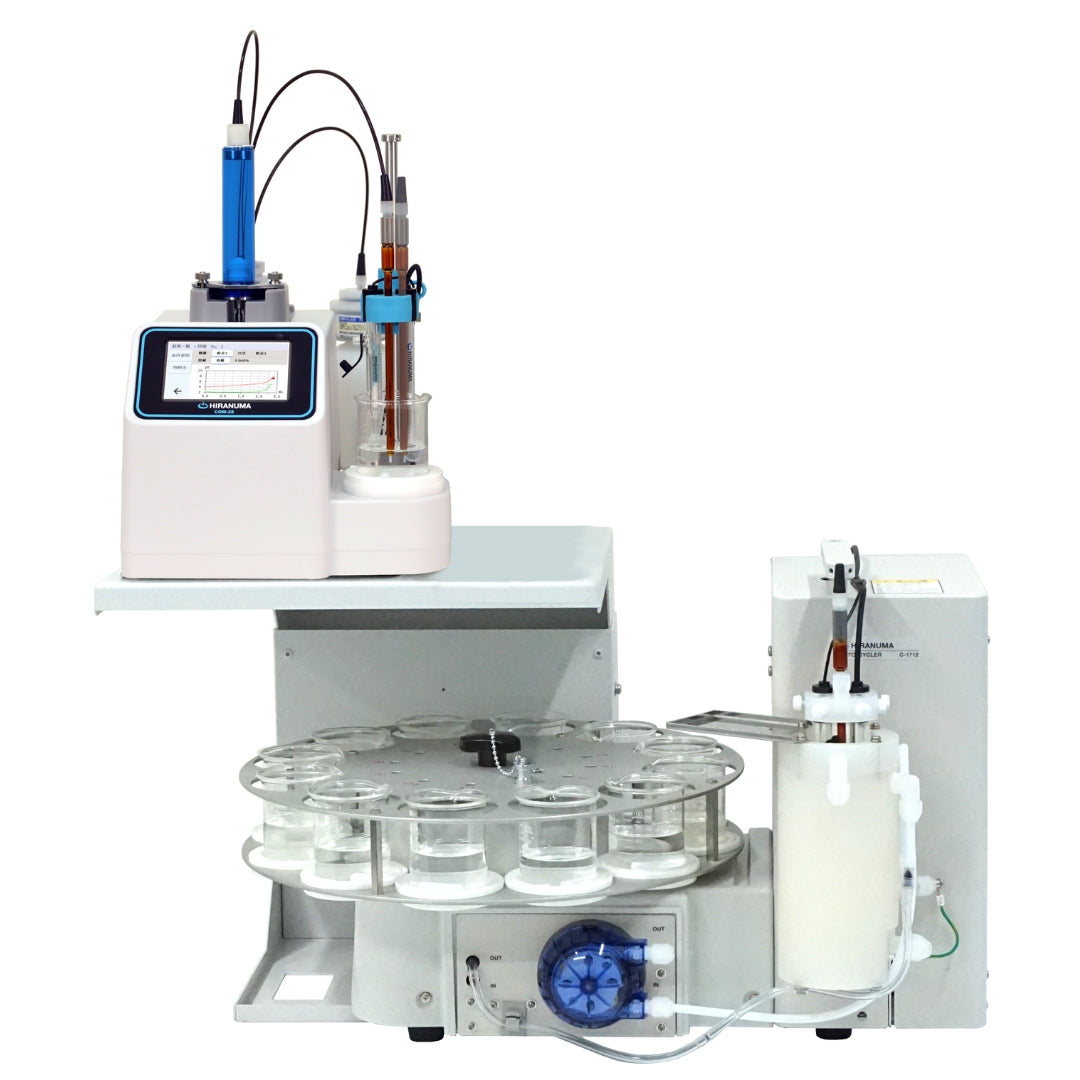
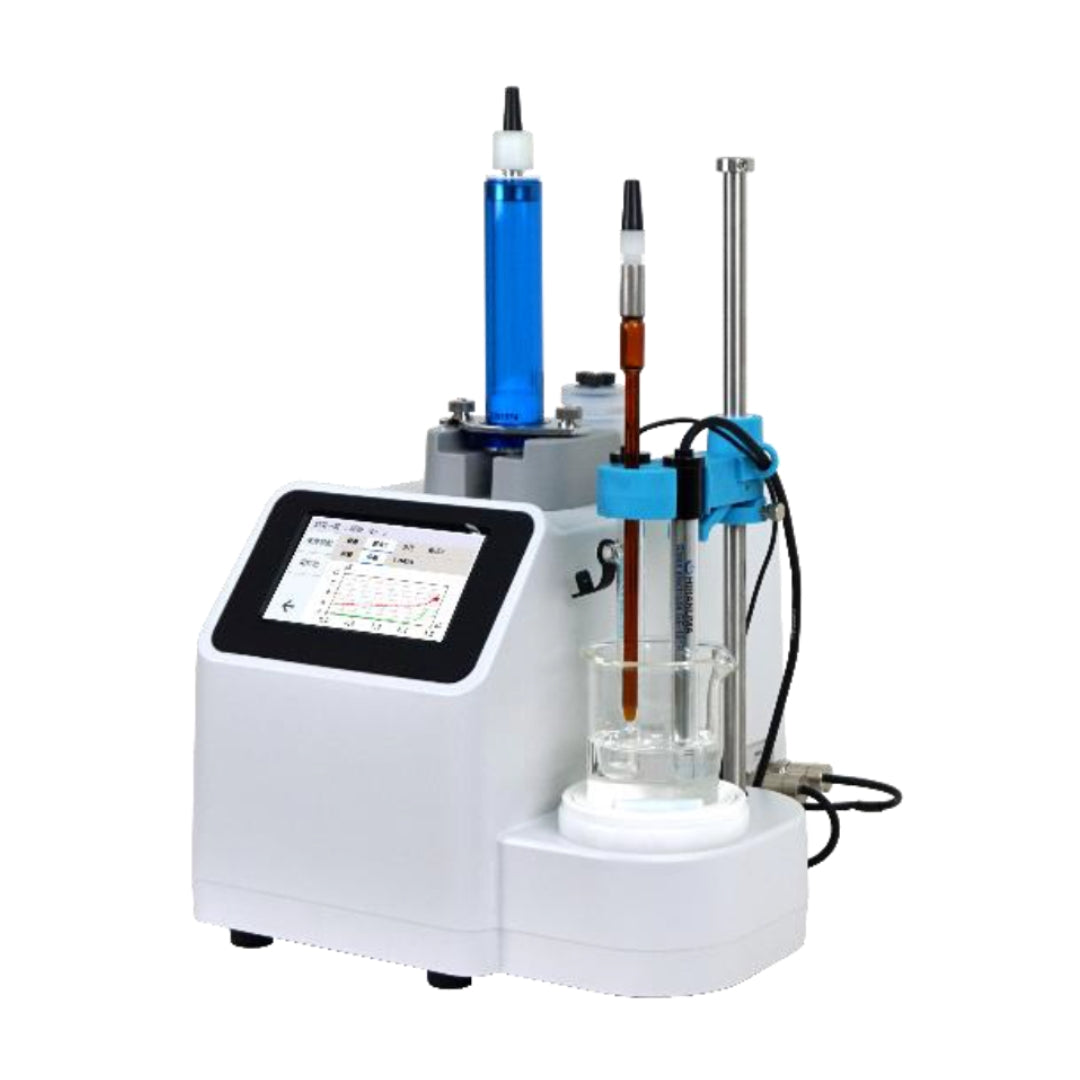
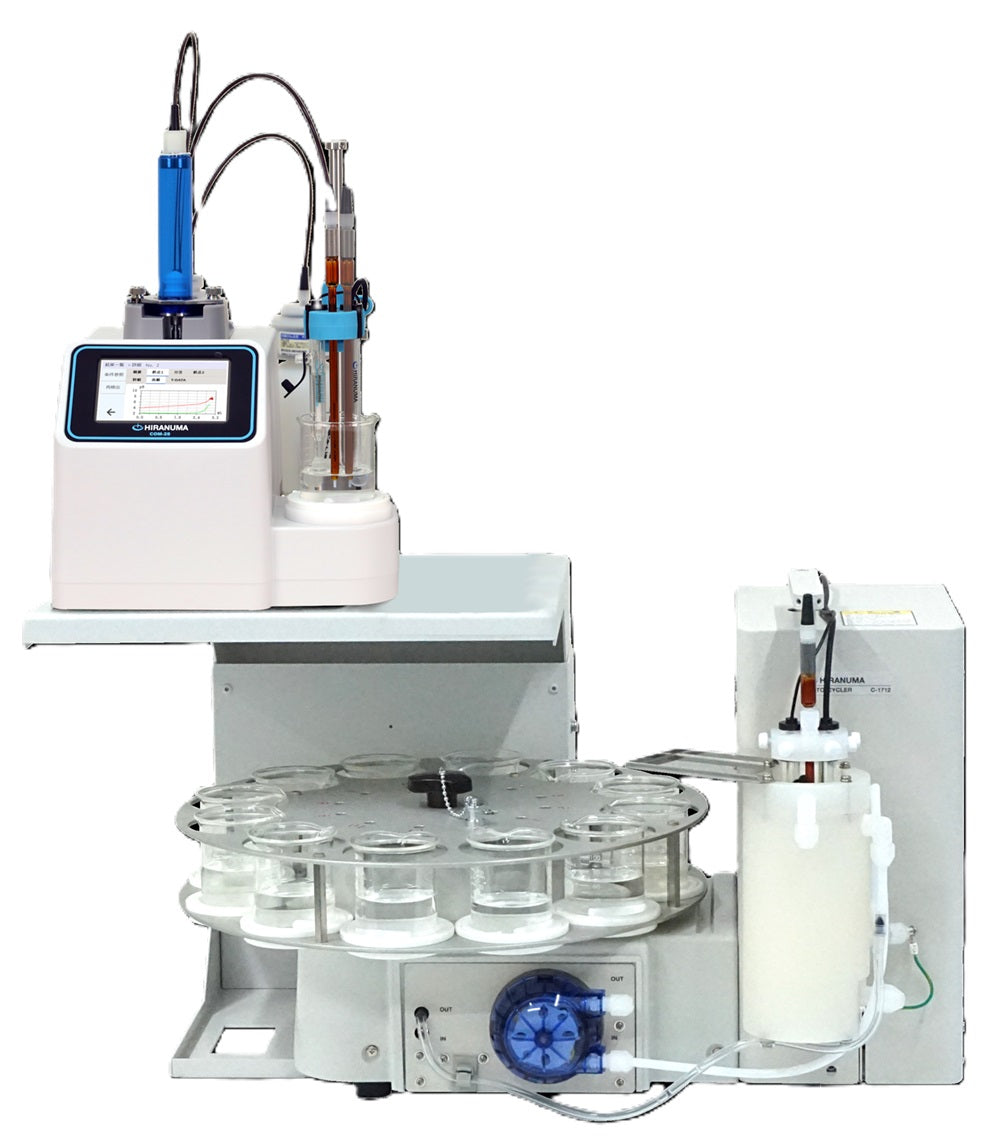
Using a system such as the Hiranuma COM-A19, chromium analysis can be automated with precise endpoint detection and improved repeatability.
This provides:
- Objective endpoint determination
- Consistent results across operators
- Reduced analysis time
- Improved process control
Why This Matters in Industrial Applications
Chromium plating is widely used in:
- Automotive components
- Aerospace applications
- Industrial tooling
- Decorative finishes
Accurate chromium analysis ensures:
- Consistent coating quality
- Reduced scrap and rework
- Improved bath management
- Better compliance with environmental regulations
Typical Applications
- Hexavalent chromium plating baths
- Hard chrome plating processes
- Surface finishing and metal treatment
Chromium analysis is often performed alongside:
- Nickel or copper analysis (multi-layer systems)
- Chloride determination
- Acid and bath composition control
Conclusion
Accurate determination of Cr⁶⁺ and Cr³⁺ is essential for maintaining stable chromium plating processes and ensuring consistent coating quality. Automated titration provides a reliable and efficient method for monitoring chromium speciation in industrial environments.
Related Plating Applications
- Nickel (Ni²⁺) Analysis in Plating Baths
- Copper Analysis in Copper Sulfate Plating Baths
- Chloride Determination in Plating Baths
- Acid and Total Acid Control in Phosphate Baths
Call to Action
For more information on automated titration solutions for chromium plating analysis, contact JM Science to discuss your application.
“Explore all Plating & Surface Treatment Applications”
Contact Info: sales@jmscience.com; Tel: 716-774-8706