opper Analysis in Copper Sulfate Plating Baths Using Redox Titration
Copper concentration is one of the most critical parameters in copper sulfate plating baths, directly affecting deposition rate, coating thickness, and overall plating quality.
In industries such as printed circuit board (PCB) manufacturing, automotive components, and industrial metal finishing, maintaining consistent copper levels is essential for achieving uniform and reliable coatings.
Poor control of copper concentration can result in:
- Uneven plating thickness
- Reduced adhesion
- Surface defects
- Process instability
Routine and accurate analysis is therefore essential for maintaining plating performance.
Principle of the Method
Copper in plating solutions is commonly determined using iodometric (redox) titration.
In this method:
- Copper ions react with iodide to form iodine
- The liberated iodine is titrated with sodium thiosulfate
Reaction sequence:
- 2Cu²⁺ + 4I⁻ → 2CuI + I₂
- I₂ + 2S₂O₃²⁻ → 2I⁻ + S₄O₆²⁻
This approach provides a reliable and widely accepted method for determining copper concentration in plating baths.
Why Accurate Copper Control Matters
Copper sulfate plating baths must be tightly controlled to ensure:
- Stable deposition rates
- Uniform coating thickness
- Consistent product quality
Variations in copper concentration can impact:
- Throwing power
- Current efficiency
- Additive performance
In high-precision applications such as PCB manufacturing, even small deviations can lead to defects and increased reject rates.
Challenges with Traditional Methods
Manual titration methods can introduce:
- Operator-dependent endpoints
- Variability in results
- Inconsistent repeatability
Other analytical methods (e.g., photometric or instrumental techniques) may:
- Require more complex setup
- Be sensitive to sample conditions
- Be less practical for routine plant use
Automated Potentiometric Titration
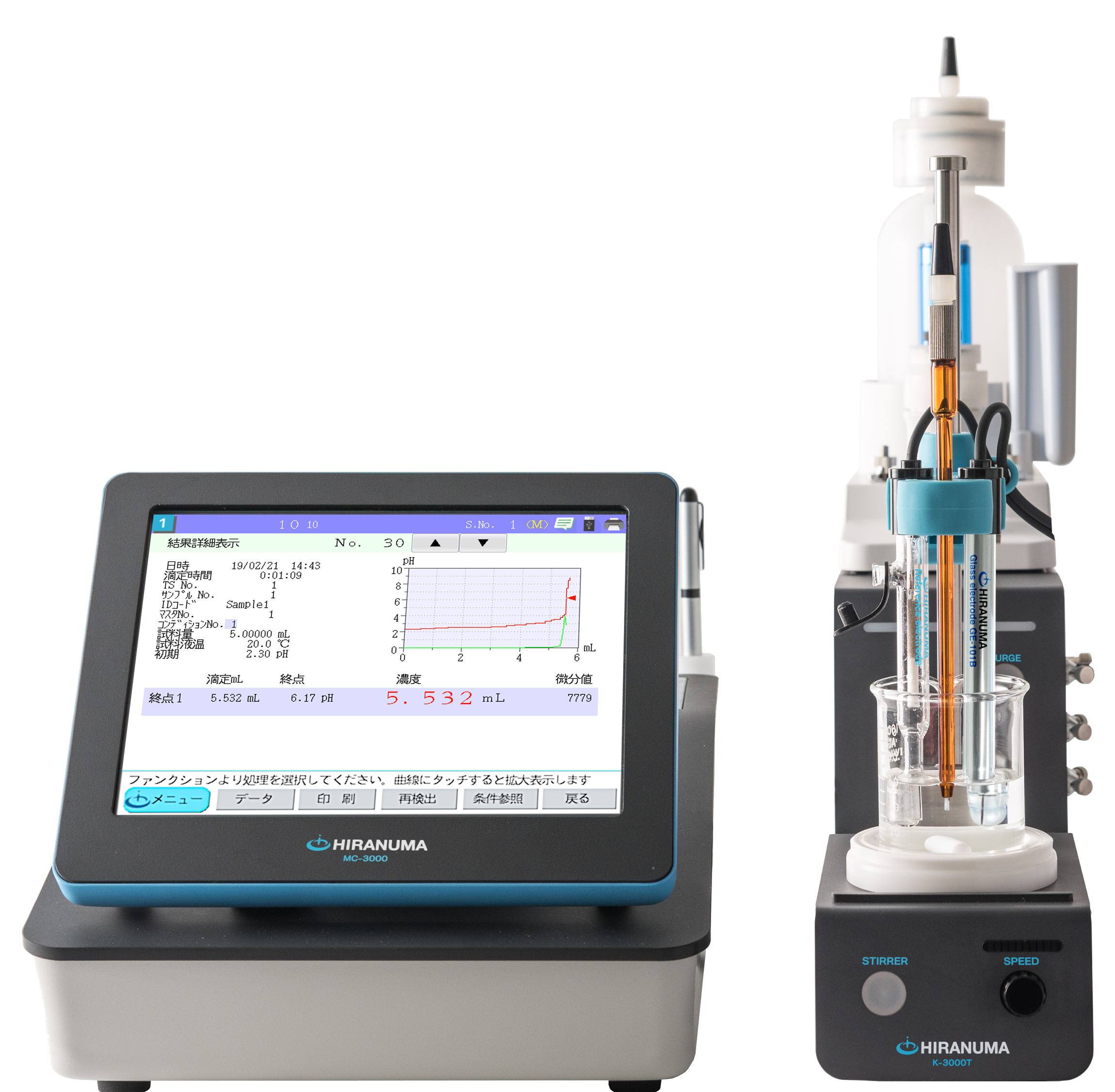
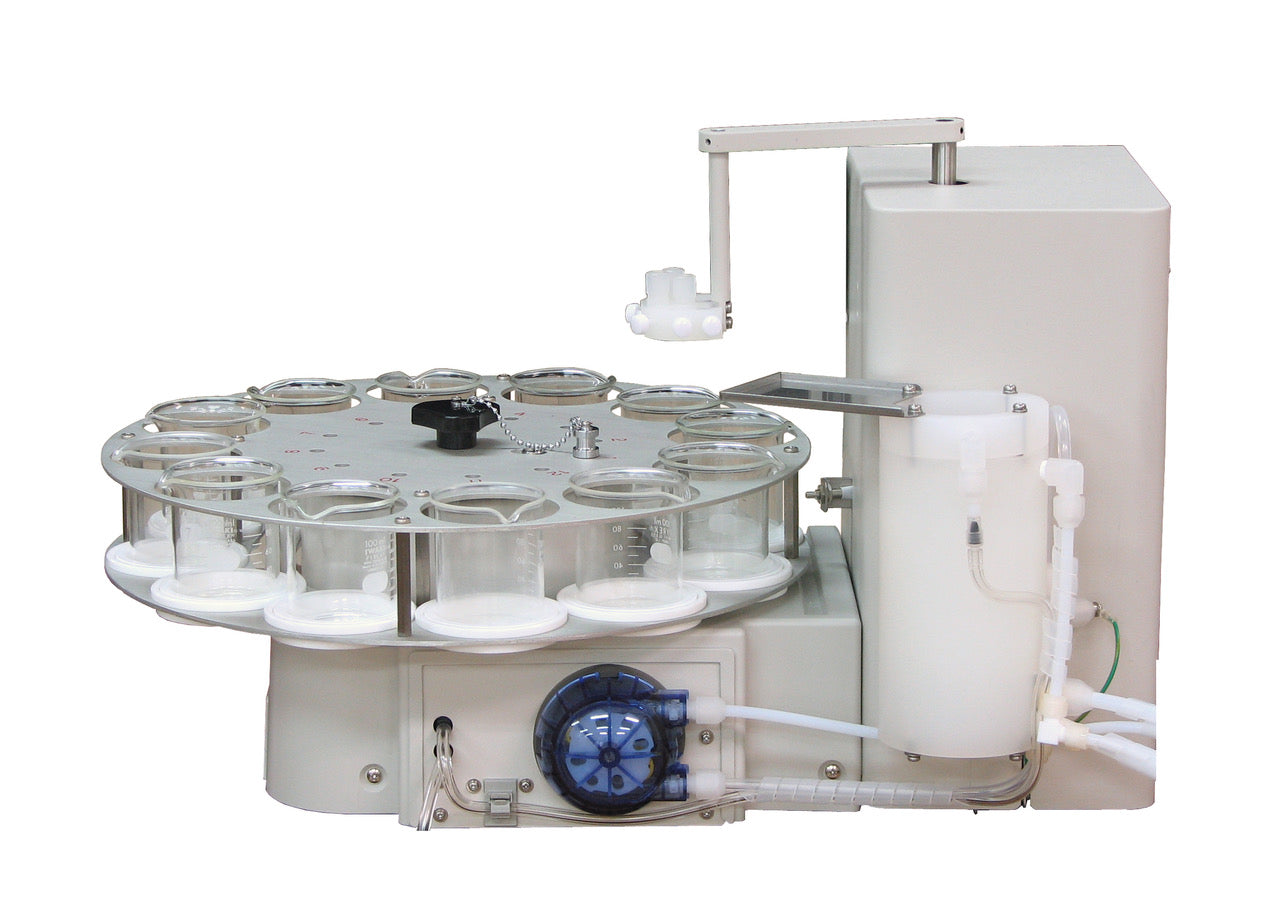
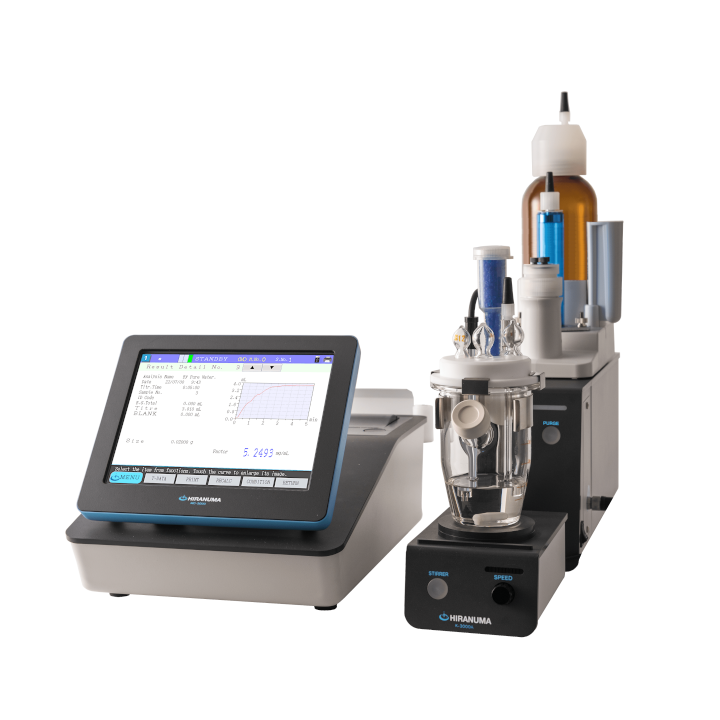
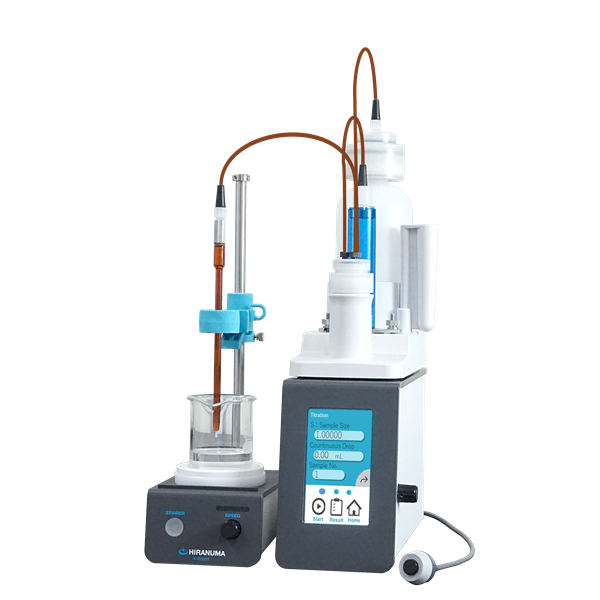
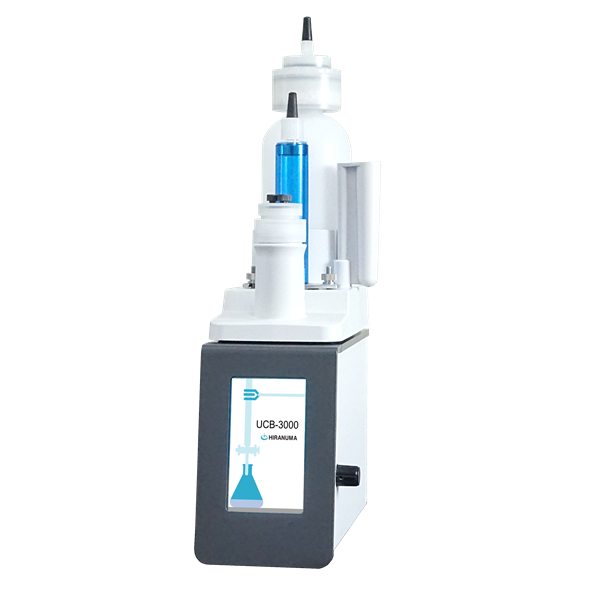
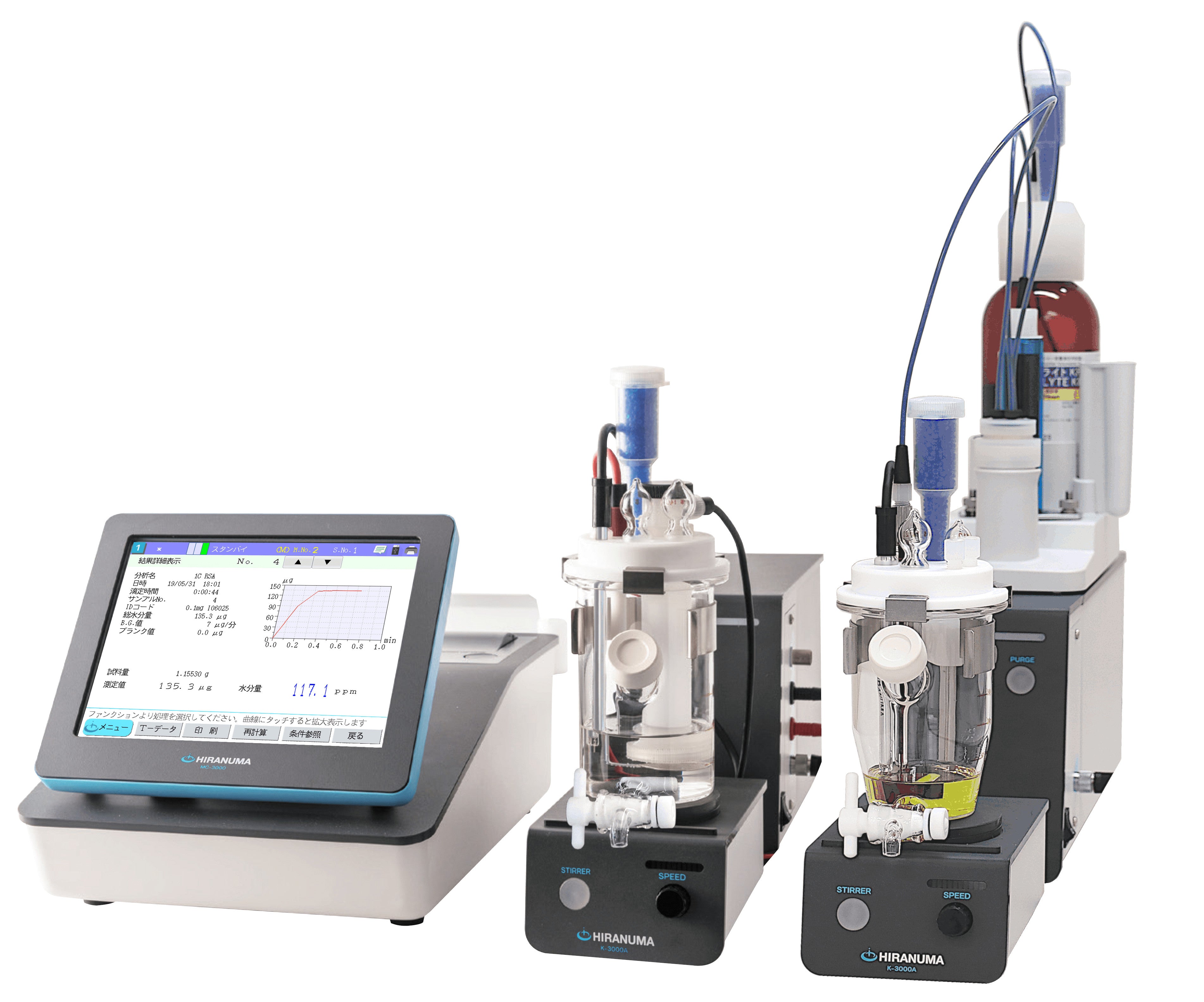
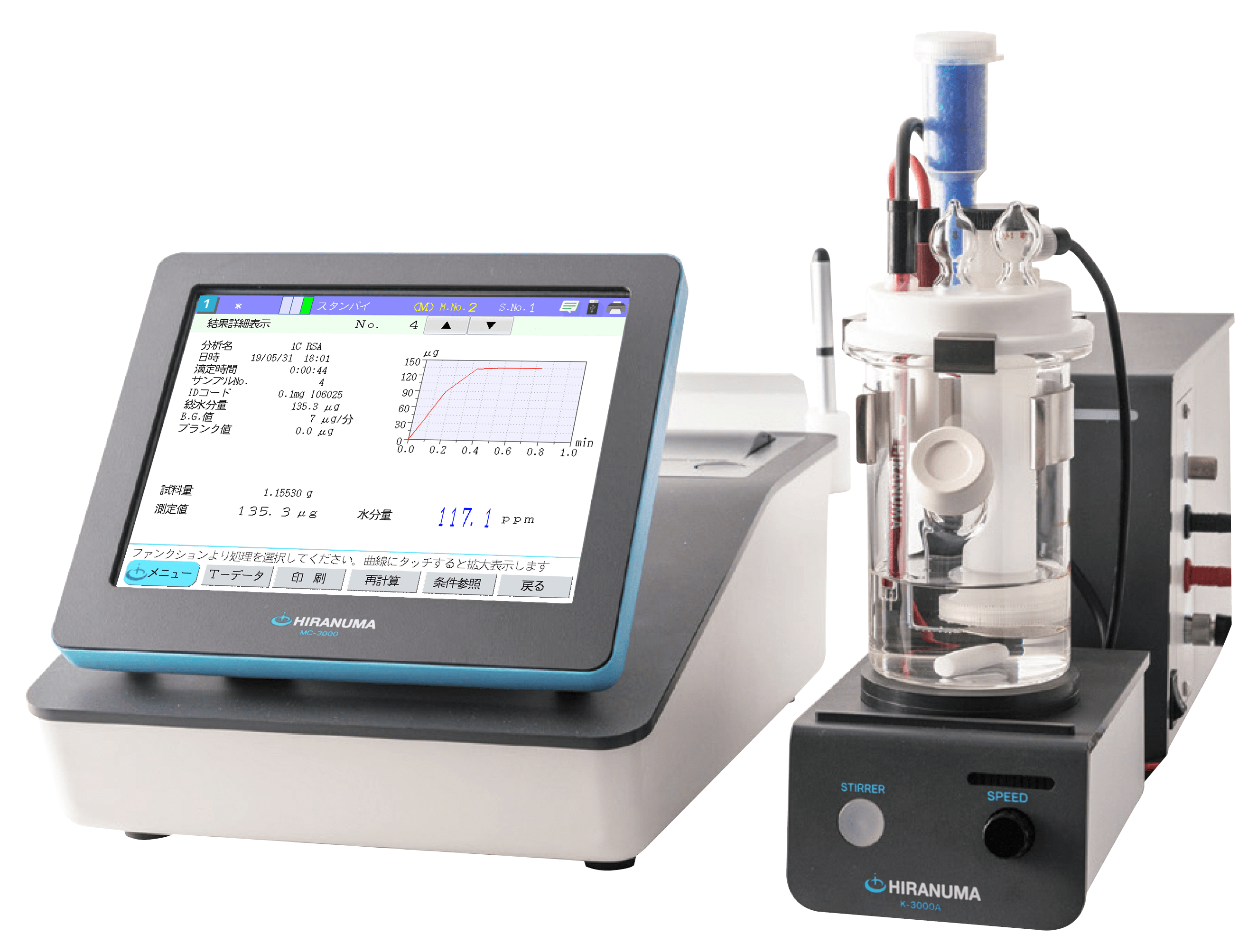
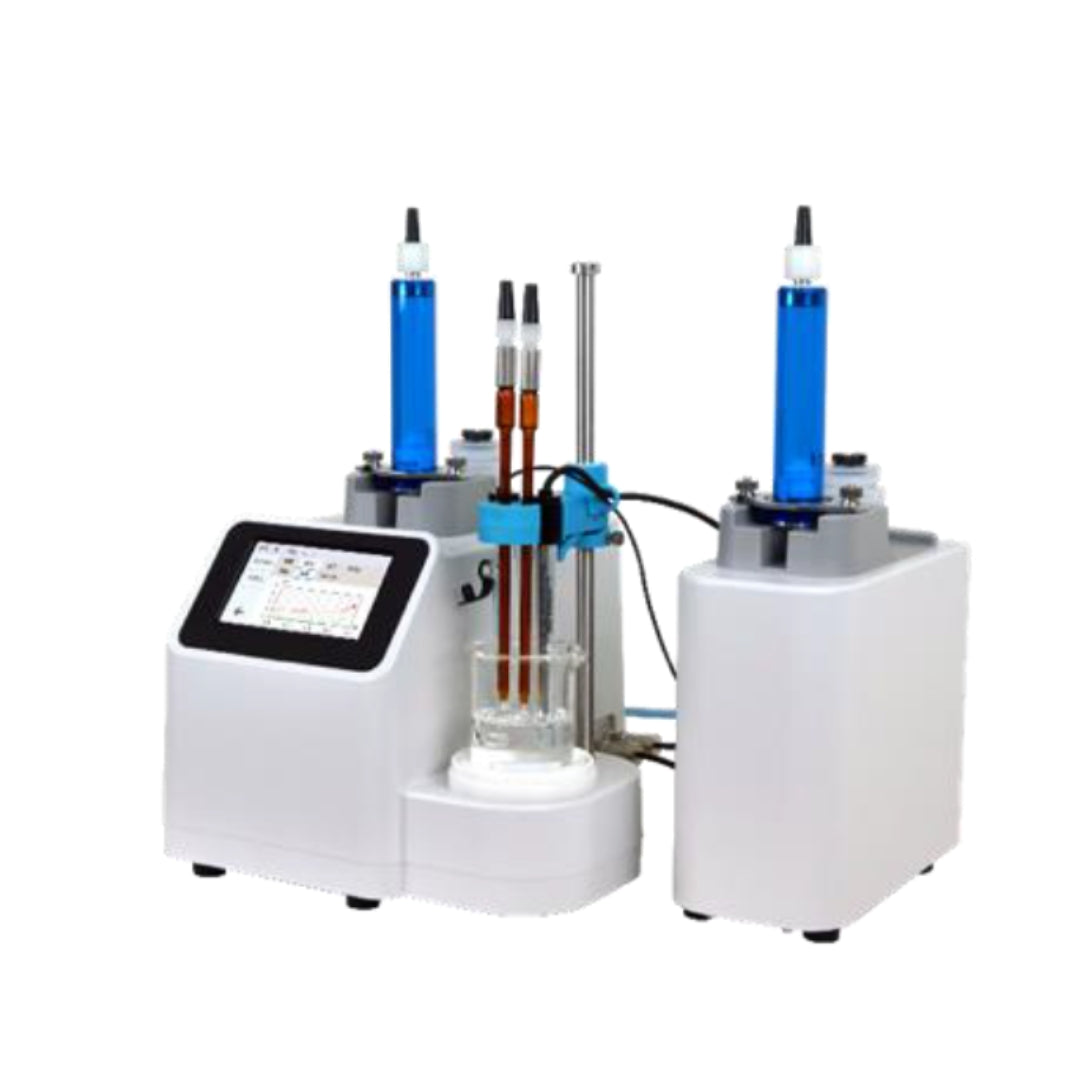
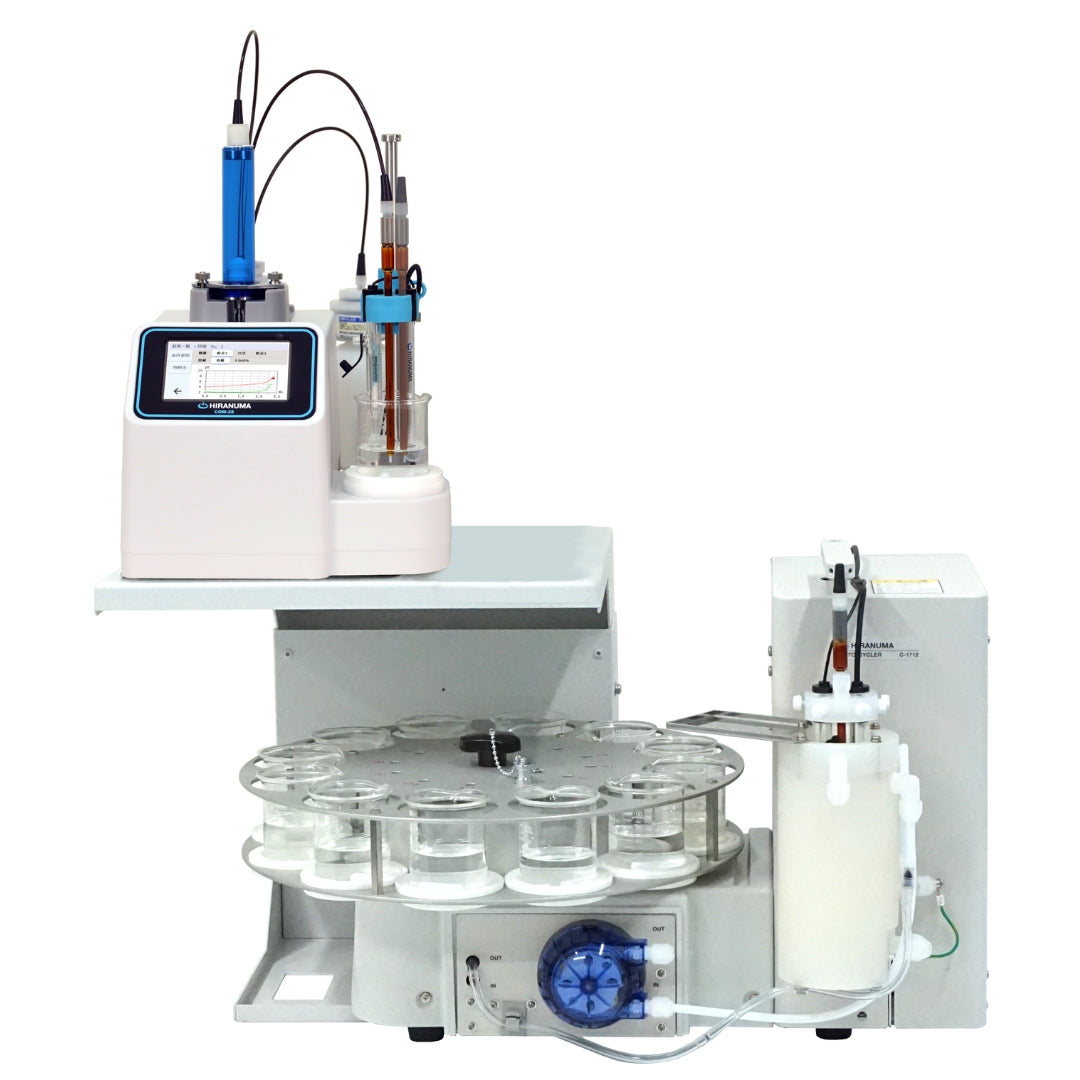
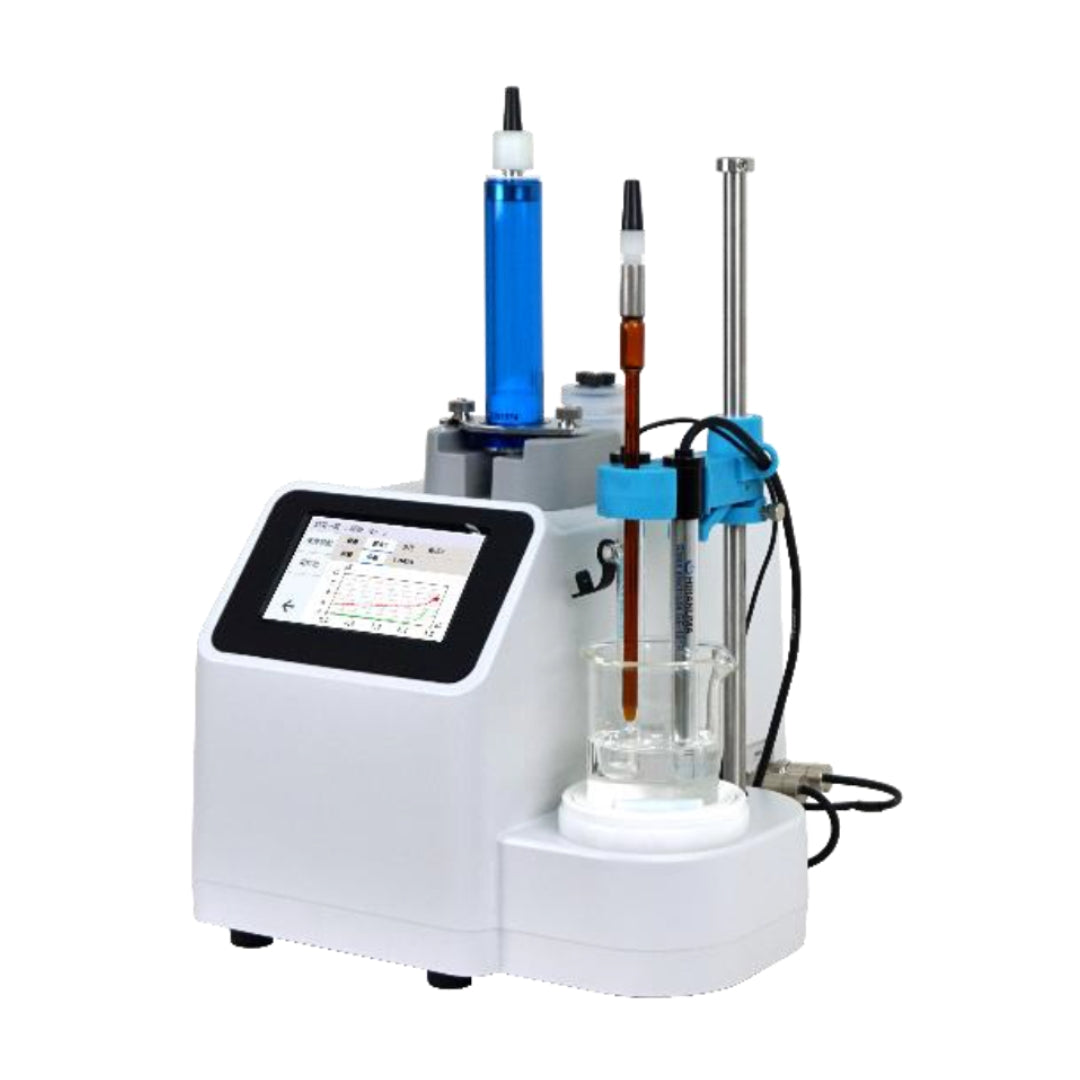
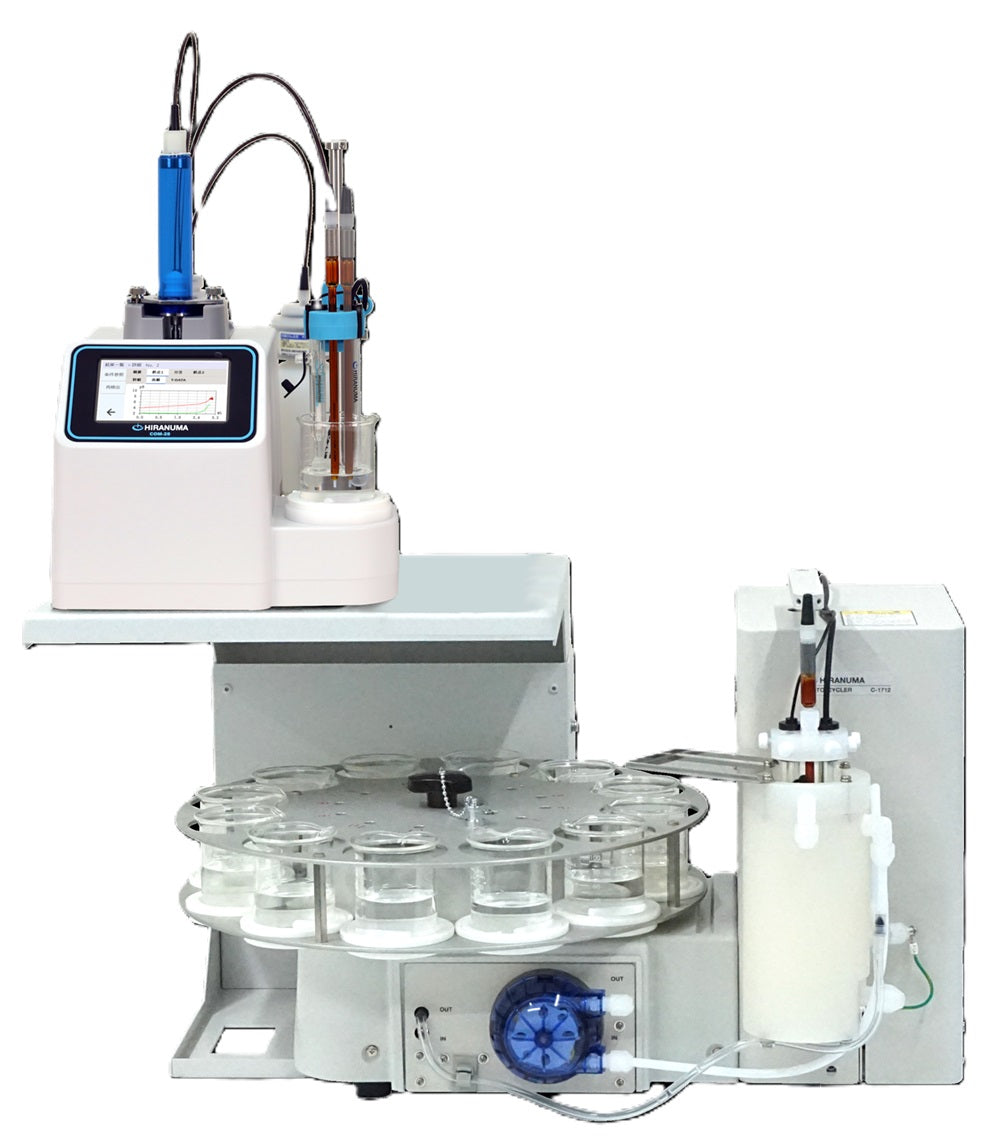
Using a system such as the Hiranuma COM-A19, copper concentration can be determined using automated redox titration with precise endpoint detection.
This provides:
- Improved accuracy
- Consistent repeatability
- Reduced operator dependency
Typical Procedure
- Sample is measured and diluted
- Potassium iodide is added to generate iodine
- Titration is performed with sodium thiosulfate
- Endpoint is detected automatically using a platinum electrode
- Copper concentration is calculated and reported
Key Advantages
1. Accurate Endpoint Detection
Eliminates subjective visual interpretation.
2. Improved Repeatability
Consistent results across operators and shifts.
3. Efficient Workflow
Fast and suitable for routine QC environments.
4. Process Standardization
Enables consistent testing across multiple plating lines or facilities.
Typical Applications
- Copper sulfate plating baths
- PCB manufacturing processes
- Decorative and functional plating
- Industrial surface treatment lines
Copper analysis is often performed alongside:
- Acid concentration (sulfuric acid)
- Chloride contamination
- Additive monitoring
Conclusion
Accurate determination of copper concentration is essential for maintaining stable and consistent plating performance. Automated redox titration provides a reliable, repeatable, and efficient method for routine analysis in industrial plating environments.
Related Plating Applications
- Chloride Determination in Plating Baths
- Acid and Total Acid Control in Phosphate Baths
- Boric Acid in Nickel Plating Baths
- Chromium Plating Analysis
- Nickel Analysis in Nickel Plating Baths
Call to Action
For more information on automated titration solutions for plating bath analysis, contact JM Science to discuss your application.
“Explore all Plating & Surface Treatment Applications”
Contact Info: sales@jmscience.com; Tel: 716-774-8706