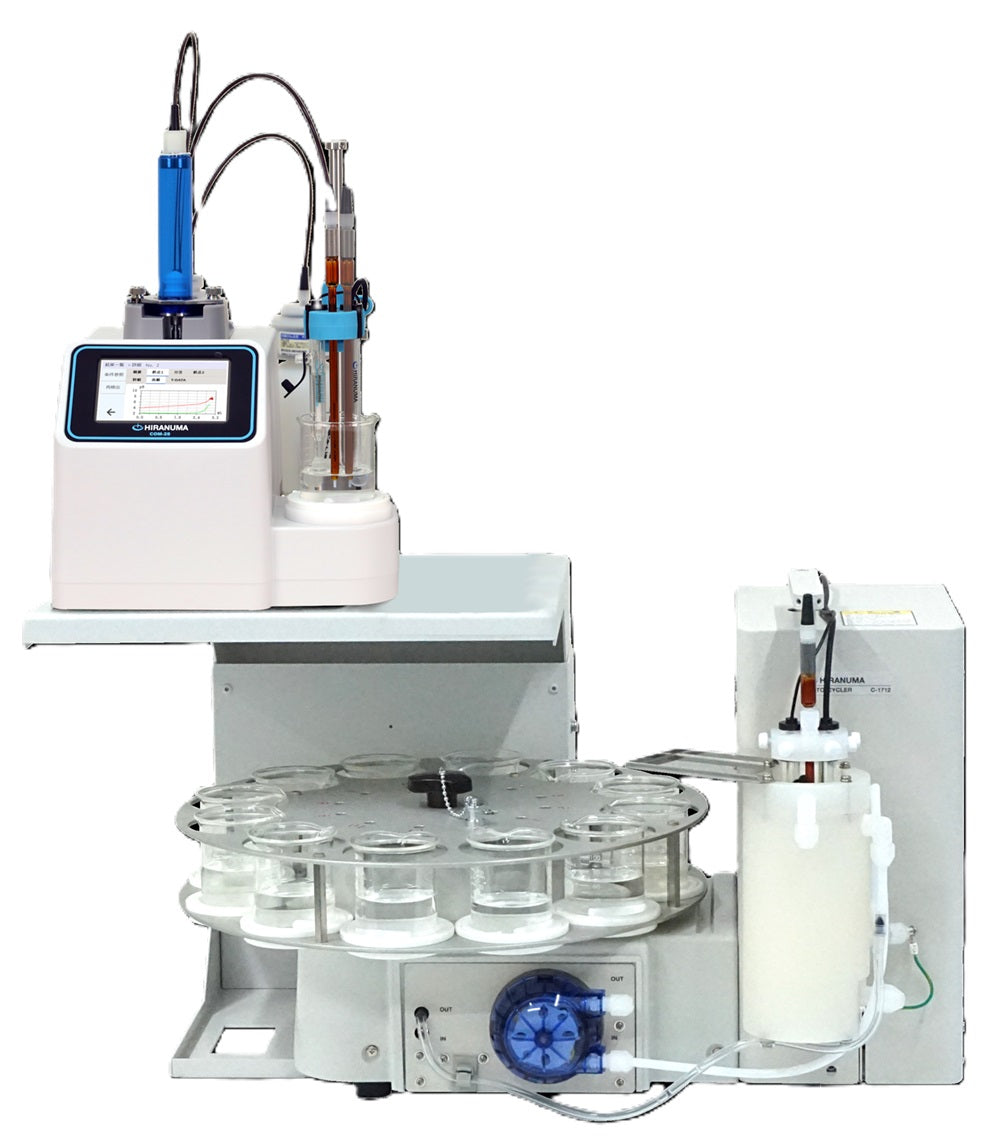
Acid and Total Acid Control in Phosphate Baths Using Potentiometric Titration
Phosphate coating systems—commonly used in automotive, industrial, and metal finishing applications—require tight control of bath chemistry to ensure consistent coating performance.
Among the most important parameters are free acid (FA) and total acid (TA), which directly influence coating formation, crystal structure, and corrosion resistance.
In many facilities, these measurements are still performed using manual titration methods, which can introduce variability and reduce process control.
Automated potentiometric titration provides a more accurate and repeatable solution for routine phosphate bath monitoring.
Why Free Acid and Total Acid Matter
Phosphate baths rely on a carefully balanced chemical system.
- Free Acid (FA) represents the active acid available for surface reaction
- Total Acid (TA) represents the total titratable acidity in the bath
The FA/TA ratio is critical for:
- Coating weight and uniformity
- Surface coverage and adhesion
- Crystal structure formation
- Corrosion resistance
If this balance is not maintained, common issues include:
- Poor or incomplete coating formation
- Excessive sludge generation
- Inconsistent product quality
- Increased rework and scrap
Traditional Method Challenges
Manual titration methods typically rely on:
- Visual indicators
- Color changes
- Operator interpretation
This creates several challenges:
- Subjective endpoint detection
- Operator-to-operator variability
- Difficulty with colored or contaminated baths
In high-throughput plating environments, these limitations can directly impact process stability.
Automated Potentiometric Titration
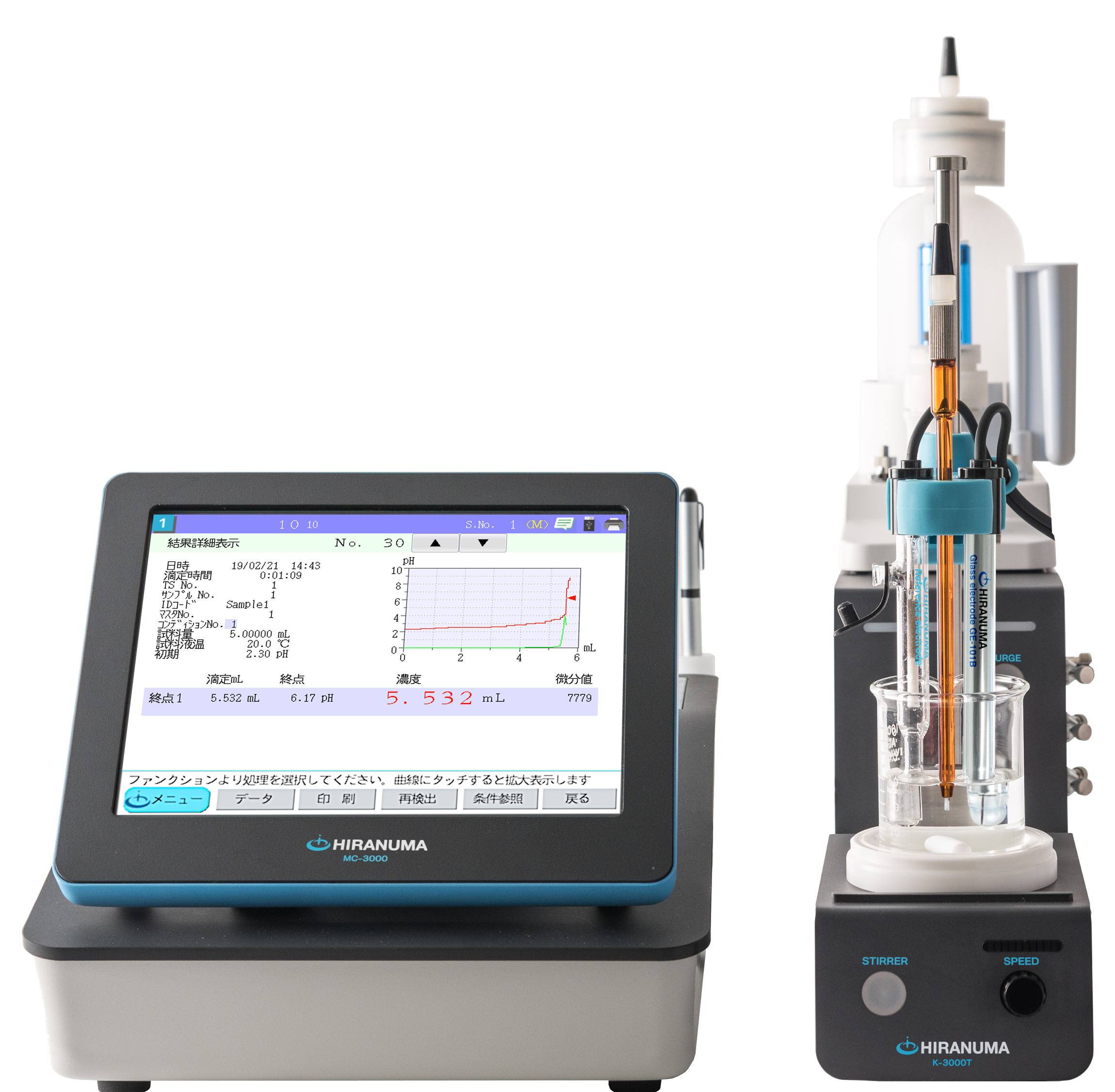
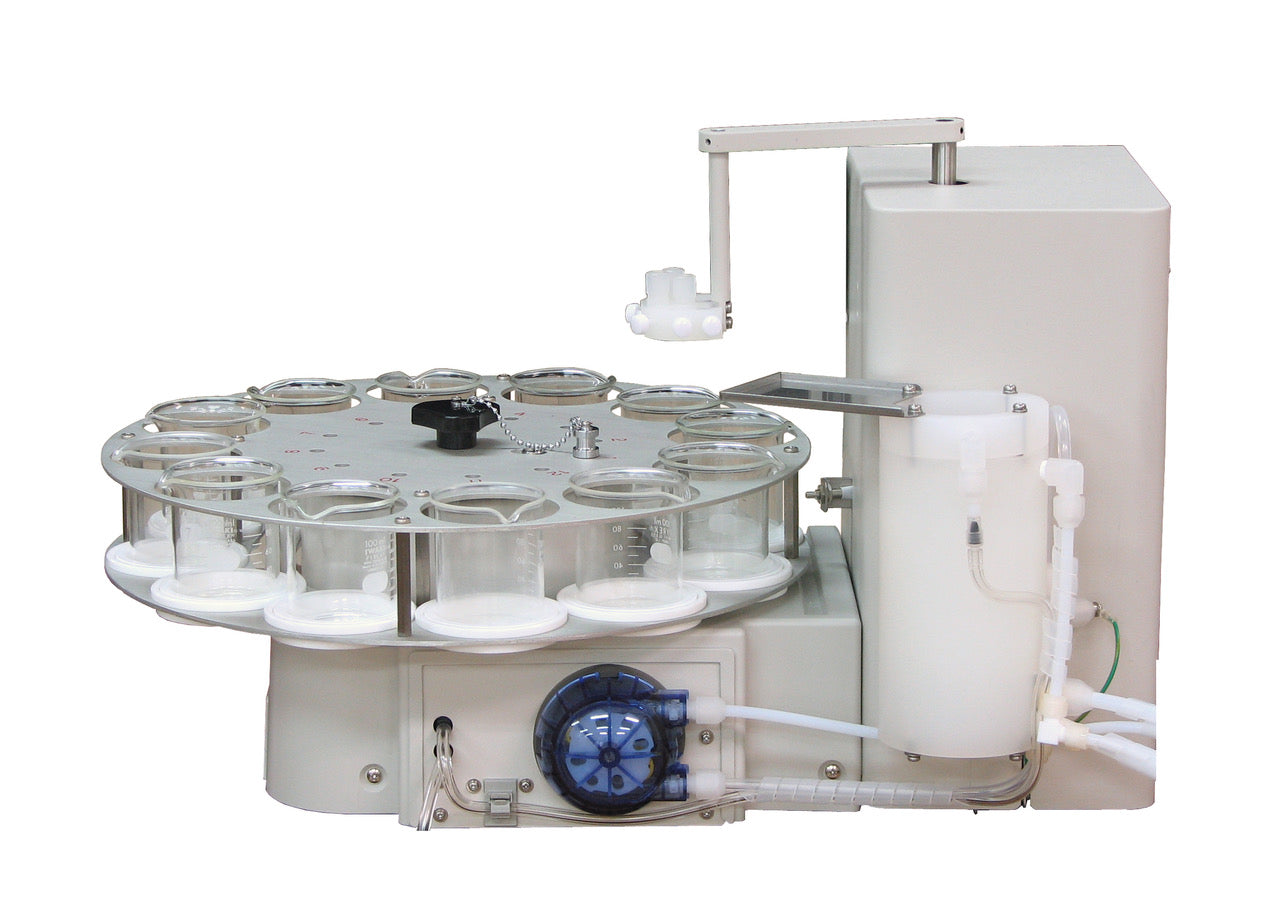
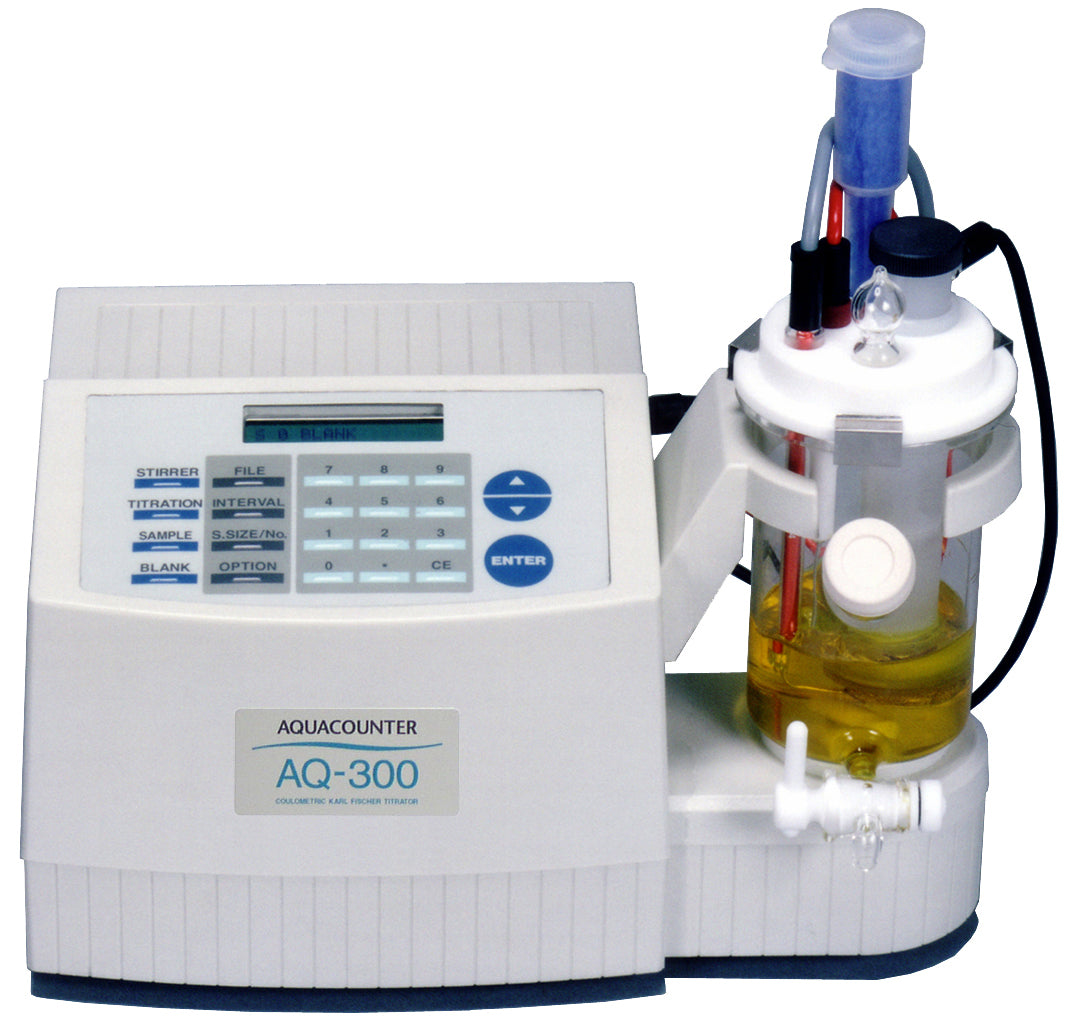
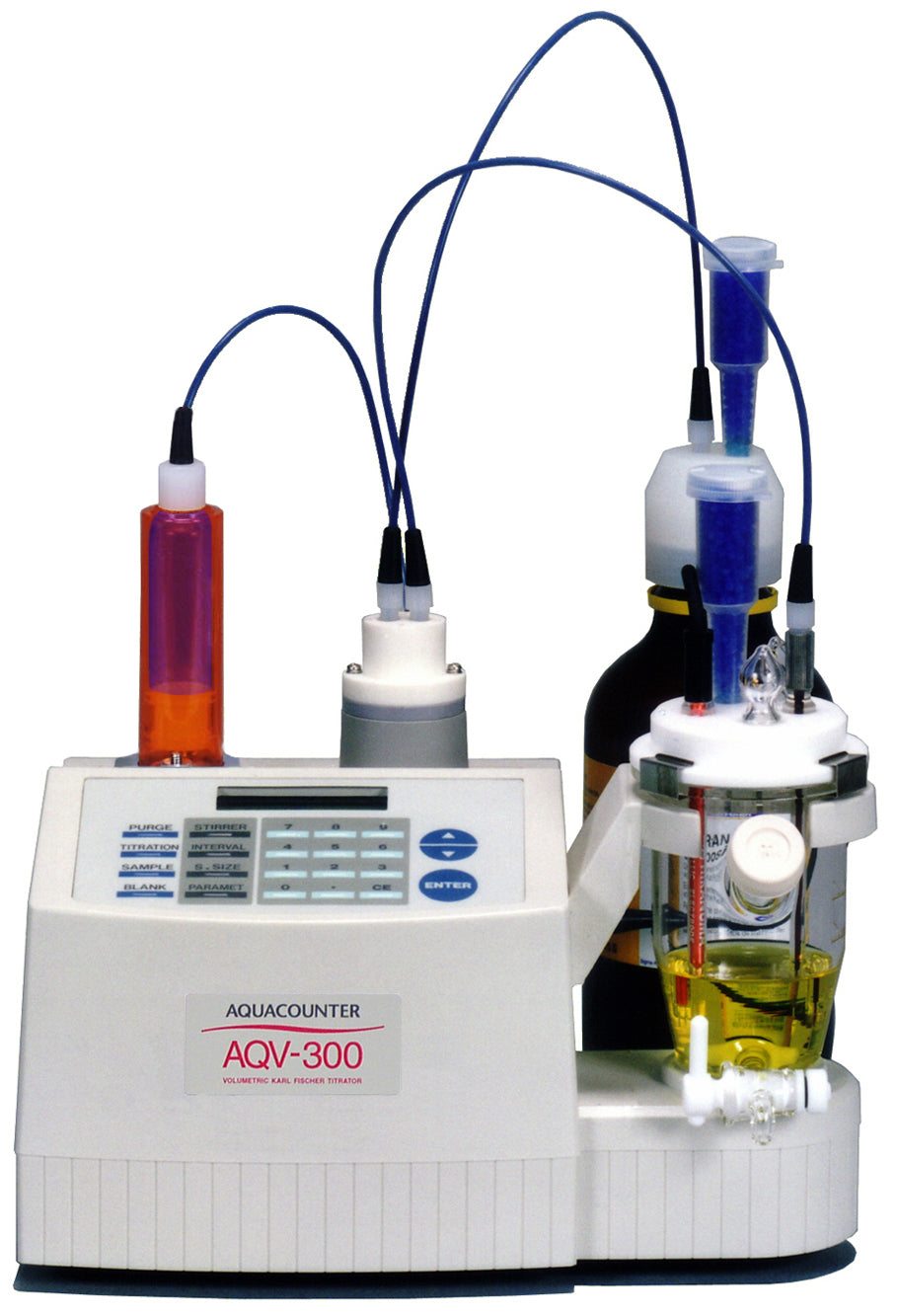
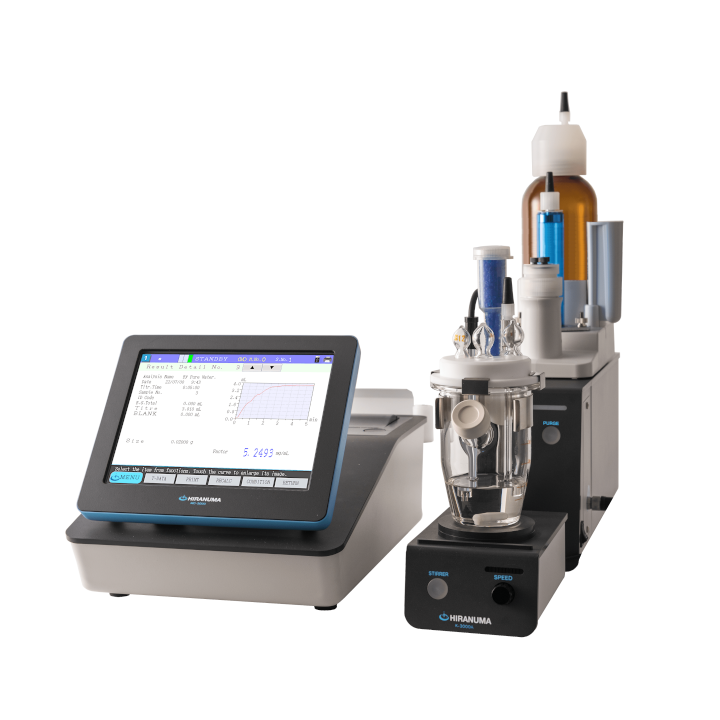
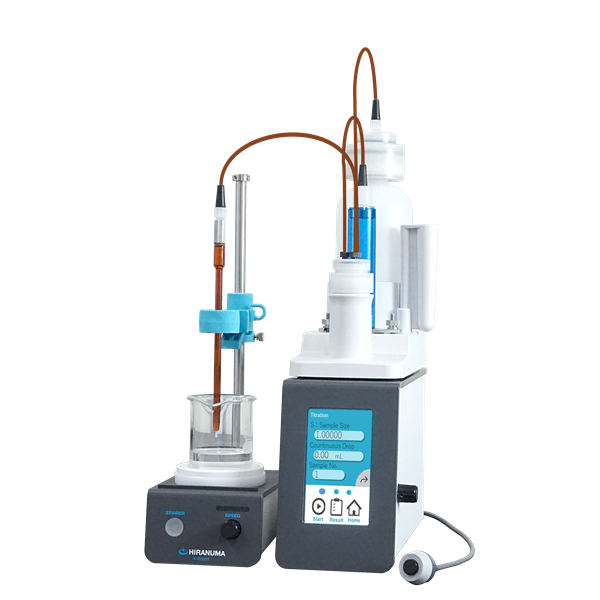
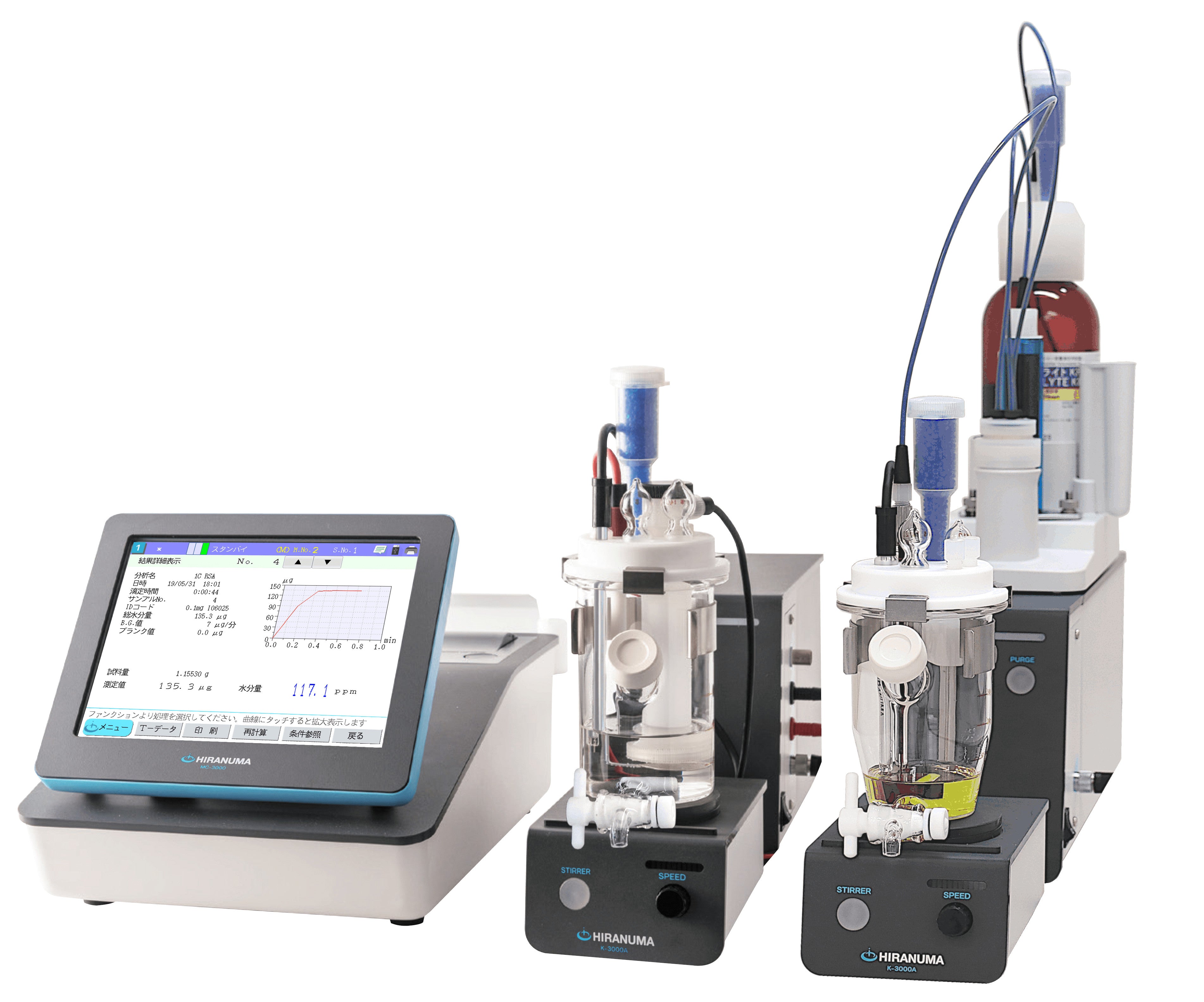
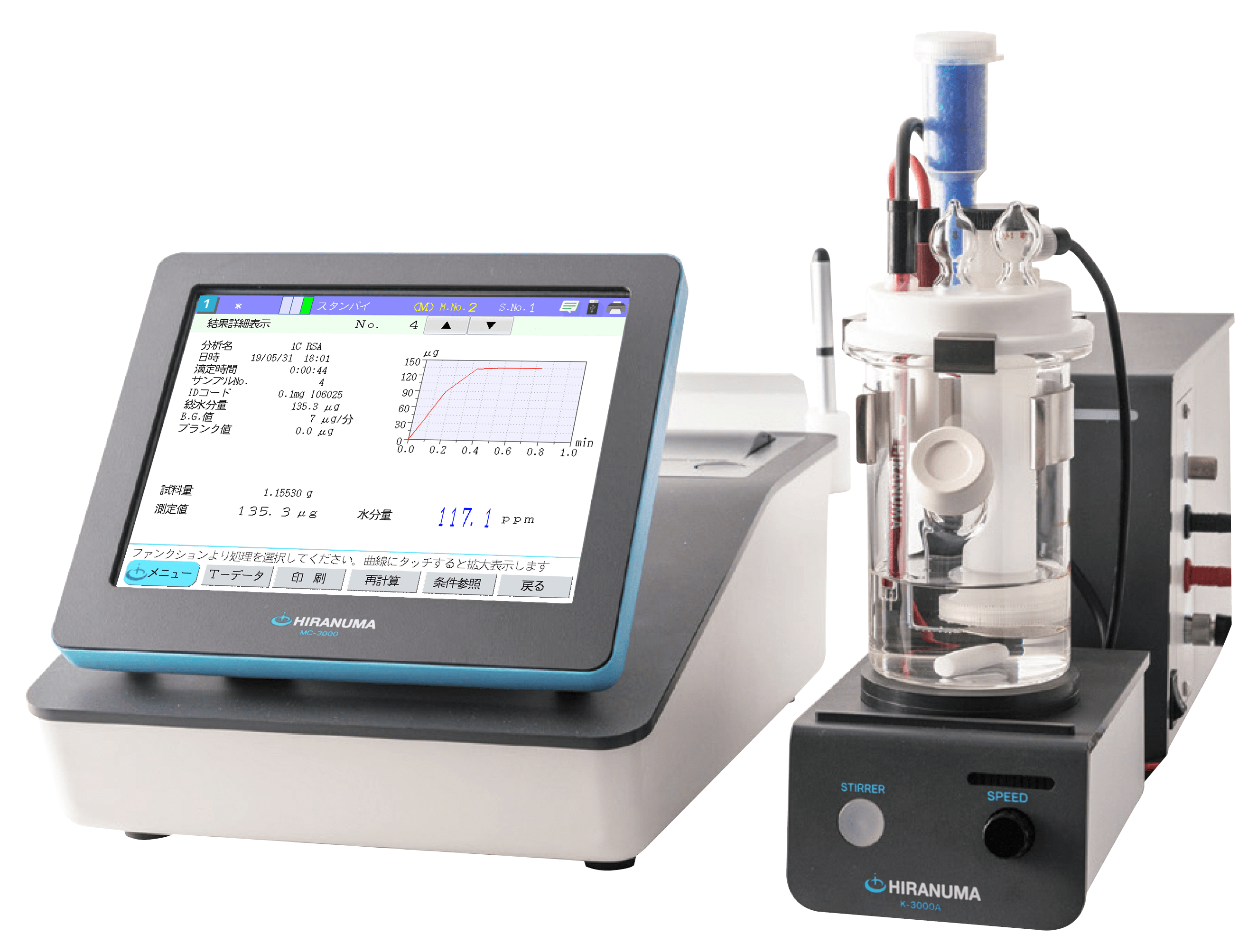
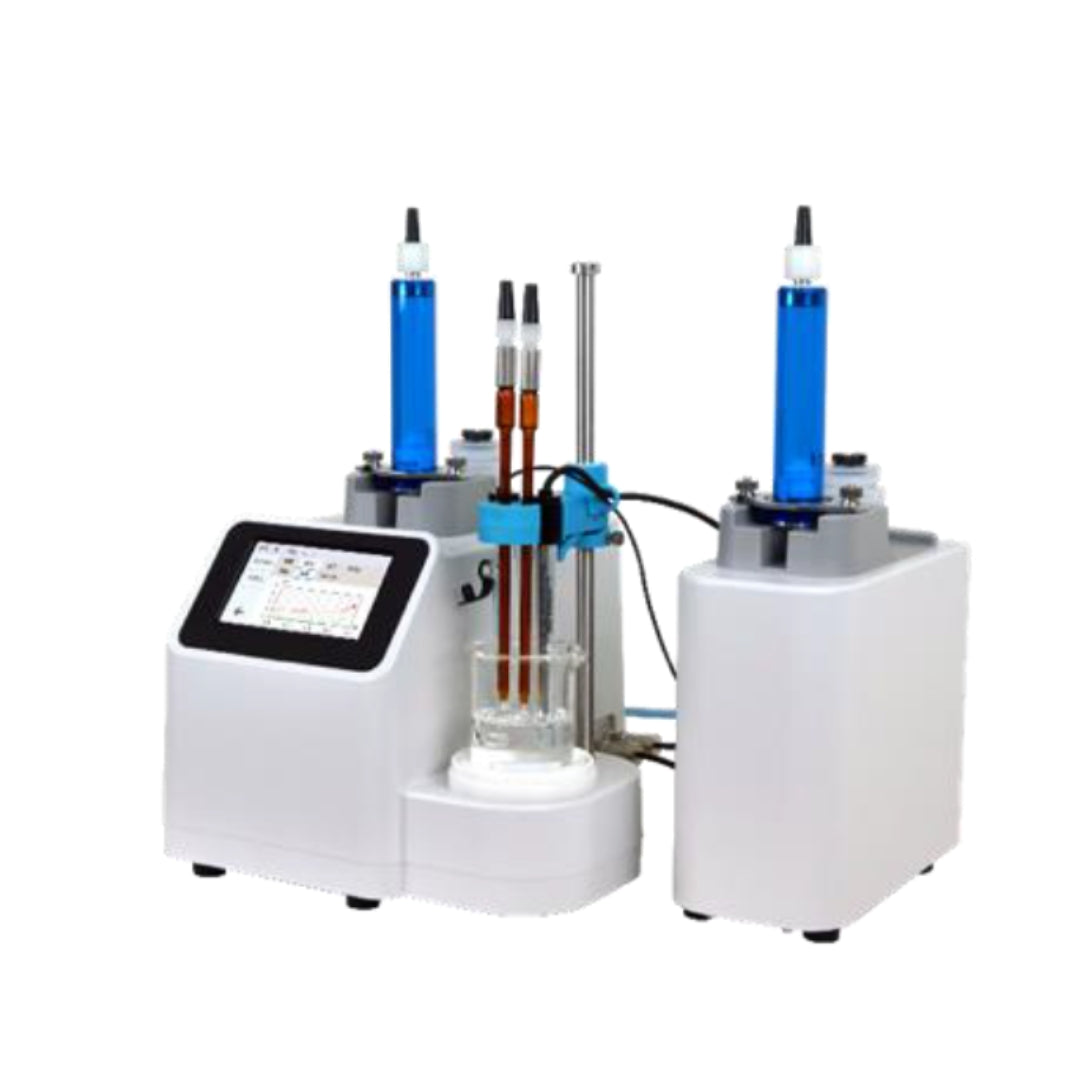
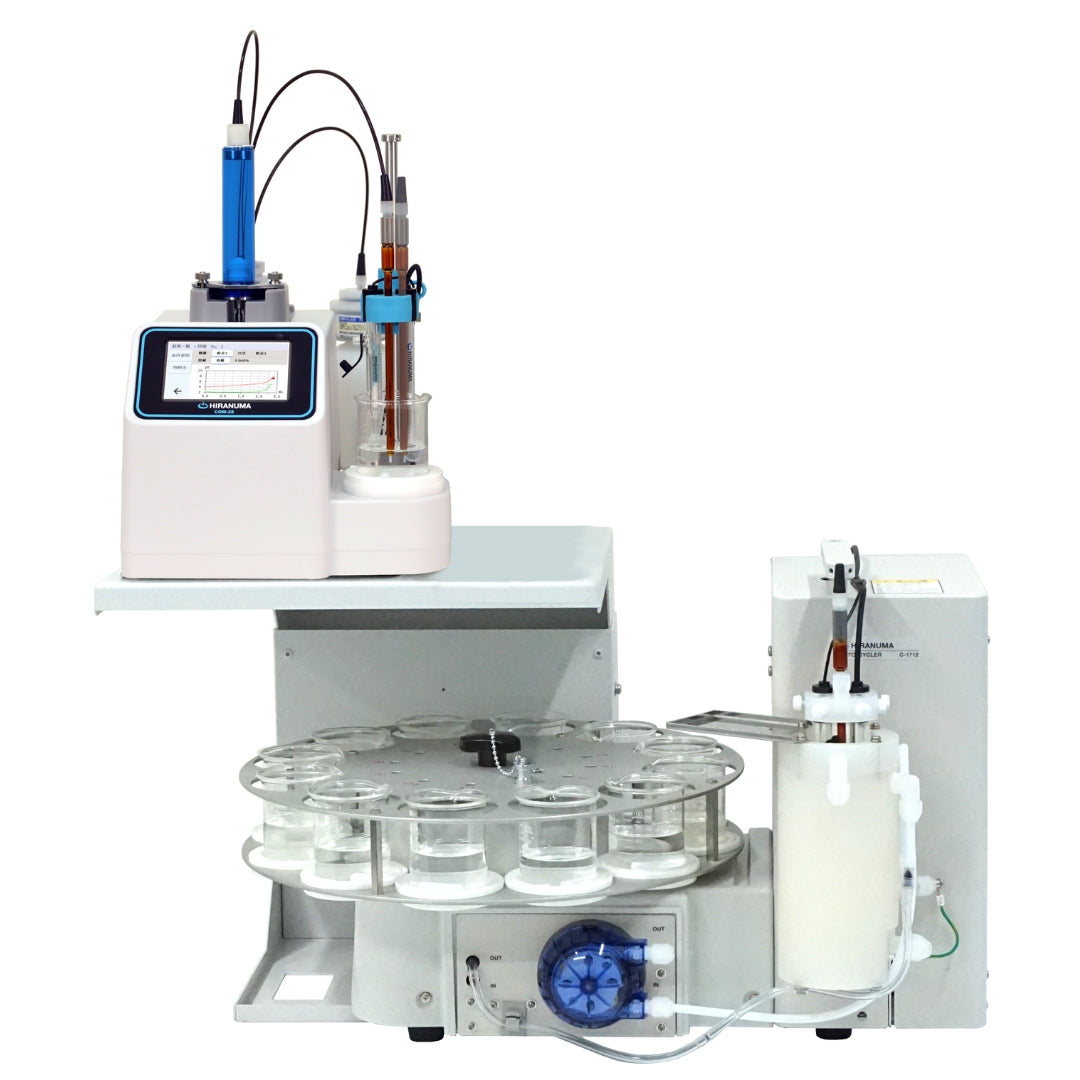
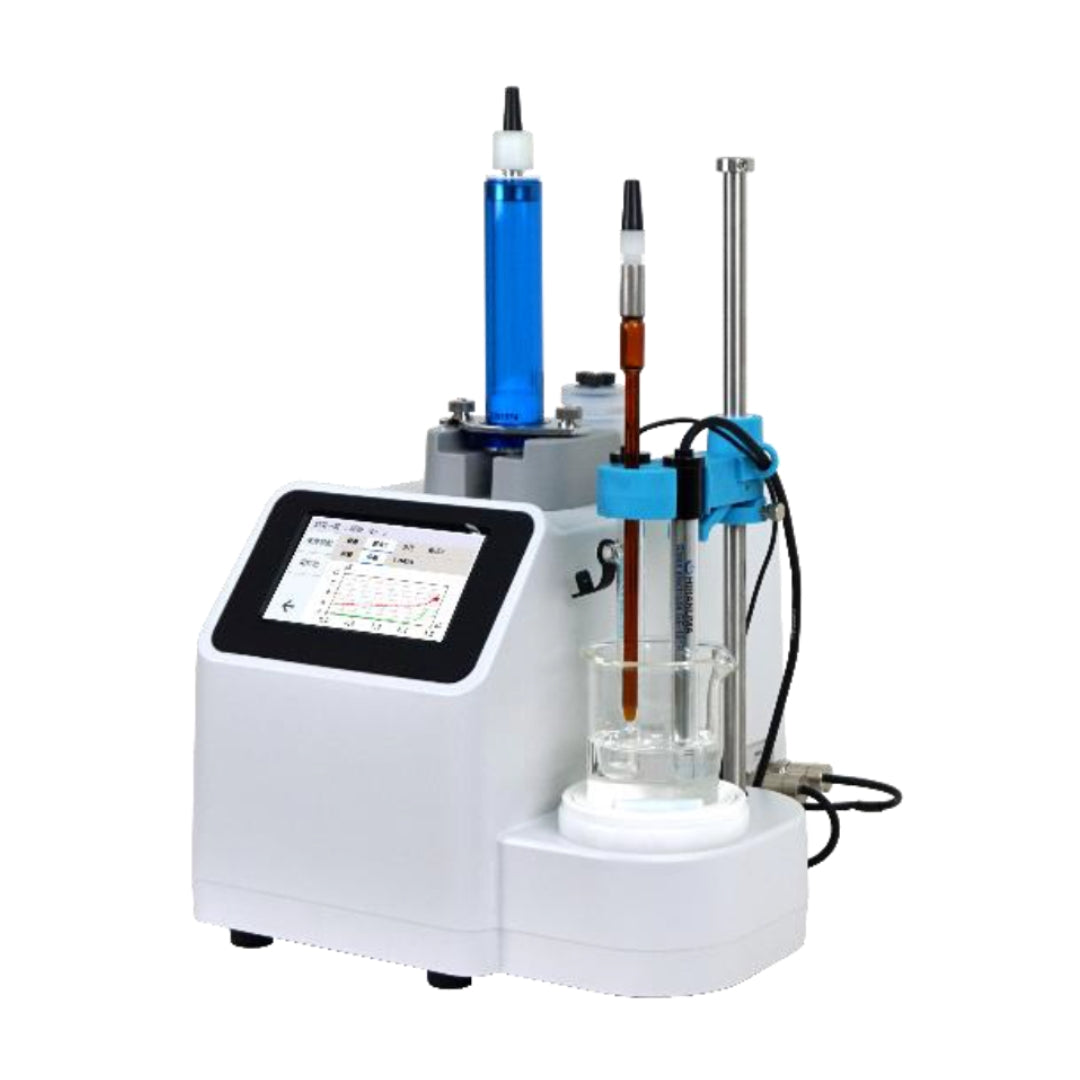
Using a system such as the Hiranuma COM-A19, both free acid and total acid can be determined in a single automated method.
Endpoints are detected potentiometrically, eliminating subjective interpretation and improving repeatability.
Typical Procedure Overview
- Measure and dilute the phosphate bath sample
- Titrate with standardized sodium hydroxide (NaOH)
- Detect multiple endpoints automatically:
- First endpoint → Free Acid
- Second endpoint → Total Acid
- Calculate FA, TA, and FA/TA ratio
Key Advantages
1. Accurate Multi-Endpoint Detection
Simultaneous determination of free acid and total acid in a single run.
2. Improved Repeatability
Consistent results regardless of operator experience.
3. Faster Analysis
Reduced manual steps and simplified workflows.
4. Process Standardization
Uniform testing across multiple baths or facilities.
Typical Applications
- Zinc phosphate coating baths
- Manganese phosphate systems
- Iron phosphate pretreatment lines
- General metal finishing operations
Acid control is often performed alongside:
- Chloride determination (contamination control)
- Metal ion analysis (Zn, Mn, Fe)
- Bath maintenance and replenishment monitoring
Conclusion
Accurate control of free acid and total acid is essential for maintaining consistent phosphate coating performance. Automated potentiometric titration provides a reliable and efficient alternative to manual methods, enabling improved process control and reduced variability.
Related Plating Applications
- Chloride Determination in Plating Baths Using Silver Nitrate Titration
- Nickel (Ni²⁺) Analysis in Nickel Plating Baths
- Copper Analysis in Copper Sulfate Plating Baths
- Boric Acid Analysis in Nickel Plating Baths
Call to Action
For more information on automated titration solutions for plating and surface treatment applications, contact JM Science to discuss your application.
“Explore all Plating & Surface Treatment Applications”
Contact Info: sales@jmscience.com; Tel: 716-774-8706