Tin (Sn²⁺) Analysis in Solder Plating Baths Using Redox Titration
Tin plating baths—commonly used in electronics, PCB manufacturing, and solder coating applications—require careful control of tin concentration to ensure consistent coating quality and reliable performance.
The primary species of interest is tin(II) (Sn²⁺), which actively participates in the plating process.
However, Sn²⁺ is chemically unstable and can be oxidized to tin(IV) (Sn⁴⁺) during normal operation, especially in the presence of oxygen.
This oxidation directly affects bath performance and must be carefully monitored.
Why Sn²⁺ Control Matters
In tin plating systems, Sn²⁺ concentration directly influences:
- Deposition rate
- Coating thickness
- Surface quality
- Process stability
Loss of Sn²⁺ due to oxidation can result in:
- Reduced plating efficiency
- Poor coating uniformity
- Increased defects
- Shortened bath life
Accurate measurement of Sn²⁺ is therefore essential for maintaining process control.
Analytical Principle
Tin (Sn²⁺) is typically determined using iodine-based redox titration.
- Sn²⁺ + I₂ → Sn⁴⁺ + 2I⁻
In this reaction:
- Iodine acts as the oxidizing agent
- Sn²⁺ is oxidized to Sn⁴⁺
This method provides a reliable way to quantify the active tin species in plating solutions.
Challenges in Tin Analysis
Tin analysis presents unique challenges compared to other plating metals:
1. Oxidation Sensitivity
Sn²⁺ is easily oxidized by air, which can lead to inaccurate results if not controlled.
2. Multiple Oxidation States
Presence of Sn⁴⁺ complicates analysis and requires selective measurement of Sn²⁺.
3. Interfering Components
Reducing agents or oxidizing species in the bath can affect titration accuracy.
Automated Potentiometric Titration
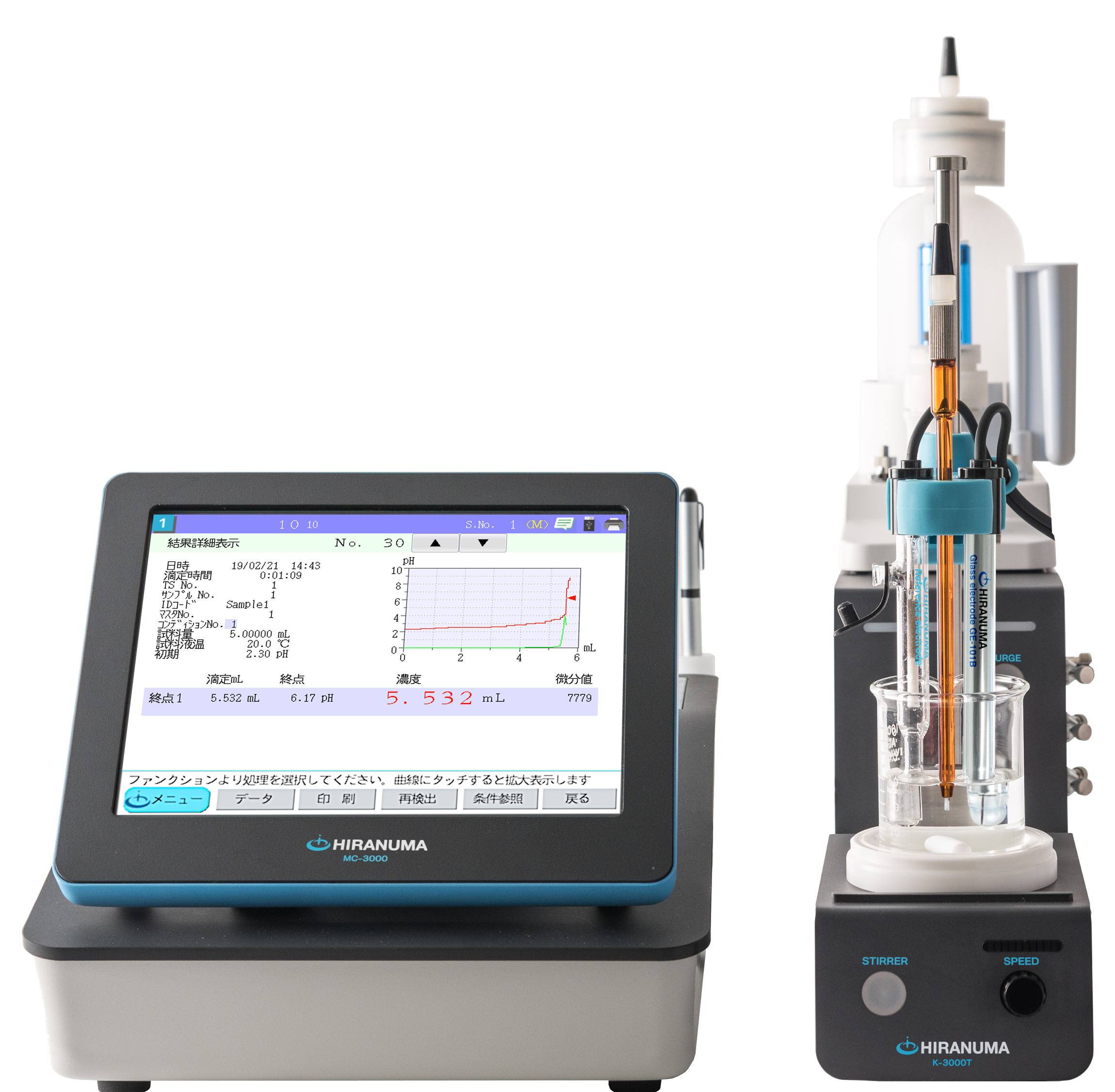
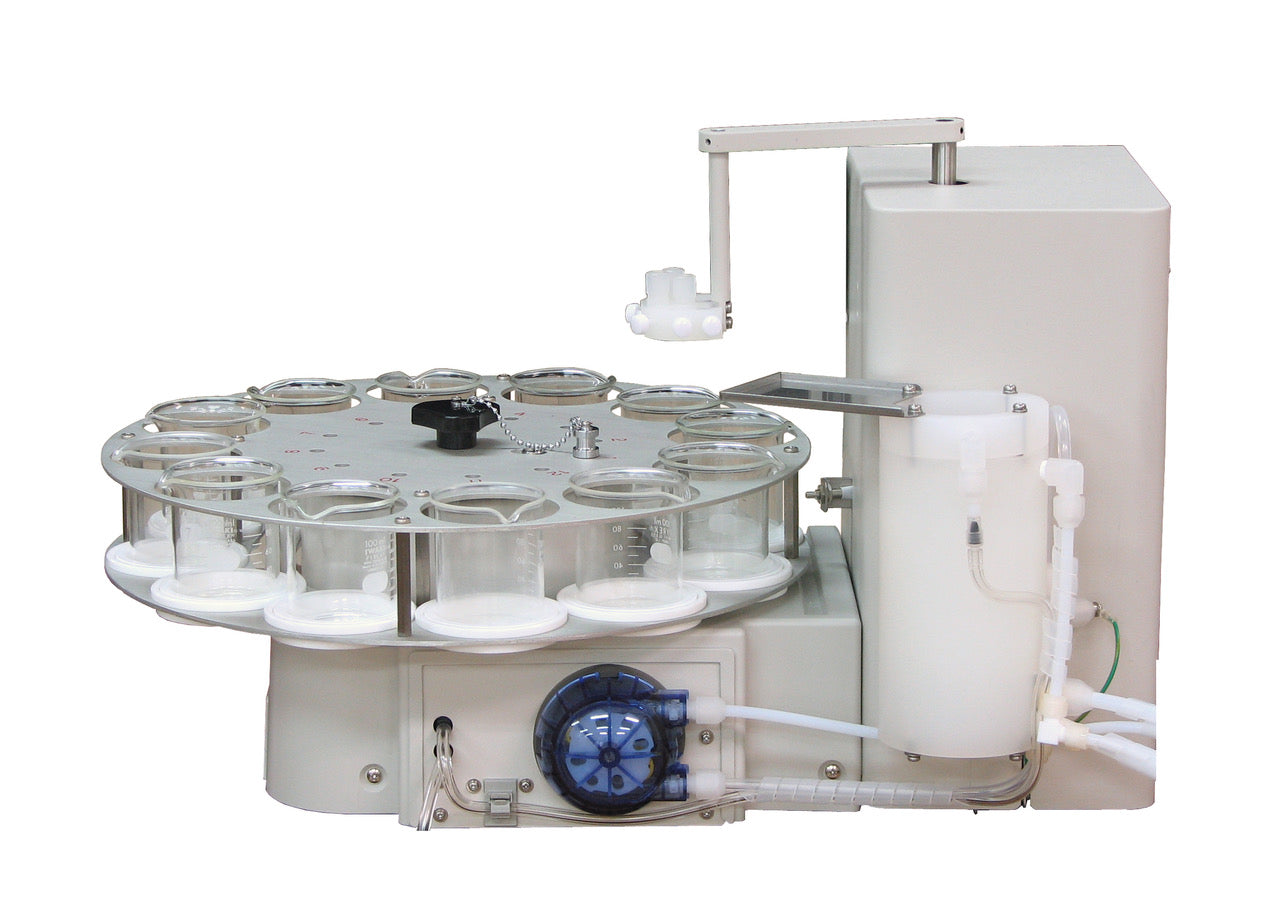
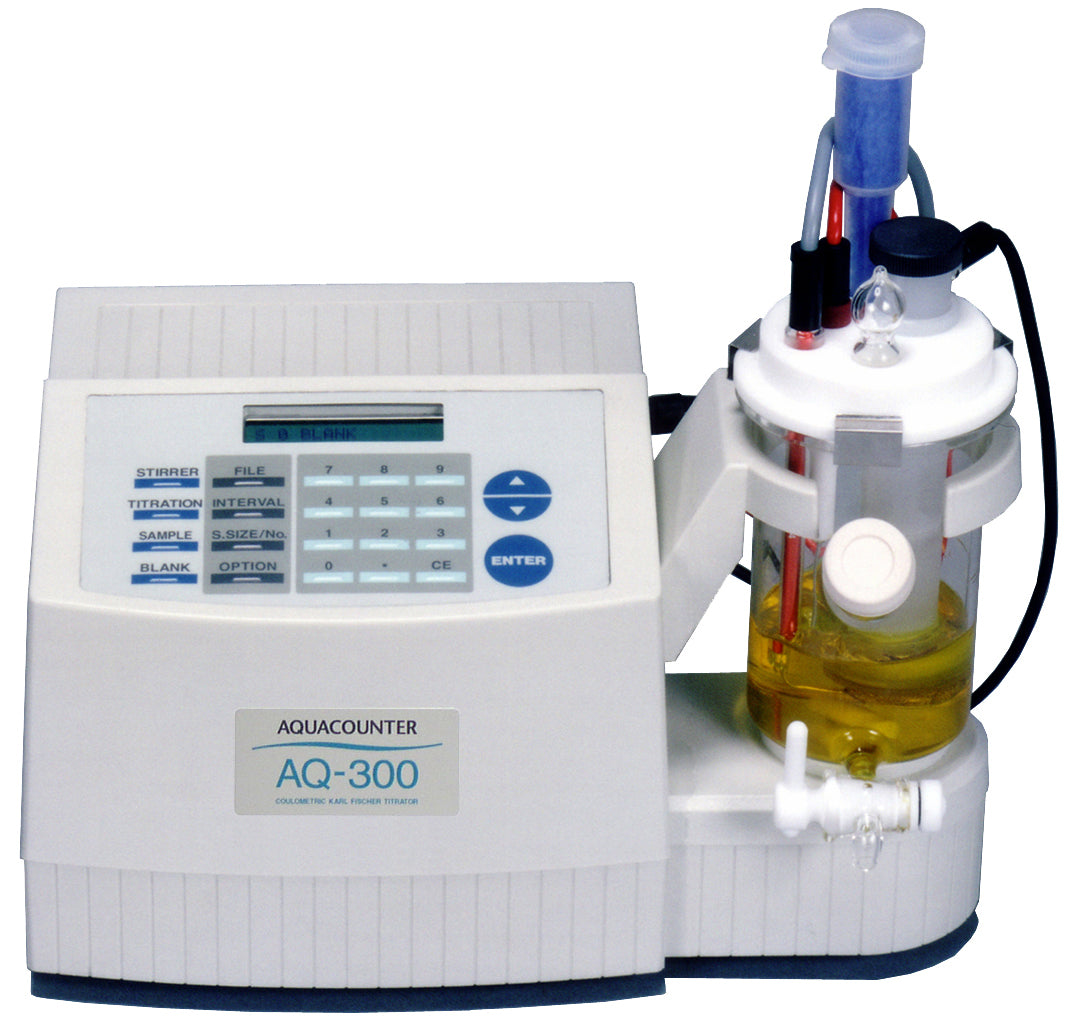
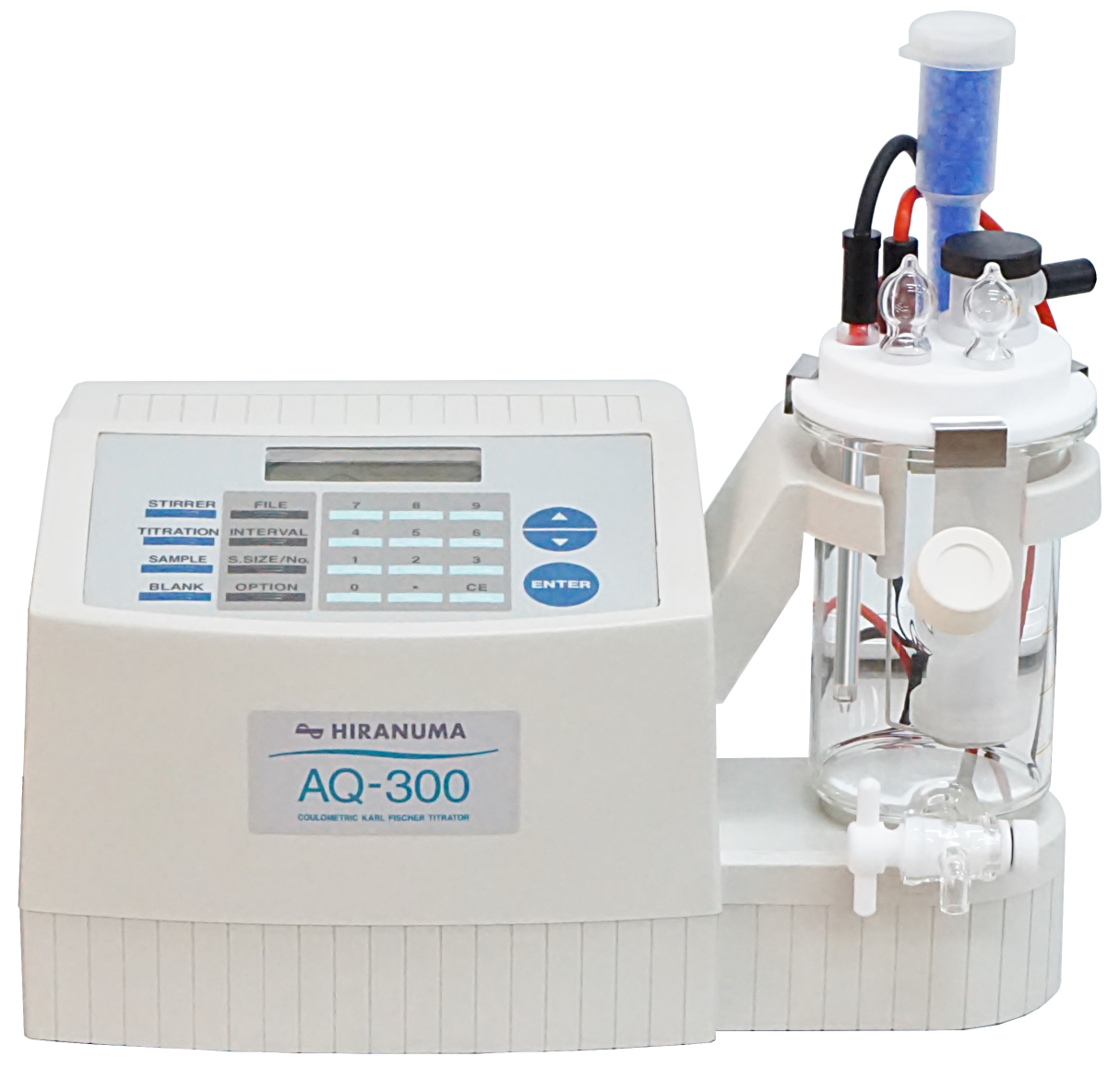
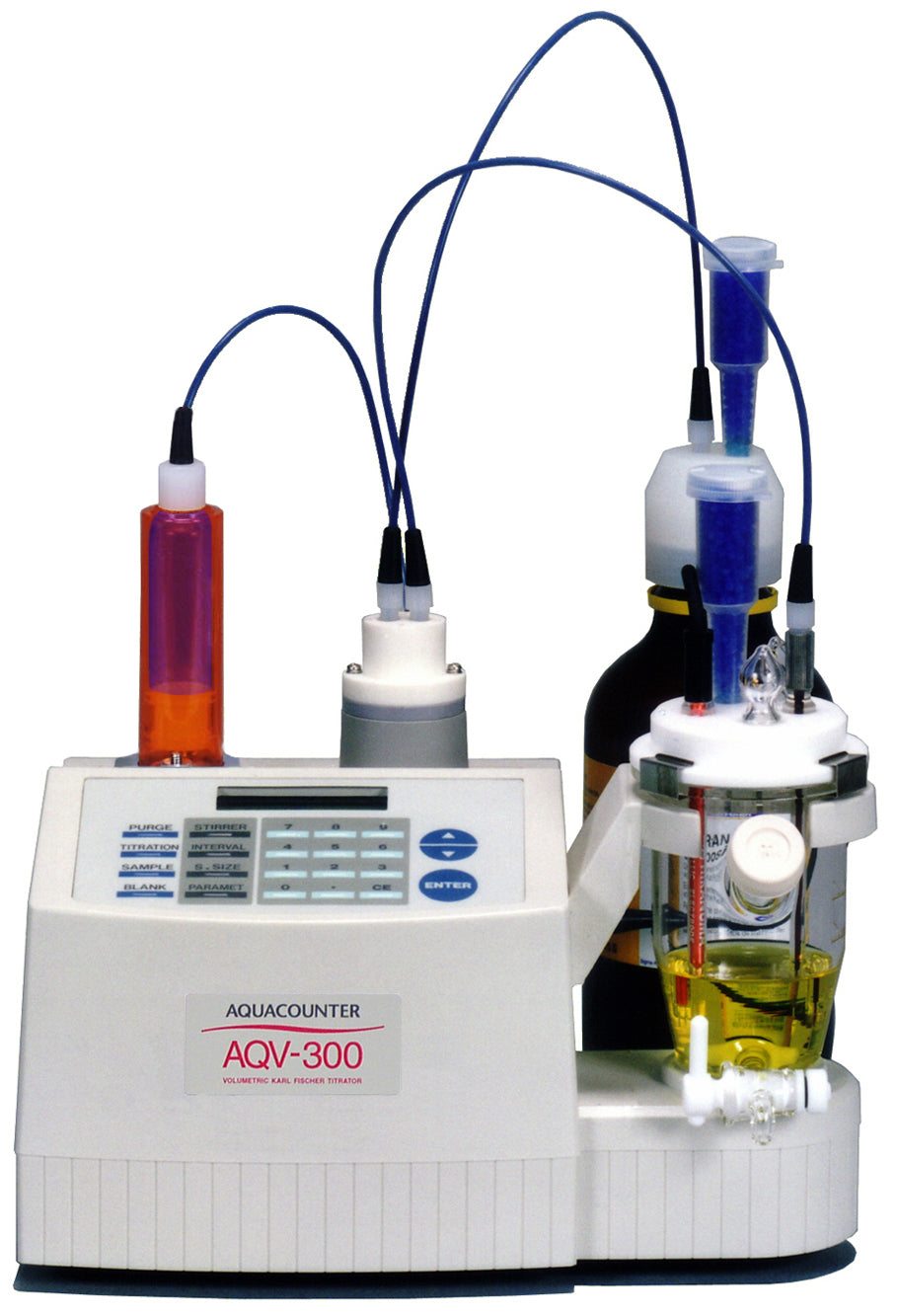
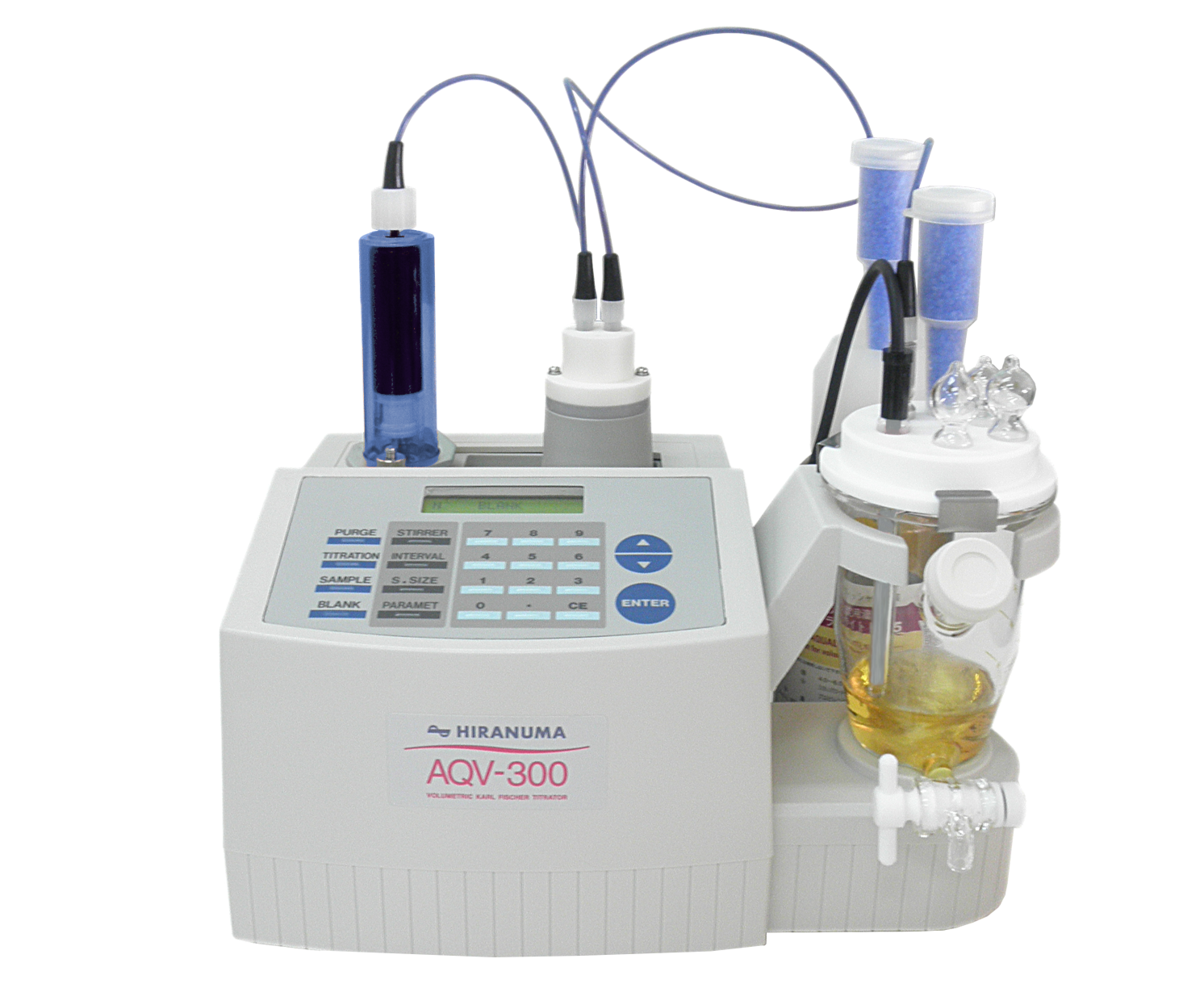
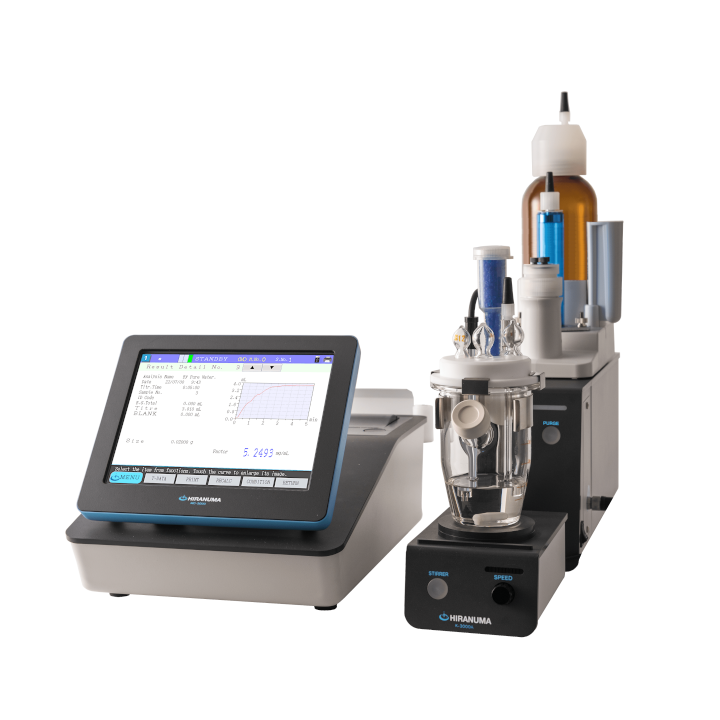
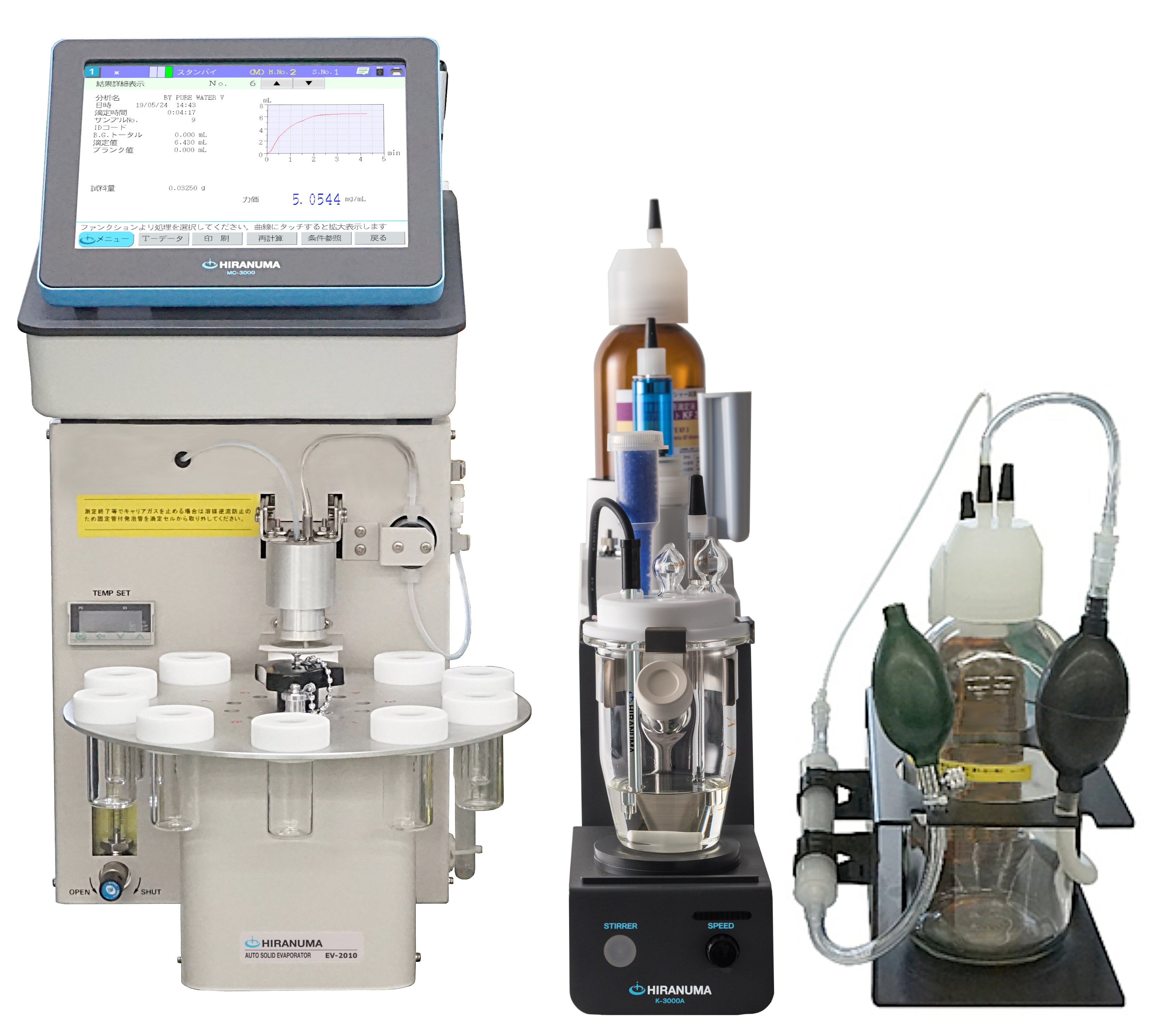
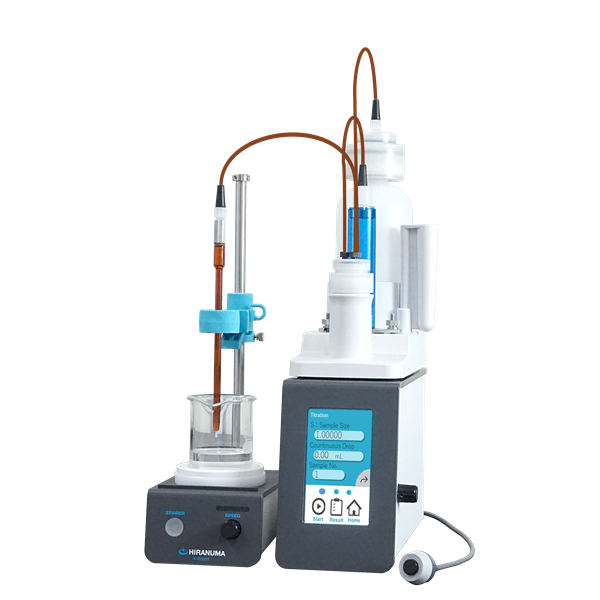
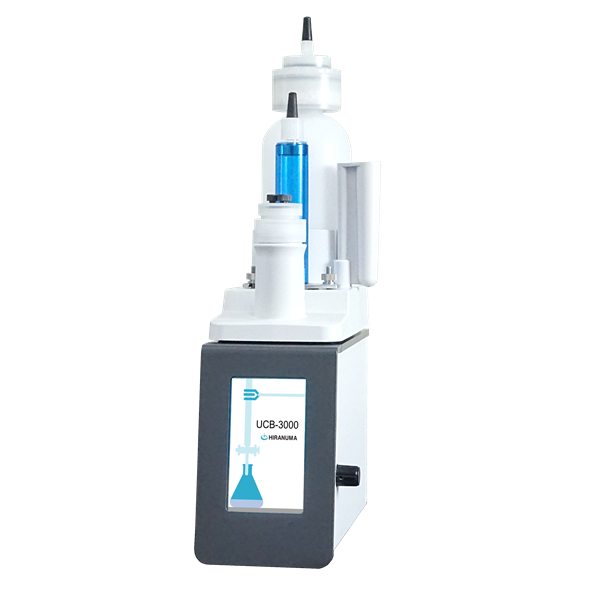
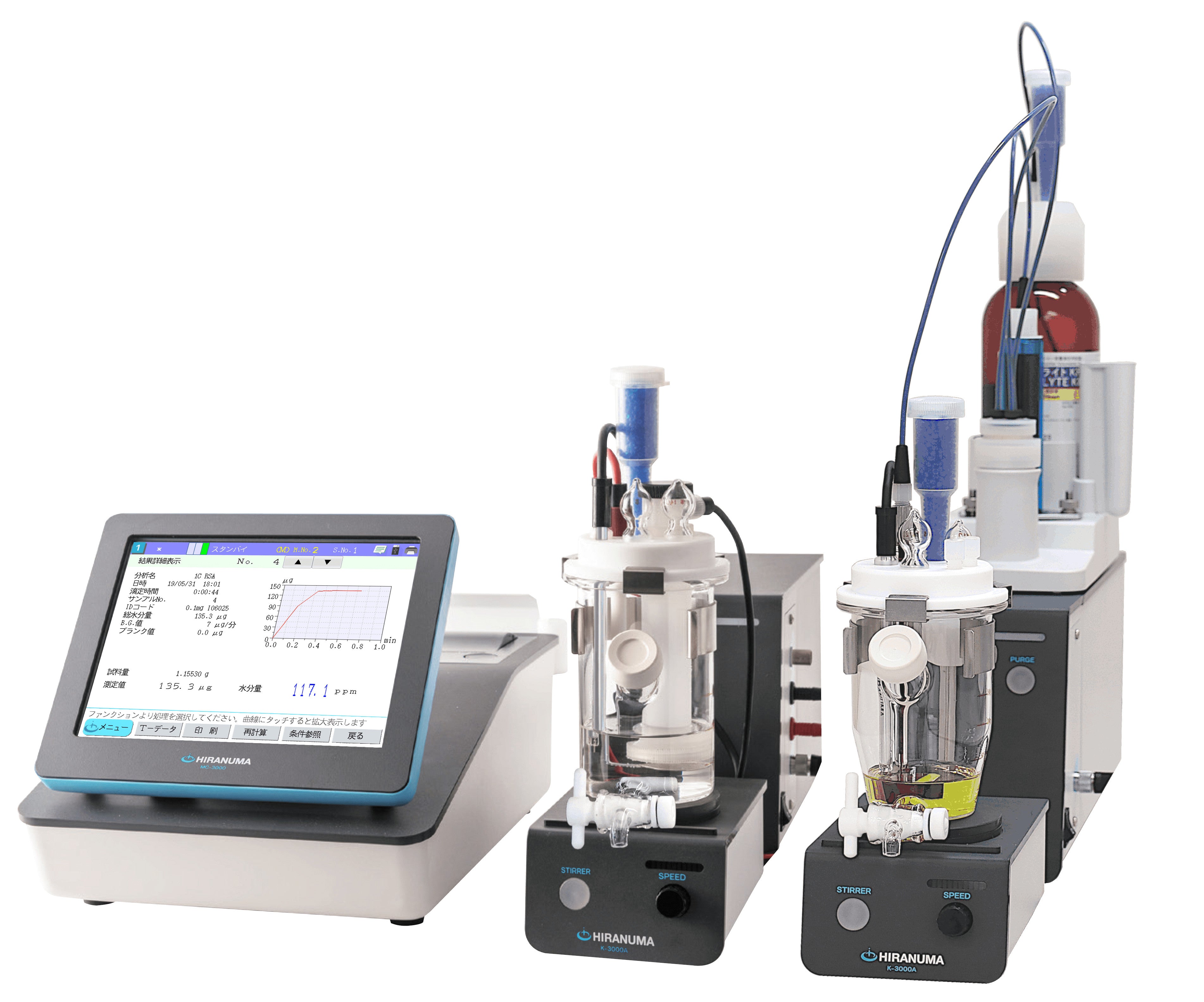
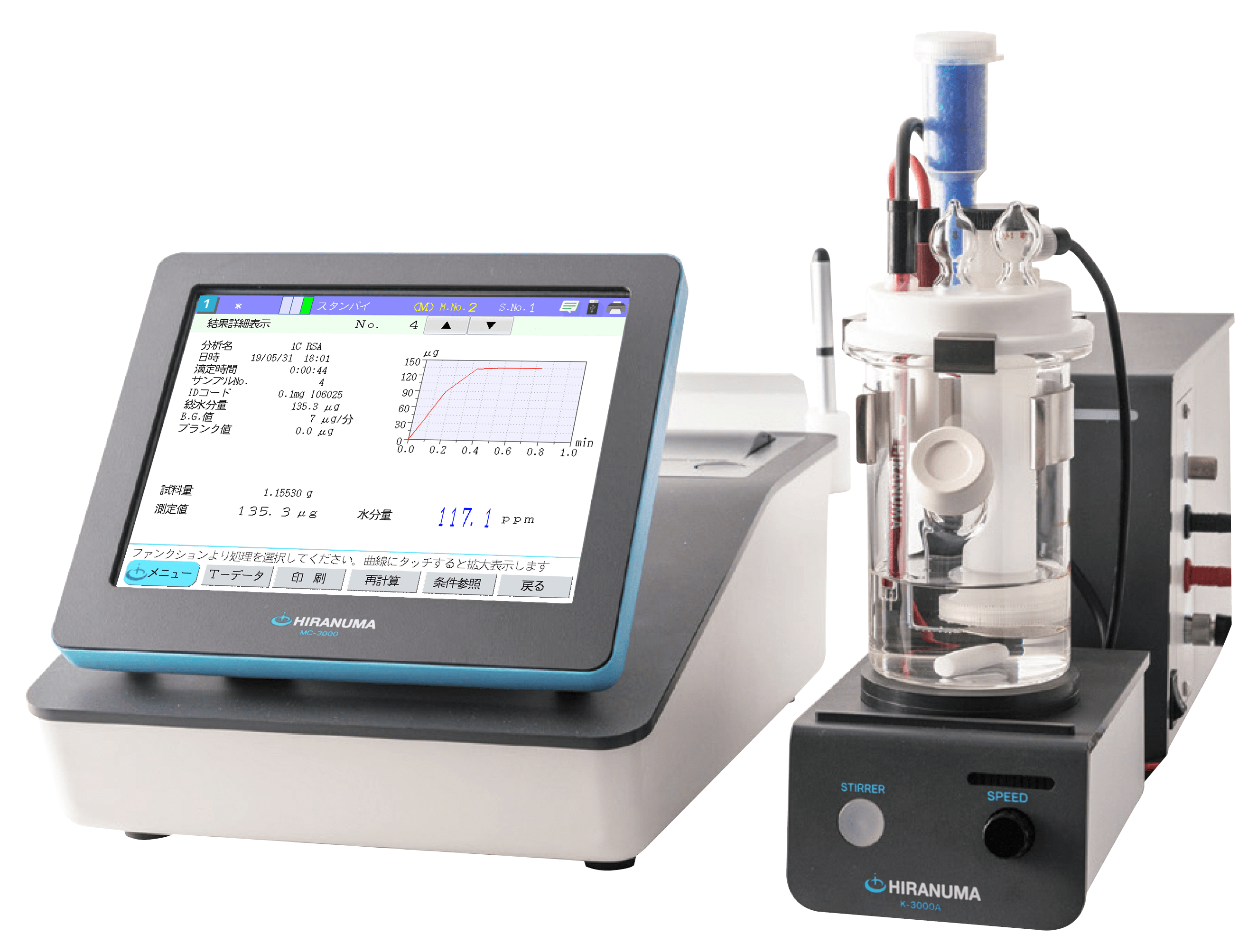
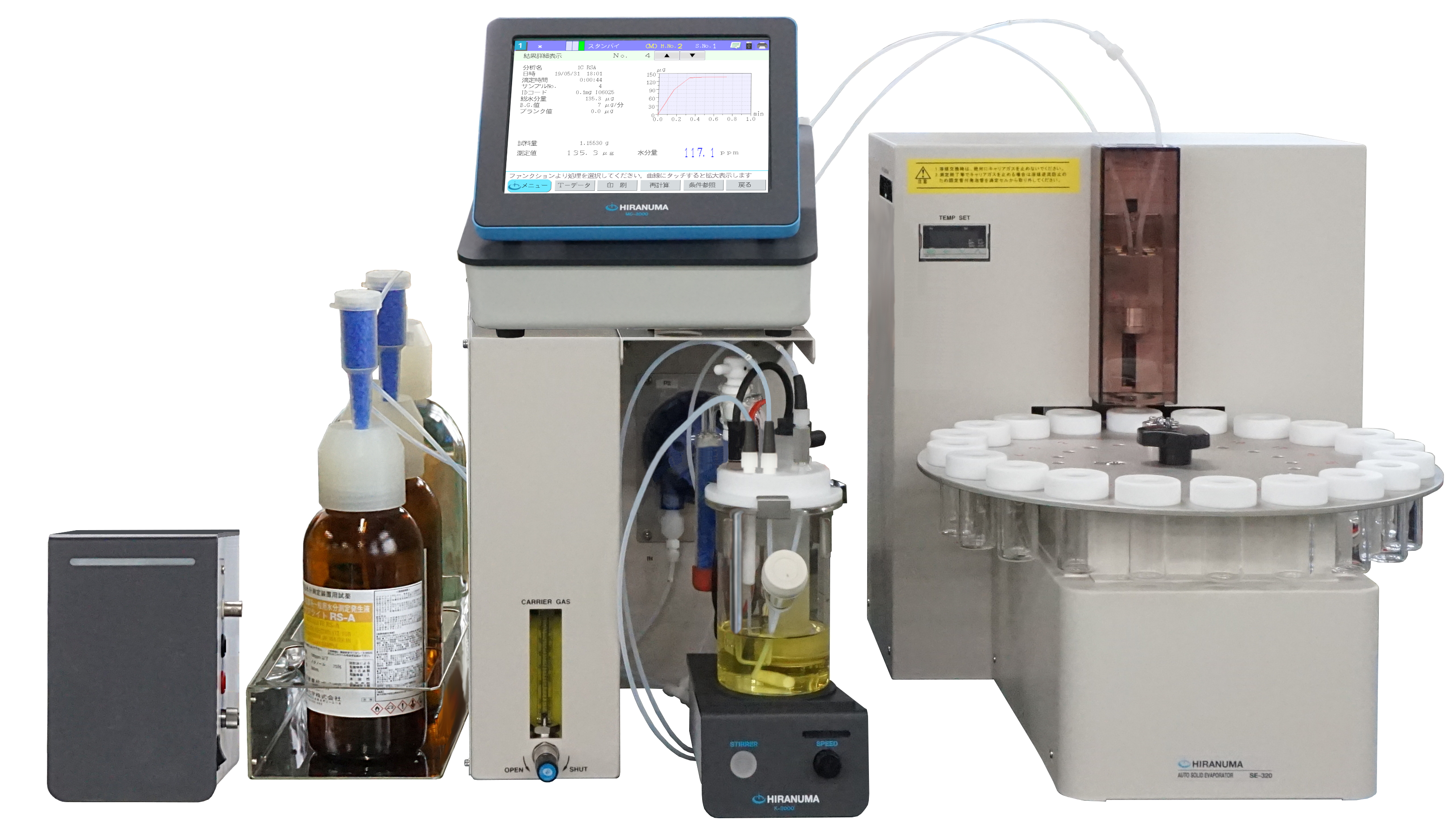
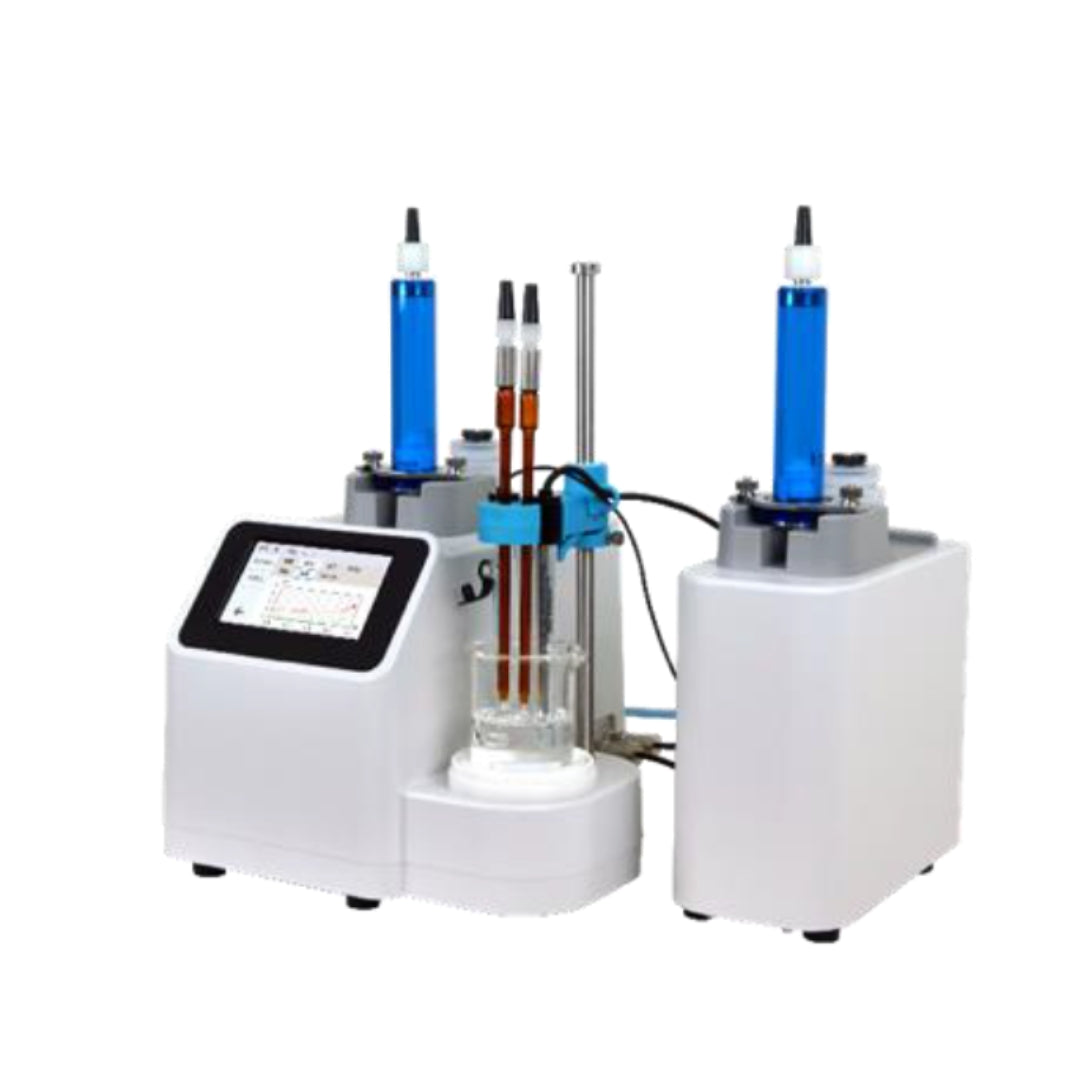
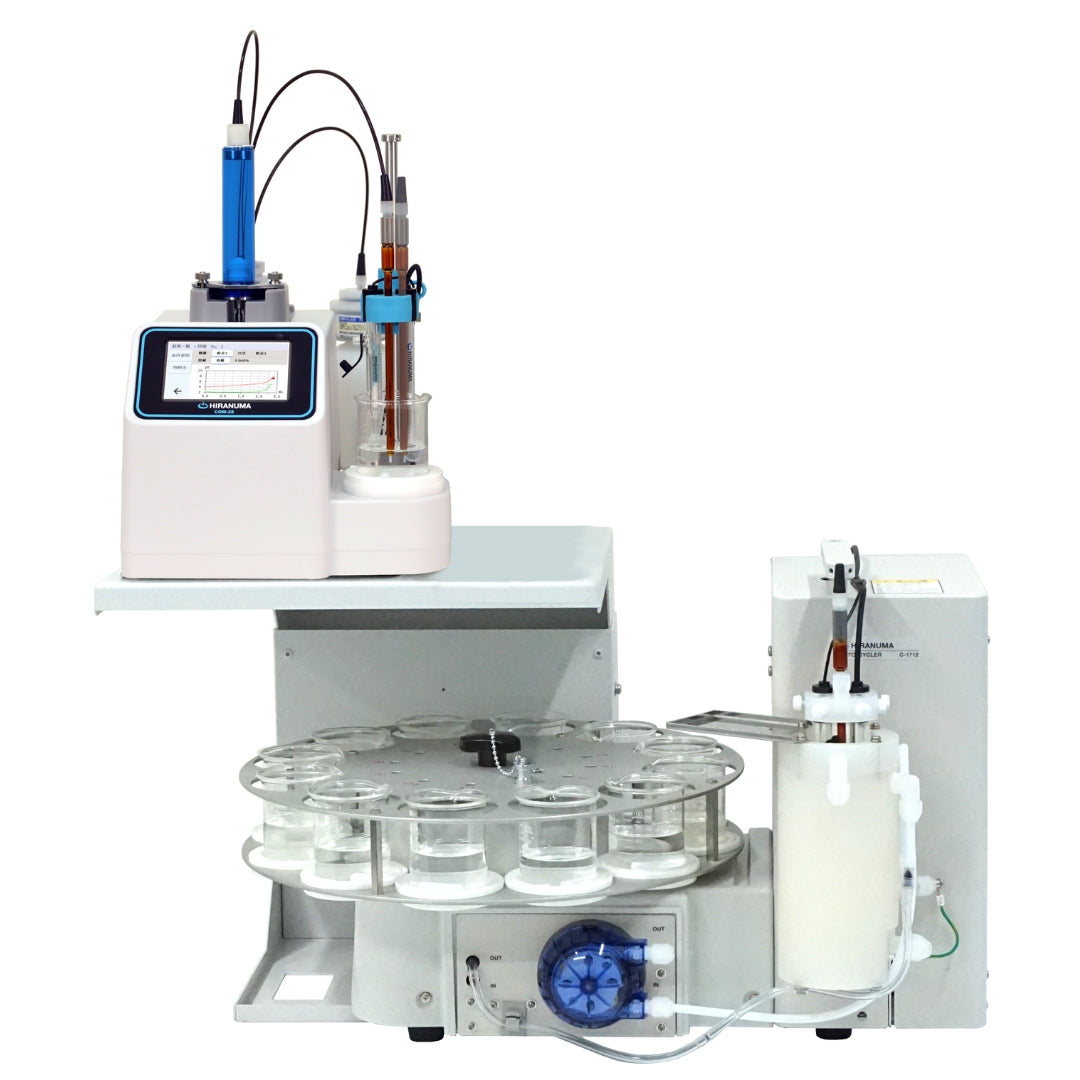
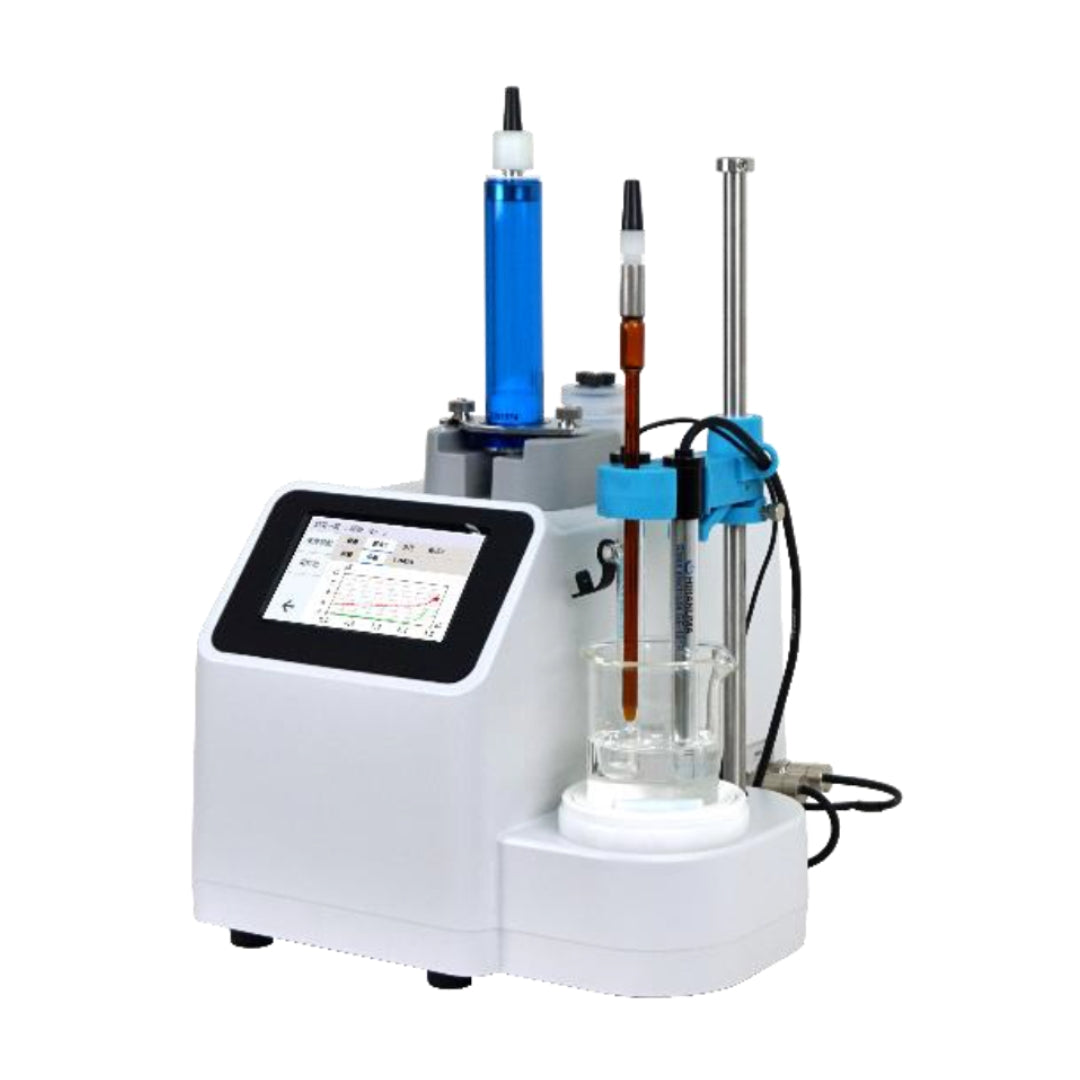
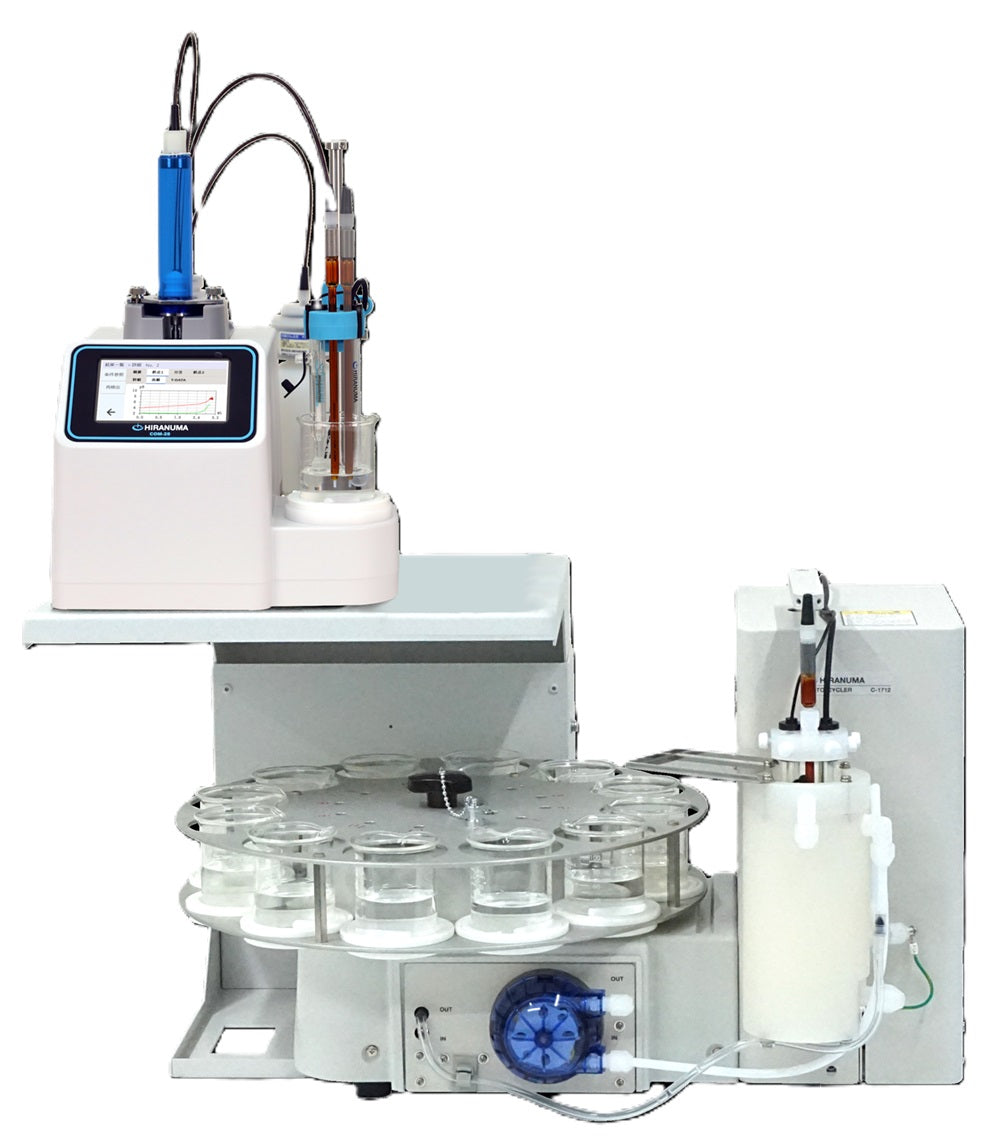
Using a system such as the Hiranuma COM-A19, tin analysis can be performed with automated redox titration and precise endpoint detection.
This provides:
- Objective endpoint determination
- Improved repeatability
- Reduced operator dependency
- Faster and more reliable results
Typical Procedure Overview
- Prepare sample under controlled conditions (minimize air exposure)
- Add acid and buffering solution
- Titrate with standardized iodine solution
- Detect endpoint automatically using a platinum electrode
- Calculate Sn²⁺ concentration
Why This Matters in Industrial Applications
Tin plating is widely used in:
- Printed circuit boards (PCB)
- Electronic connectors
- Solder coatings
- Industrial components
Accurate Sn²⁺ monitoring ensures:
- Consistent coating quality
- Stable bath chemistry
- Reduced defects and rework
- Improved process efficiency
Typical Applications
- Acid tin plating baths
- Solder plating solutions
- Electronics manufacturing
- Surface finishing operations
Tin analysis is often performed alongside:
- Copper or nickel analysis (alloy systems)
- Acid concentration
- Additive monitoring
Conclusion
Accurate determination of Sn²⁺ is essential for maintaining stable tin plating processes and ensuring consistent coating quality. Redox titration provides a reliable and efficient method for monitoring active tin concentration, while automated systems improve repeatability and reduce operator variability.
Related Plating Applications
- Nickel (Ni²⁺) Analysis in Plating Baths
- Copper Analysis in Copper Sulfate Plating Baths
- Chloride Determination in Plating Baths
- Acid and Total Acid Control in Phosphate Baths
Call to Action
For more information on automated titration solutions for plating bath analysis, contact JM Science to discuss your application.
“Explore all Plating & Surface Treatment Applications”
Contact Info: sales@jmscience.com; Tel: 716-774-8706