Determination of Hydrogen Peroxide and Peracetic Acid in Food & Beverage Sanitizing Solutions
Maintaining the correct concentration of sanitizing chemicals is essential for food safety, regulatory compliance, and efficient plant operation. Hydrogen peroxide (H₂O₂) and peracetic acid (PAA) are widely used throughout the food and beverage industry to sanitize processing equipment, beverage containers, dairy systems, and Clean-in-Place (CIP) installations.
Accurate monitoring of these sanitizers ensures effective microbial control while preventing excessive chemical consumption and unnecessary operating costs.
Why Monitor Peracetic Acid and Hydrogen Peroxide?
Peracetic acid has become one of the preferred sanitizers for beverage bottling, dairy processing, breweries, and food manufacturing because it is highly effective against bacteria, yeast, molds, and spores. Hydrogen peroxide is frequently present in blended sanitizer formulations and also contributes to the overall disinfecting performance.
Routine analytical verification allows manufacturers to:
- Verify sanitizer concentration before production
- Support HACCP and food safety programs
- Reduce chemical consumption
- Improve process consistency
- Document regulatory compliance
Analytical Method
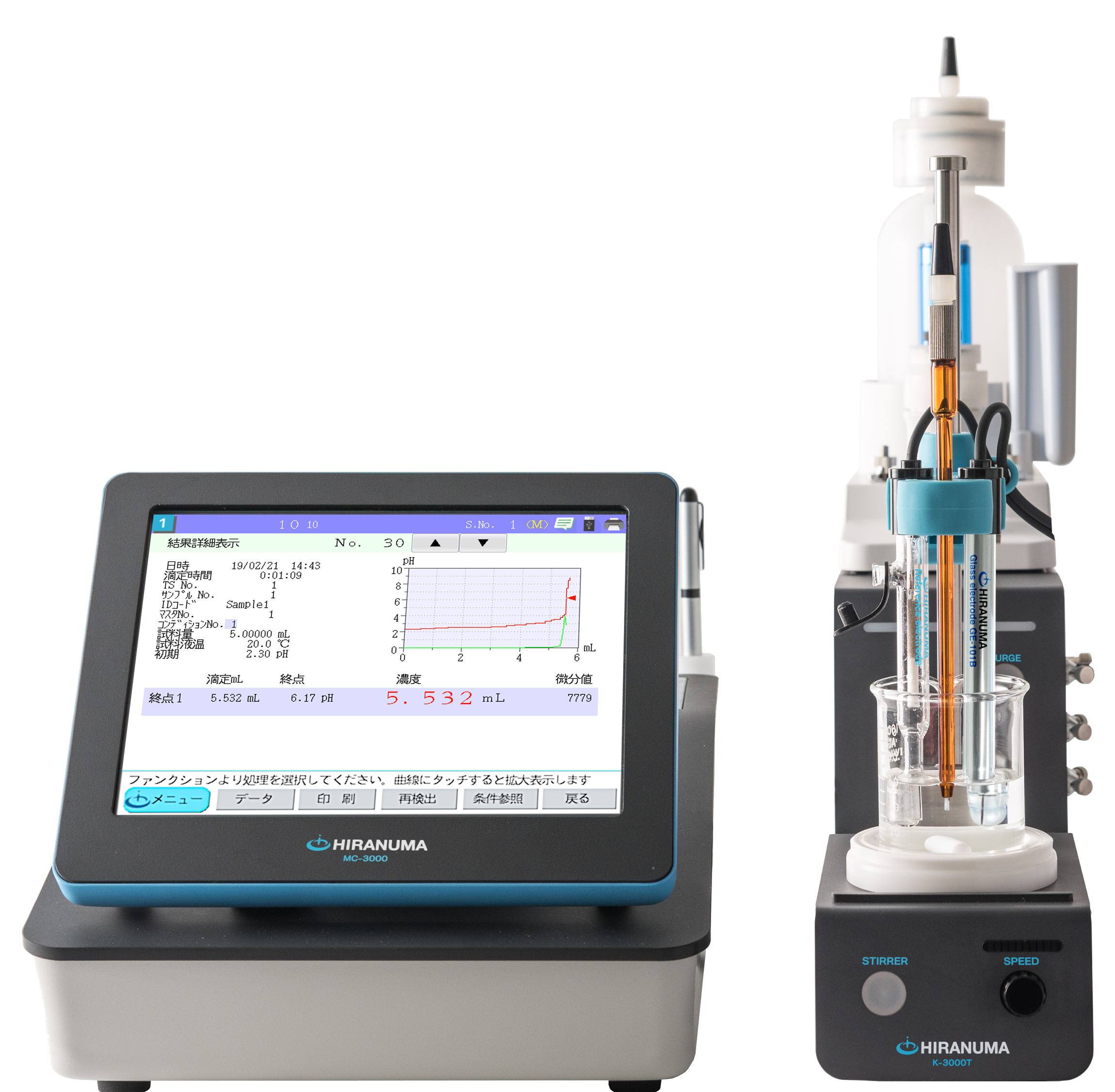
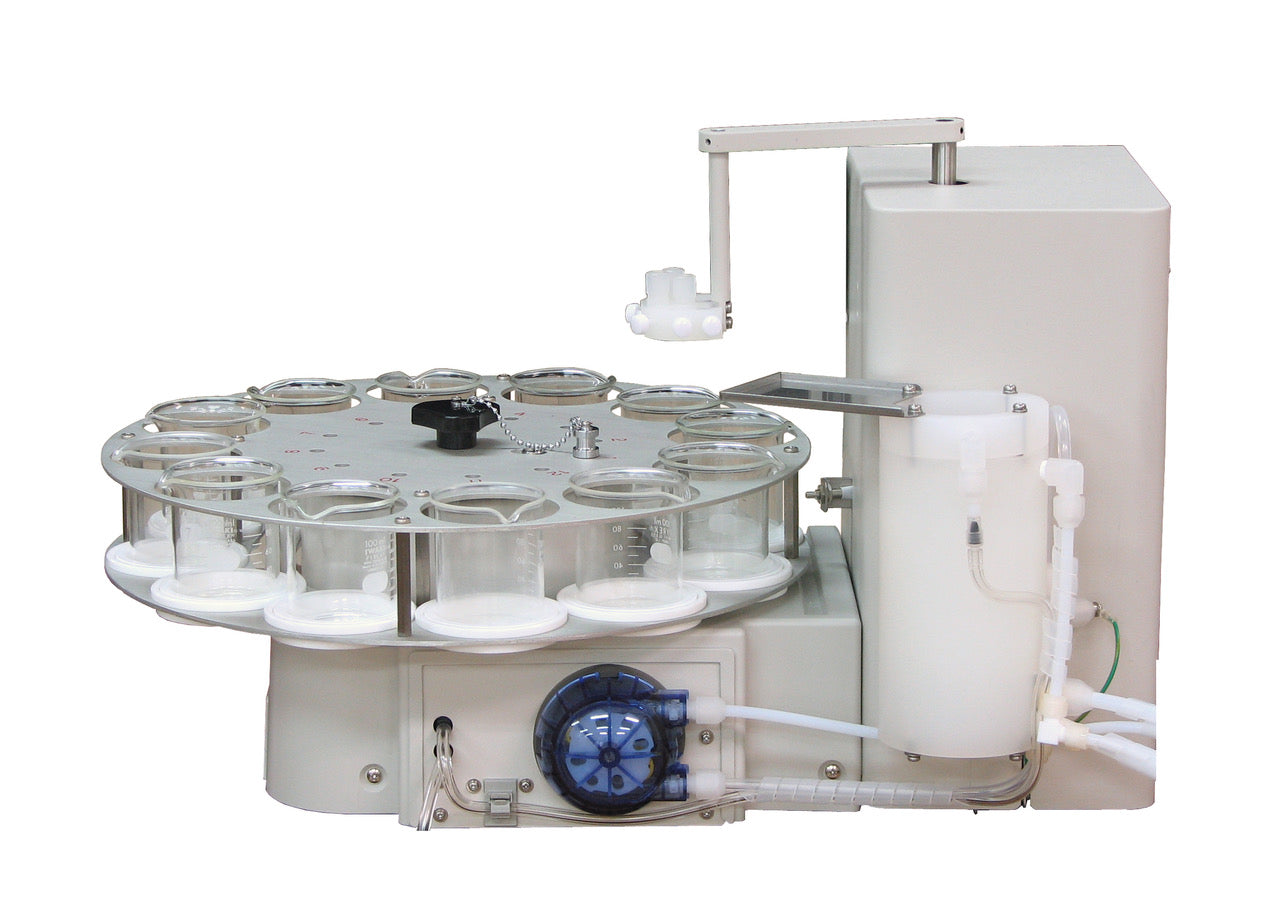
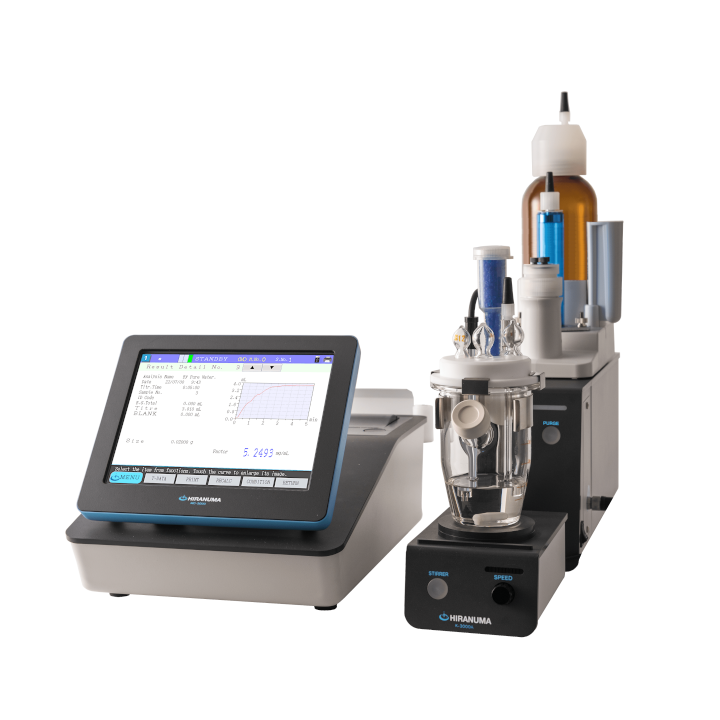
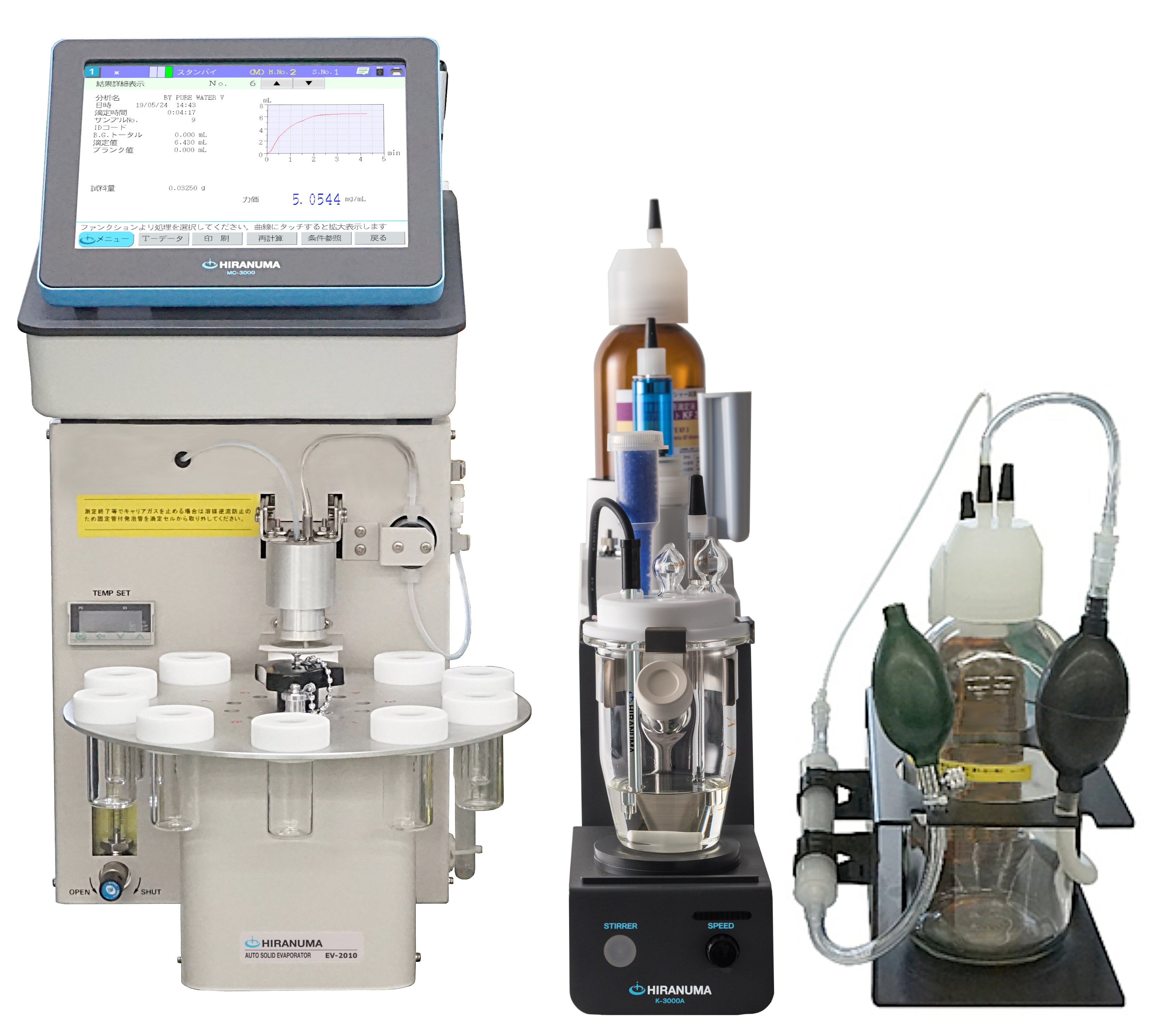
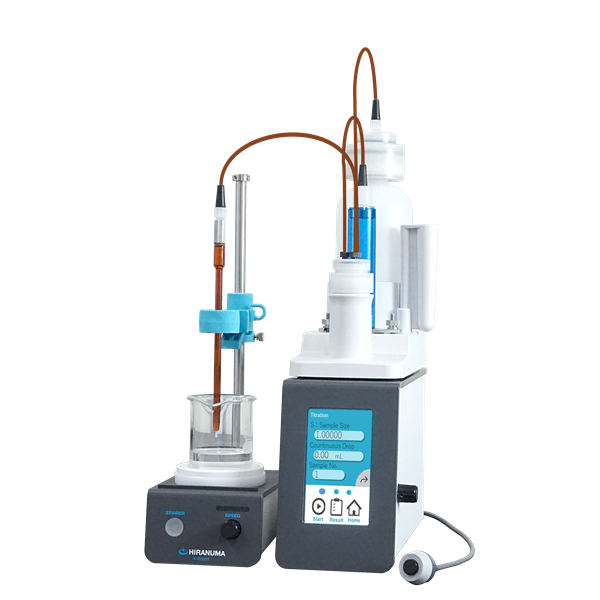
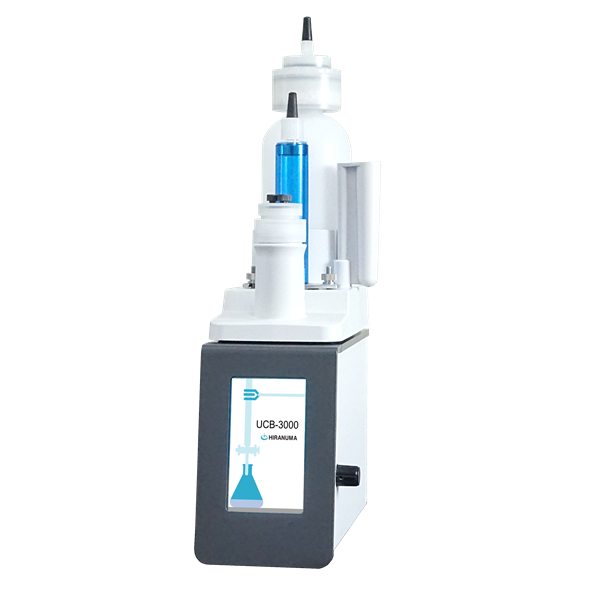
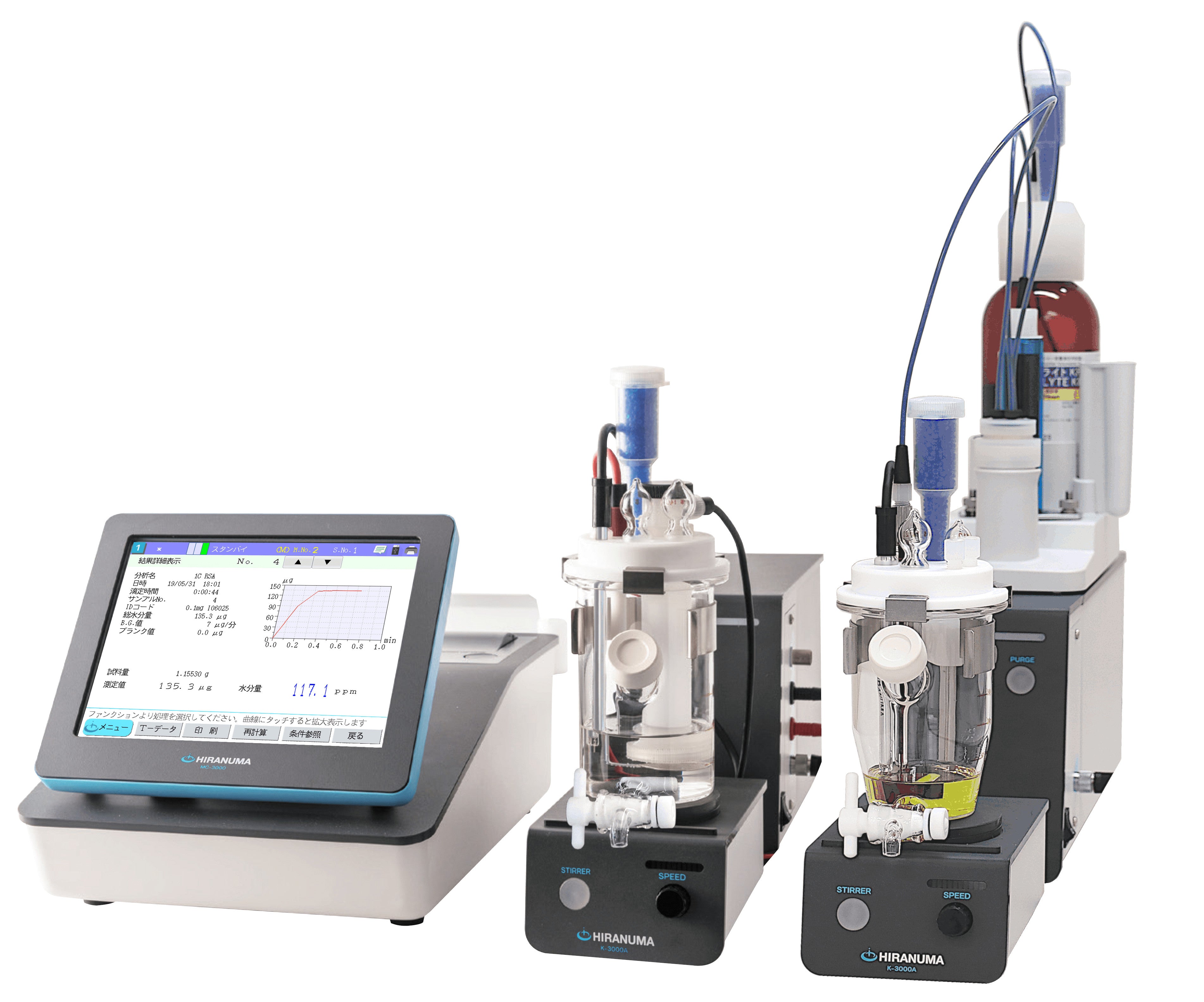
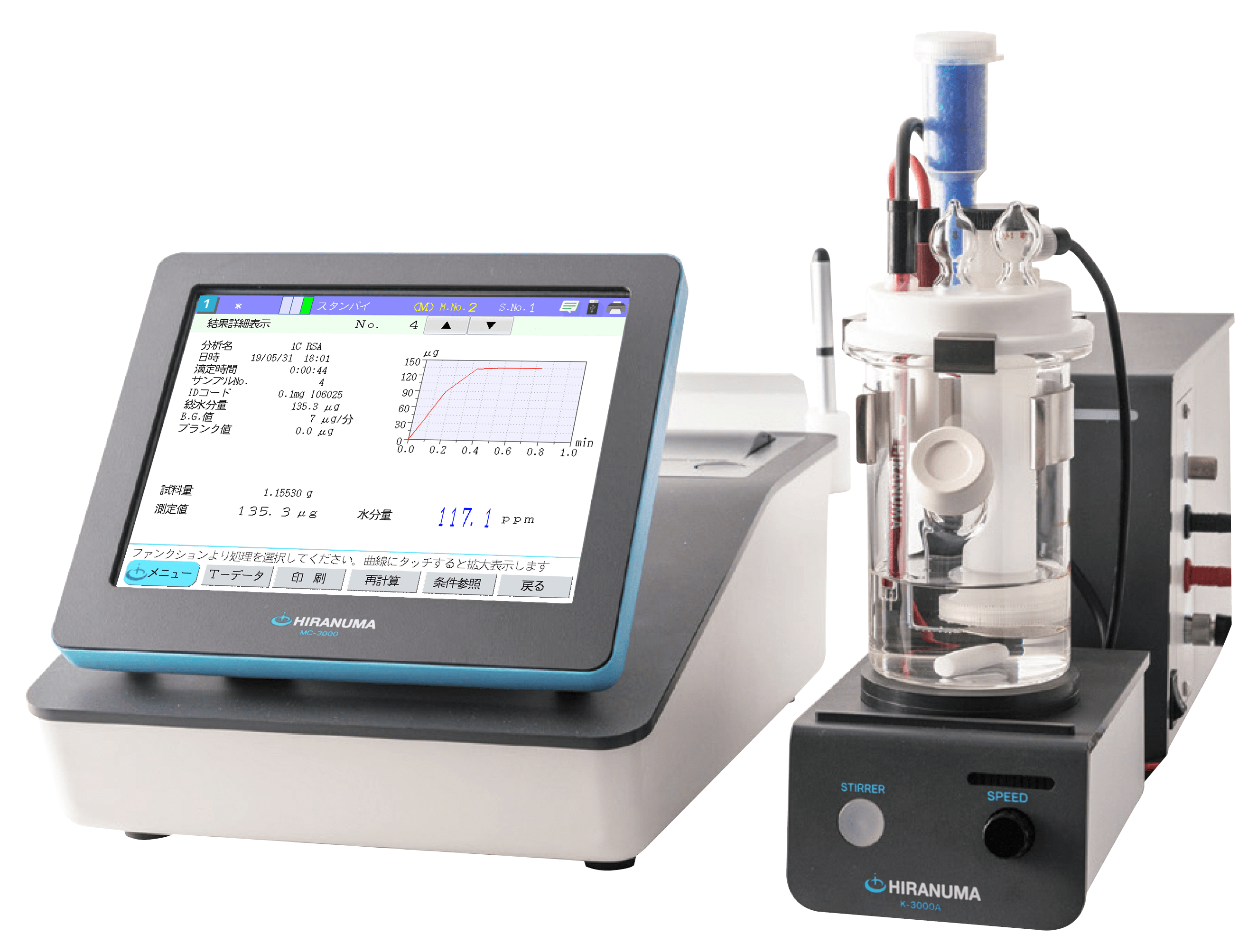
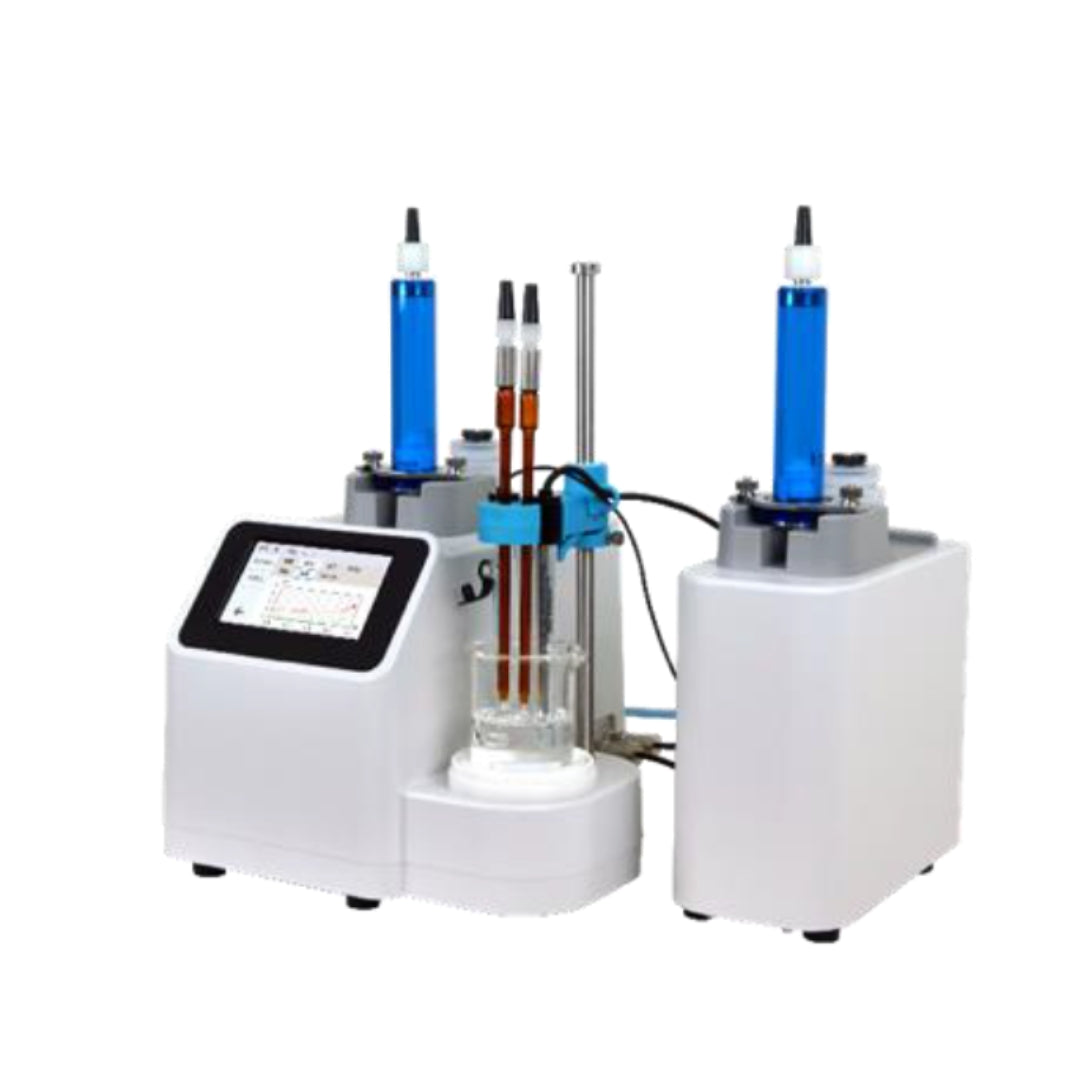
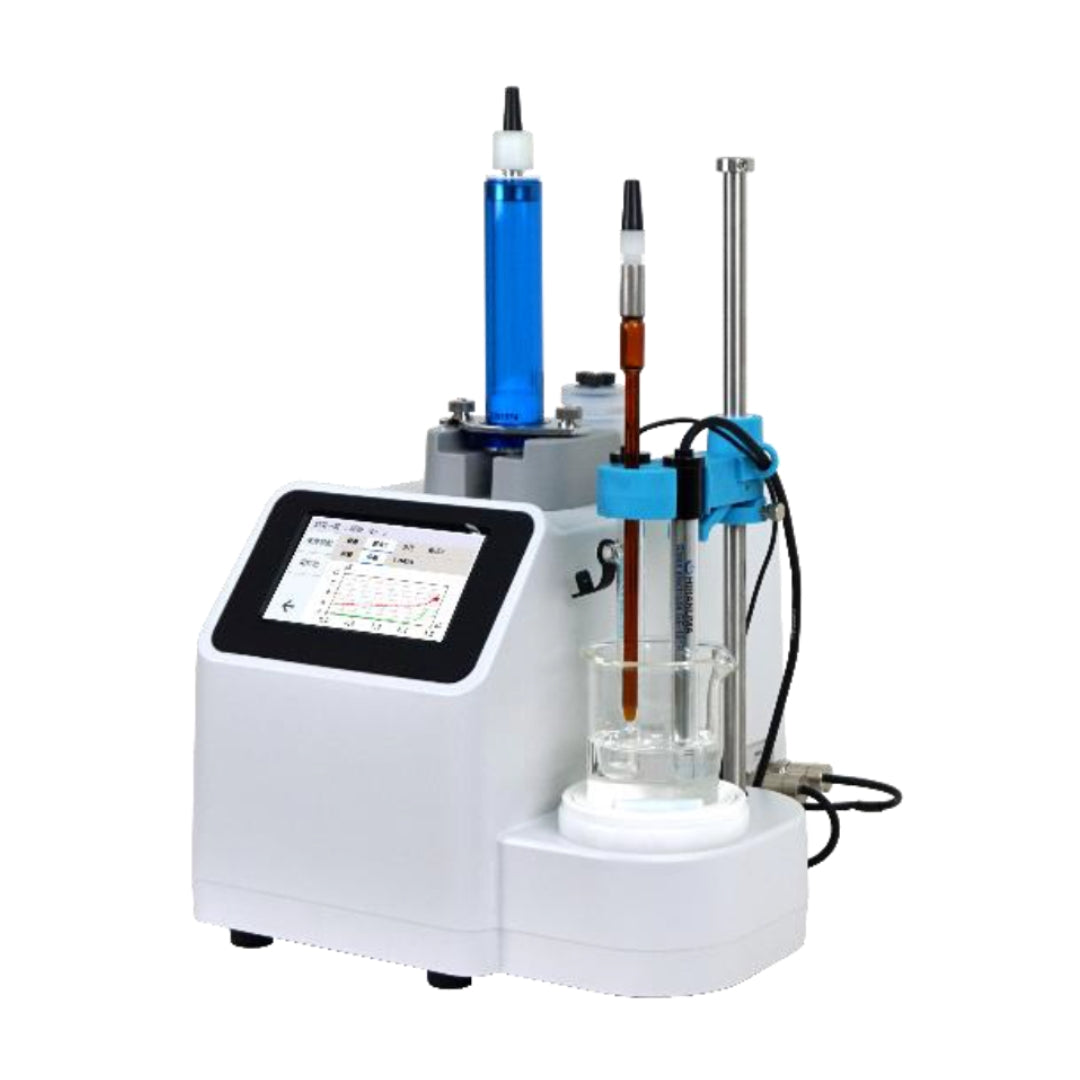
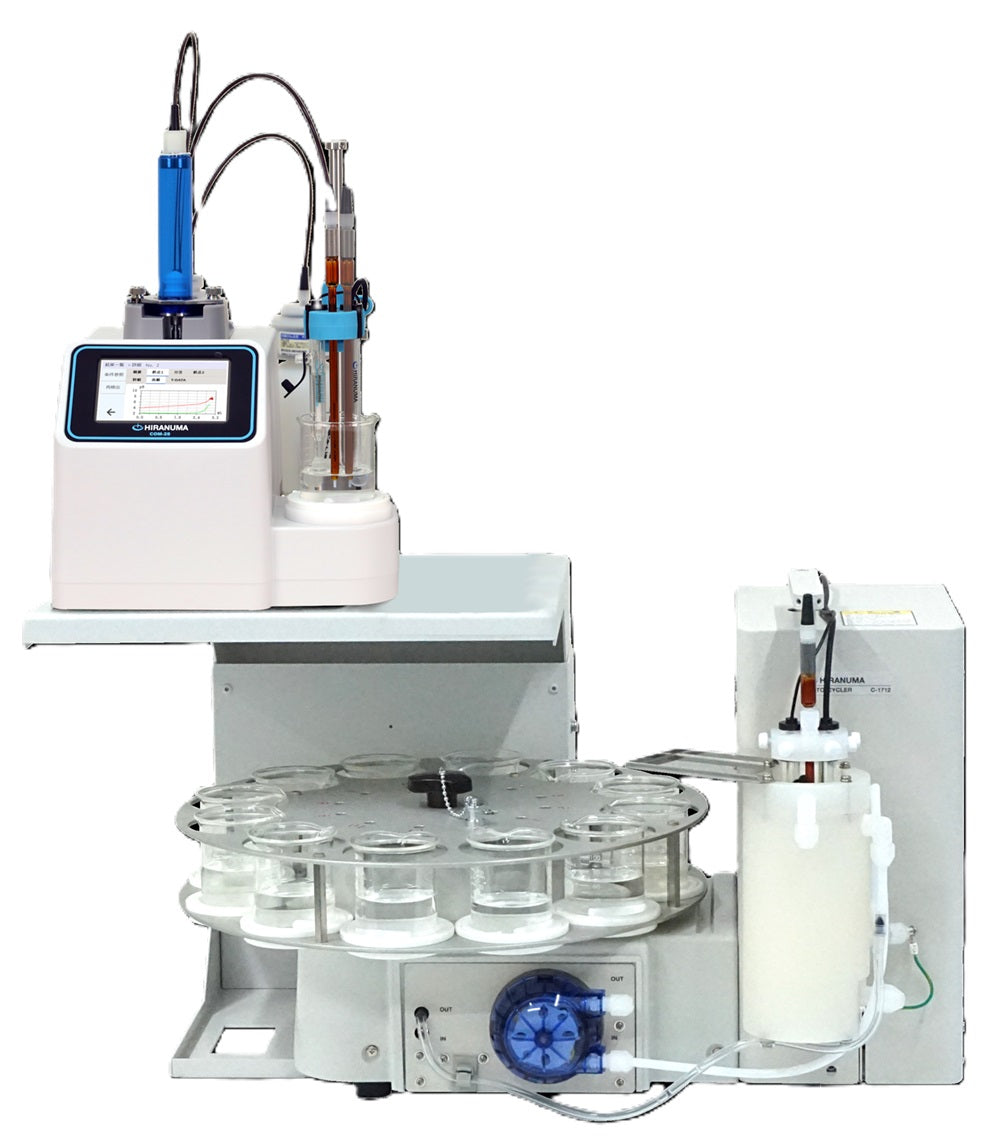
The Hiranuma COM-A19 Automatic Potentiometric Titrator performs sequential redox titrations that independently determine hydrogen peroxide and peracetic acid in the same sample.
The procedure consists of two automated titration steps:
- Hydrogen peroxide is first titrated using standardized potassium permanganate after acidification of the sample.
- Potassium iodide is then added to liberate iodine equivalent to the remaining peracetic acid, which is subsequently determined by titration with standardized sodium thiosulfate. This sequential approach provides separate concentrations for hydrogen peroxide and peracetic acid from a single sample.
Recommended Instrumentation
Hiranuma COM-A19 Automatic Potentiometric Titrator
Recommended configuration:
- Platinum ORP electrode
- Reference electrode
- Automated buret system
- Potassium permanganate titrant
- Sodium thiosulfate titrant
Typical Applications
The method is suitable for routine quality control in:
- Dairy processing plants
- Beverage bottling facilities
- Breweries
- Food processing plants
- Packaging sterilization systems
- Clean-in-Place (CIP) sanitation programs
JM Science has supplied analytical systems for sanitizer verification in applications including Abbott Laboratories and food and dairy manufacturers.
Benefits of Automated Potentiometric Titration
Compared with manual titration methods, automated potentiometric titration provides:
- Objective endpoint detection
- Excellent repeatability
- Reduced operator variability
- Faster routine analysis
- Electronic data storage
- Improved laboratory productivity
Conclusion
Accurate determination of hydrogen peroxide and peracetic acid is an important component of modern food safety and sanitation programs. The Hiranuma COM-A19 Automatic Potentiometric Titrator provides rapid, reliable, and repeatable analysis for routine monitoring of sanitizer solutions used throughout the food and beverage industry.
Suggested Products
- Hiranuma COM-A19 Automatic Potentiometric Titrator
- Platinum ORP Electrodes
- Potassium Permanganate Standards
- Sodium Thiosulfate Standards
- Laboratory Titration Accessories