Acidity Determination in Fruit Beverages Using Titration
Acidity is one of the most important quality parameters in fruit beverages, directly influencing taste, stability, and overall product acceptance.
Organic acids such as citric, malic, and tartaric acids determine the characteristic flavor profile of juices and beverages, while also playing a key role in preservation and microbial stability.
Accurate determination of acidity is essential for maintaining consistent product quality and meeting regulatory standards.
⚗️ What is Titratable Acidity?
Titratable acidity (TA) measures the total concentration of acidic components in a beverage, rather than just free hydrogen ions (pH).
- Reflects overall acid content
- Closely related to taste and tartness
- Critical for product consistency
👉 It provides a more complete measure of acidity than pH alone
⚠️ Why Acidity Matters in Fruit Beverages
- Controls flavor balance (sweet vs sour)
- Impacts shelf life and microbial stability
- Ensures batch-to-batch consistency
- Required for regulatory compliance
👉 Improper acidity leads to off-taste, spoilage, and quality issues
⚗️ Method Overview: Acid-Base Titration
Acidity in fruit beverages is typically determined using acid-base titration:
- Sample is titrated with a standardized base (NaOH)
- Endpoint detected by indicator or pH electrode
- Results expressed as citric acid equivalent
👉 Titration is a widely used quantitative method for determining acid concentration
📊 Typical Acids in Fruit Beverages
- Citric acid → citrus fruits
- Malic acid → apples and many fruits
- Tartaric acid → grapes
- Acetic acid → fermentation or spoilage
👉 These acids define flavor and product identity
⚠️ Limitations of Manual Methods
- Visual endpoint detection → operator dependent
- Difficult in colored beverages
- Lower reproducibility
- Time-consuming
👉 Endpoint detection can be unclear in colored samples
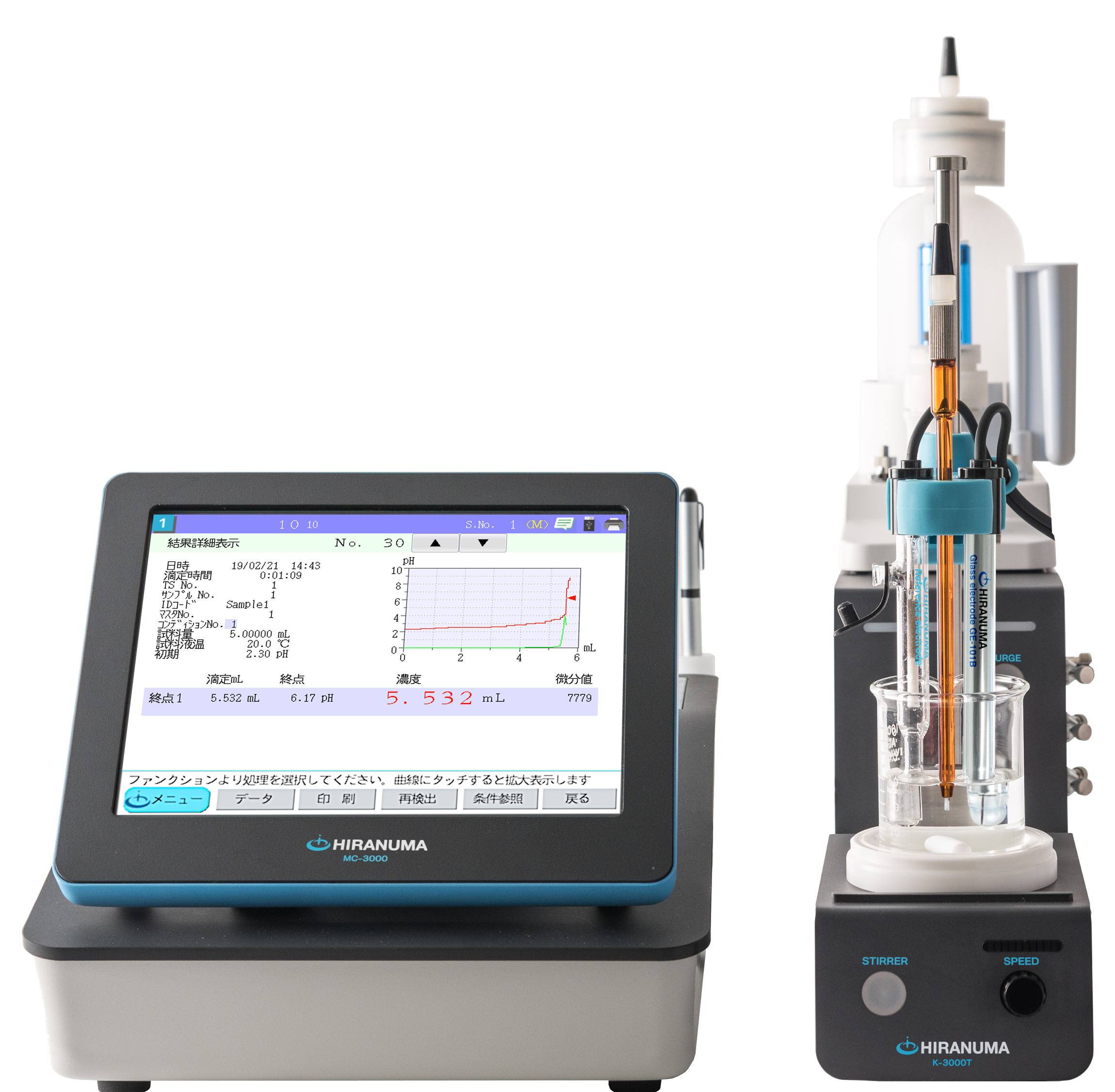
✅ Improved Approach: Potentiometric Titration
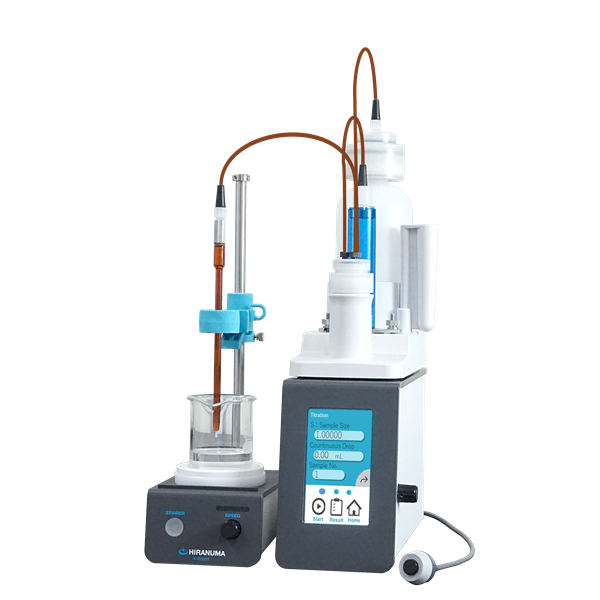
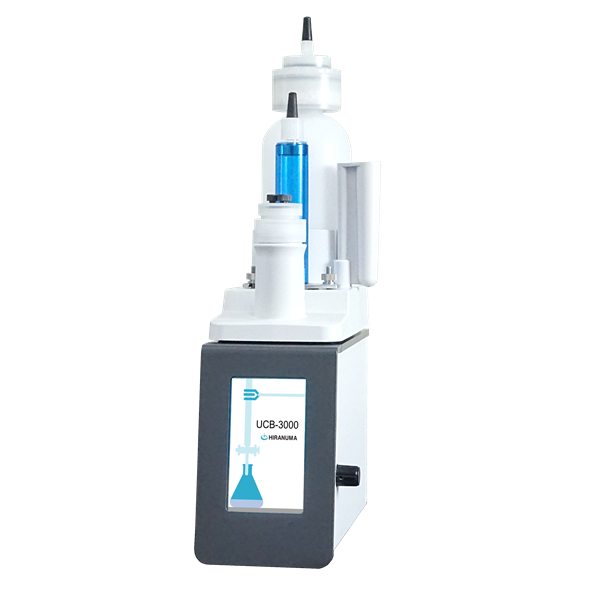
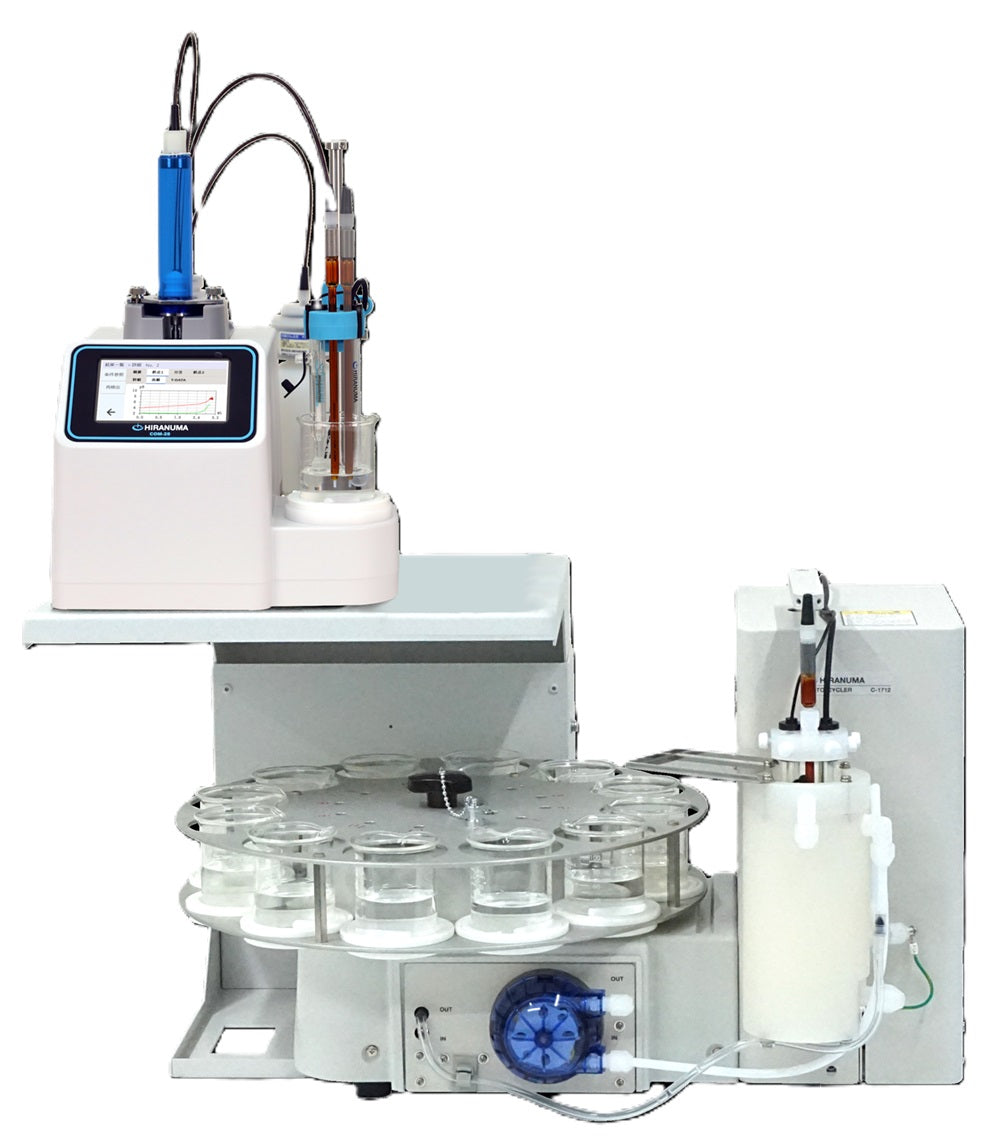
Modern titration systems eliminate these issues:
- Automatic endpoint detection
- Works with colored or cloudy samples
- Improved precision and repeatability
- Automated calculation and data handling
👉 pH electrode-based titration ensures reliable endpoint detection
⚙️ Typical Workflow
- Sample collection
- Dilution (if required)
- Titration with NaOH
- Endpoint detection
- Calculation of acidity (g/L or %)
💡 Why This Matters
For beverage producers and QC labs:
- Maintain consistent taste profiles
- Prevent product spoilage
- Optimize formulation and processing
- Ensure regulatory compliance
🔬 Recommended Systems
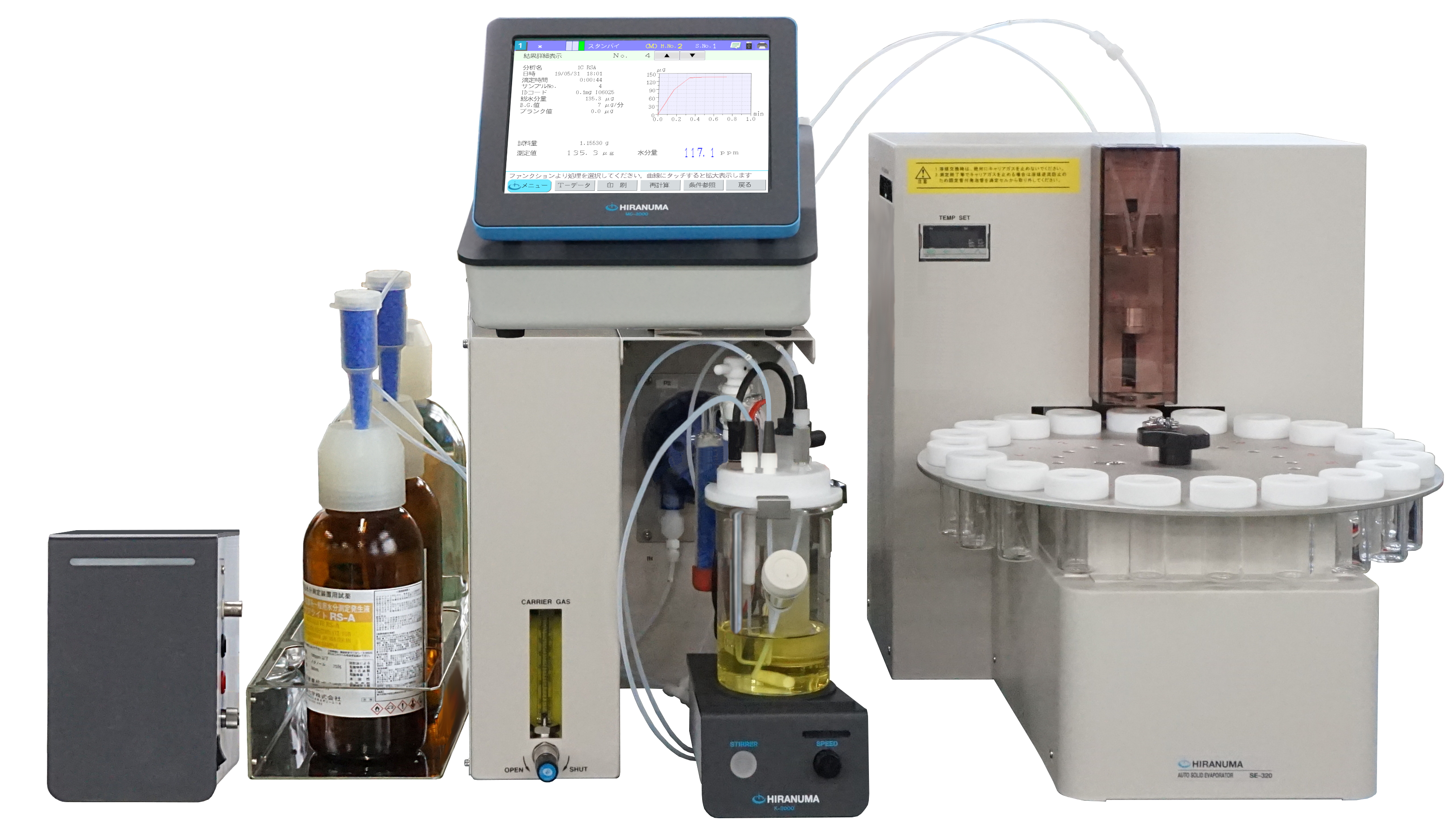
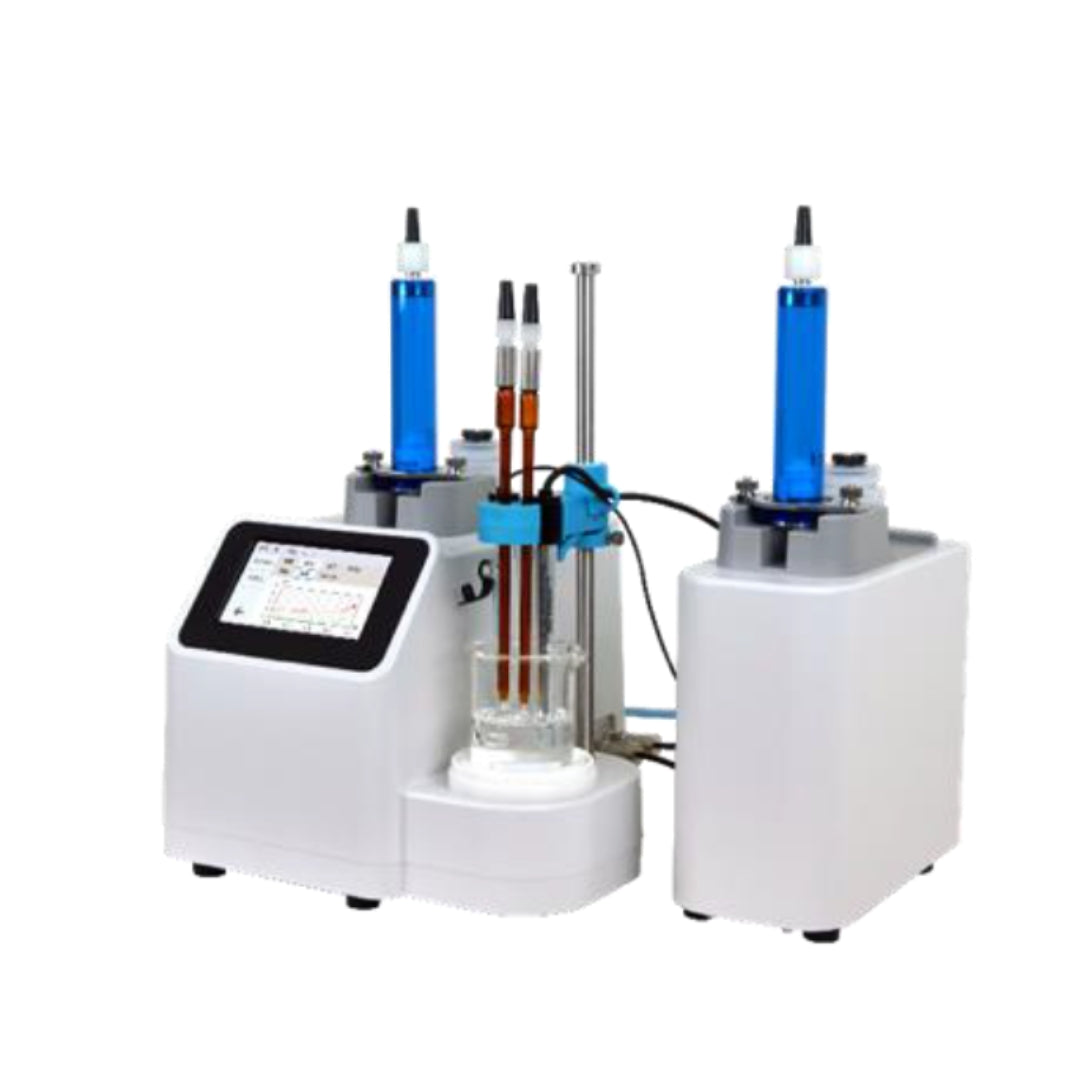
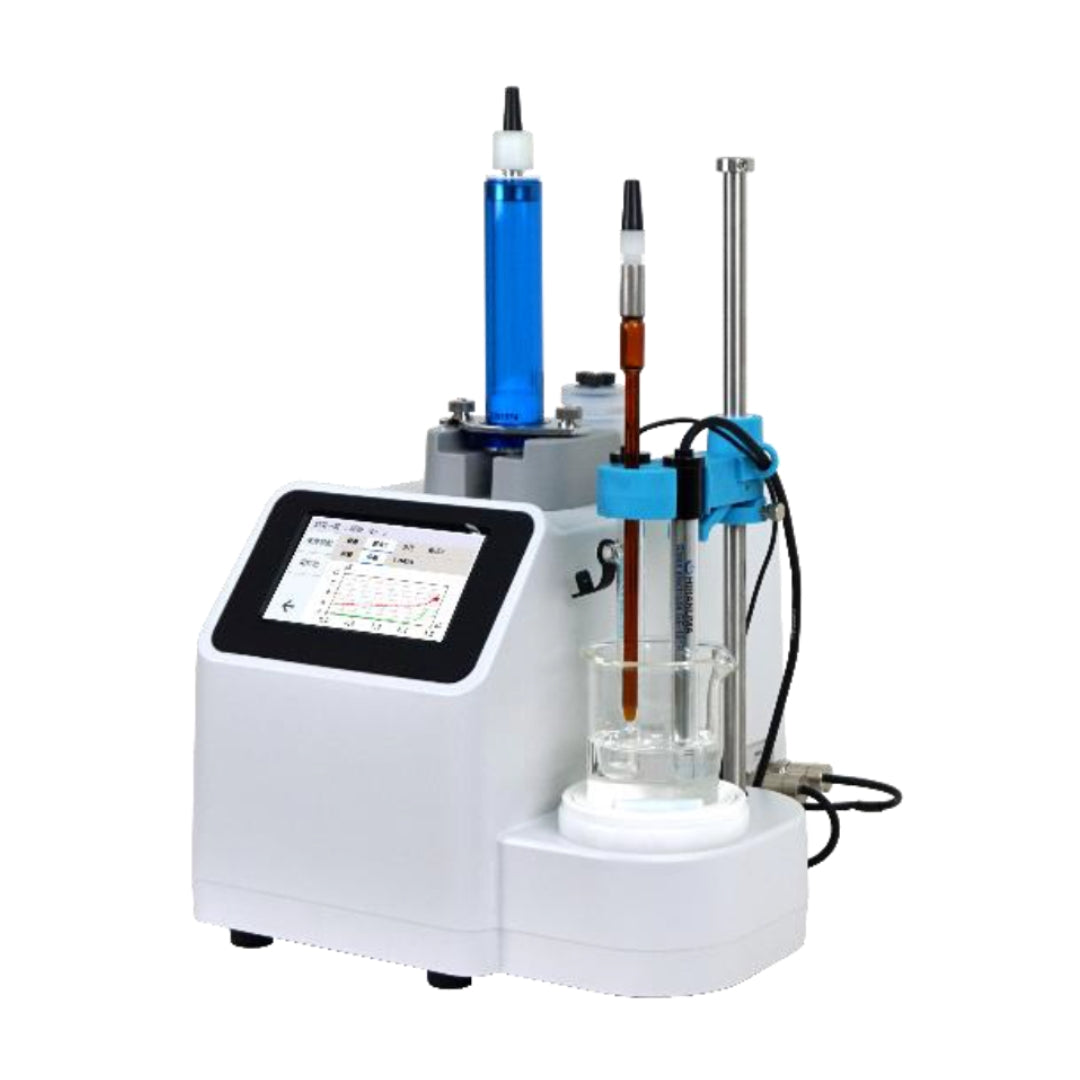
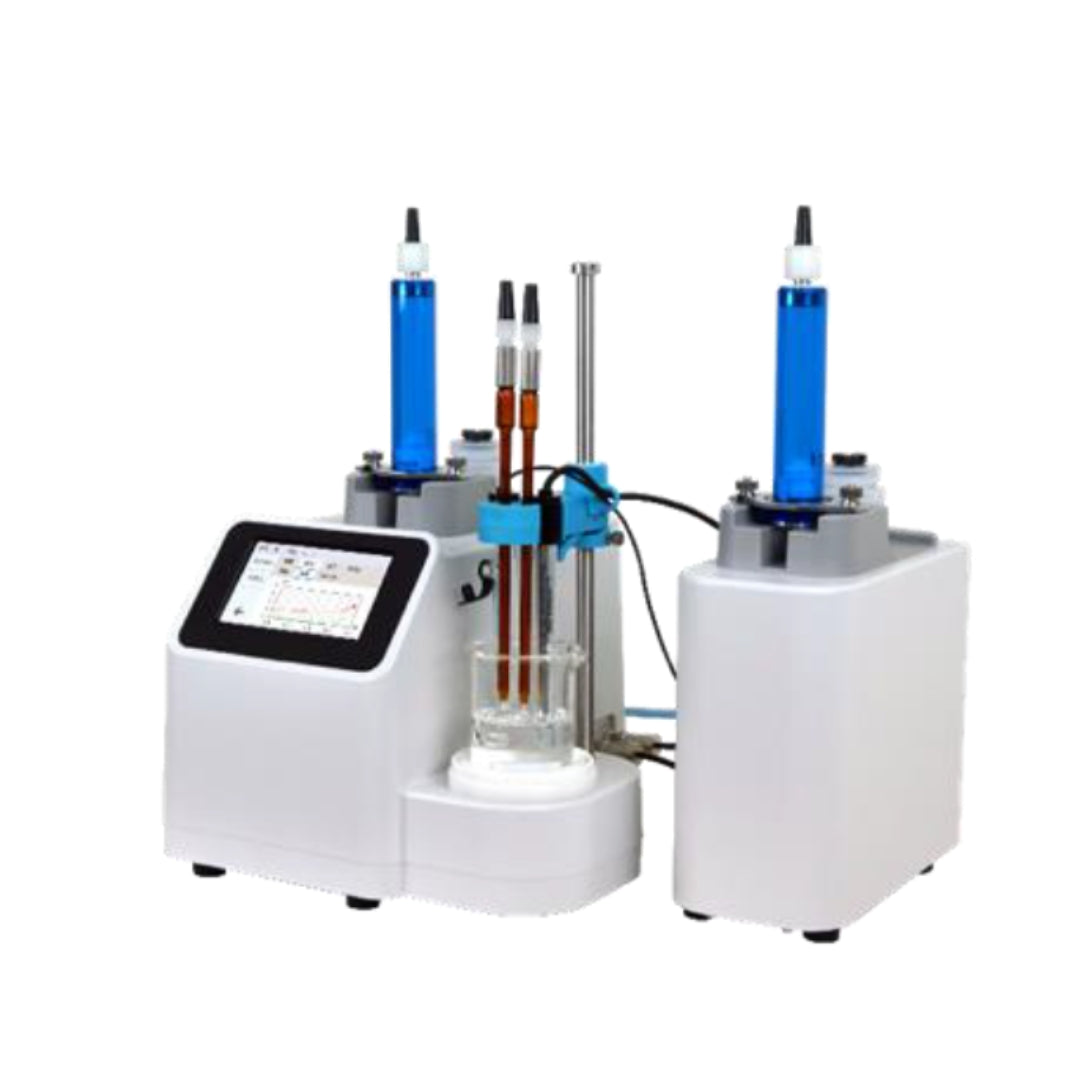
- COM-28 / COM-28S Potentiometric Titrator
- COM-A19 Automatic Titrator
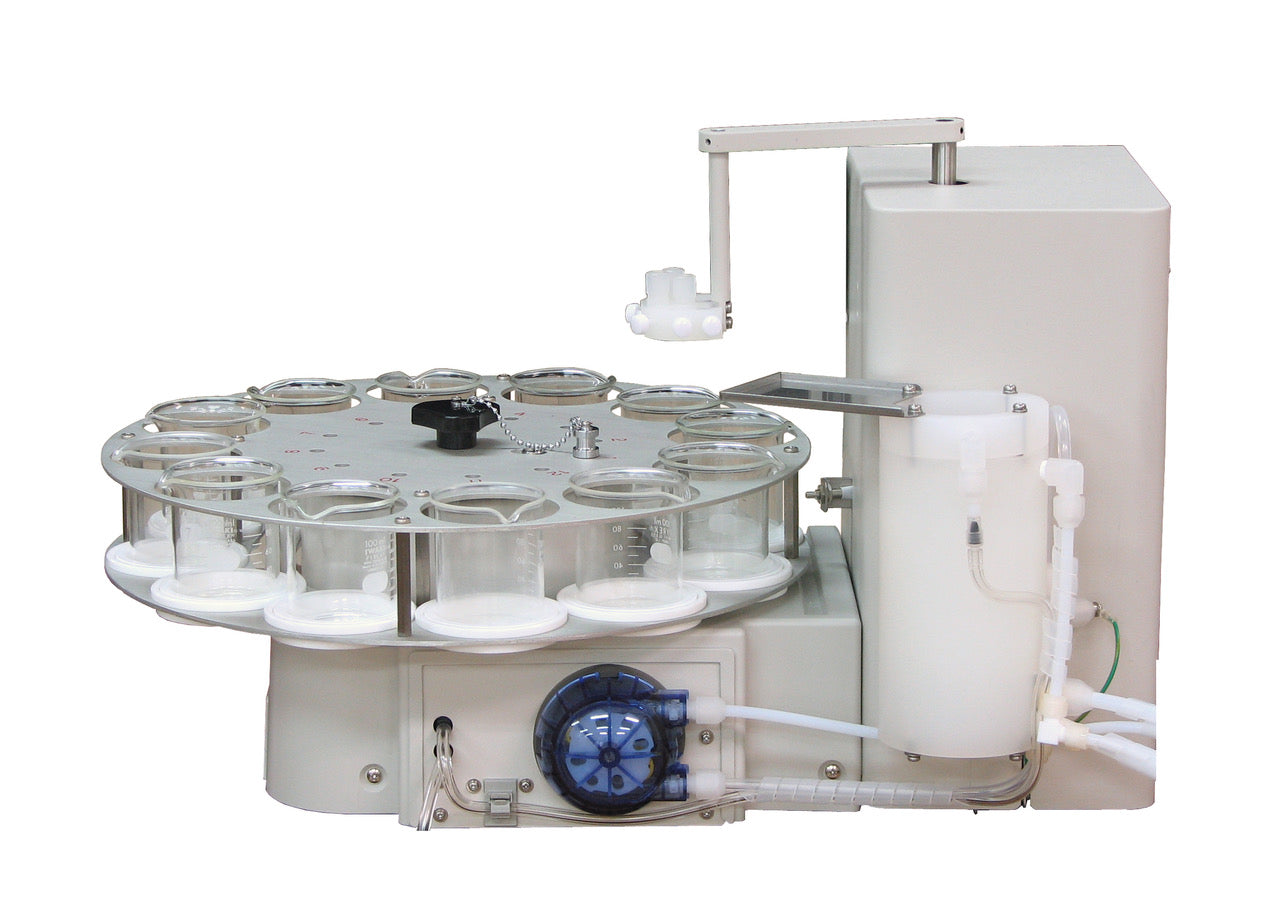
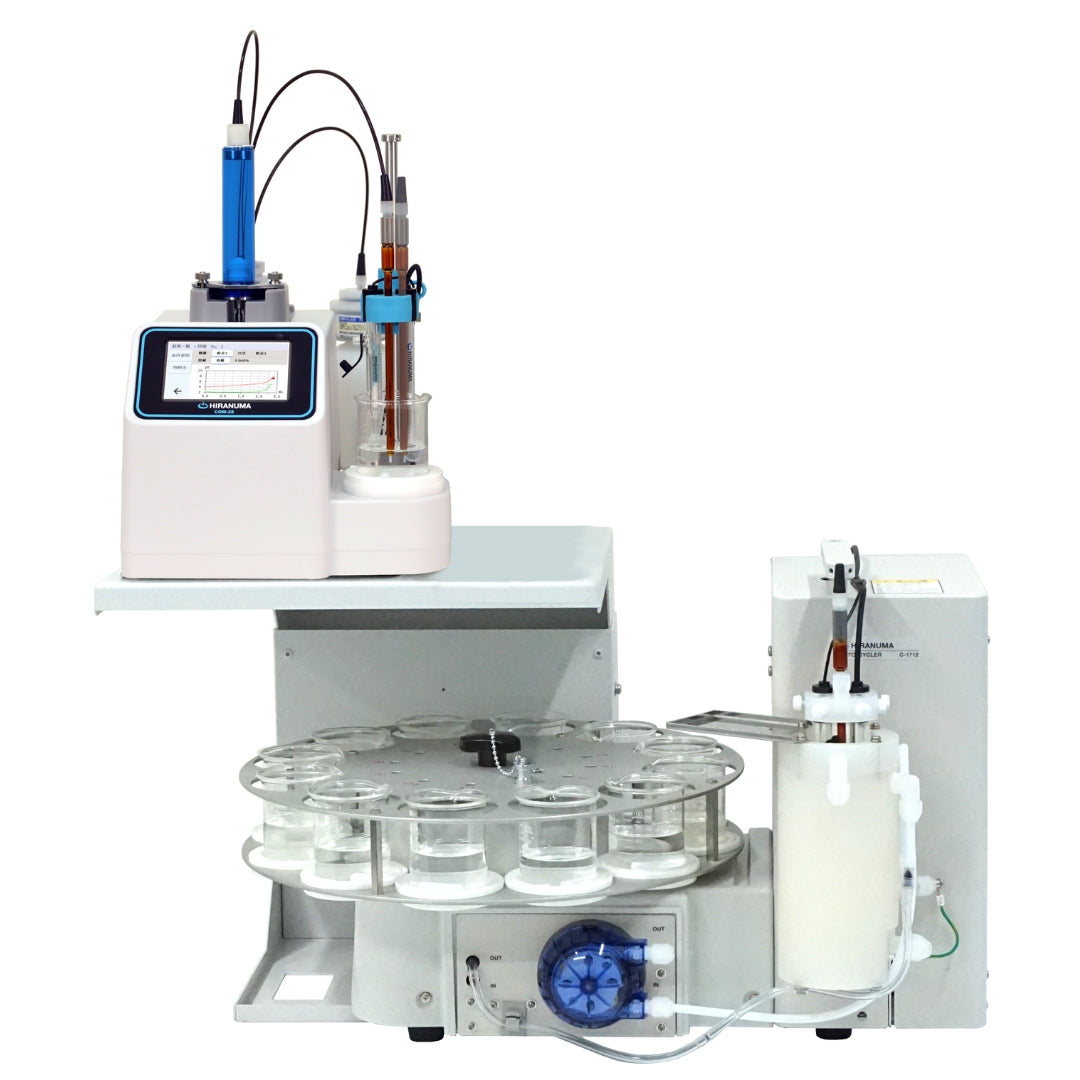
- Autosamplers for high-throughput beverage testing
📥 Download Application Note
👉 [Request Fruit Beverage Acidity Method (PDF)]
📞 CTA (DO NOT SKIP)
Need help setting up acidity testing for beverages?
👉 Request a method
👉 Request a quote
👉 Speak with an application specialist