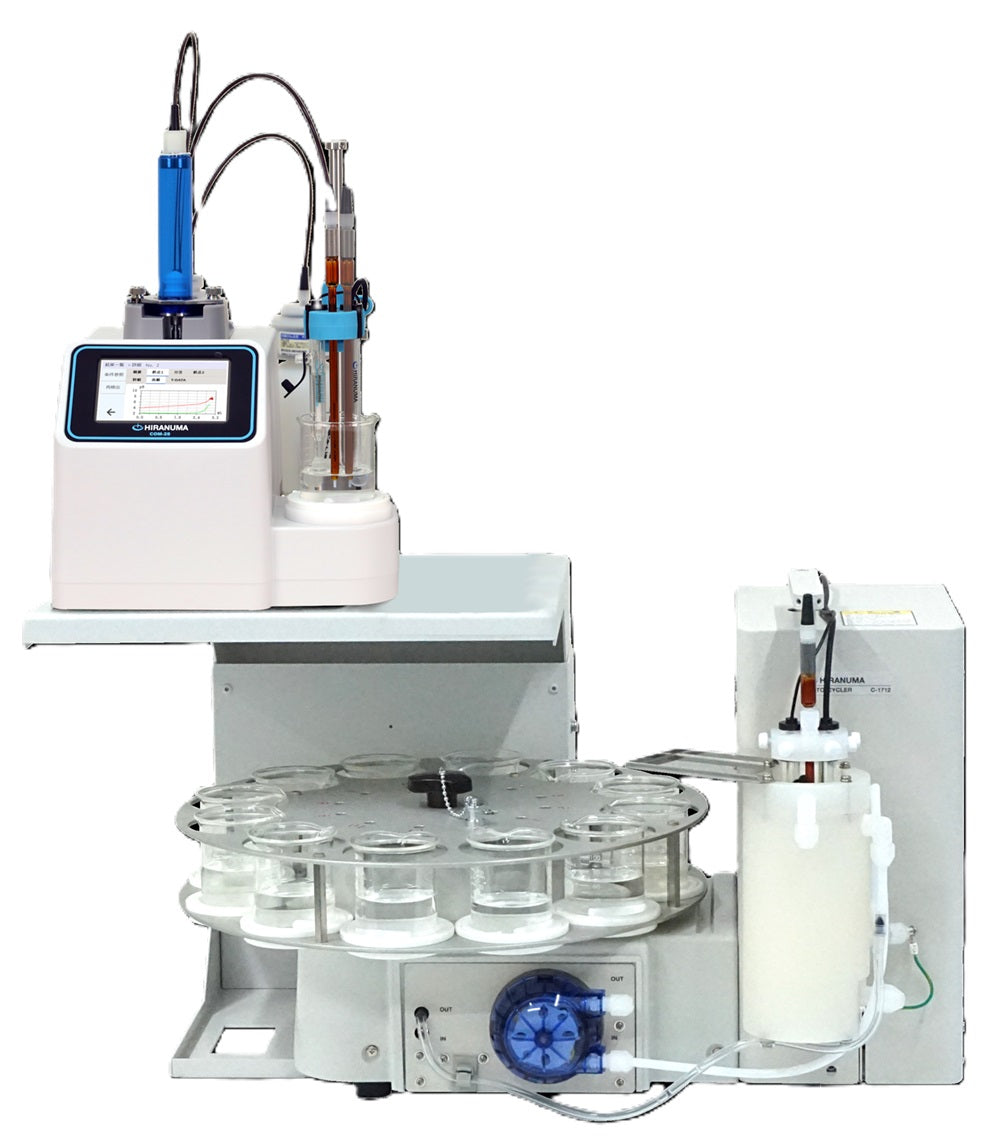
Acid Number Determination in Lubricating Oils Using Potentiometric Titration
The condition of lubricating oil directly impacts equipment reliability, maintenance costs, and operational uptime.
As lubricants age, oxidation and contamination lead to the formation of acidic compounds. Monitoring the acid number (AN or TAN) is one of the most effective ways to track oil degradation and determine when replacement is required.
⚗️ What is Acid Number (TAN)?
Acid number is defined as the amount of potassium hydroxide (KOH) required to neutralize the acidic components in one gram of oil, typically expressed in mg KOH/g.
- Measures total acidic constituents
- Includes both weak and strong acids
- Used as a key indicator of oil condition
👉 Increasing acid number indicates oxidation, contamination, or additive depletion
⚠️ Why Acid Number Matters
- Detects lubricant degradation
- Identifies oxidation by-products
- Helps determine remaining useful life (RUL)
- Prevents corrosion, sludge, and varnish formation
👉 Rising acidity can lead to equipment wear, deposits, and failure
⚗️ Method Overview: ASTM D664
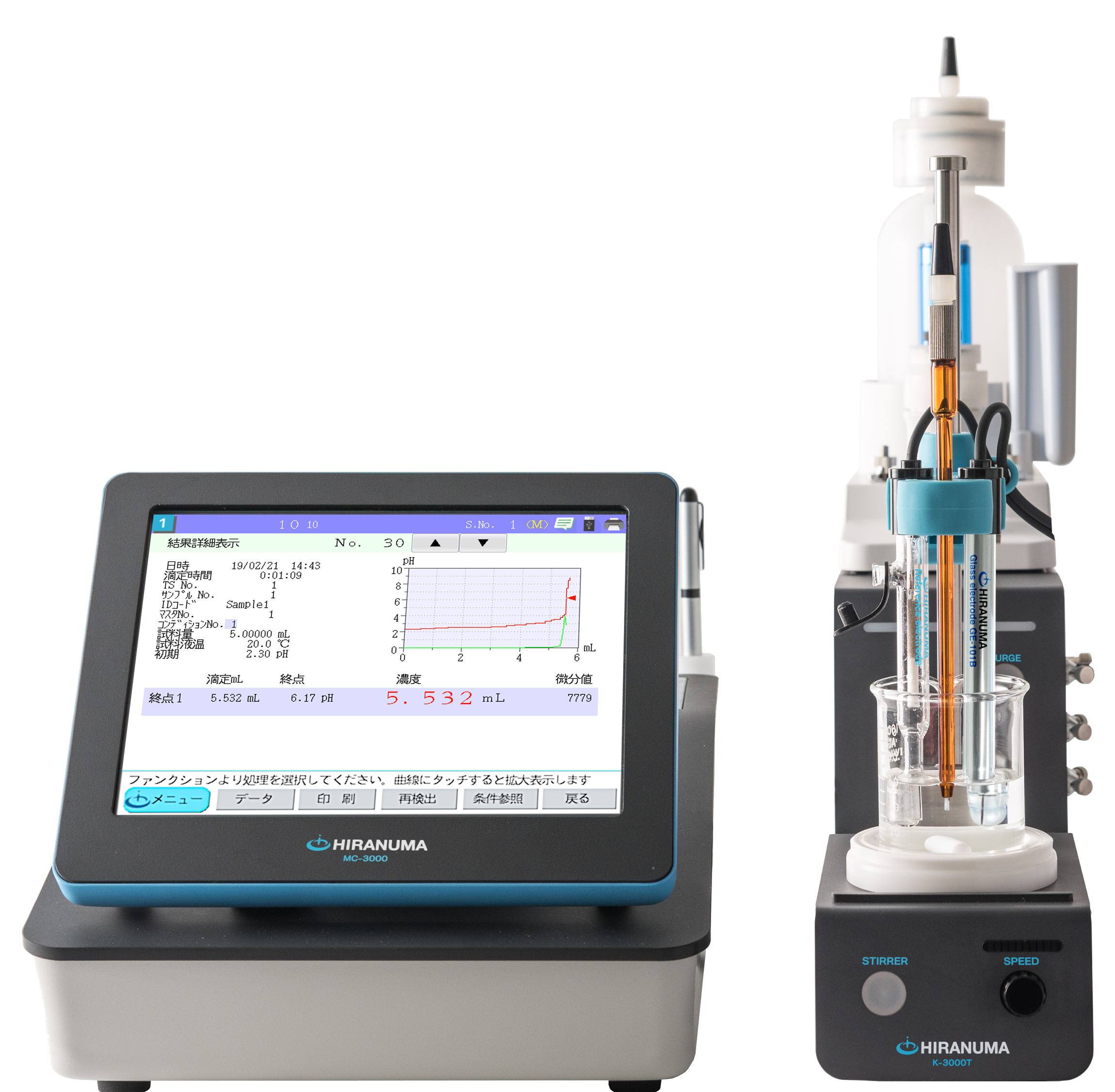
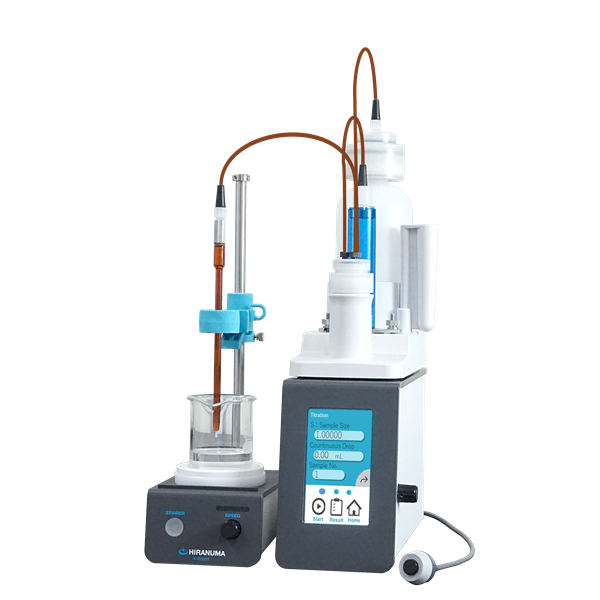
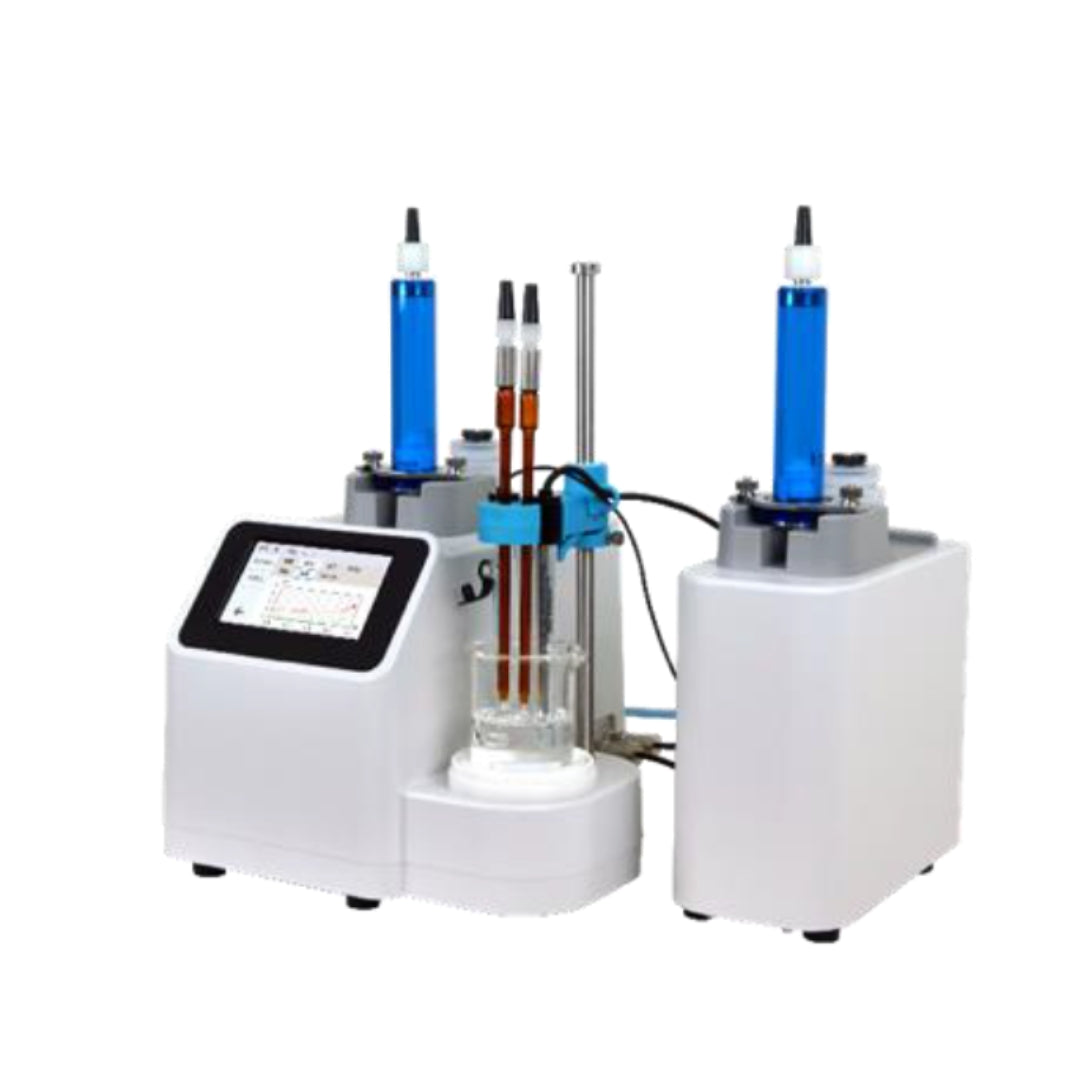
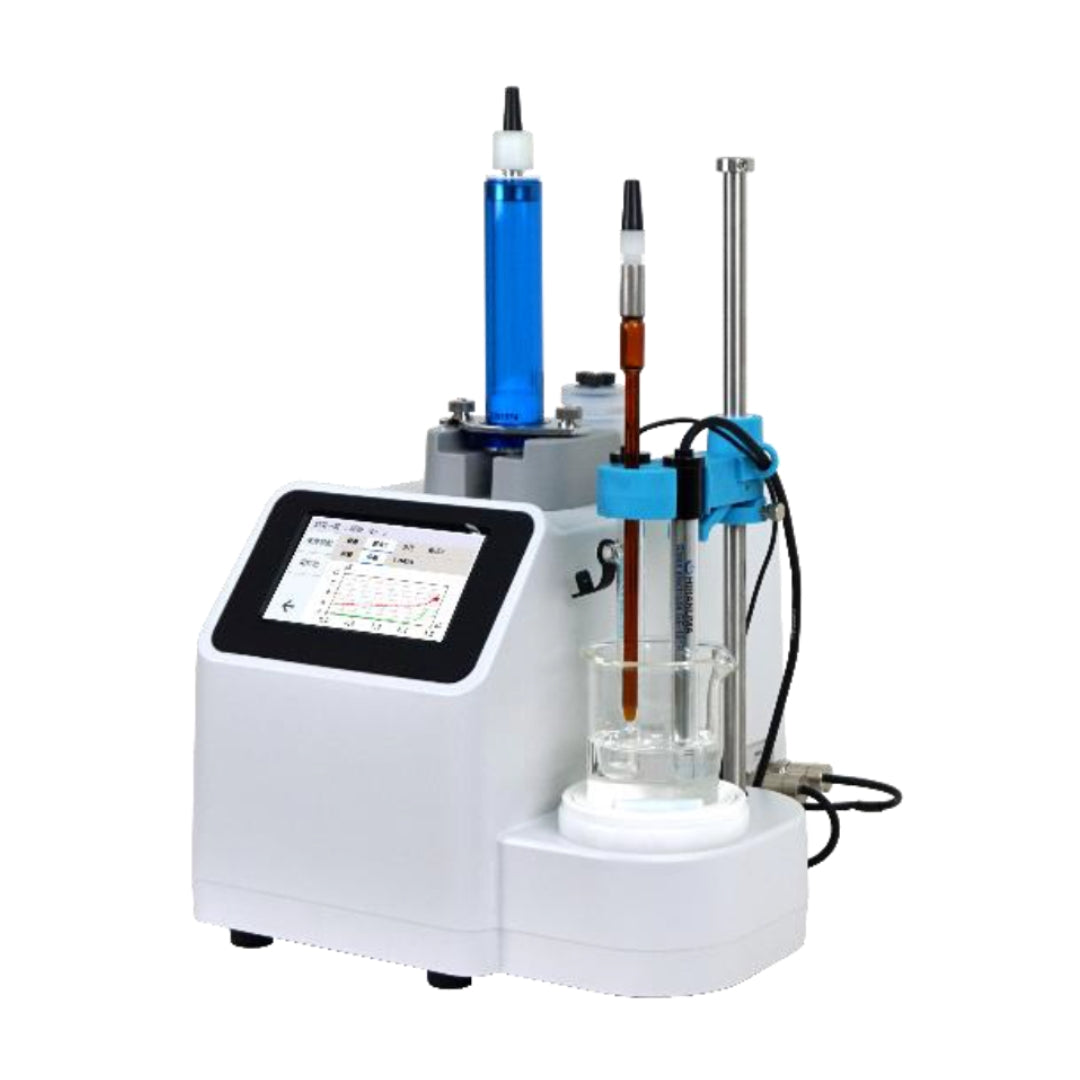
The most widely used method is ASTM D664, which uses potentiometric titration:
- Oil sample dissolved in solvent
- Titrated with KOH solution
- Endpoint detected automatically using electrode
👉 This method measures all acidic species in the oil
📊 What the Results Mean
- Low acid number → Fresh or stable oil
- Increasing acid number → Oxidation and aging
- Rapid increase → Oil nearing end of life
👉 Trending acid number over time is more important than a single measurement
⚠️ Limitations of Manual Methods
- Visual endpoint detection (ASTM D974) → operator dependent
- Lower accuracy for darker or contaminated oils
- Poor reproducibility in routine analysis
✅ Advantages of Potentiometric Titration
- Automatic endpoint detection
- High precision and repeatability
-