Karl Fischer & Potentiometric Titration Application Library
Determination of hydrogen peroxide and sulfuric acid in etching solution | Autotitrator COM-A19
Sulfuric acid and hydrogen peroxide are main components of the etching solution which is used for cleaning the copper surface (soft etching) or half etching. The concentration of sulfuric acid and hydrogen peroxide have to be properly controlled to maintain constant etching speed because hydrogen peroxide readily decomposes by itself. This report introduces a measurement example as below.
1) Determination of sulfuric acid by neutralization titration with sodium hydroxide・・・(1)
2) Determination of hydrogen peroxide by redox titration with potassium permanganate standard solution.・・・ (2)
H₂SO₄ + 2NaOH → Na₂SO₄ + H₂O・・・(1)
5H₂O₂ + 2KMnO₄ + 3H₂SO₄ → K₂SO₄ + 2MnSO₄ + 8H₂O + 5O₂・・・(2)
1) Determination of sulfuric acid by neutralization titration with sodium hydroxide・・・(1)
2) Determination of hydrogen peroxide by redox titration with potassium permanganate standard solution.・・・ (2)
H₂SO₄ + 2NaOH → Na₂SO₄ + H₂O・・・(1)
5H₂O₂ + 2KMnO₄ + 3H₂SO₄ → K₂SO₄ + 2MnSO₄ + 8H₂O + 5O₂・・・(2)
Determination of Tin (Sn²⁺) in solder plating solution | Autotitrator COM-A19
Control active tin (Sn²⁺) levels in solder plating baths to improve coating quality and prevent oxidation-related process instability.
Chromium (Cr⁶⁺ and Cr³⁺) Analysis in Plating Baths for Process and Environmental Control
Control hexavalent and trivalent chromium levels in plating baths to improve coating performance, reduce defects, and support environmental compliance.
Nickel Chloride Analysis in Nickel Plating Baths for Process Control
Nickel chloride plays a critical role in plating bath conductivity and anode performance. Learn how accurate analysis improves process stability and coating quality.
Determination of alkalinity in bottled water | Autotitrator COM-A19
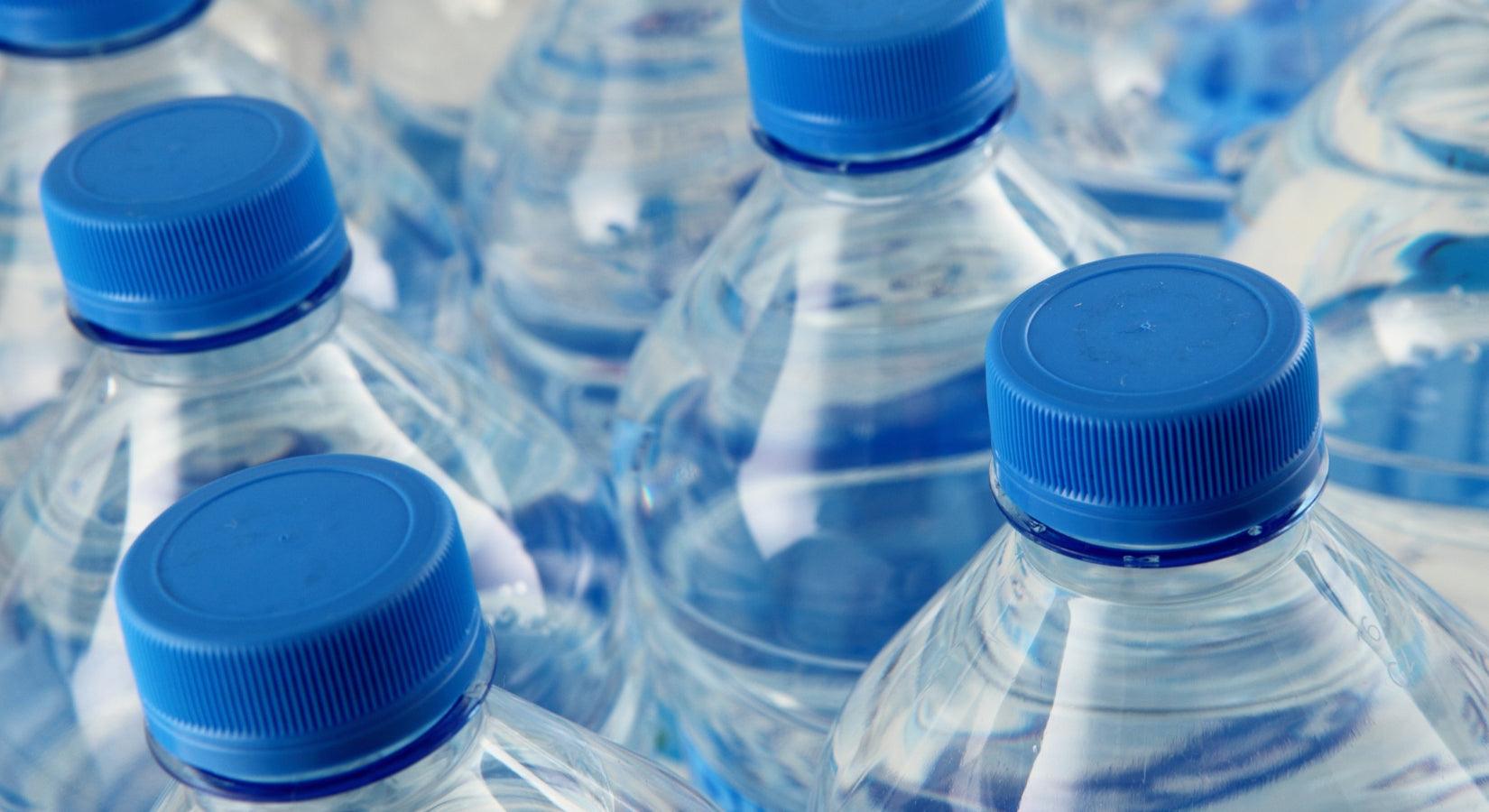
Natural water contains alkaline components such as hydroxides and carbonates. Such water indicates alkaline pH, the alkalinity is used as an index. The alkalinity is expressed as mg/L of calcium carbonate (CaCO₃) equivalent for these alkaline components. Alkalinity is divided into phenolphthalein alkalinity (P alkalinity) and total alkalinity (T alkalinity or M alkalinity) by the pH value of neutralization point.
Total amount of the hydroxides and half amount of carbonates are measured when it is titrated to about pH 8.3 with sulfuric acid titrant.
2OH⁻ + H₂SO₄ → SO₄²⁻ + 2H₂O
2CO₃²⁻ + H₂SO₄ → SO₄²⁻ + 2HCO₃⁻
All of the bicarbonates are neutralized when it is titrated successively to about pH 4.8.
HCO₃⁻ + H₂SO₄ → SO₄²⁻ + 2CO₂ + H₂O
This report introduces a measurement example for bottled water using potentiometric titration as end point detection method according to Standard Methods for the Examination of Water.
Total amount of the hydroxides and half amount of carbonates are measured when it is titrated to about pH 8.3 with sulfuric acid titrant.
2OH⁻ + H₂SO₄ → SO₄²⁻ + 2H₂O
2CO₃²⁻ + H₂SO₄ → SO₄²⁻ + 2HCO₃⁻
All of the bicarbonates are neutralized when it is titrated successively to about pH 4.8.
HCO₃⁻ + H₂SO₄ → SO₄²⁻ + 2CO₂ + H₂O
This report introduces a measurement example for bottled water using potentiometric titration as end point detection method according to Standard Methods for the Examination of Water.
Determination of residual chlorine in tap water | Autotitrator COM-A19
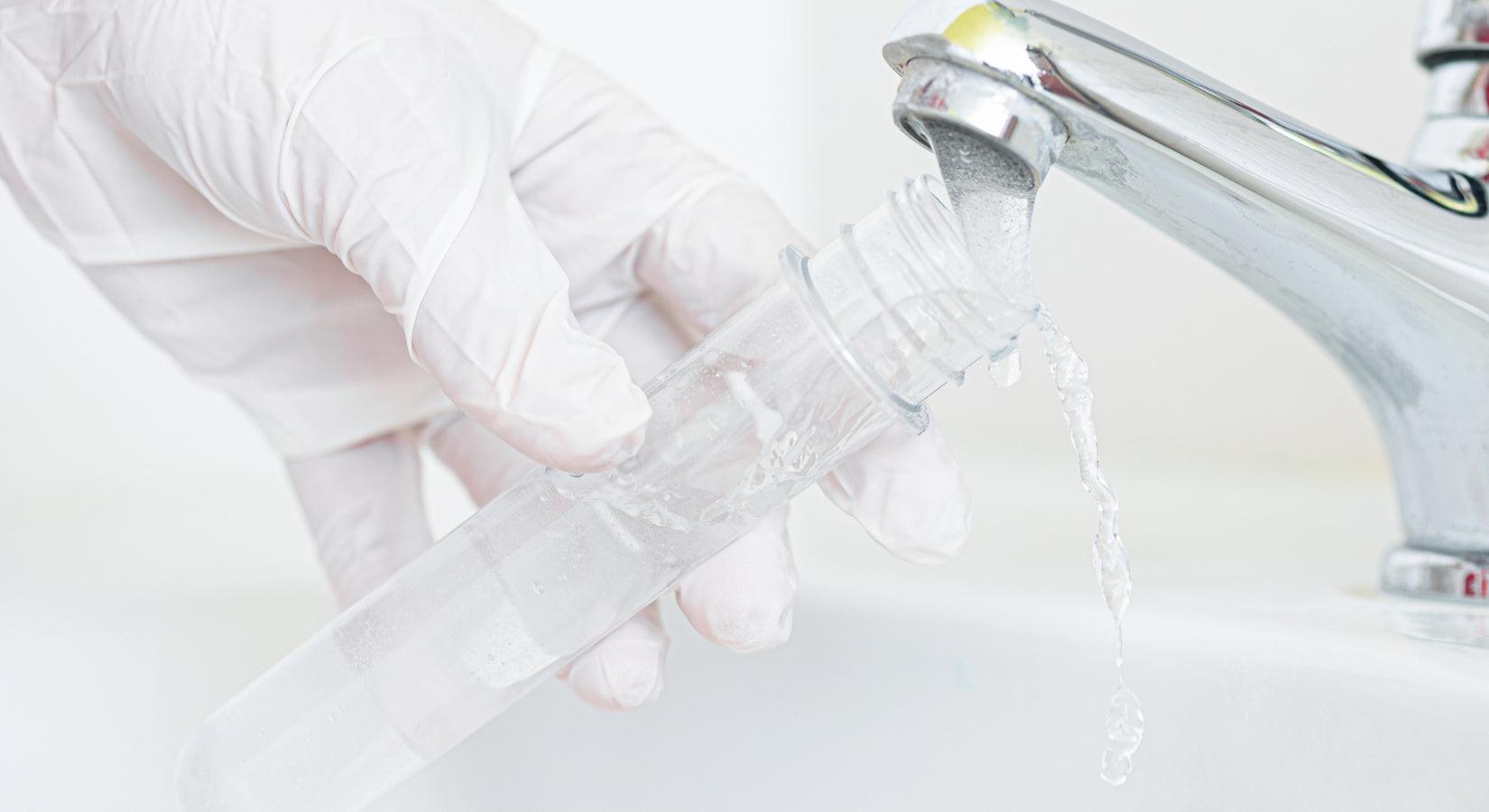
Tap water chlorinated from lake water and river water contains residual chlorine. The residual chlorine is sometimes called available chlorine, which is composed of free residual chlorine and combined residual chlorine.
Standard Methods for the Examination of Water adopts the following methods as determination method for residual chlorine.
・Dimethyl -p- phenylenediamine (DPD) method ………………………………………………Colorimetric method
・Dimethyl -p- phenylenediamine (DPD) titration method………………………………………Titration method
・Amperometric titration method (Titration method with phenylarsenoxide solution) ………Titration method
・Iodometric titration method………………………………………………………………………Titration method
This report introduces an example for determination of residual chlorine in tap water with iodometric titration method.
Residual chlorine oxidizes potassium iodide in acidic solution to generate free iodine.
Cl₂ + 2I⁻ → I₂ + 2Cl⁻
The generate iodine is potentiometrically titrated with sodium thiosulfate standard solution.
I₂ + 2Na₂S₂O₃ → 2NaI + Na₂S₄O₆
Standard Methods for the Examination of Water adopts the following methods as determination method for residual chlorine.
・Dimethyl -p- phenylenediamine (DPD) method ………………………………………………Colorimetric method
・Dimethyl -p- phenylenediamine (DPD) titration method………………………………………Titration method
・Amperometric titration method (Titration method with phenylarsenoxide solution) ………Titration method
・Iodometric titration method………………………………………………………………………Titration method
This report introduces an example for determination of residual chlorine in tap water with iodometric titration method.
Residual chlorine oxidizes potassium iodide in acidic solution to generate free iodine.
Cl₂ + 2I⁻ → I₂ + 2Cl⁻
The generate iodine is potentiometrically titrated with sodium thiosulfate standard solution.
I₂ + 2Na₂S₂O₃ → 2NaI + Na₂S₄O₆
Calcium hardness in tap water | Autotitrator COM-A19
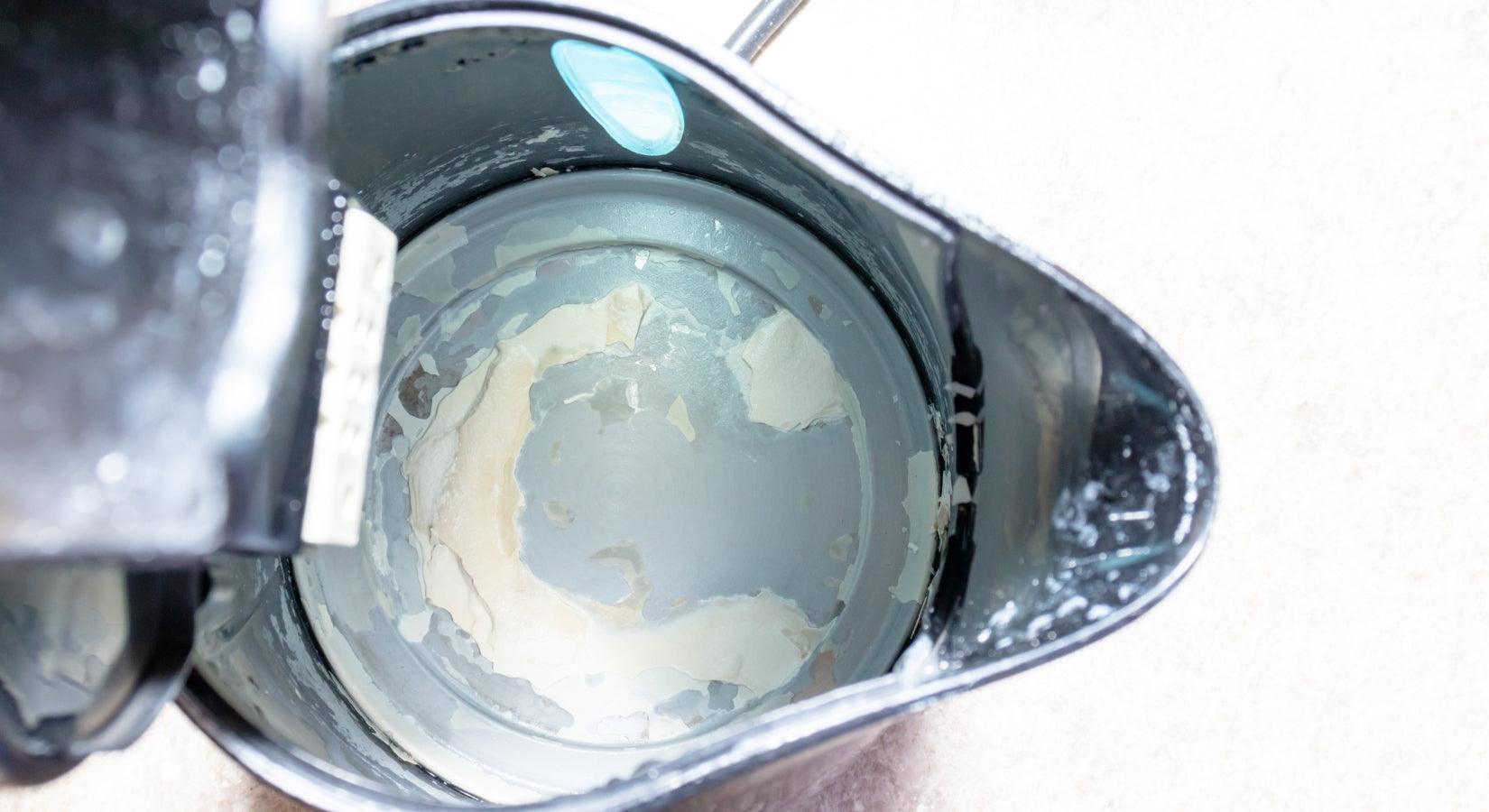
There are determination methods for hardness in tap water as follows: (1) Total hardness defined as the sum of calcium and magnesium ion converted to mg/L as calcium carbonate (CaCO3), (2) Calcium hardness determined by calcium ion concentration.
The measurement method for calcium hardness is similar to that of total hardness. Adjust the pH of sample water to higher than pH 12 with sodium hydroxide to mask the reaction of magnesium and EDTA. Start titration with 2-hydroxy-1-(2-hydroxy-4-sulfo-1-naphthylazo)-3-naphthoic acid (NN) indicator. Its color changes from red to blue.
CaCO₃ + Na₂EDTA → CaEDTA + Na₂CO₃
This report introduces an example of calcium hardness measurement for tap water with photometric titration method using EDTA standard solution according to the Standard Methods for the Examination of Water.
The measurement method for calcium hardness is similar to that of total hardness. Adjust the pH of sample water to higher than pH 12 with sodium hydroxide to mask the reaction of magnesium and EDTA. Start titration with 2-hydroxy-1-(2-hydroxy-4-sulfo-1-naphthylazo)-3-naphthoic acid (NN) indicator. Its color changes from red to blue.
CaCO₃ + Na₂EDTA → CaEDTA + Na₂CO₃
This report introduces an example of calcium hardness measurement for tap water with photometric titration method using EDTA standard solution according to the Standard Methods for the Examination of Water.
Total hardness in tap water | Autotitrator COM-A19
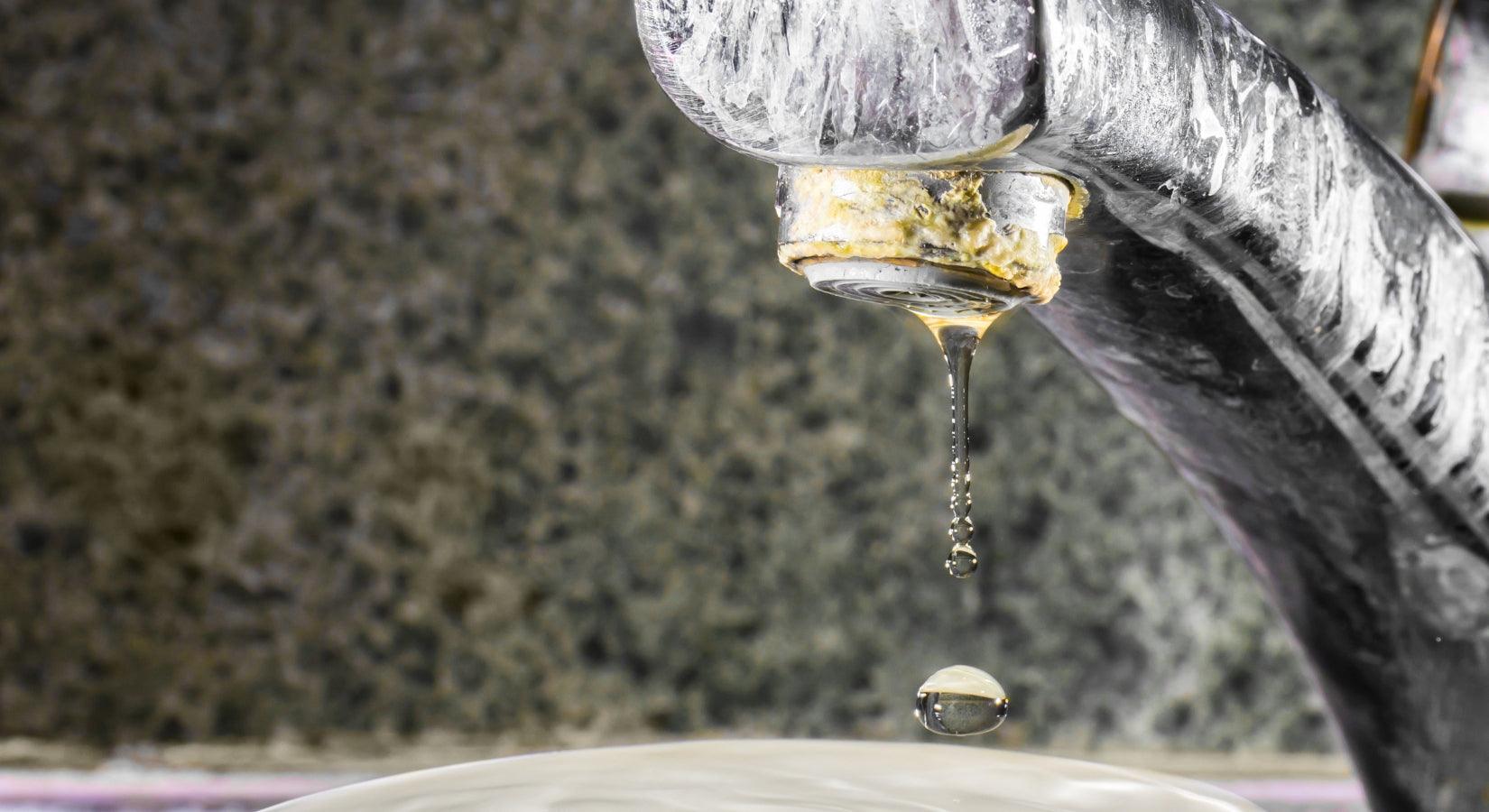
Hardness in water is total amount of calcium and magnesium ion in water converted to mg/L of comparable calcium carbonate. “Hardness” has the following types:
(1) Total hardness Total amount of calcium and magnesium ions
(2) Calcium hardness Calcium ion
(3) Magnesium hardness (Total hardness) – (Calcium hardness)
(4) Non-carbonate hardness (Permanent hardness)
(5) Carbonate hardness (Temporary hardness)
These are stipulated in some applicable standard such as Standard Methods for the Examination of Water, Standard Methods of Analysis for Hygienic Chemists, and JIS K0101 Testing methods for industrial water etc.
This report introduces an example for determination of total hardness in tap water with photometric titration method using EDTA standard solution according to the Standard Methods for the Examination of Water.
Take 100 mL of sample and add 1 mL of 0.01 mol/L magnesium chloride, 2 mL ammonia buffer, and 0.2 mL of EBT indicator. Titrate with 0.01 mol/L EDTA standard solution (red →blue color). Perform the same procedure for 100 mL of DI water instead of sample as blank measurement.
CaCO₃ + Na₂EDTA → Ca-EDTA + Na₂CO₃
MgCO₃ + Na₂EDTA → Mg-EDTA + Na₂CO₃
(1) Total hardness Total amount of calcium and magnesium ions
(2) Calcium hardness Calcium ion
(3) Magnesium hardness (Total hardness) – (Calcium hardness)
(4) Non-carbonate hardness (Permanent hardness)
(5) Carbonate hardness (Temporary hardness)
These are stipulated in some applicable standard such as Standard Methods for the Examination of Water, Standard Methods of Analysis for Hygienic Chemists, and JIS K0101 Testing methods for industrial water etc.
This report introduces an example for determination of total hardness in tap water with photometric titration method using EDTA standard solution according to the Standard Methods for the Examination of Water.
Take 100 mL of sample and add 1 mL of 0.01 mol/L magnesium chloride, 2 mL ammonia buffer, and 0.2 mL of EBT indicator. Titrate with 0.01 mol/L EDTA standard solution (red →blue color). Perform the same procedure for 100 mL of DI water instead of sample as blank measurement.
CaCO₃ + Na₂EDTA → Ca-EDTA + Na₂CO₃
MgCO₃ + Na₂EDTA → Mg-EDTA + Na₂CO₃
Quantitative determination of chloride ions in tap water | Autotitrator COM-A19
Quantitative determination for chloride ions in tap water is stipulated in Standard Methods for the Examination of Water, and Standard Methods of Analysis for Hygienic Chemists, etc. A small amount of chloride ion is contained in natural water, it is said to increase due to contamination of domestic drainage, industrial drainage, and farming drainage, etc. Standard Methods for the Examination of Water adopts ion exchange chromatograph method and Mohr method (titration method) as the chloride quantitative determination method. The detection limit for ion exchange chromatograph method is 0.2 mg/L. Mohr method is generally applied for samples including chloride ions in mg/L or more. This report introduces the Mohr method with precipitation titration, which quantifies chlorides by potentiometric titration with silver indicator electrode instead of the color indicator titration described in Standard Methods for the Examination of Water.
100 mL of the sample water is collected and acidified with nitric acid for potentiometric titration with silver nitrate titrant.
Cl⁻ + AgNO₃ → AgCl↓ + NO₃⁻
100 mL of the sample water is collected and acidified with nitric acid for potentiometric titration with silver nitrate titrant.
Cl⁻ + AgNO₃ → AgCl↓ + NO₃⁻
Standardization of benzethonium chloride standard solution | Autotitrator COM-A19
The determination method of anion surfactant uses a cation surfactant, with an opposite charge, as the titrant. The end point is the point at which the charge becomes neutral due to the reaction between the anion and the cation. Benzethonium chloride is used as the cation standard solution.
This report introduces a method for standardization of benzethonium chloride standard solution. Sodium dodecyl sulfate is used for standard solution. First, determine the purity of sodium dodecyl sulfate. Add diluted sulfuric acid to sodium dodecyl sulfate, heat to reflux, and then titrate with sodium hydroxide standard solution.
Subsequently, prepare the standard solution of sodium dodecyl sulfate whose purity has been determined, and standardize the benzethonium chloride standard solution with titration against sodium dodecyl sulfate standard solution.
This report introduces a method for standardization of benzethonium chloride standard solution. Sodium dodecyl sulfate is used for standard solution. First, determine the purity of sodium dodecyl sulfate. Add diluted sulfuric acid to sodium dodecyl sulfate, heat to reflux, and then titrate with sodium hydroxide standard solution.
Subsequently, prepare the standard solution of sodium dodecyl sulfate whose purity has been determined, and standardize the benzethonium chloride standard solution with titration against sodium dodecyl sulfate standard solution.
Sodium Sulfate Determination by Potentiometric Titration (Lead ISE Method)
Accurate sodium sulfate determination in formulated products using potentiometric titration. Reliable QC method using lead ion-selective electrode.

Determination of anion surfactant in detergent | Autotitrator
The determination method of anion surfactant uses a cation surfactant with an opposite charge as the titrant. The end point is the point at which the charge becomes neutral due to the reaction between the anion and the cation. Benzethonium chloride is used as the cation standard solution.
This report introduces an example of determination of anion surfactant sodium alkylbenzene sulfonate in detergent by potentiometric titration using a surfactant electrode as an indicator electrode.
This report introduces an example of determination of anion surfactant sodium alkylbenzene sulfonate in detergent by potentiometric titration using a surfactant electrode as an indicator electrode.