Water Content Determination in Gasoline and Heavy Oil Using Karl Fischer Titration
Water contamination in petroleum products such as gasoline and heavy oil can significantly impact fuel quality, storage stability, and equipment performance.
Even small amounts of water can lead to:
- Corrosion of storage systems
- Reduced combustion efficiency
- Phase separation and instability
Accurate determination of water content is therefore essential for refining, transportation, and quality control.
⚗️ Method Overview: Karl Fischer Titration
Karl Fischer titration is the industry standard for moisture determination in petroleum products.
- Based on a chemical reaction between water and iodine
- Measures water content directly and selectively
- Applicable from ppm levels to percent levels
👉 It is one of the most accurate and widely accepted techniques for water determination in oils
📊 Why Karl Fischer is Used for Petroleum
- Detects free, emulsified, and dissolved water
- Works across gasoline, heavy oil, lubricants
- Provides high sensitivity (ppm level detection)
- Fast and reproducible results
👉 KF titration can detect water down to very low levels and is widely used for oil analysis
⚠️ Challenges in Petroleum Samples
- Heavy oils may require solubilizers or heating
- Interference from sulfur compounds (in some samples)
- Low water levels require high sensitivity methods
👉 Accurate measurement in petroleum matrices can be challenging due to complex composition
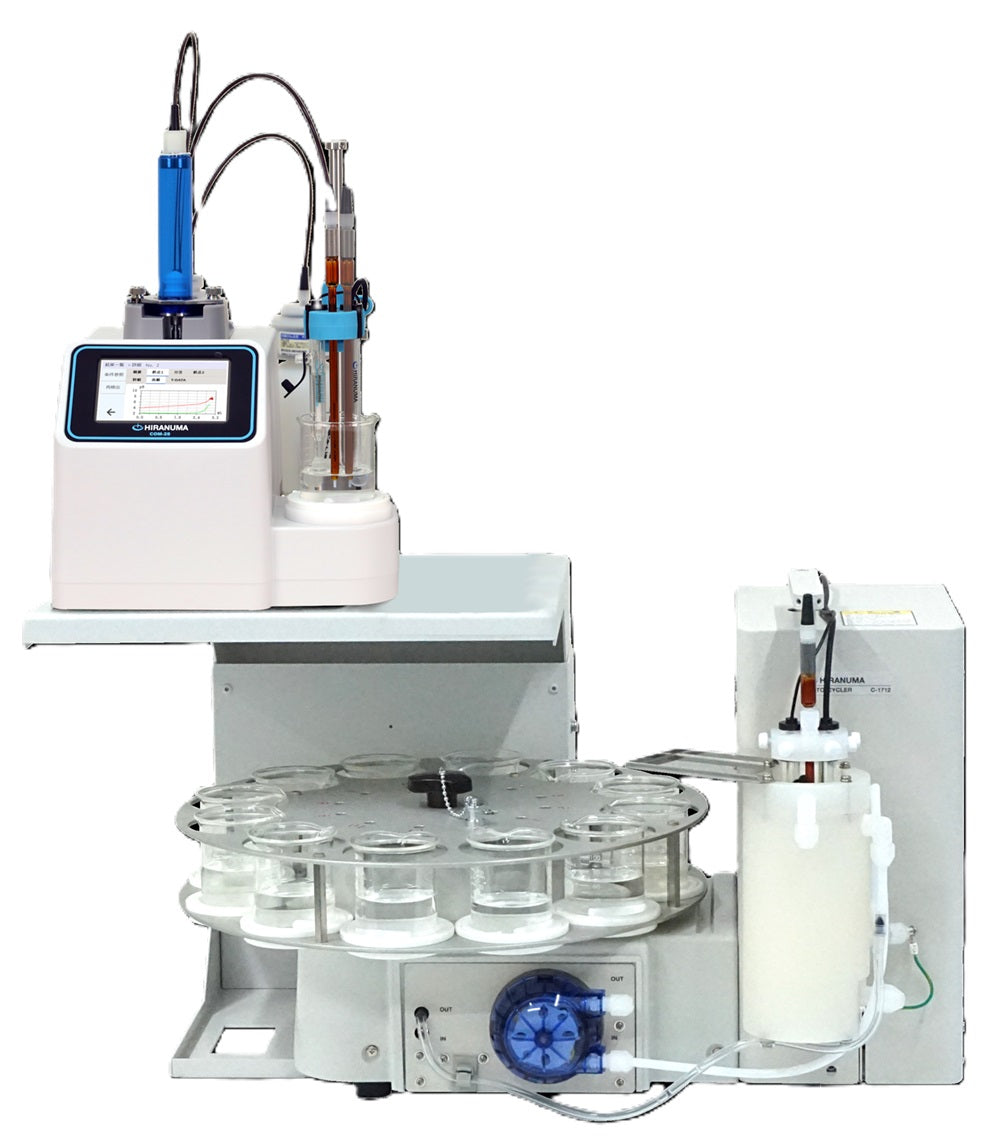
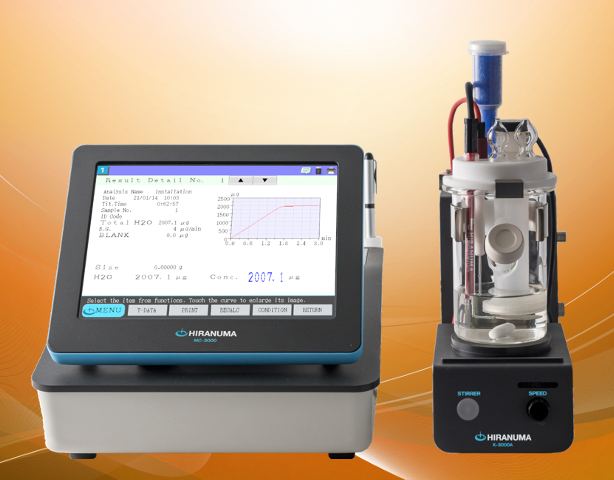
✅ Solution: Automated Karl Fischer Systems
Modern KF systems (your angle):
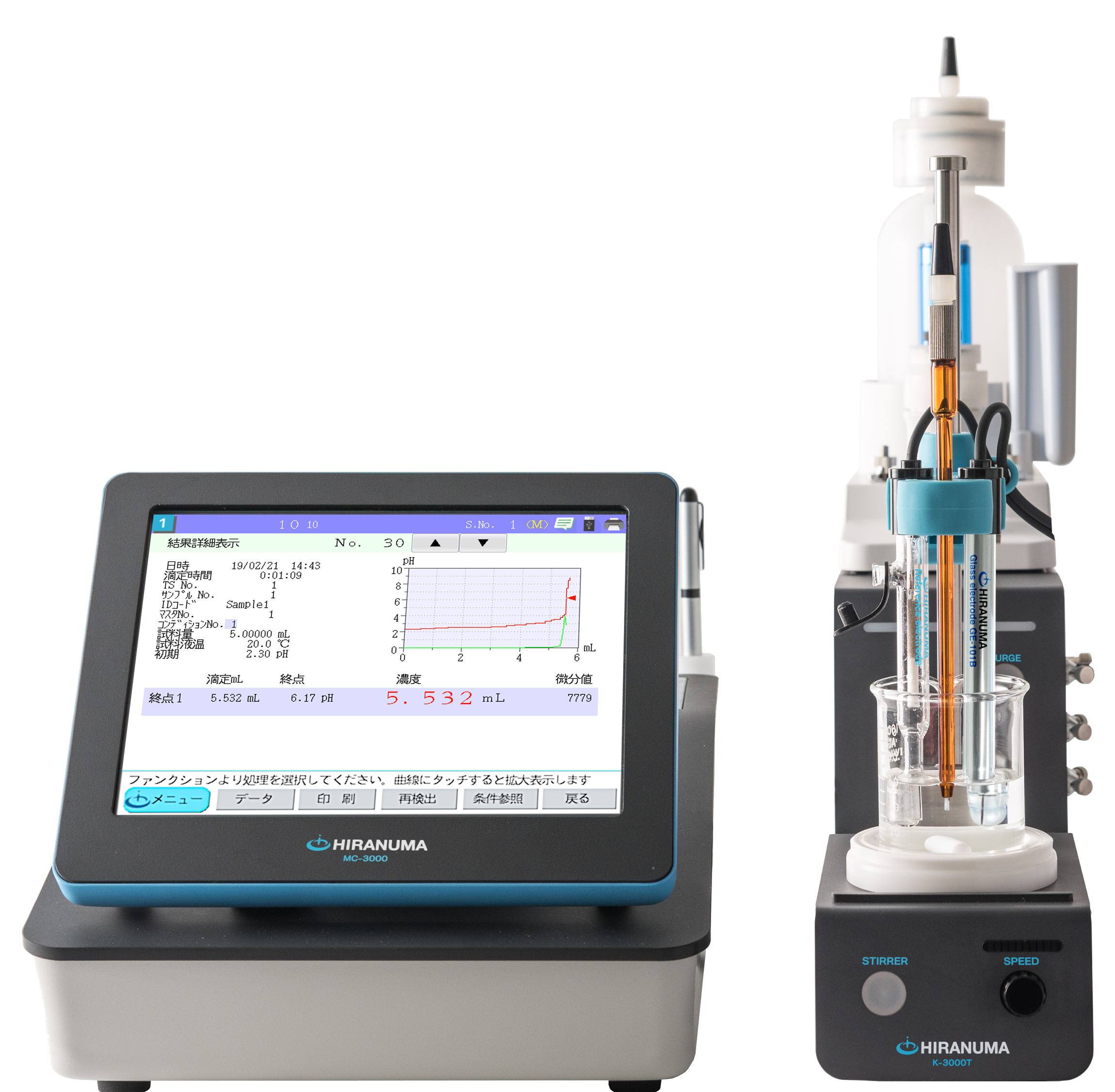
- Automated titration and endpoint detection
- Improved reproducibility
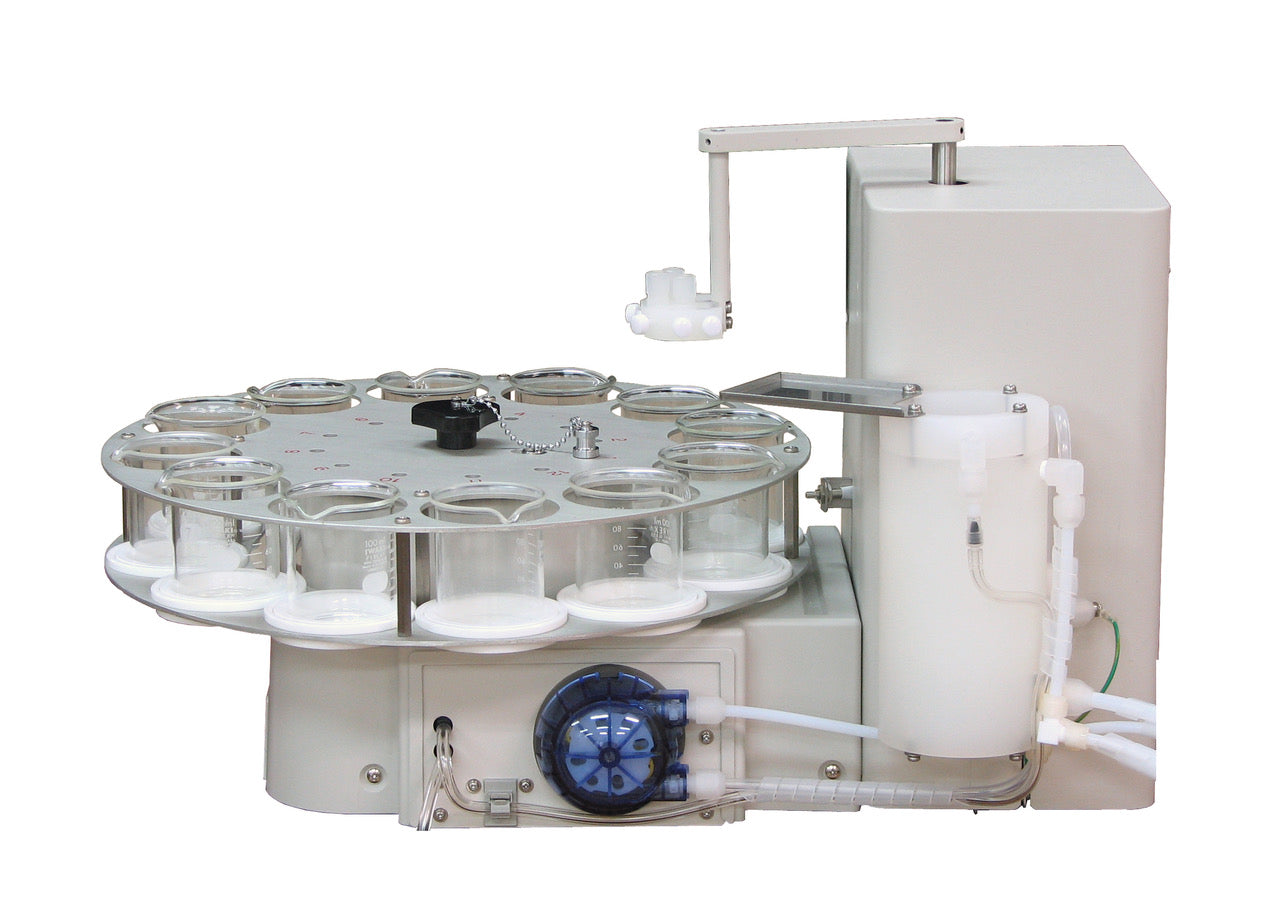
- Compatible with oven methods for heavy oils
- Reduced operator error
👉 Oven methods improve reliability for difficult samples like heavy oil
⚙️ Typical Workflow
- Sample injection (gasoline) or thermal extraction (heavy oil)
- Water reacts with Karl Fischer reagent
- Endpoint detected automatically
- Water content calculated (ppm or %)
💡 Why This Matters
- Ensure fuel meets specifications
- Prevent corrosion and equipment damage
- Improve storage and transport stability
- Maintain product quality and compliance
Related Petroleum Applications
- Acid Number (TAN) in Lubricating Oils – ASTM D664
- Base Number (TBN) in Engine Oils – ASTM D2896
👉 See our full Petroleum & Lubricant Analysis page for a complete overview of methods and instrumentation.
🔬 Recommended Systems
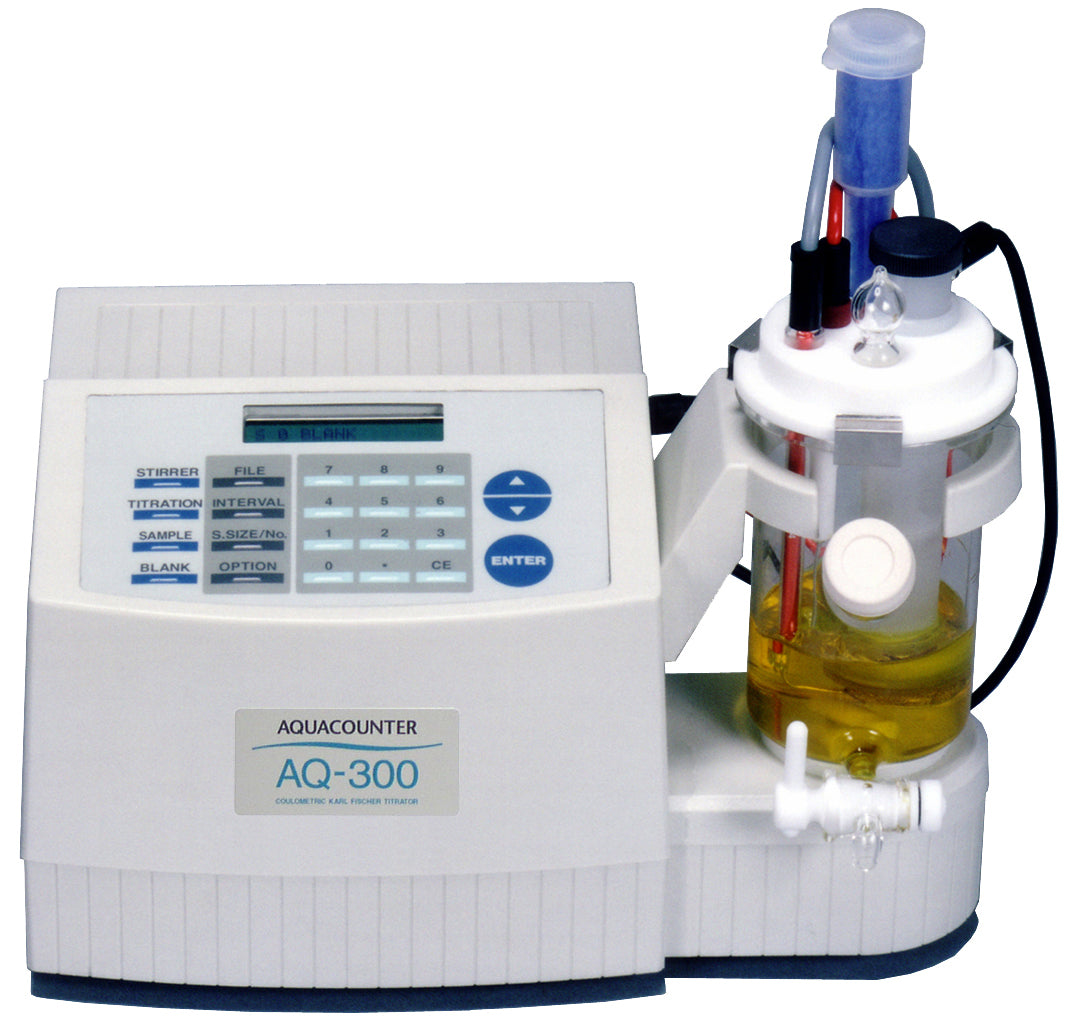
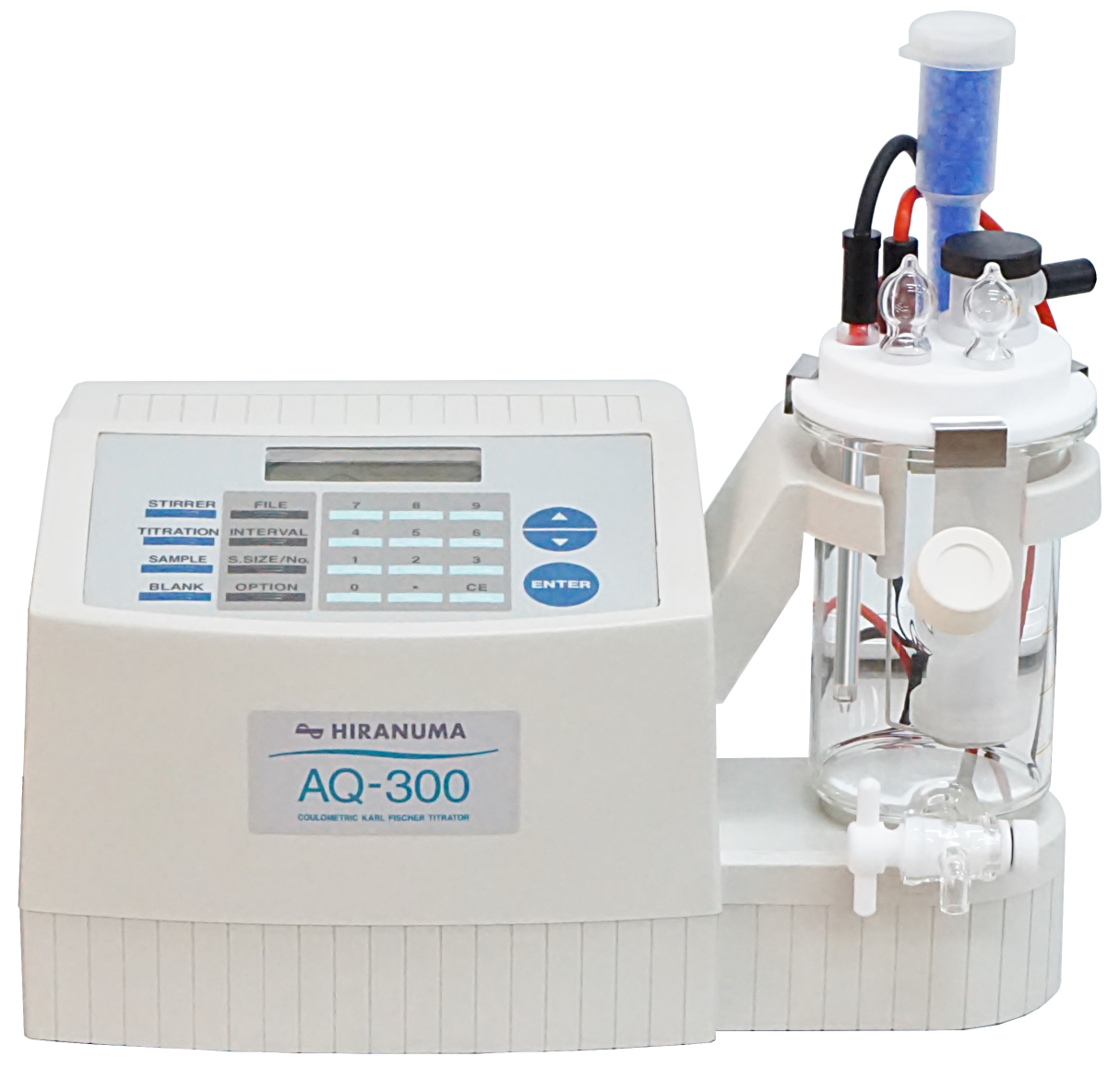
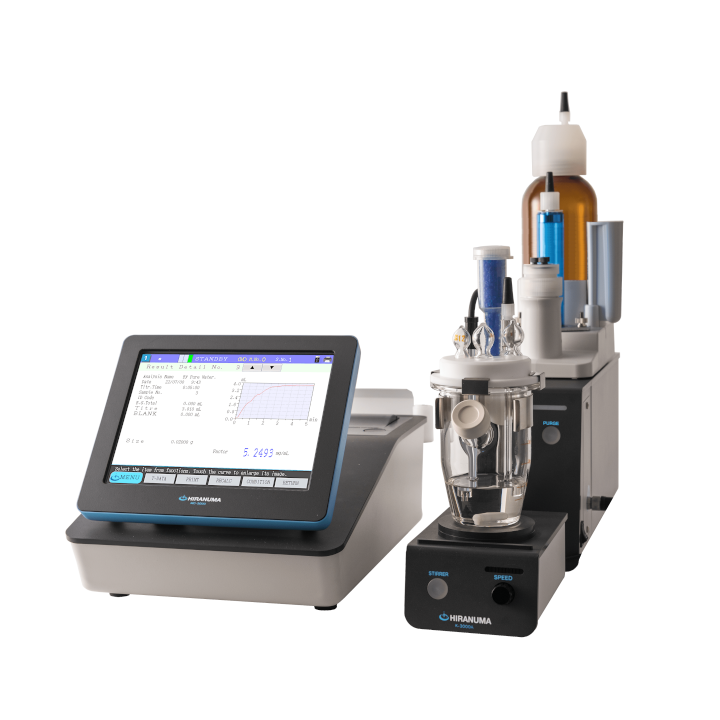
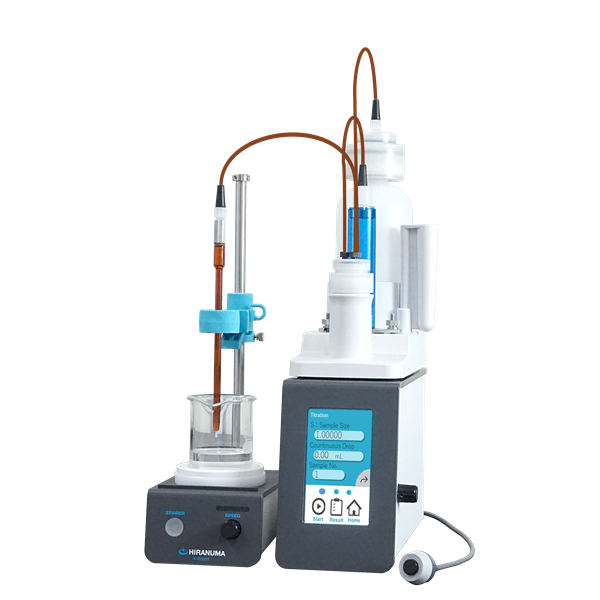
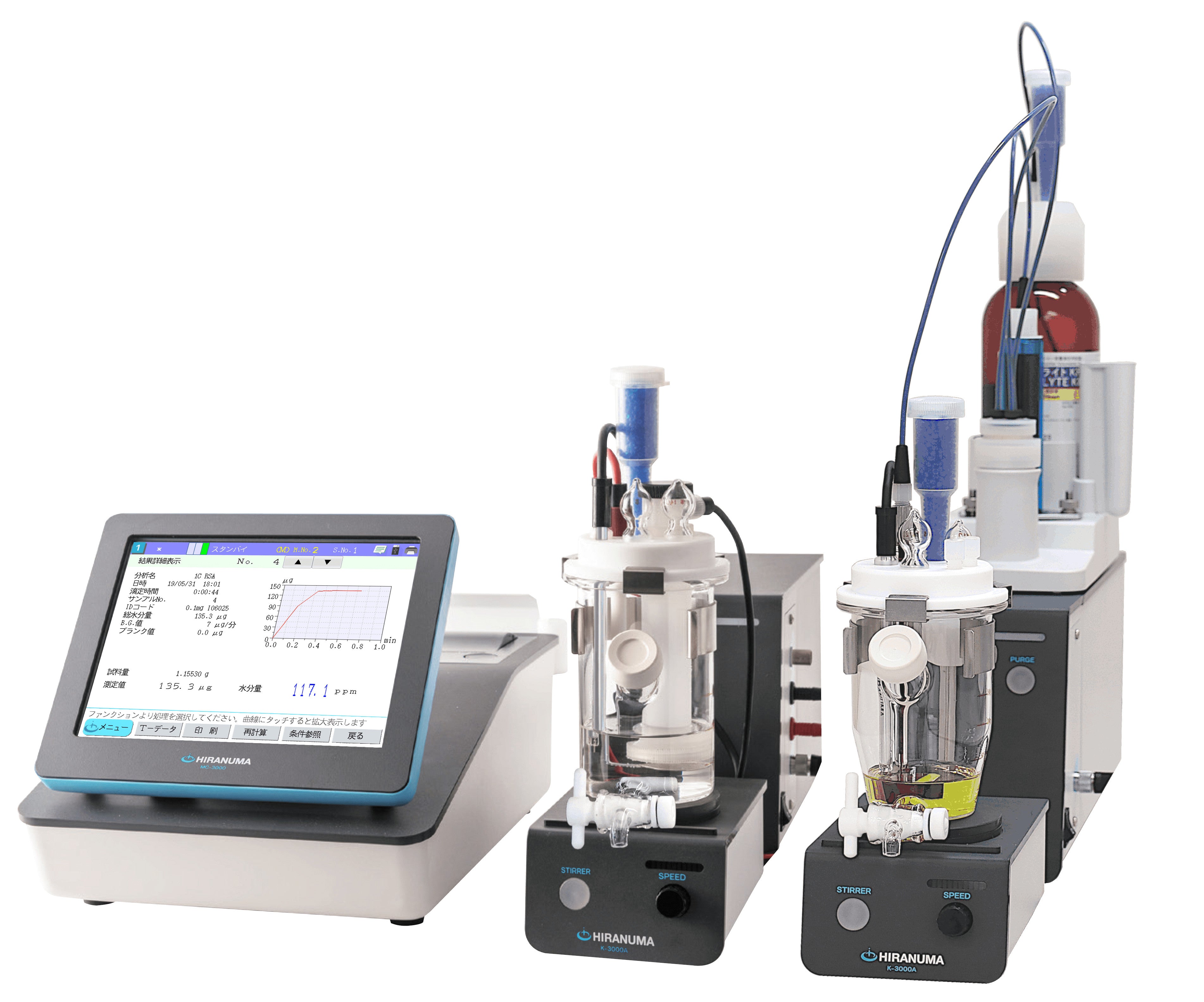
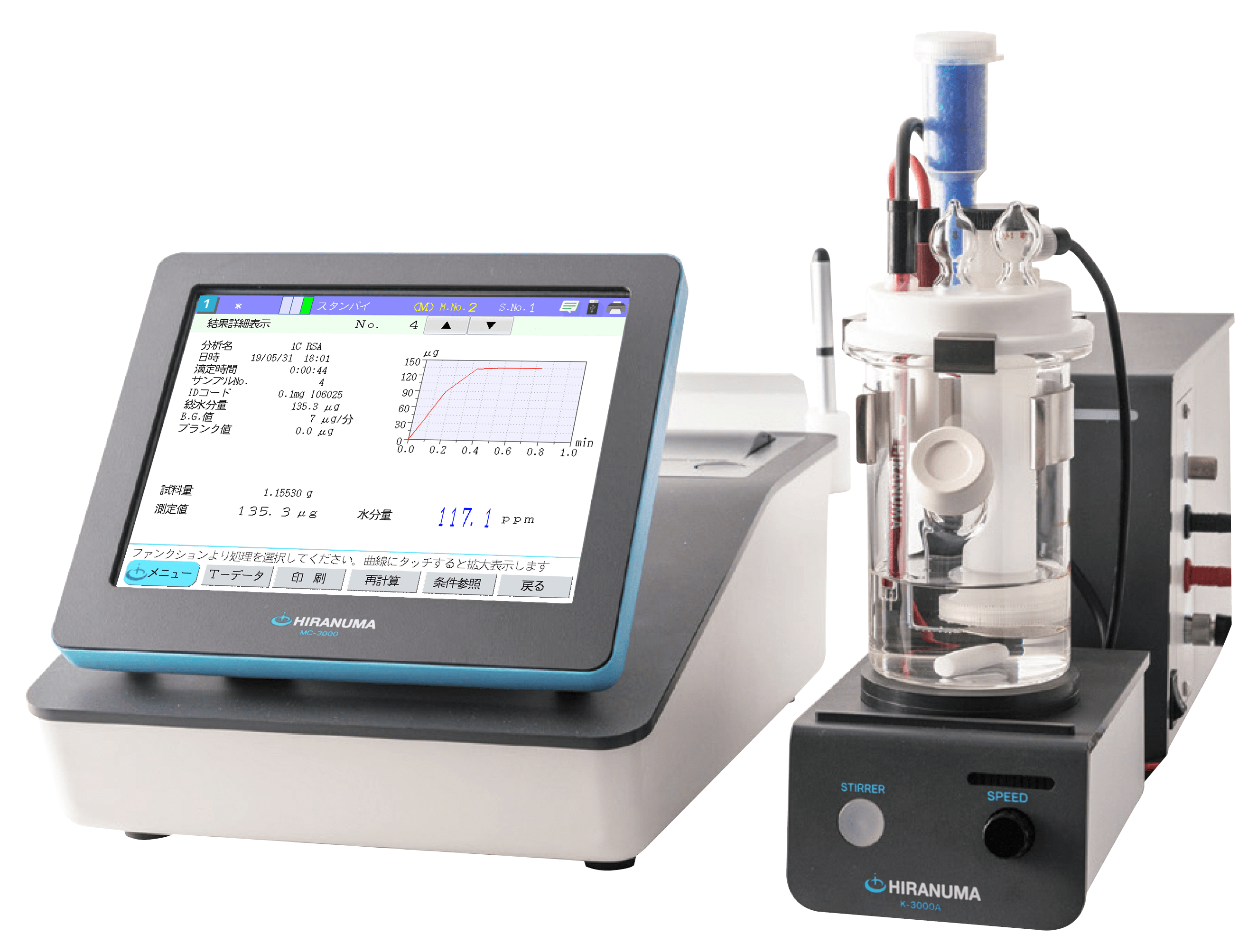
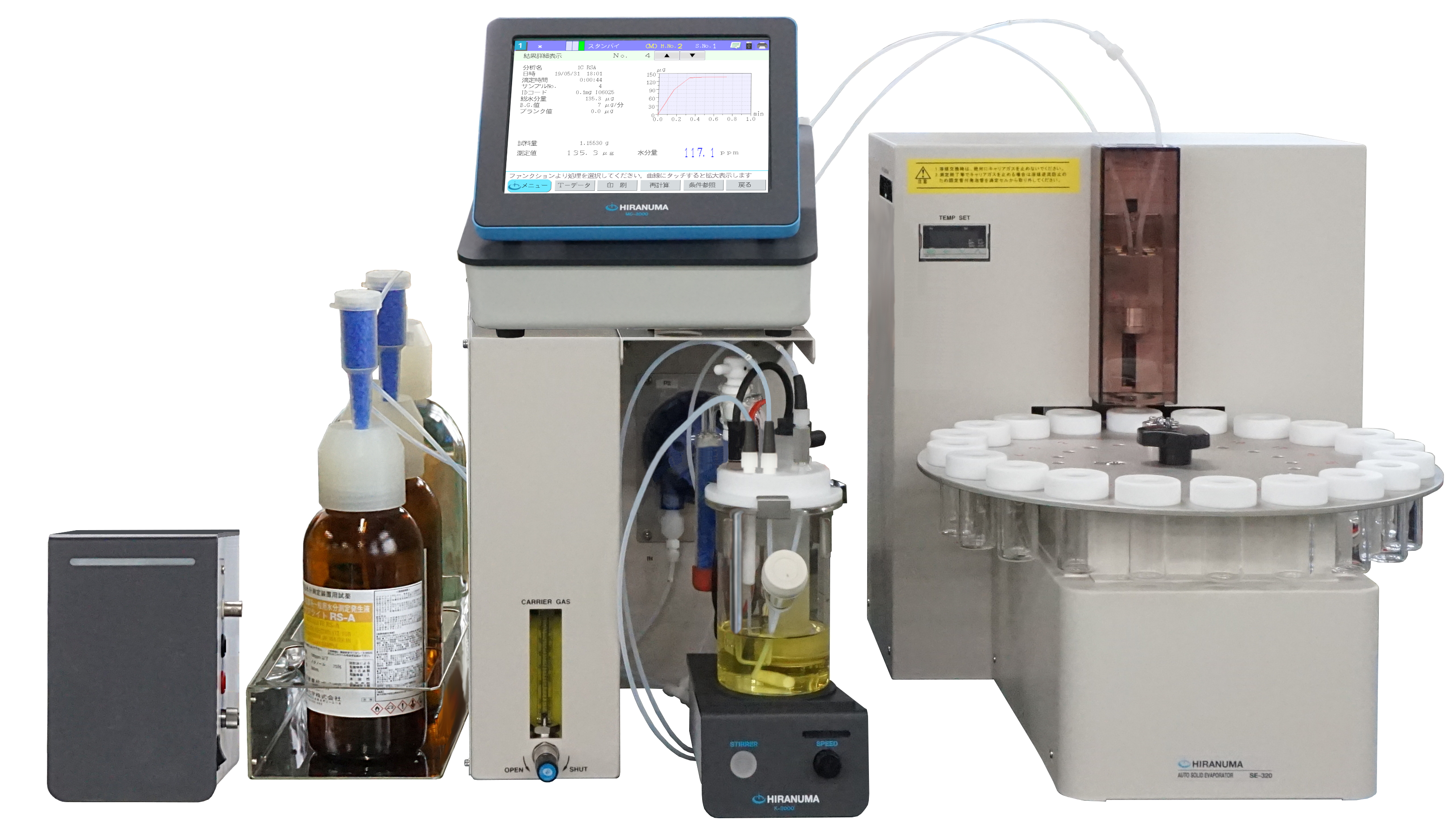
- AQ-300 Coulometric KF (trace moisture)
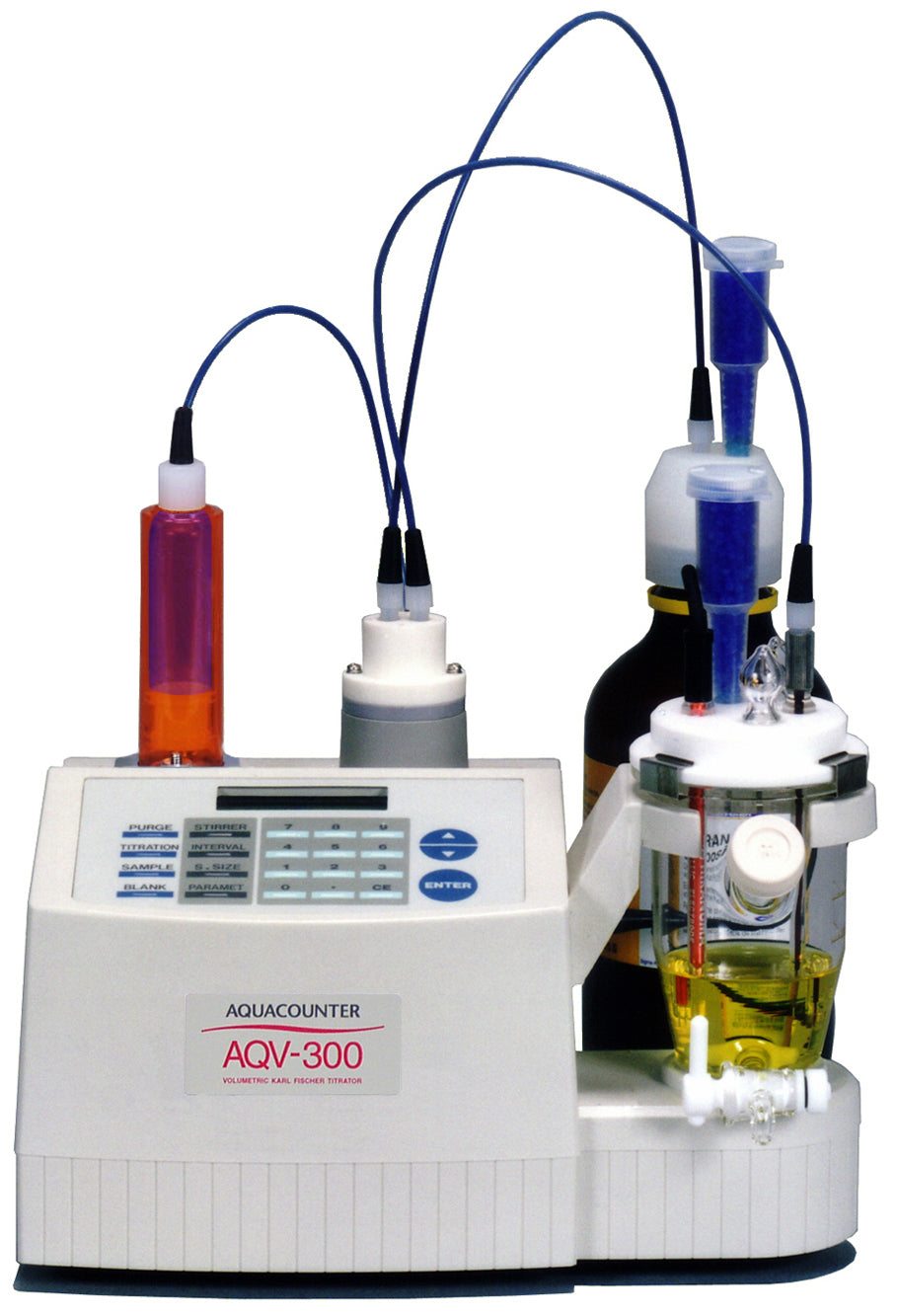
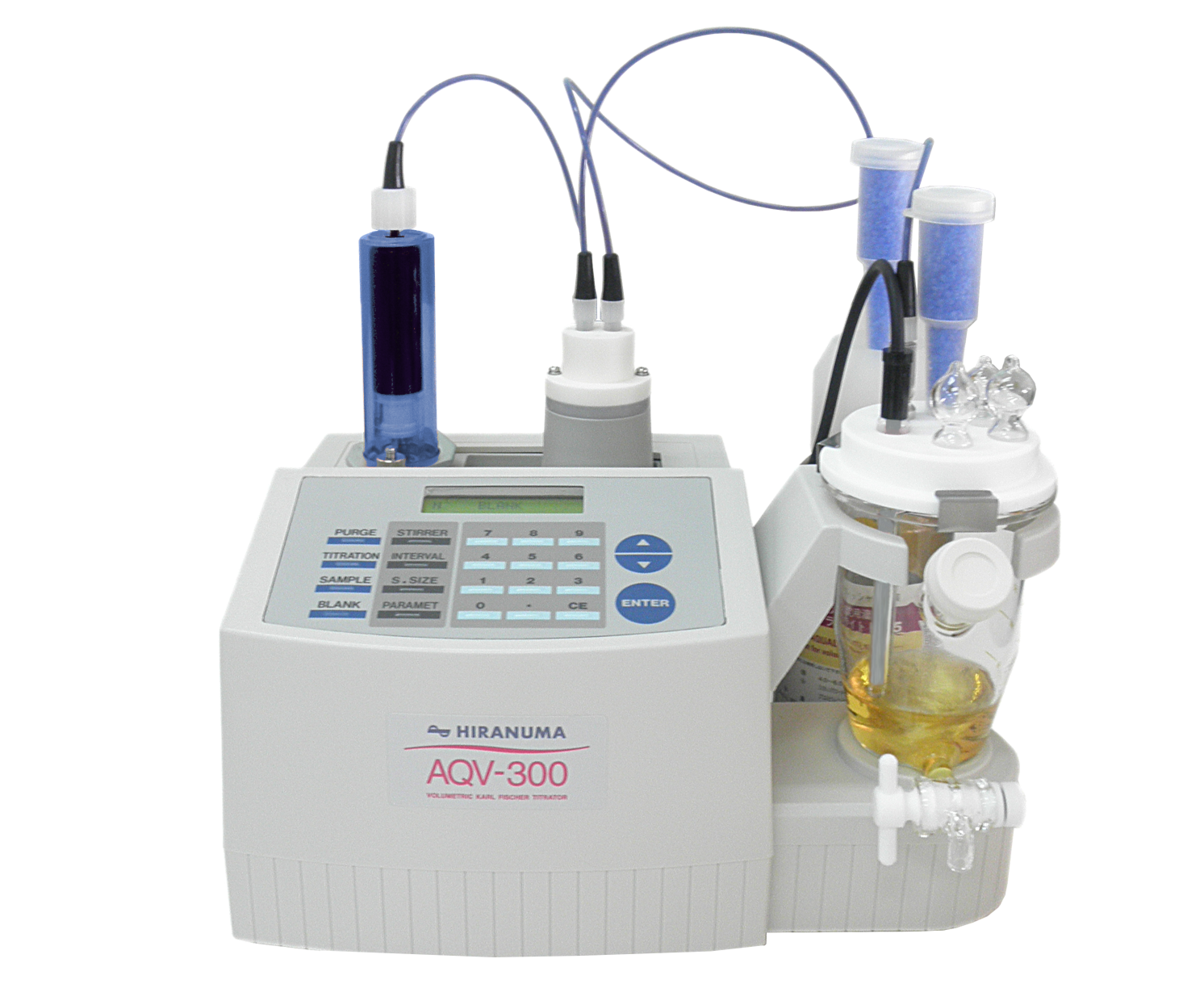
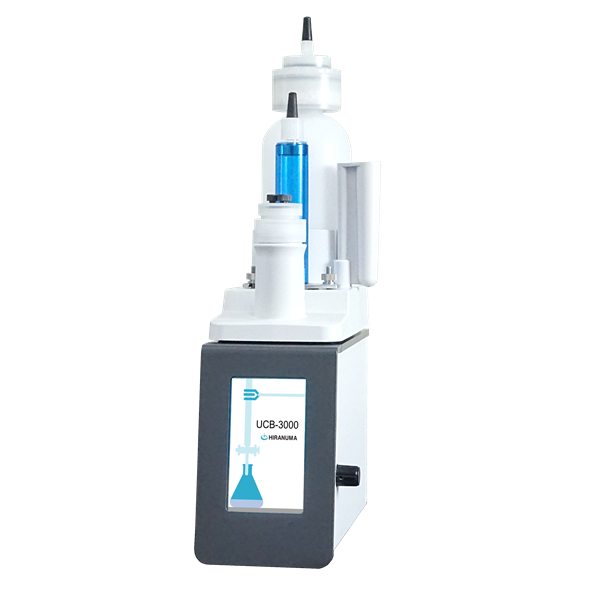
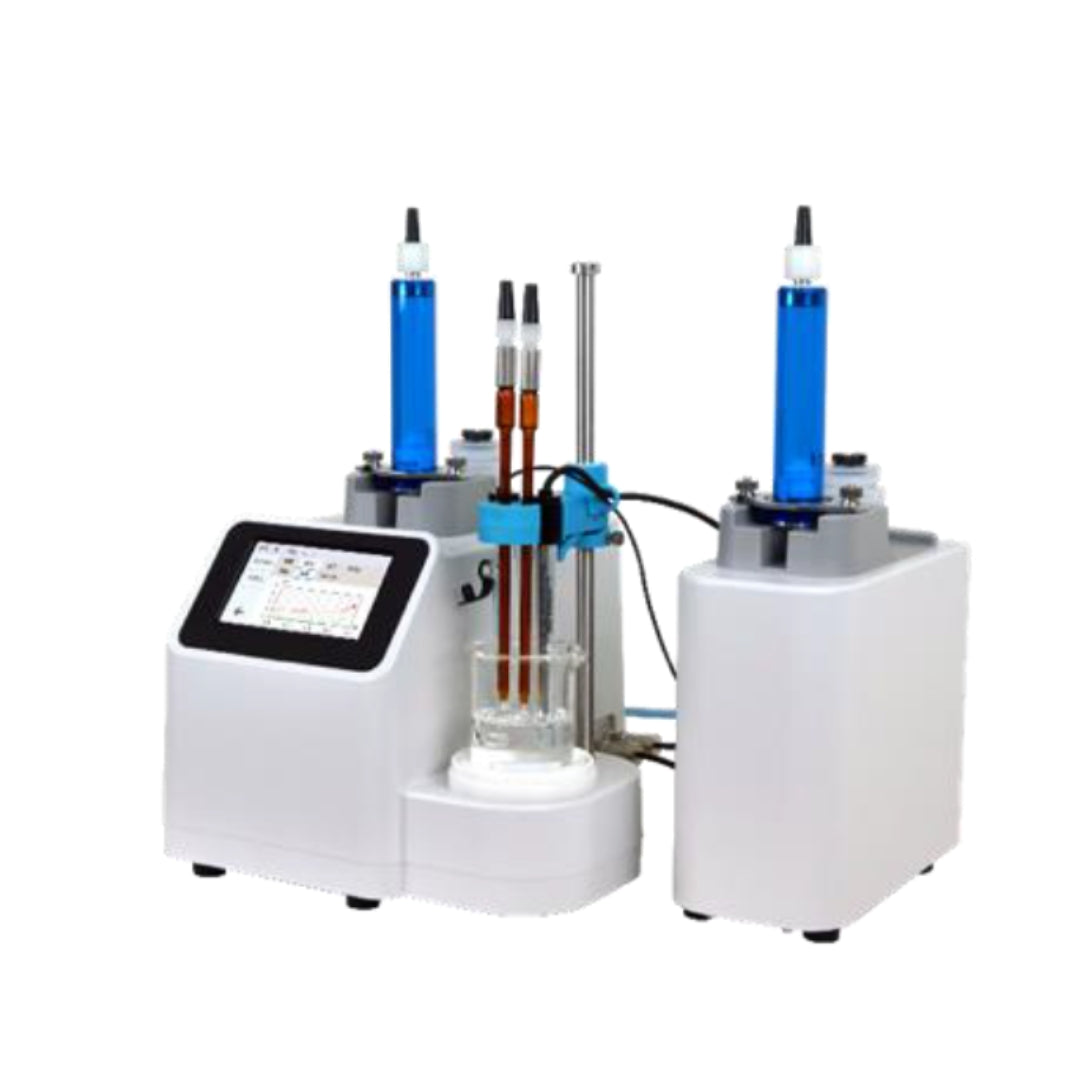
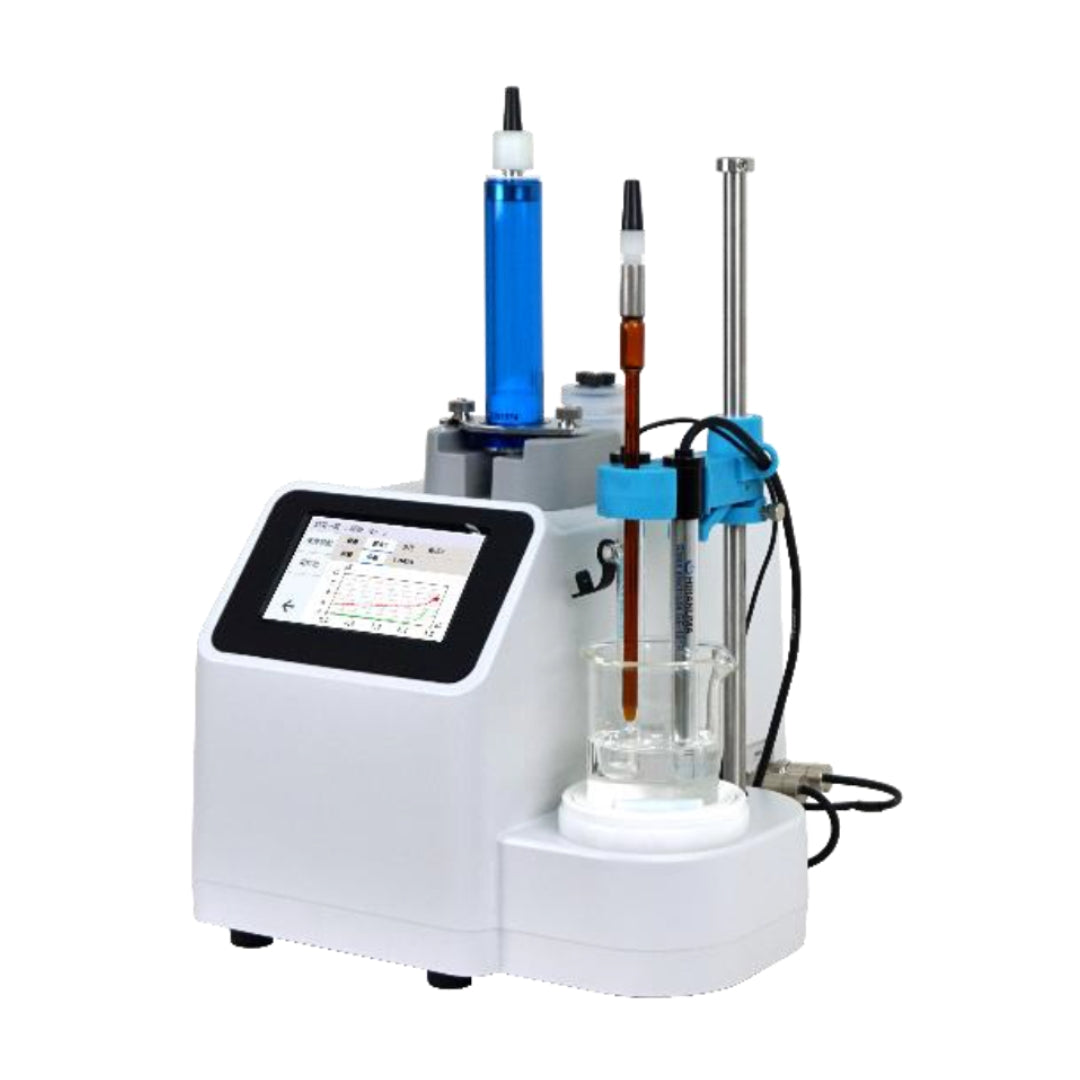
- AQV-300 Volumetric KF (higher water content)
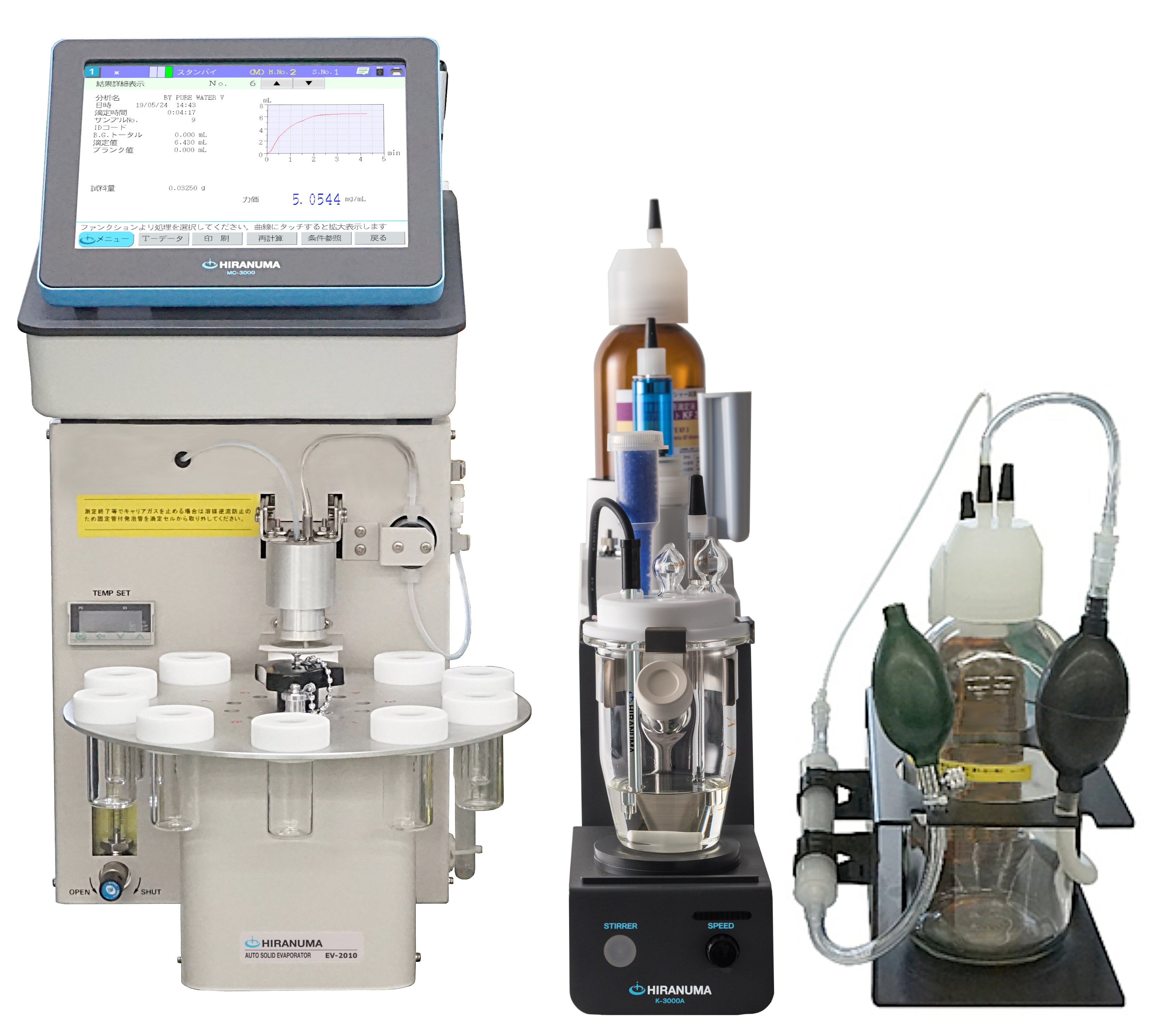
- EV-2000L Oil Evaporator (for heavy oil or difficult samples)
📥 Request Application Note
👉 [Request Water Content in Petroleum (PDF)]
📞 CTA
Need help measuring water in fuels or heavy oils?
👉 Request a method
👉 Request a quote
👉 Speak with an application specialist
Contact Us: sales@jmscience.com; Tel: 716-774-8706