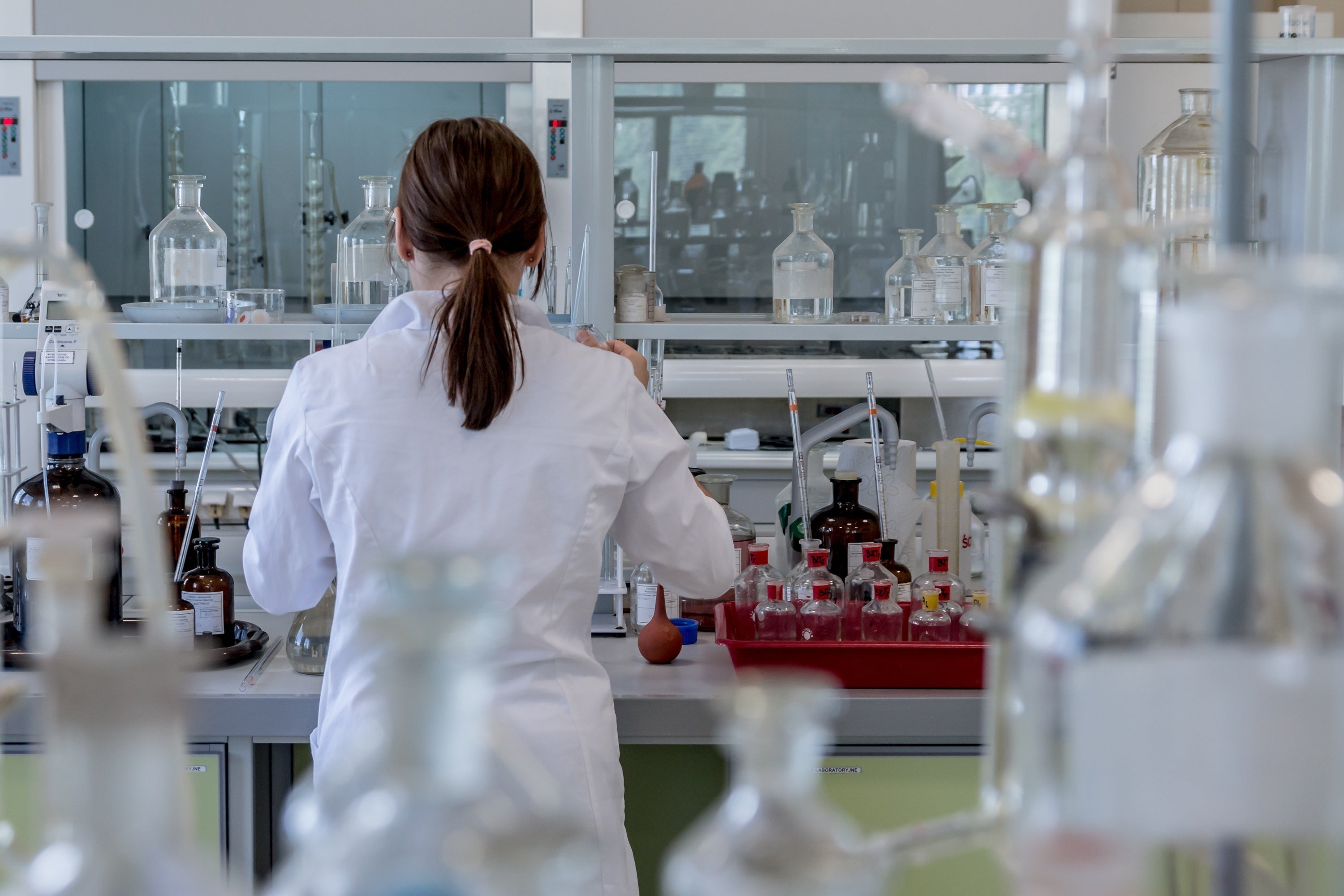
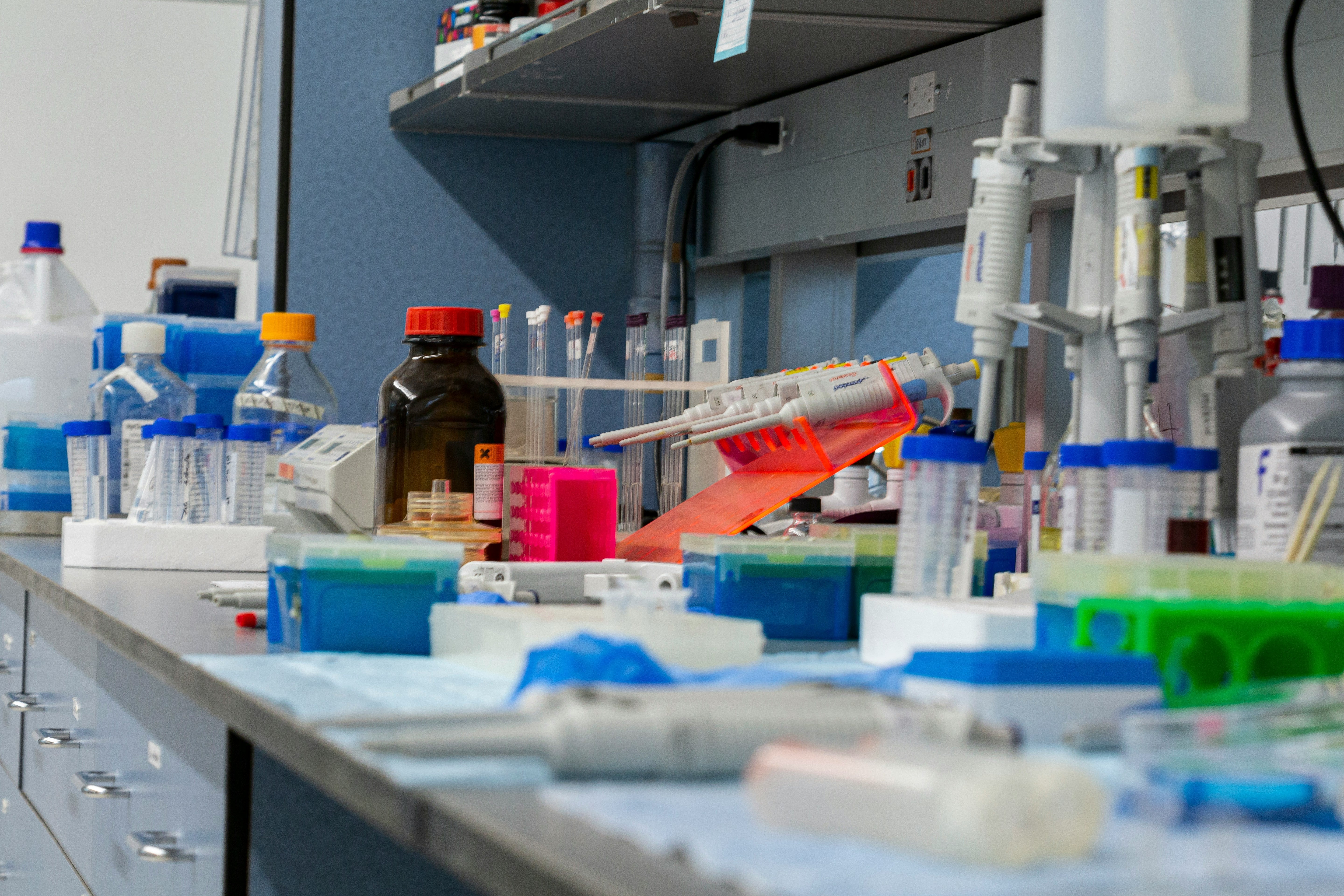
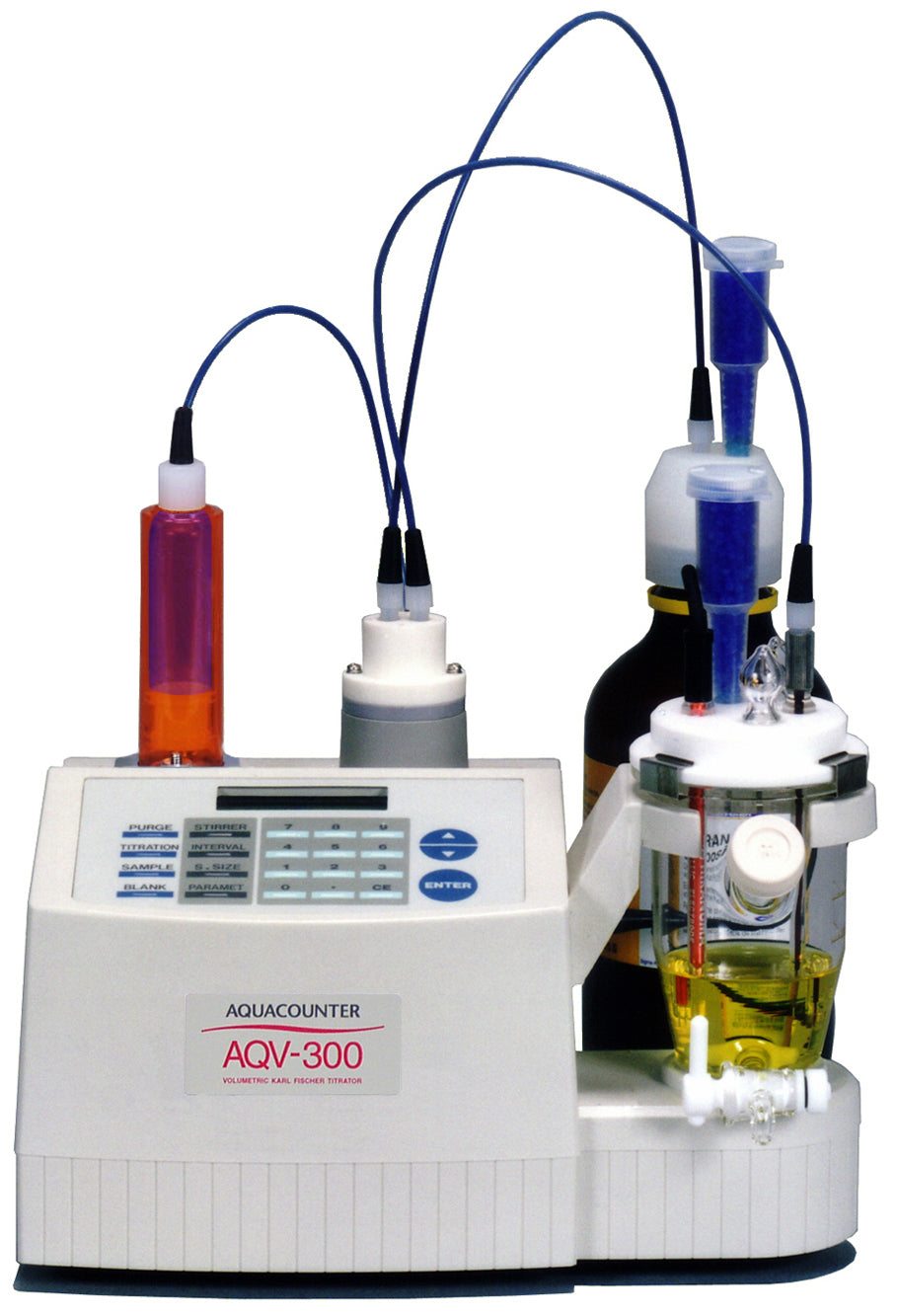
pharmaceutical-excipients-moisture-analysis.jpg

Moisture Determination in Pharmaceutical Excipients

Application Notes

Accurate moisture determination in pharmaceutical excipients is essential for product consistency and stability. Karl Fischer titration provides reliable water content analysis for raw materials used in drug formulations.
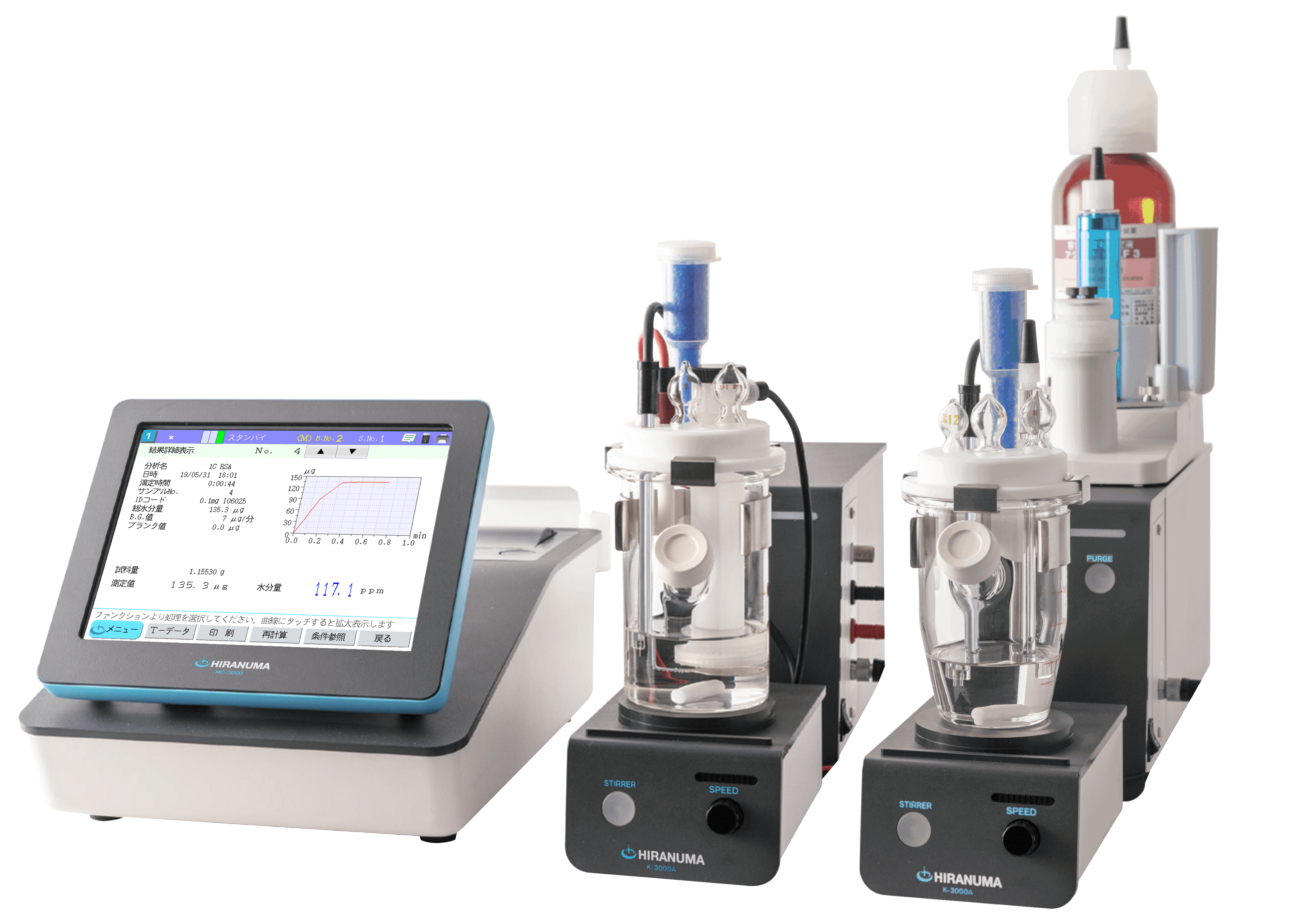
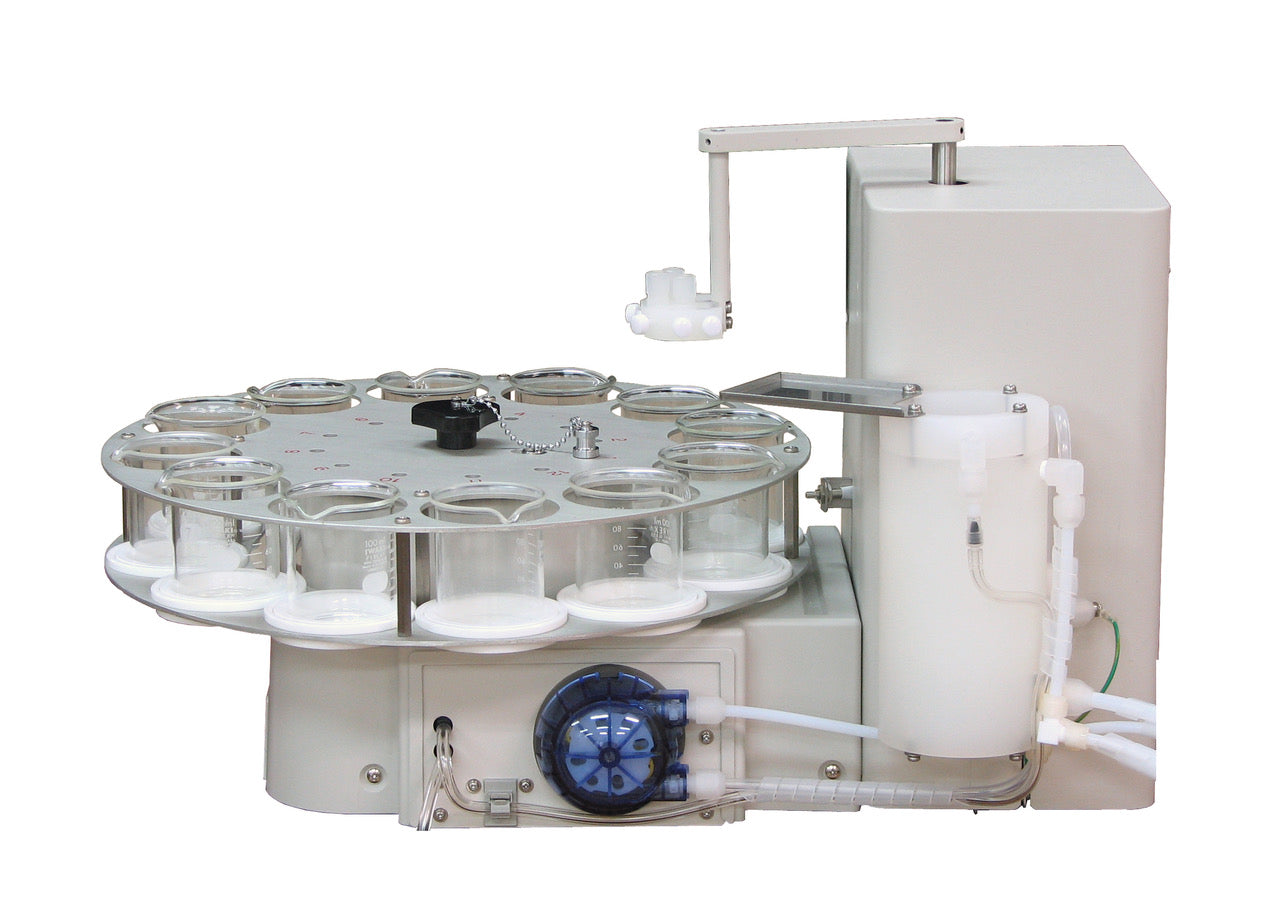
Karl Fischer Analysis of Pharmaceutical Solvents

Karl Fischer Analysis of Pharmaceutical Solvents

Application Notes

Accurate moisture determination in pharmaceutical solvents is critical for quality control and process consistency. Karl Fischer titration provides reliable water content analysis across a wide range of solvent systems.
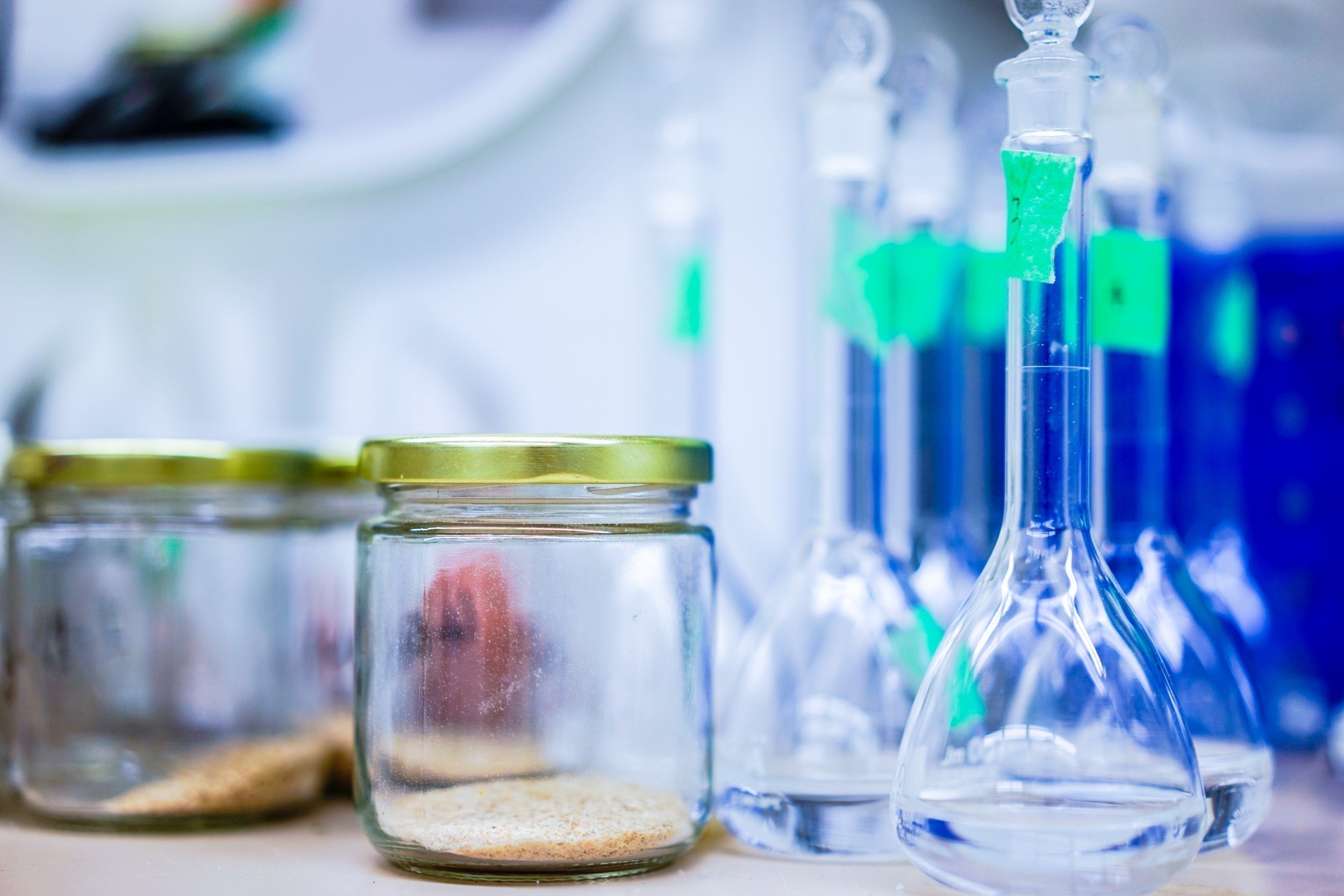
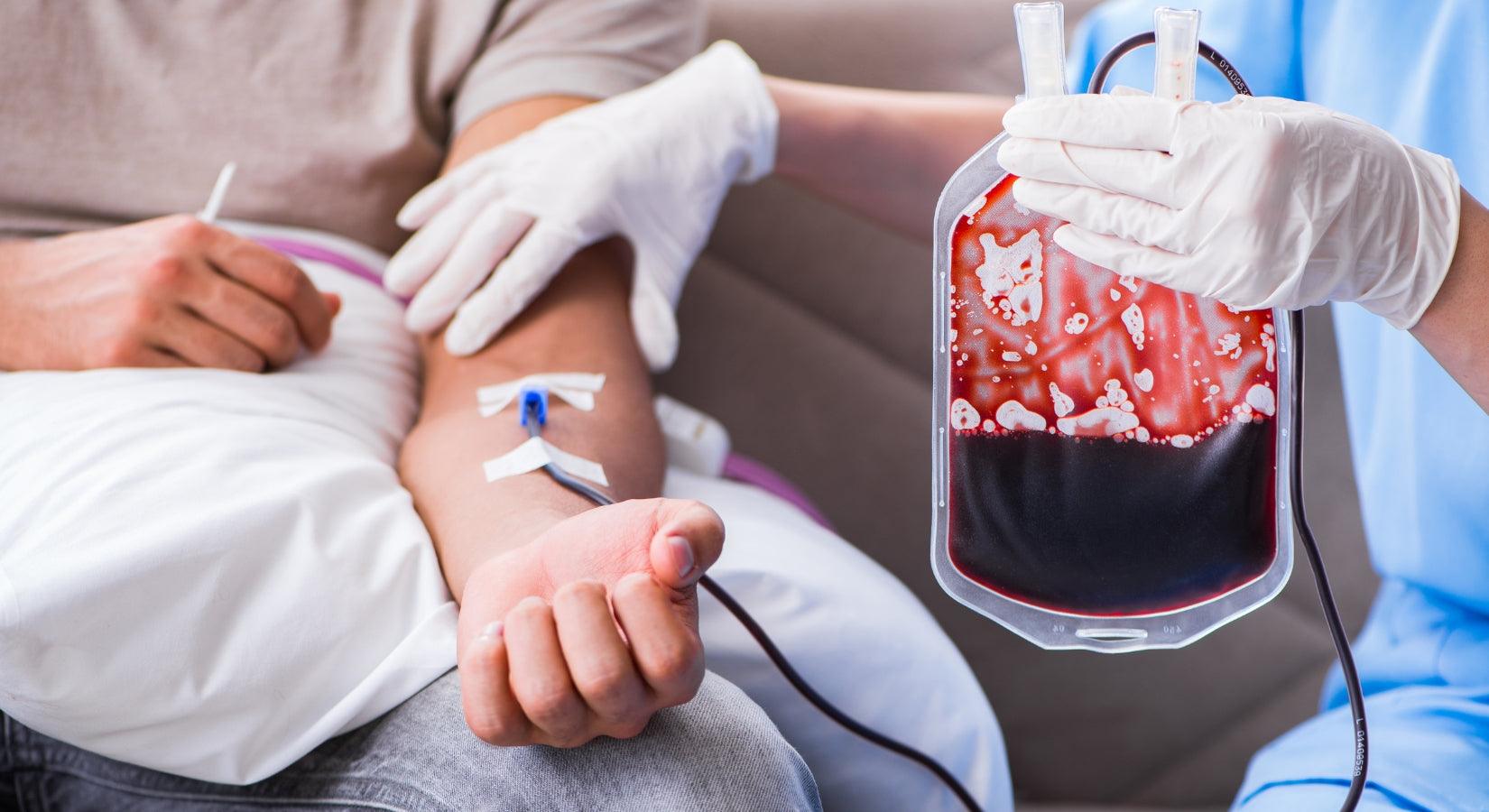
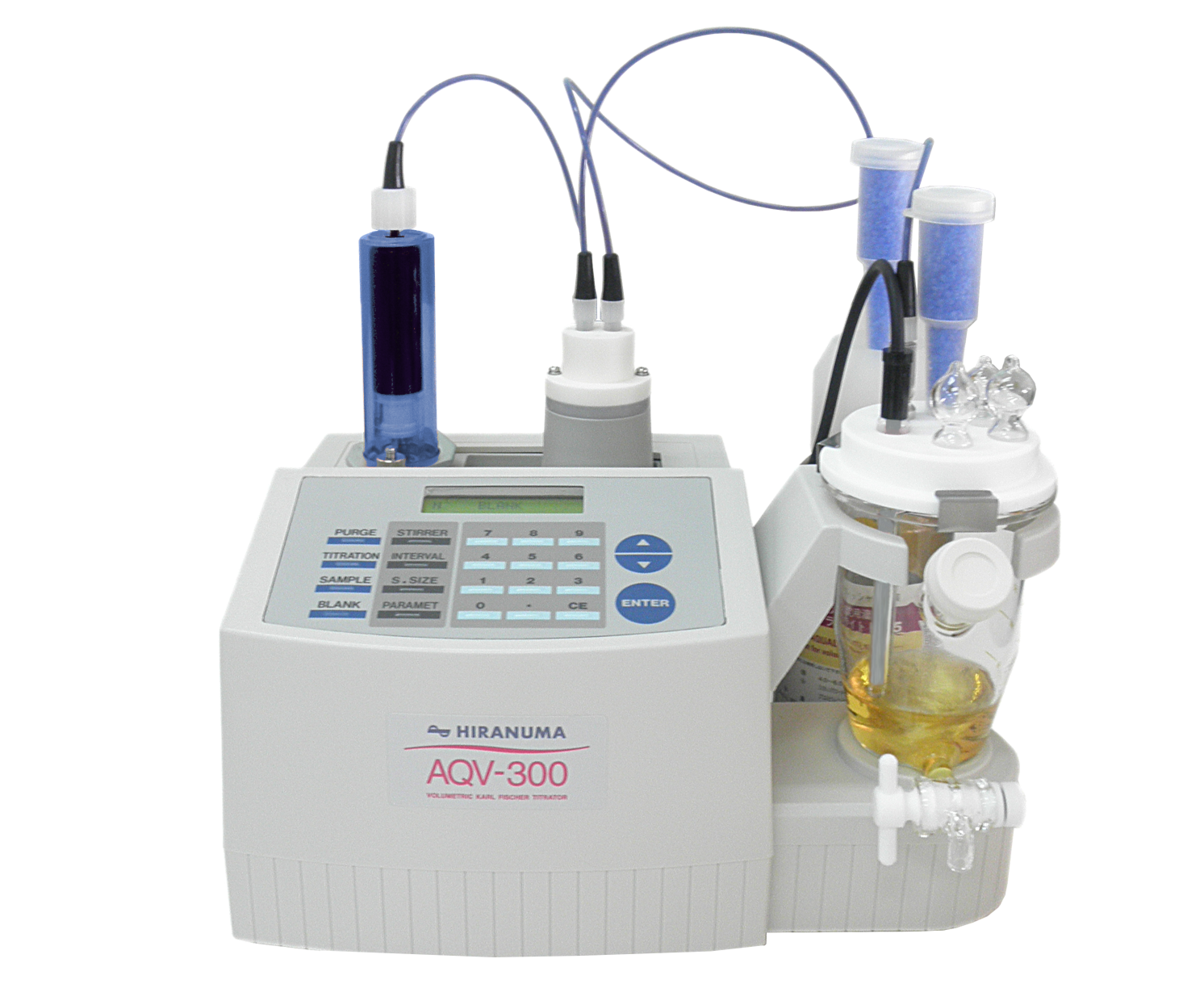
lyophilized-pharmaceutical-moisture-analysis.jpg

Water Content in Lyophilized Pharmaceutical Products

Application Notes

Accurate determination of residual moisture in lyophilized pharmaceutical products is essential for stability and shelf life. Karl Fischer titration provides reliable low-level moisture analysis for freeze-dried formulations.
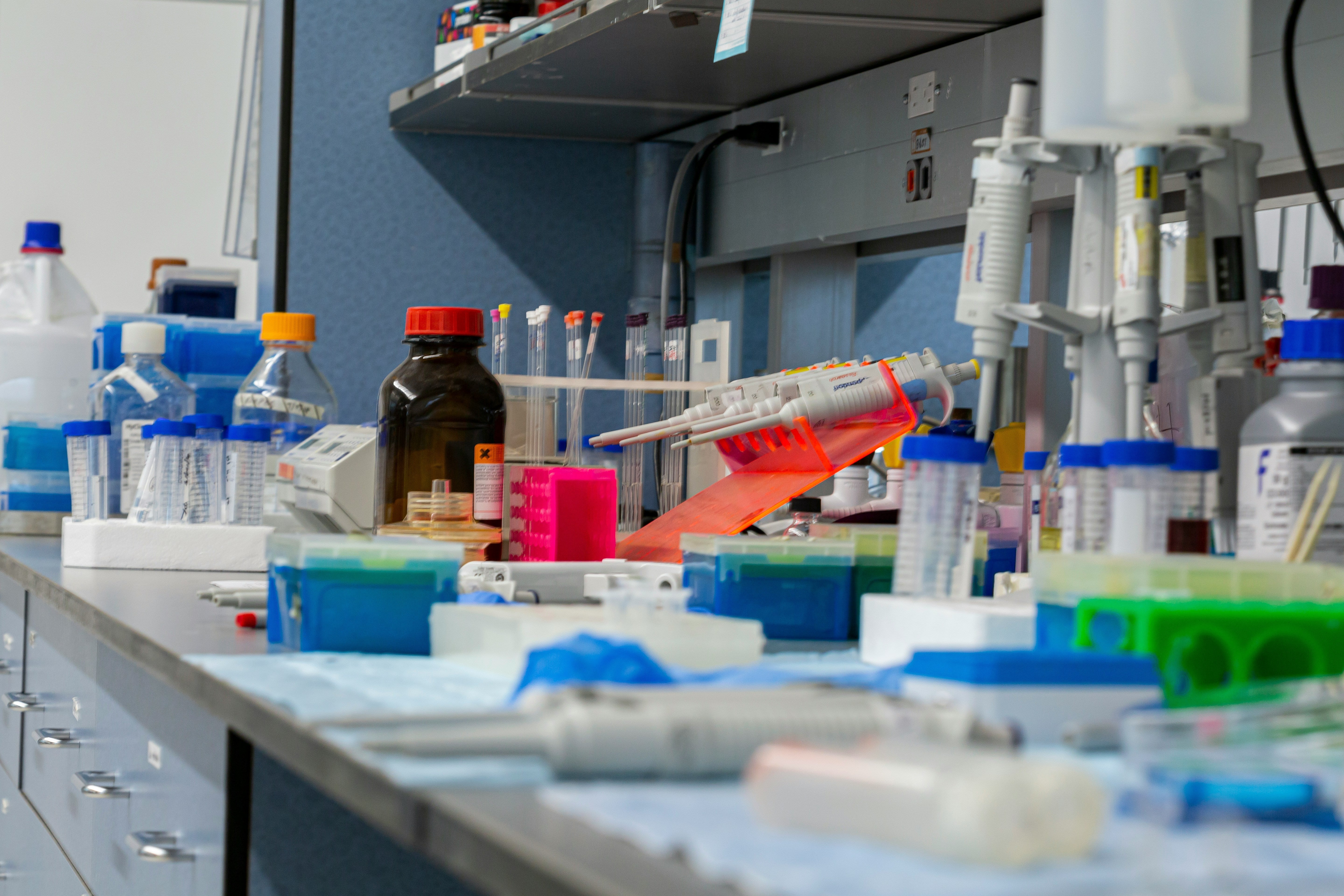
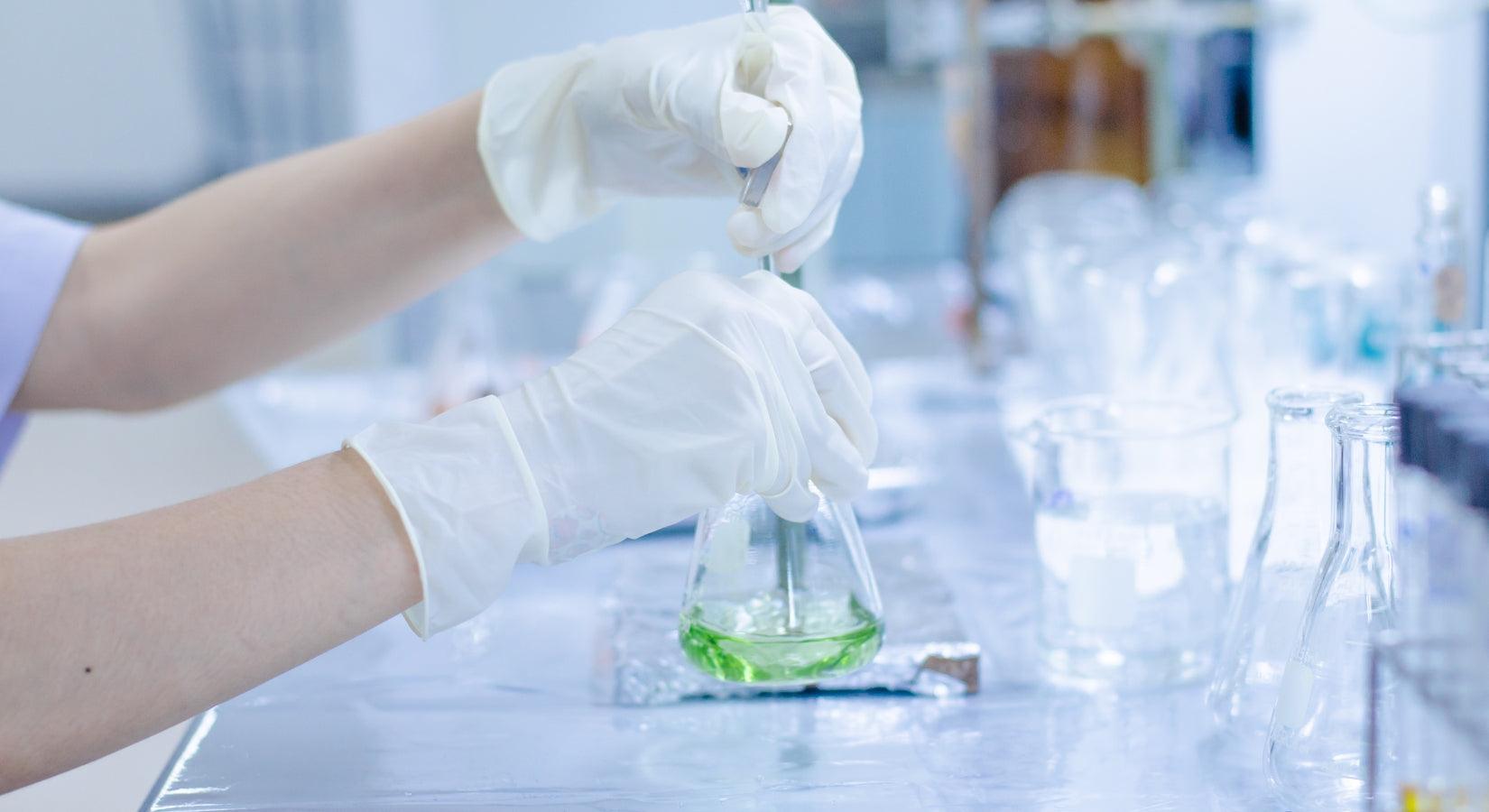
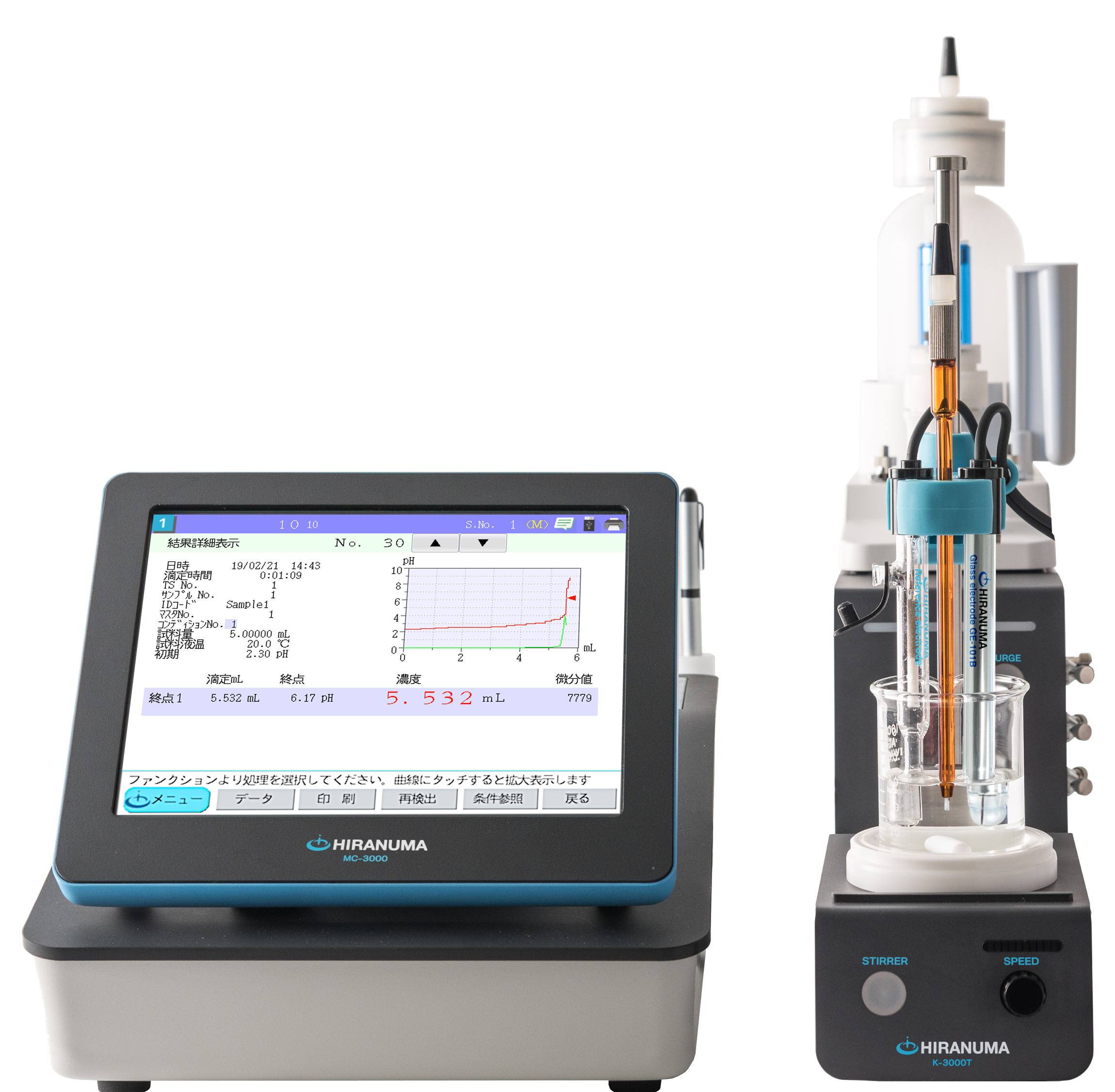
moisture-determination-api-karl-fischer.jpg

Moisture Determination in APIs | Karl Fischer Method

Application Notes

Learn how Karl Fischer titration enables precise moisture determination in active pharmaceutical ingredients (APIs), ensuring reliable ppm-level analysis for pharmaceutical quality control and stability.

Drugs and Medicines – KF Coulometry, Japanese Pharmacopoeia – Suitability test | Karl Fischer titrator AQ-300/MOICO-A19 - JM Science

Trace Moisture Determination in Pharmaceuticals by Coulometric Karl Fischer (Japanese Pharmacopoeia Method)

Application Notes

Trace moisture determination in pharmaceuticals using coulometric Karl Fischer titration. Ensure compliance with Japanese Pharmacopoeia methods.
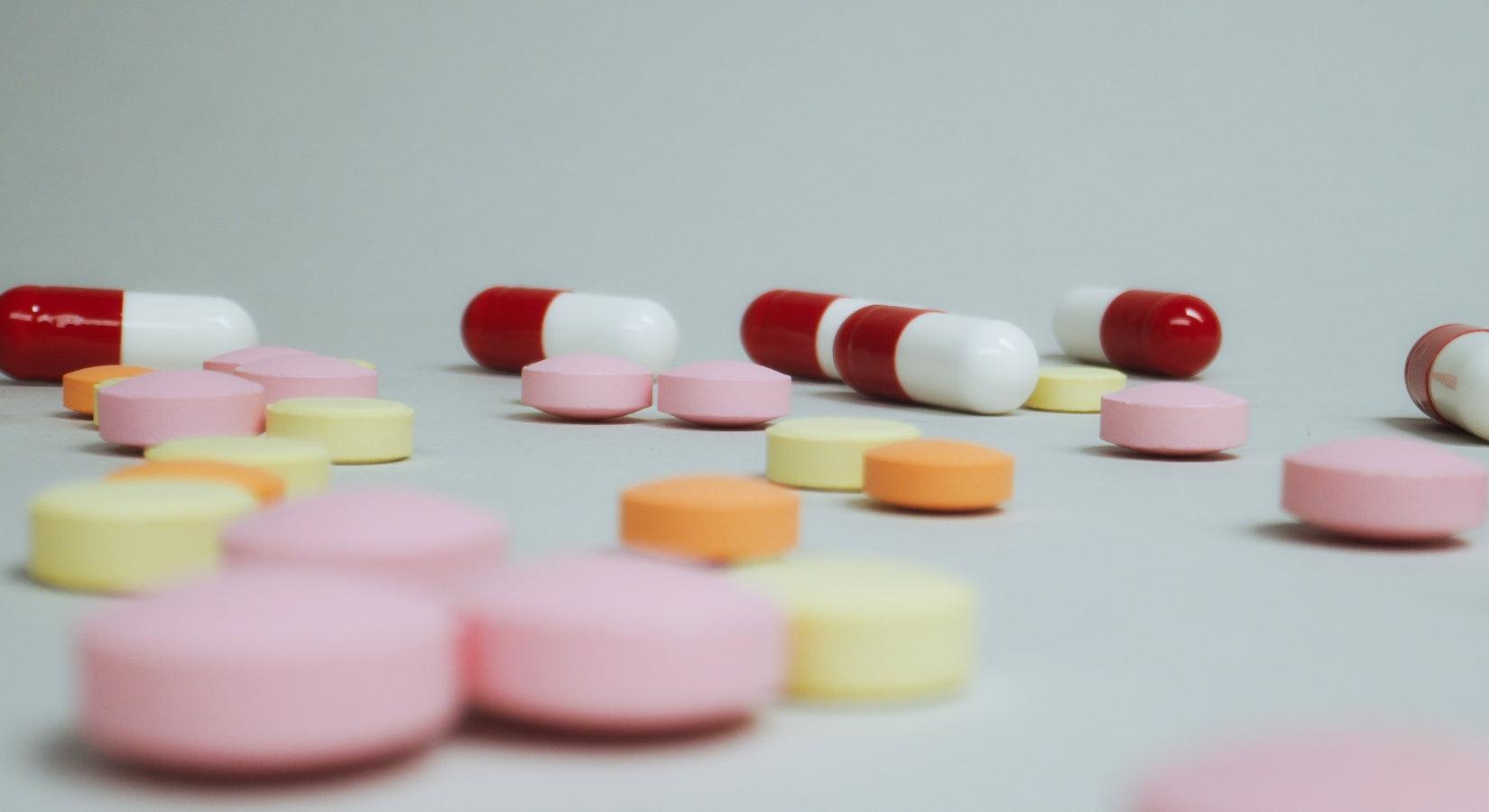
Drugs and Medicines – KF Volumetry, Direct-Injection Propylene glycol and Glycerin | Karl Fischer titrator AQV-300/MOIVO-A19 - JM Science

Moisture Determination in Pharmaceutical Solvents by Karl Fischer Titration (Direct Injection)

Application Notes

Moisture determination in pharmaceutical solvents such as propylene glycol and glycerin using Karl Fischer titration. Ideal for direct injection analysis.


Quantitative determination of sodium citrate | Autotitrator - JM Science

Quantitative determination of sodium citrate | Autotitrator

Drugs and Medicines
Sodium citrate is used as anticaking agent for blood in pharmaceutical field. Quantitative determination method for sodium citrate is stipulated in Japanese Pharmacopoeia.
This report introduces an example of potentiometric titration for sodium citrate that well-dried sample is dissolved in acetic acid, then it is titrated with perchloric acid – acetic acid standard solution.
C₆H₅Na₃O₇ + 3HClO₄ → C₆H₈O₇ + 3NaClO₄
Standardization of perchloric acid in acetic acid with potassium hydrogen phthalate | Autotitrator - JM Science

Standardization of perchloric acid in acetic acid with potassium hydrogen phthalate | Autotitrator
Drugs and Medicines
Measurement method with perchloric acid – acetic acid standard solution is defined as a quantitative determination method for each drug and medicine in Japanese Pharmacopoeia. Standardization of perchloric acid – acetic acid standard solution with potassium hydrogen phthalate is also described there. This report introduces the standardization procedure that potassium hydrogen phthalate is dissolved in acetic acid, then it is titrated with perchloric acid – acetic acid standard solution. The factor of perchloric acid – acetic acid standard solution is determined with potentiometric titration. 1 mol potassium hydrogen phthalate reacts with 1 mol perchloric acid quantitatively on this titration (formula 1).
Purity determination for papaverine hydrochloride by perchloric aid titration | Autotitrator - JM Science

Purity determination for papaverine hydrochloride by perchloric aid titration | Autotitrator

Drugs and Medicines
Determination for papaverine hydrochloride is defined in Japanese Pharmacopoeia. Papaverine hydrochloride is used for improvement of vasodilatation and symptoms on gastritis, disease of biliary tract (gallbladder) system, acute arterial embolus, acute pulmonary embolism, peripheral circulatory failure, and inadequate coronary circulation.
The purity determination of papaverine hydrochloride using potentiometric titration with perchloric acid titrant is introduced in this report. Sample is dissolved by heating with acetic anhydride / glacial acetic acid mixture and cooled to room temperature. After that, the titration is performed, 1 mol papaverine hydrochloride reacts with 1 mol perchloric acid quantitatively.
Sodium chloride in peritoneal dialysis solution | Autotitrator - JM Science

Sodium chloride in peritoneal dialysis solution | Autotitrator

Drugs and Medicines
This report introduces an example of measurement for sodium chloride in peritoneal dialysis solution with precipitation titration. The sample is acidified by nitric acid and the concentration of sodium chloride is determined by precipitation titration with silver nitrate titrant using the silver / reference electrode.
NaCl + AgNO₃ → AgCl + NaNO₃
Available iodine in mouthwash (Povidone-iodine) | Autotitrator - JM Science

Available Iodine Determination in Povidone-Iodine by Titration

Application Notes

Determine available iodine in povidone-iodine formulations using titration. Ensure accurate quality control of pharmaceutical antiseptics.

Determination of sodium acetate with perchloric acid titration | Autotitrator - JM Science

Determination of sodium acetate with perchloric acid titration | Autotitrator

Drugs and Medicines
Sodium acetate is widely used in chemical and medical industry (E.g. Buffer, Antifreezing agent, Alkalizing supplements, Dye chemical, Hydragogue). Determination method of sodium acetate is described on Japanese Pharmacopoeia and Japanese Industrial Standard (JIS K8371). Both methods employ perchloric acid titration method, dissolve the sample in glacial acetic acid and titrate with perchloric acid – acetic acid standard solution. Endpoint is detected by potentiometric titration with glass / reference electrodes.
CH₃COONa + HClO₄ → CH₃COOH + NaClO₄