Peroxide Value Determination in Fats and Oils Using Titration
Oxidation is one of the primary causes of degradation in fats and oils, leading to rancidity, off-flavors, and reduced product quality.
The peroxide value (PV) is one of the most widely used indicators of oil oxidation and freshness, making it a critical parameter for food manufacturers, quality control laboratories, and cooking oil producers.
⚗️ What is Peroxide Value?
Peroxide value measures the concentration of peroxides and hydroperoxides, the first products formed during oxidation of fats and oils.
- Indicates early-stage oxidation
- Detects deterioration before odor or taste changes
- Used across edible oils, fats, and food products
👉 A rising peroxide value signals loss of freshness and onset of rancidity
⚠️ Why Peroxide Value Matters
- Ensures product freshness and shelf life
- Prevents off-flavors and odors
- Helps meet food quality standards
- Avoids potential health risks from degraded oils
👉 It’s one of the most important QC tests in the edible oil industry
⚗️ Method Overview: Titration
Peroxide value is typically determined using iodometric titration:
- Peroxides react with potassium iodide to release iodine
- The iodine is titrated with sodium thiosulfate
- Endpoint detected using a starch indicator
👉 The amount of iodine formed corresponds directly to peroxide concentration
⚠️ Limitations of Manual Methods
Here’s where you differentiate:
- Visual endpoint detection → operator dependent
- Time-consuming and multi-step
- Chemical handling and waste generation
- Possible interference from impurities
👉 Traditional titration requires skilled operators and can introduce variability
✅ Improved Approach: Automated Titration
Modern titration systems provide:
- Automatic endpoint detection (no visual judgment)
- Improved precision and repeatability
- Faster analysis and higher throughput
- Reduced operator error
👉 Automated systems deliver highly accurate results with low variability
⚙️ Typical Workflow
- Dissolve oil sample in solvent
- Add potassium iodide
- Allow reaction to form iodine
- Titrate with sodium thiosulfate
- Calculate peroxide value (meq/kg)
💡 Why This Matters
For food and oil producers:
- Monitor oil freshness during storage
- Control frying oil degradation
- Ensure consistent product quality
- Meet regulatory and safety standards
🔬 Recommended Systems
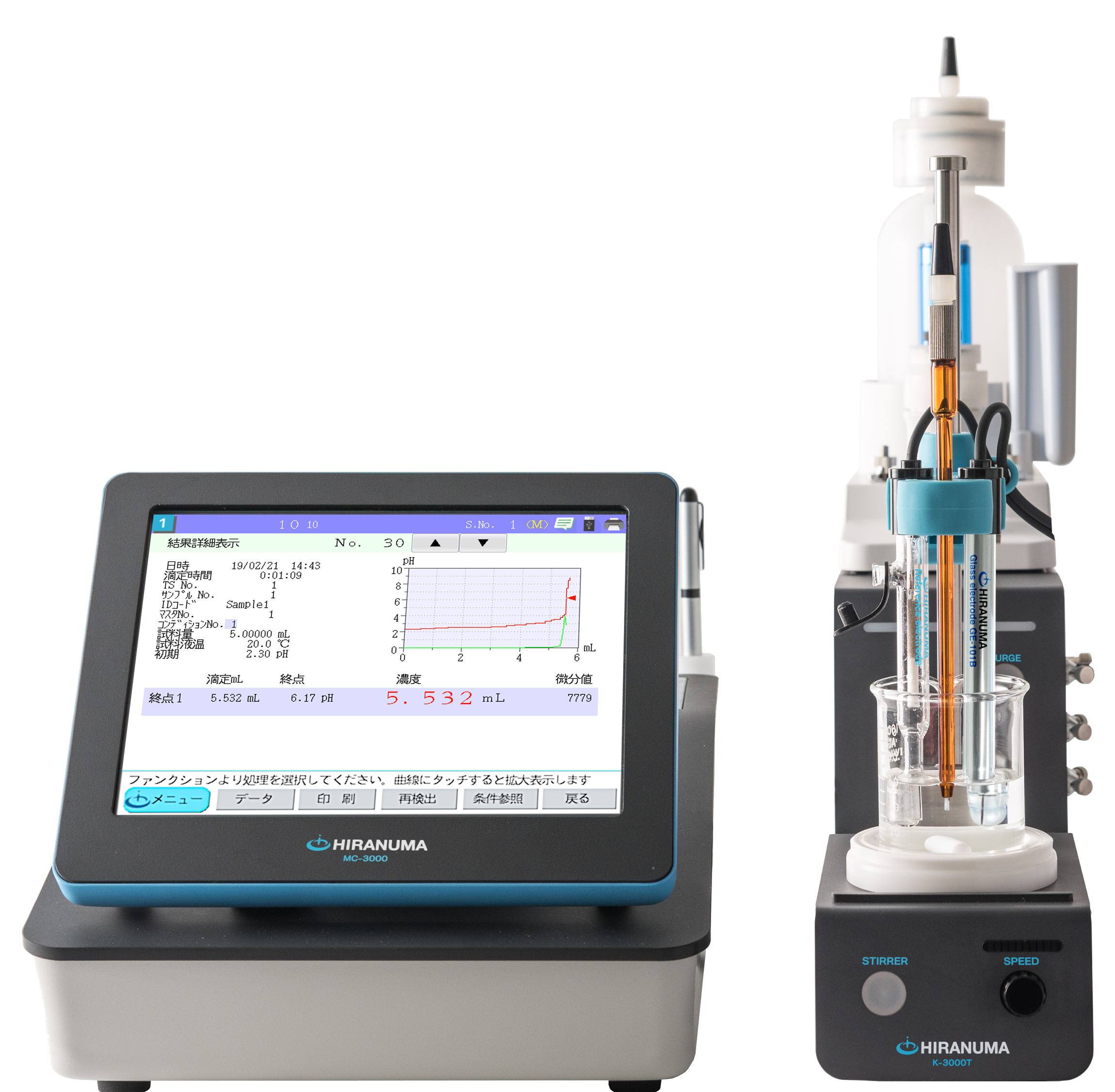
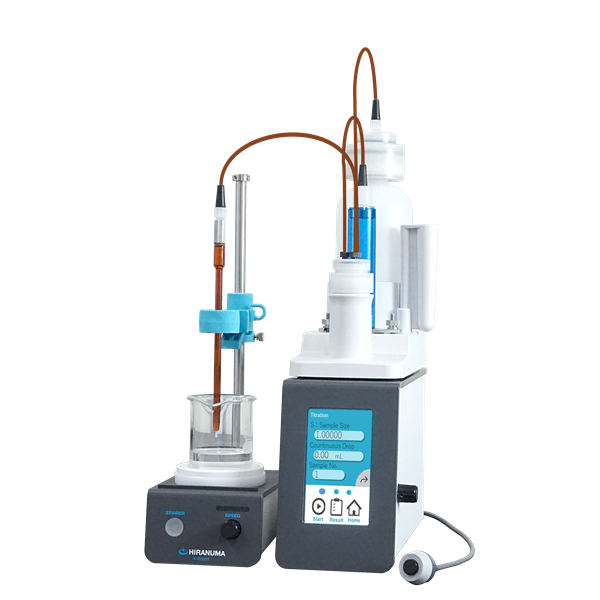
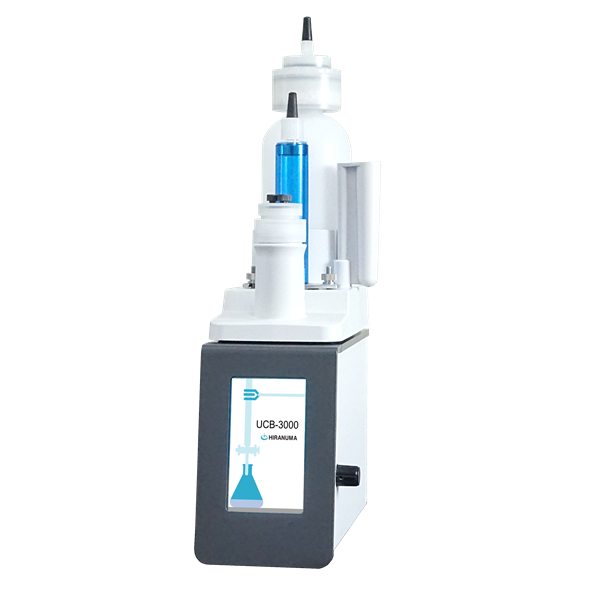
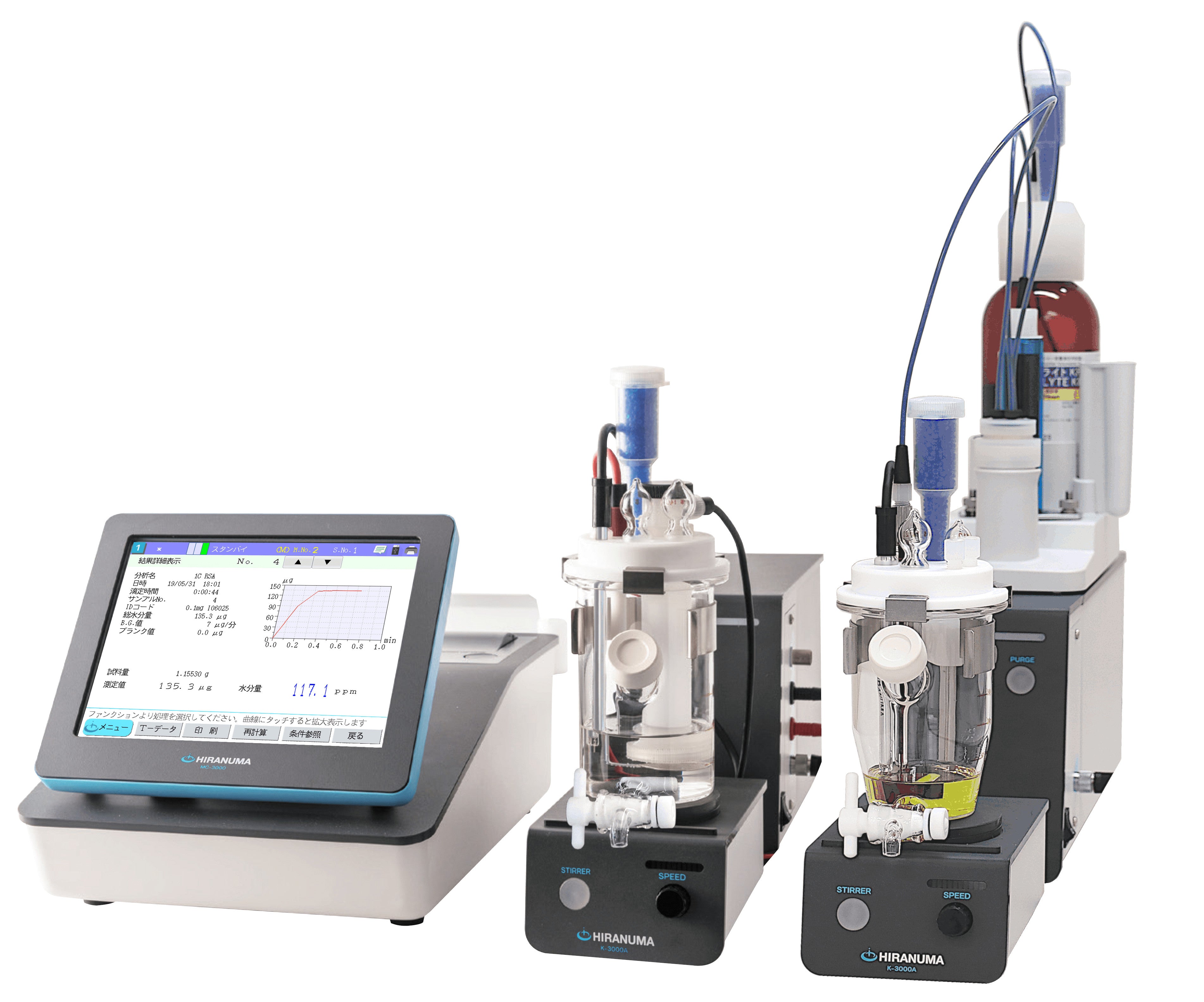
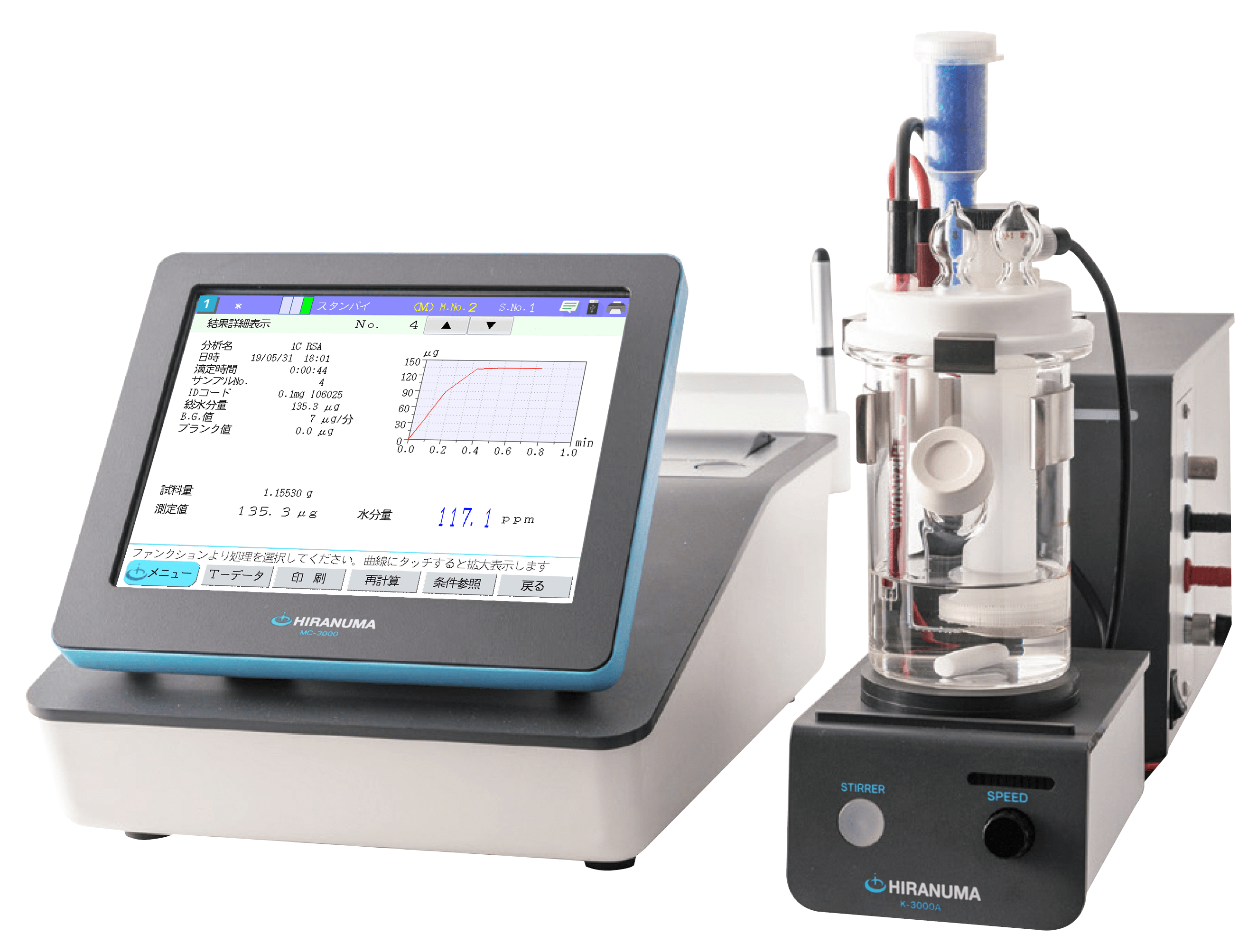
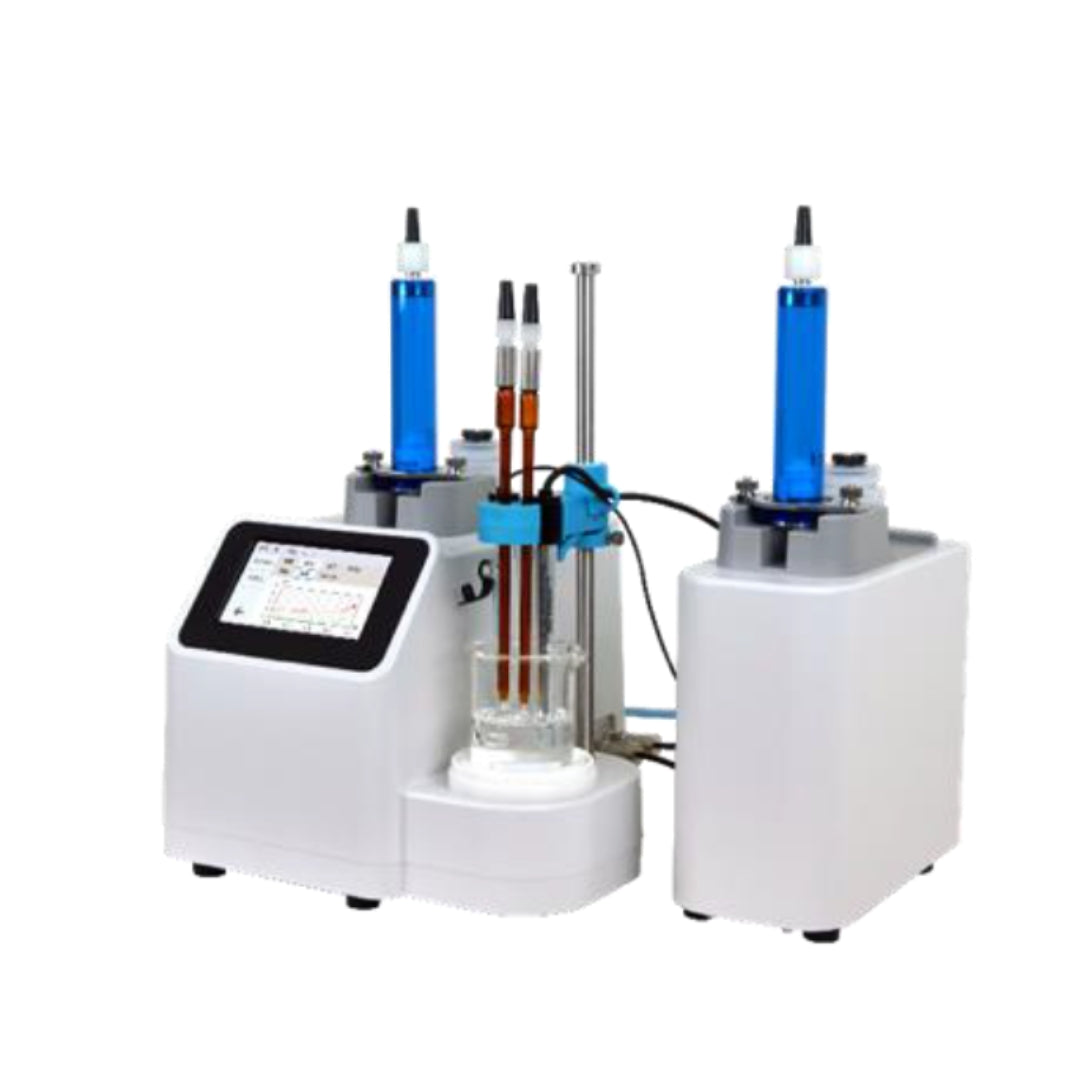
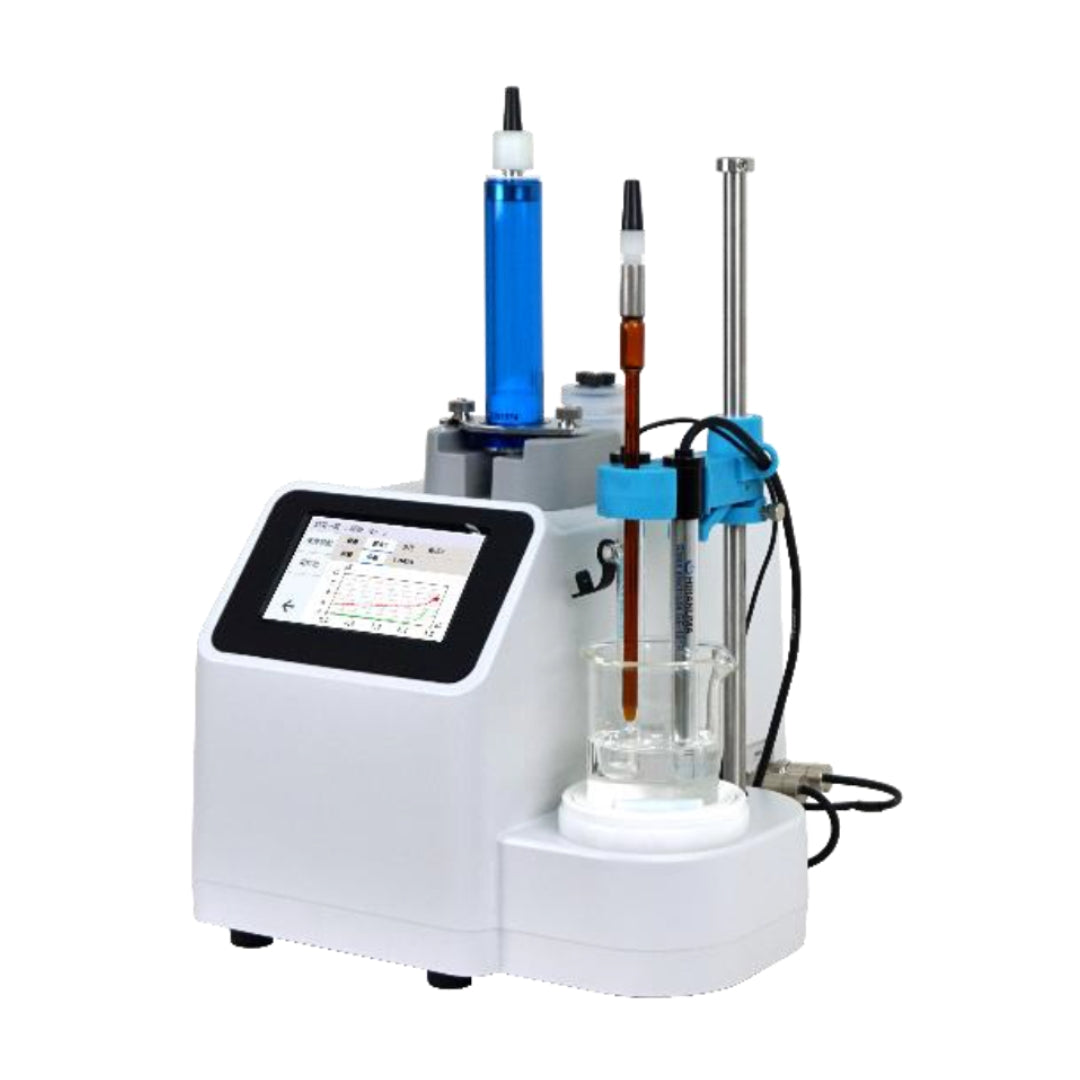
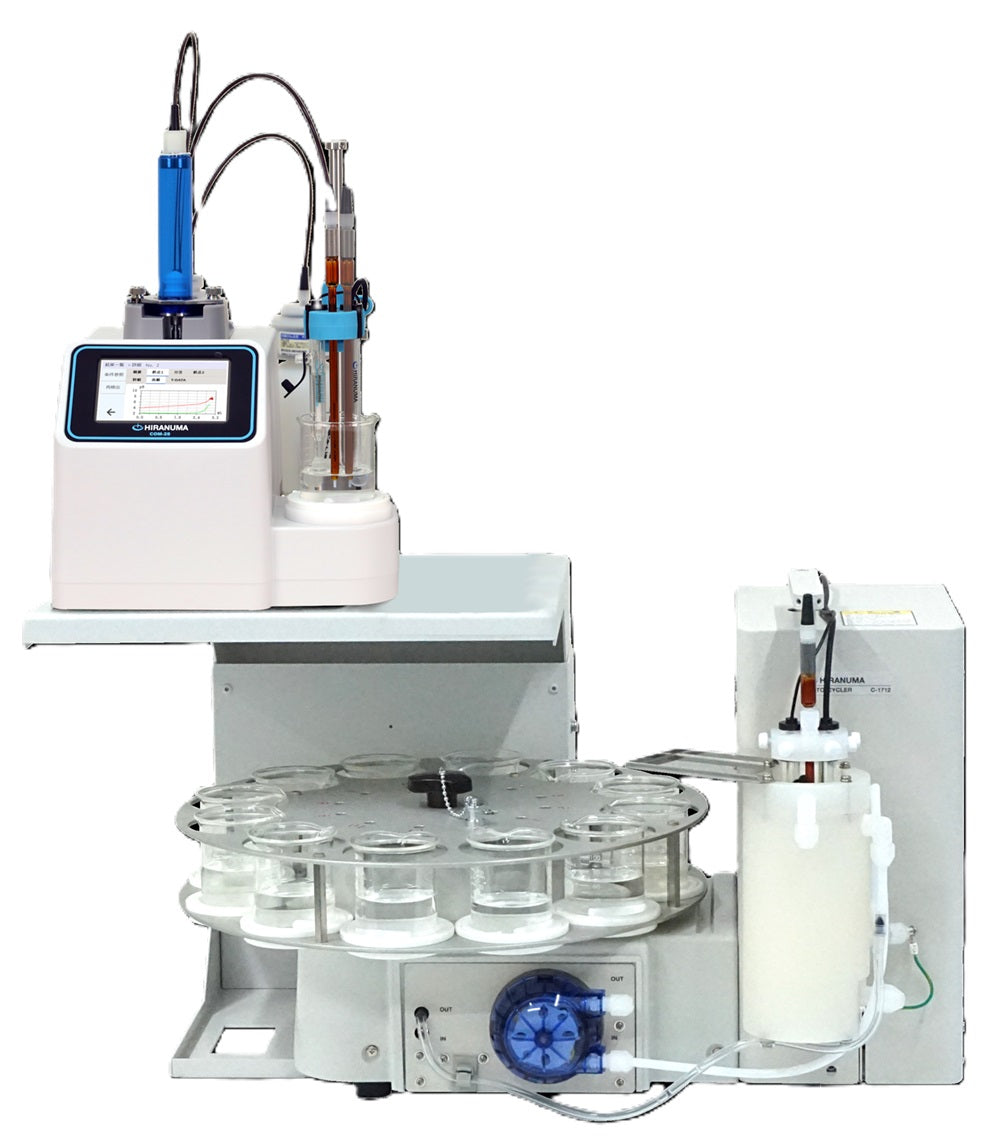
- COM-28 / COM-28S Potentiometric Titrator
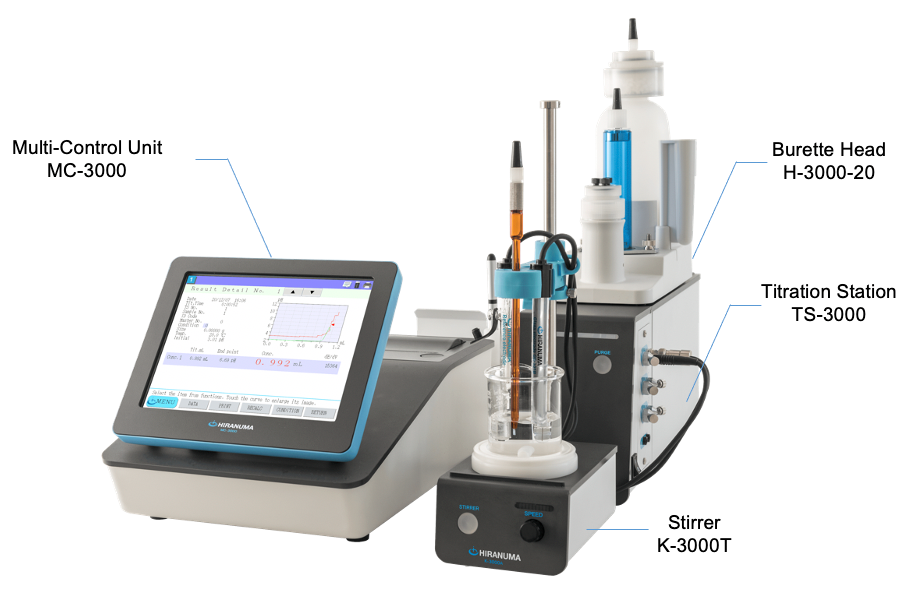
- COM-A19 Automatic Titrator
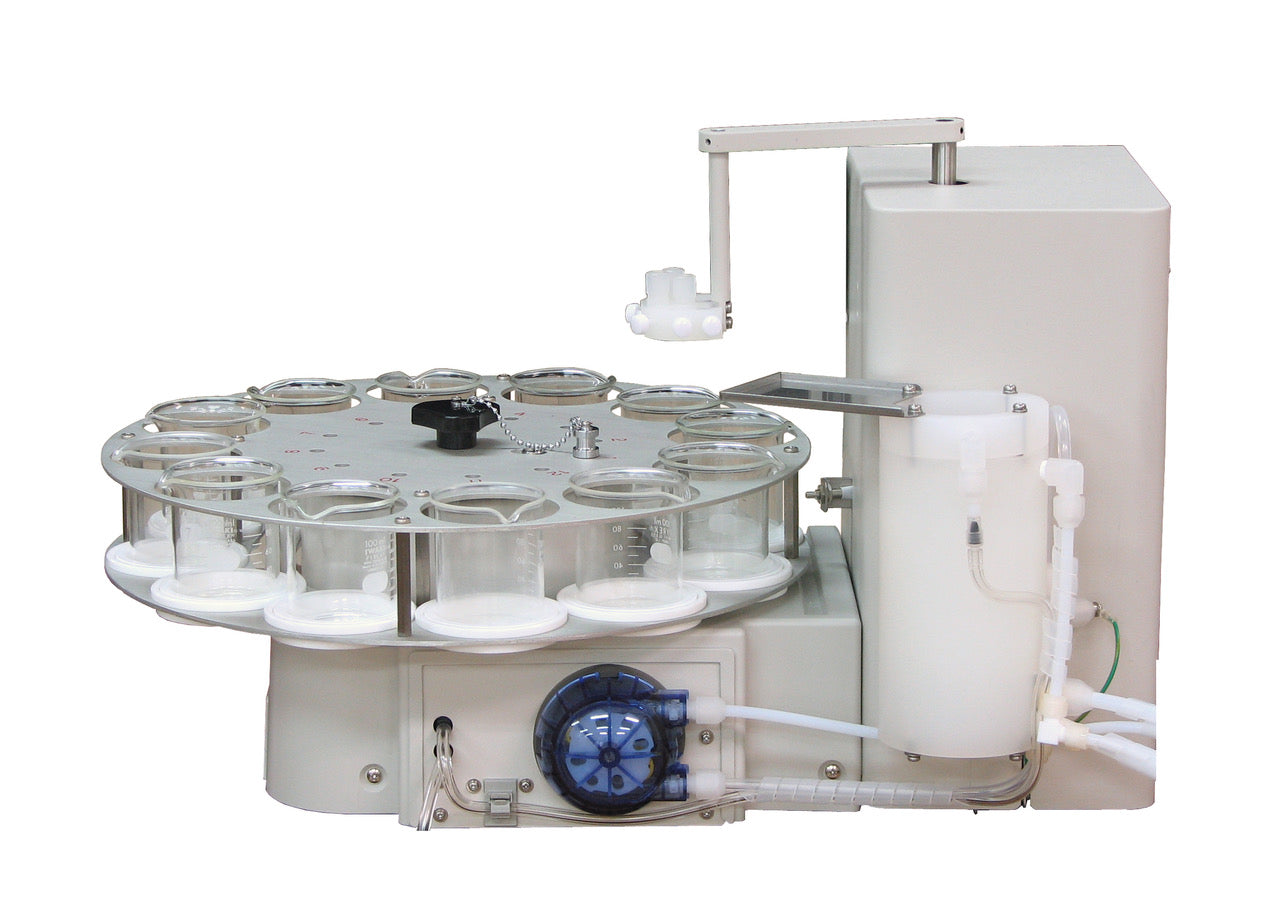
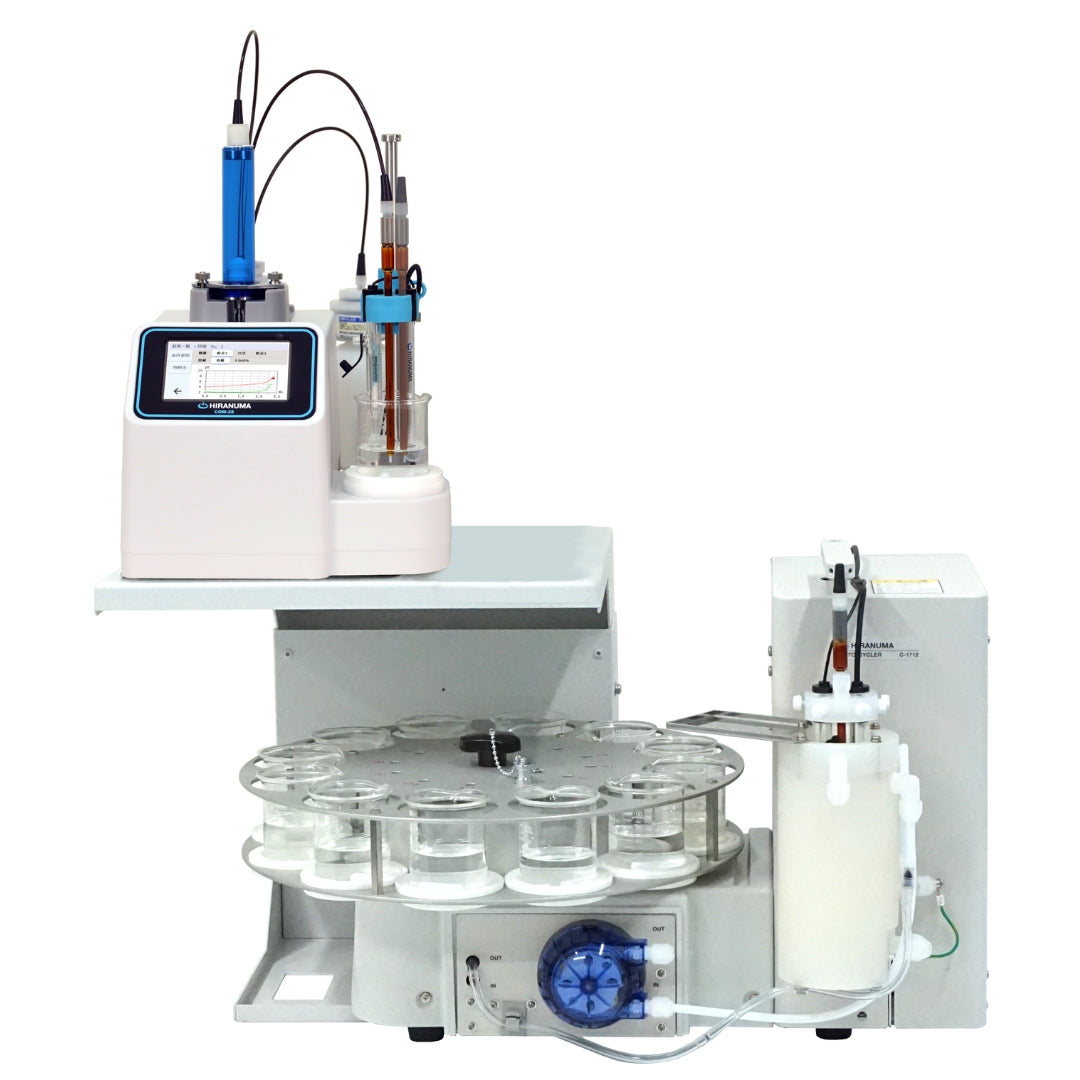
- Autosamplers for high-throughput oil testing
📥 Download Application Note
👉 [Request Peroxide Value Application (PDF)]
📞 CTA
Need help setting up peroxide value testing for oils?
👉 Request a method
👉 Request a quote
👉 Speak with an application specialist
Contact Us: sales@jmscience.com; Tel: 716-774-8706