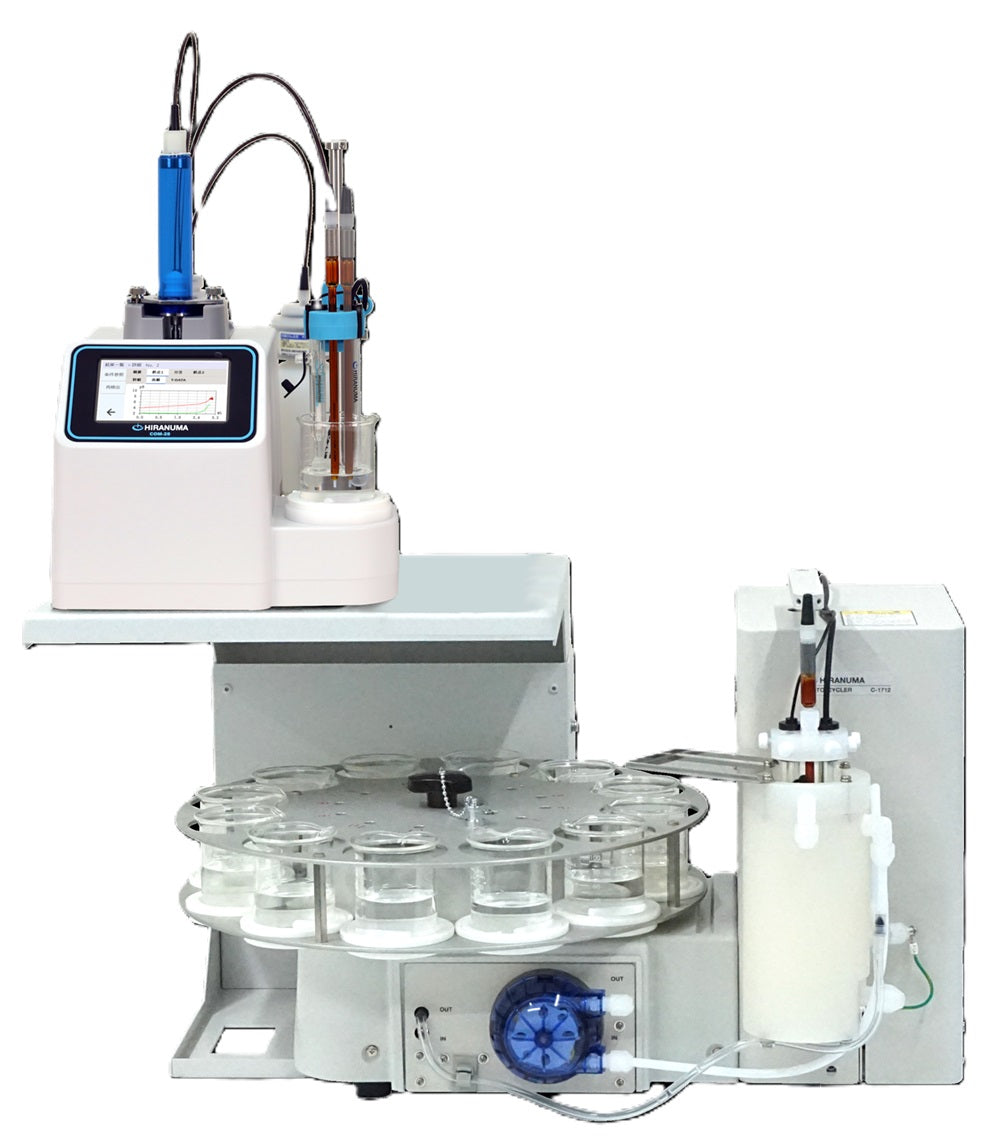
Nitric and Phosphoric Acid Analysis by Potentiometric Titration
Mixed solutions of nitric acid (HNO₃) and phosphoric acid (H₃PO₄) are widely used in semiconductor manufacturing, metal finishing, glass processing, and chemical production. Maintaining the correct concentration of each acid is essential for consistent etching, cleaning, and surface treatment performance.
Automated potentiometric titration provides a fast, accurate, and repeatable method for determining both nitric acid and phosphoric acid in the same sample. By identifying two distinct endpoints on the titration curve, the concentrations of each acid can be calculated without complex sample preparation. This approach improves laboratory efficiency while delivering reliable process control.
Why Analyze Mixed Acid Solutions?
Routine analysis helps manufacturers:
- Maintain consistent process chemistry
- Optimize metal surface treatment
- Improve semiconductor cleaning performance
- Verify bath composition
- Reduce chemical waste
- Extend bath life
- Ensure product quality
- Meet process specifications
Recommended Instrument
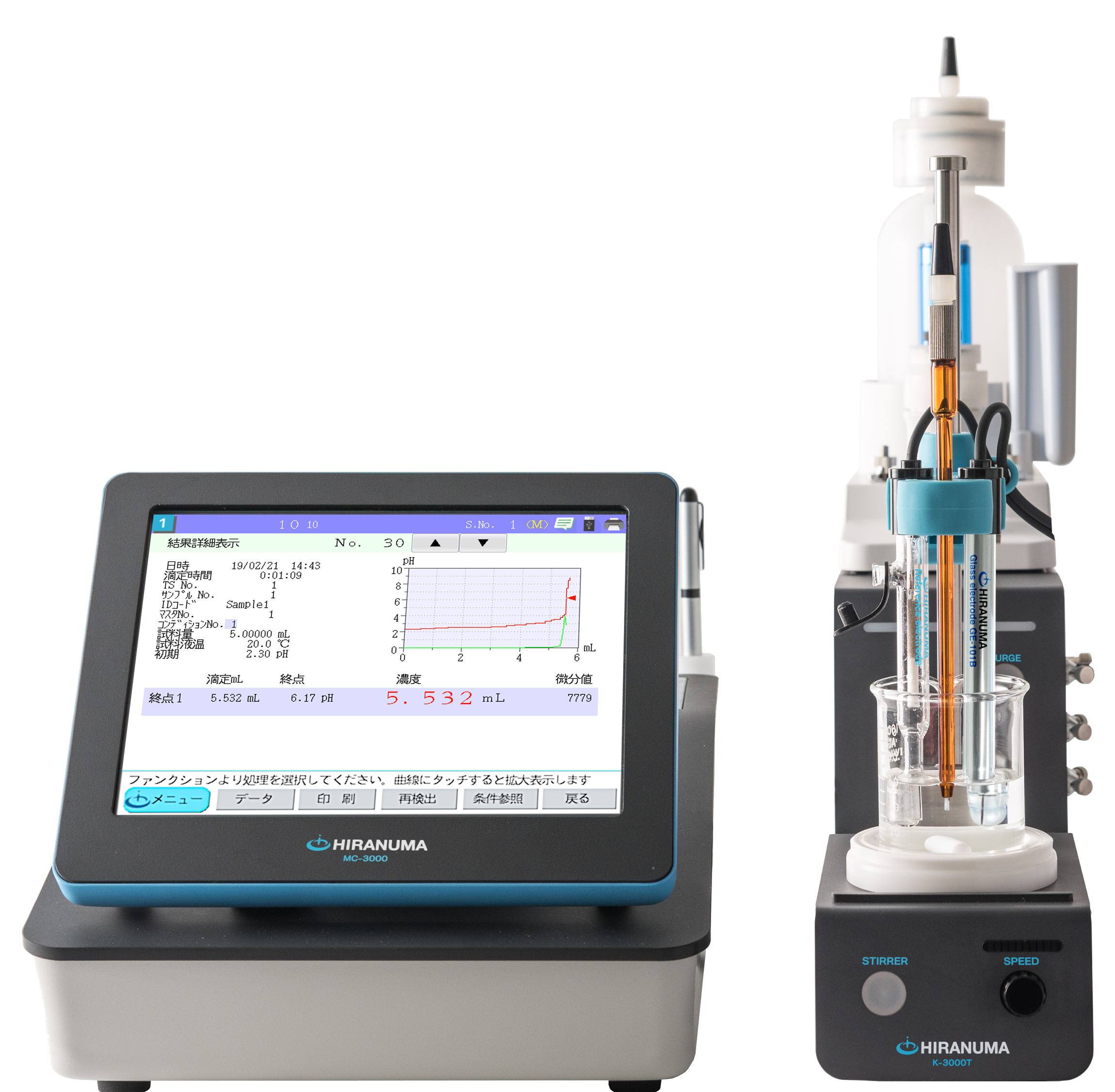
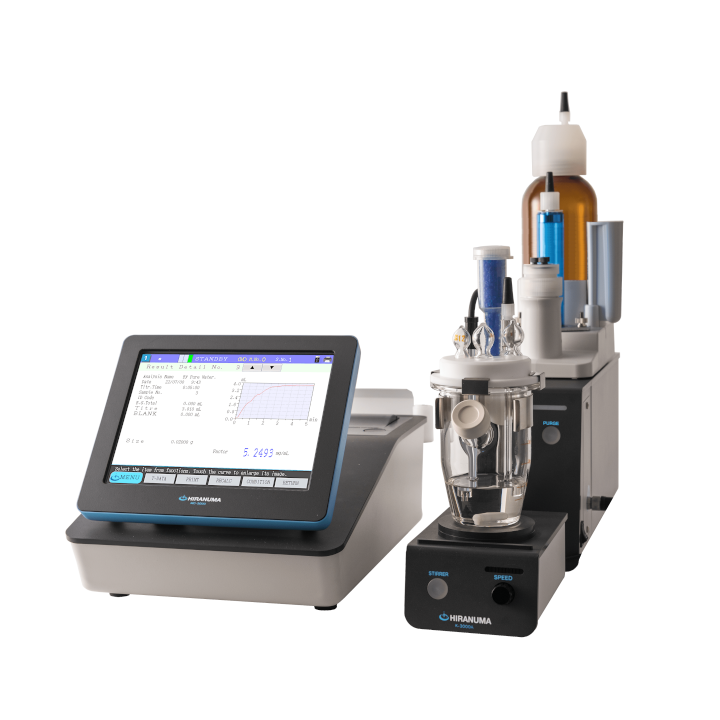
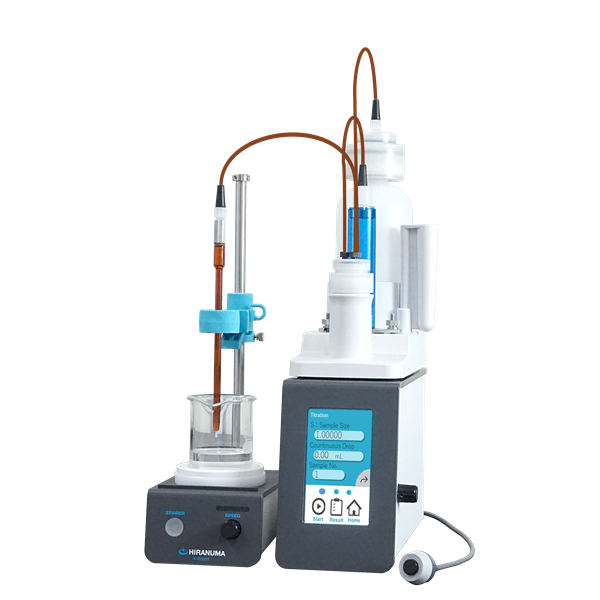
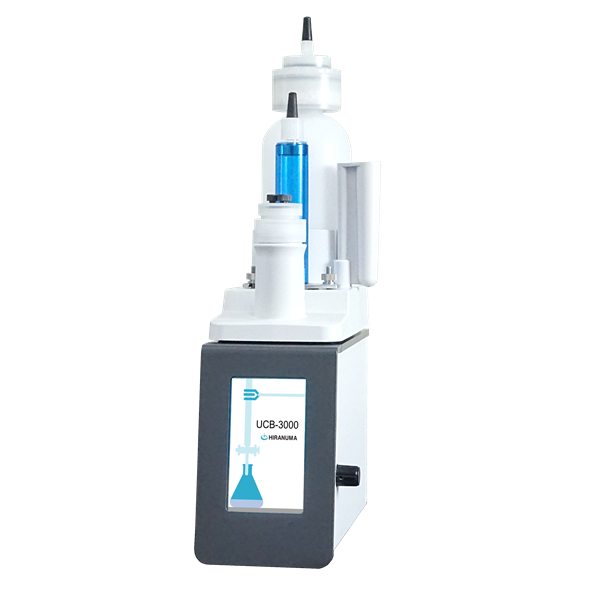
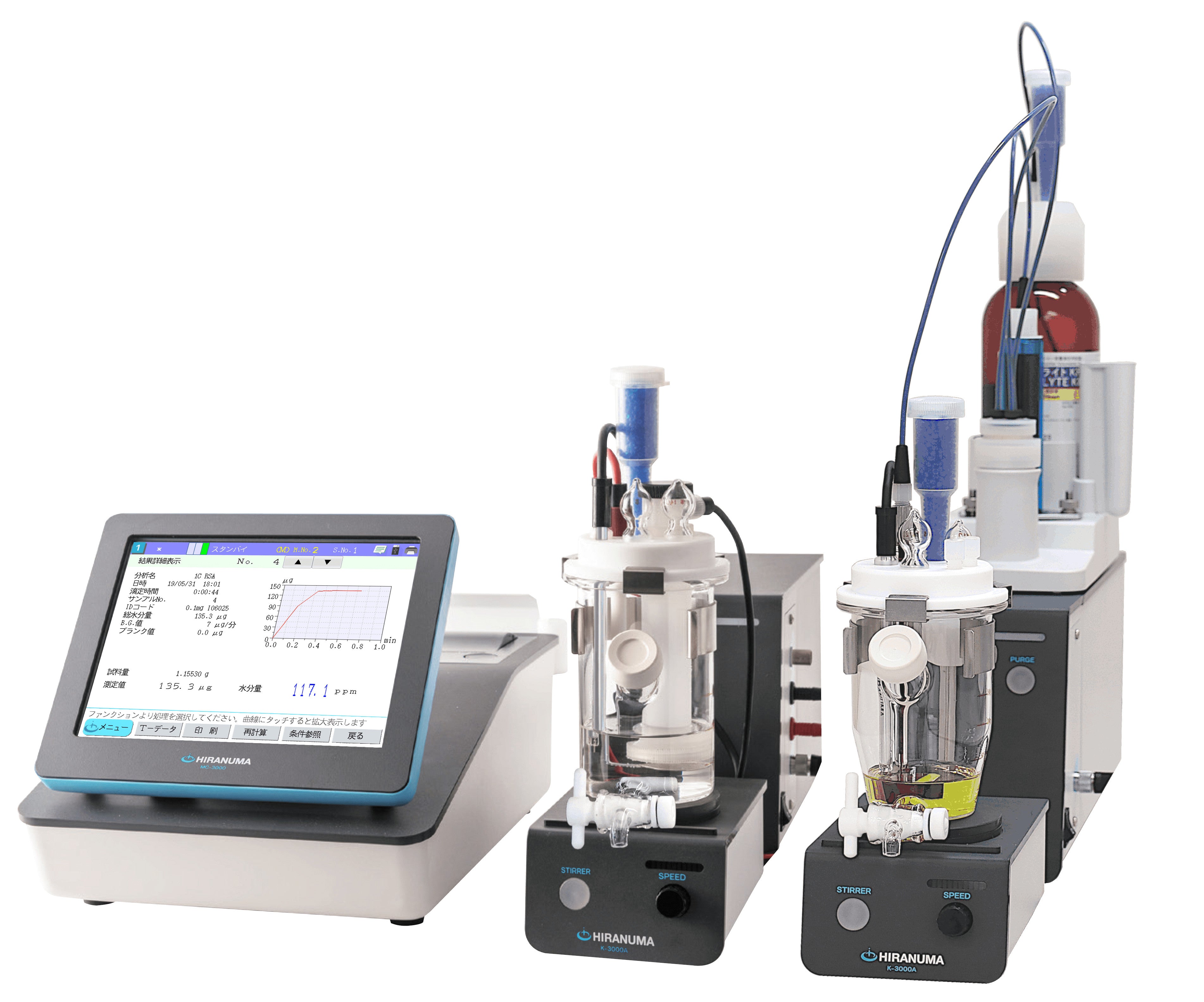
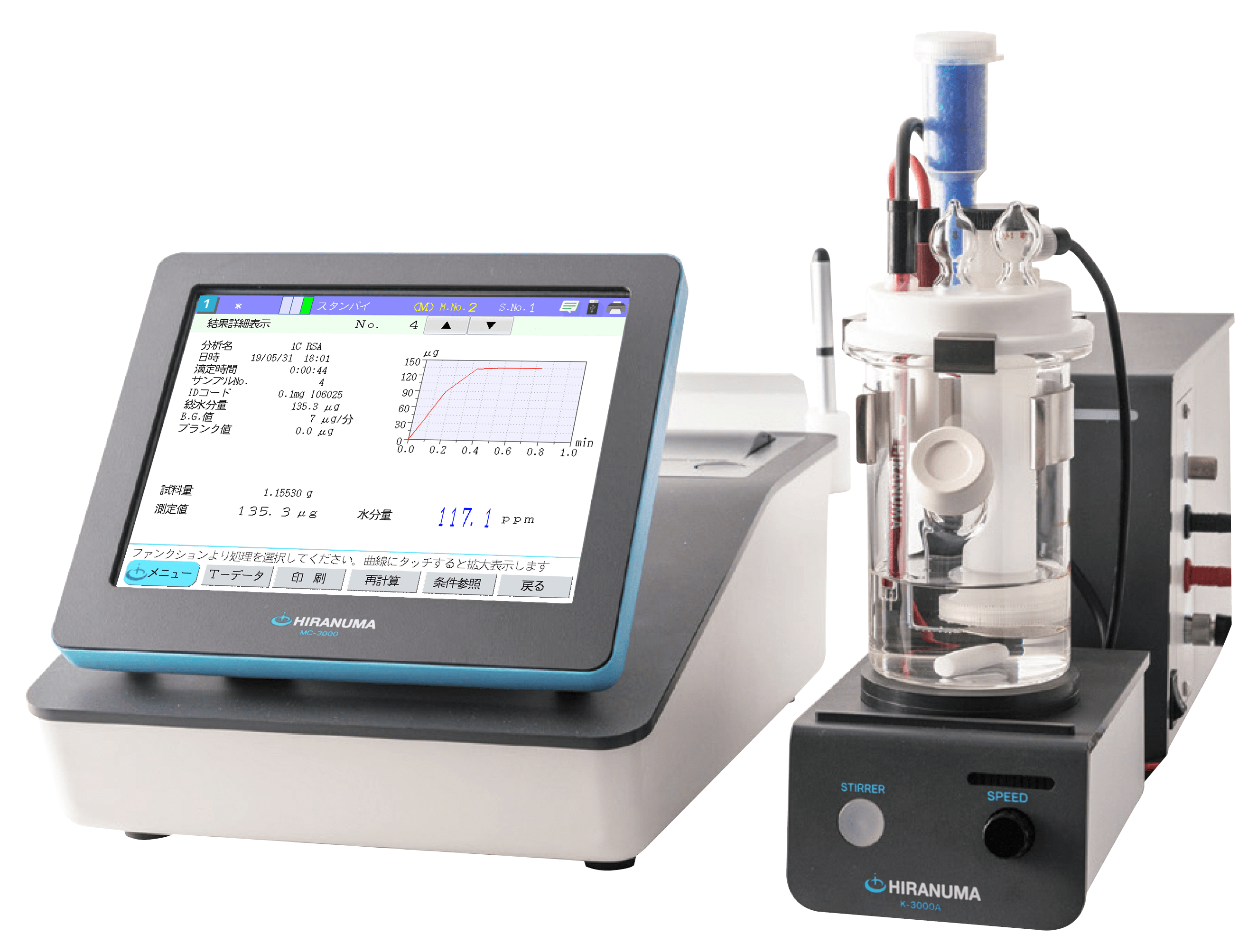
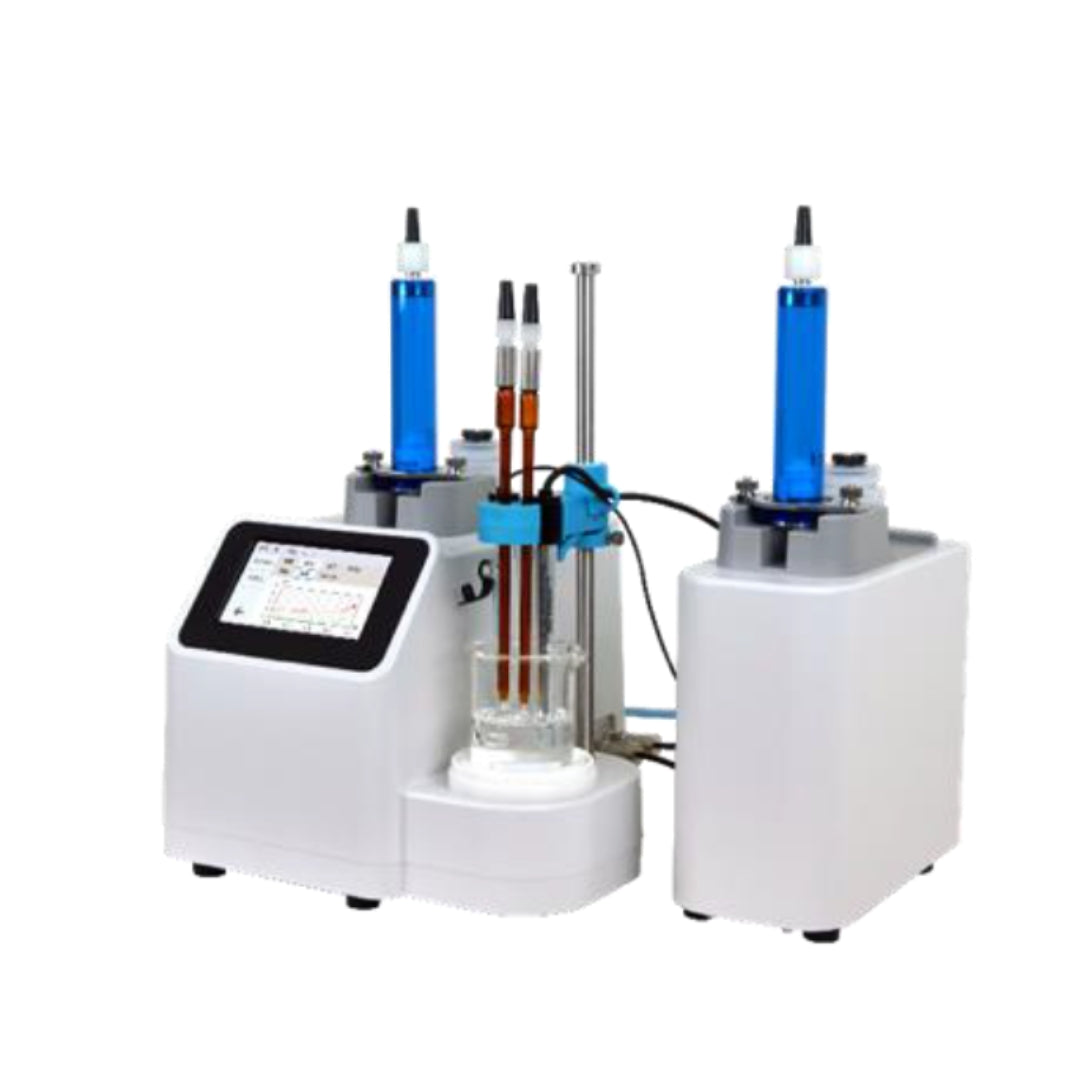
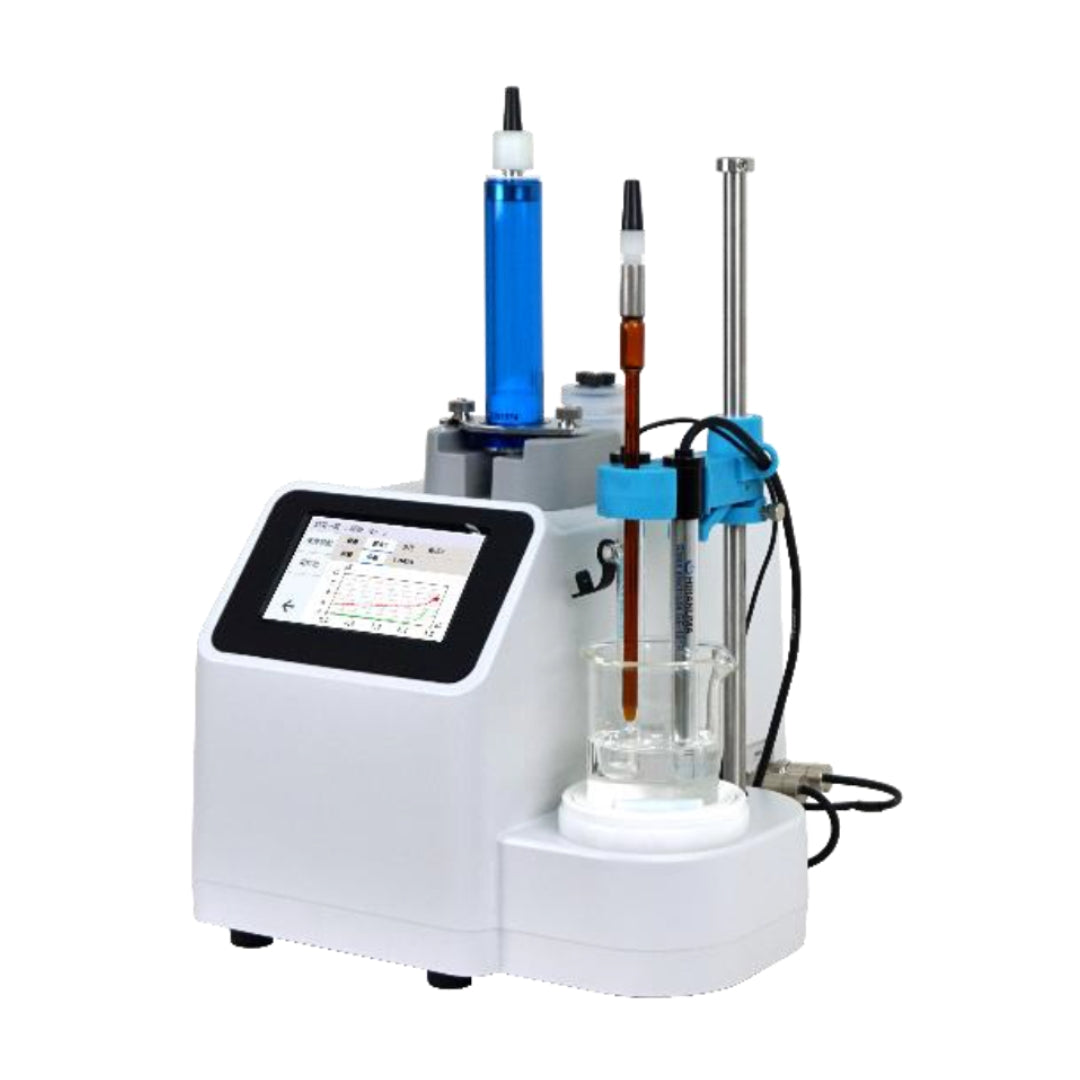
The COM-A19 Automatic Potentiometric Titrator automates titrant delivery, endpoint detection, calculations, and reporting.
Key benefits include:
- Automatic endpoint detection
- High analytical precision
- Excellent repeatability
- Fractional titration capability
- Electronic data storage
- Reduced operator variability
Principle of the Method
The mixed acid sample is titrated with standardized sodium hydroxide solution while monitoring pH with a glass electrode.
Two distinct inflection points are observed:
- First endpoint – total acidity (nitric acid + phosphoric acid)
- Second endpoint – phosphoric acid
Using the titration volumes from both endpoints, the instrument automatically calculates the concentration of phosphoric acid, while the nitric acid concentration is obtained by difference. This allows accurate determination of both acids from a single titration.
Typical Applications
This method is commonly used for:
- Semiconductor process chemicals
- Metal finishing baths
- Stainless steel pickling solutions
- Glass processing
- Chemical manufacturing
- Industrial cleaning solutions
- Research and development laboratories
Advantages of Automated Potentiometric Titration
Compared with manual titration, automated analysis provides:
- Improved precision
- Better repeatability
- Automatic calculations
- Faster analysis
- Electronic record keeping
- Reduced operator error
Typical Results
The COM-A19 provides:
- Automatic endpoint recognition
- Accurate determination of nitric acid
- Accurate determination of phosphoric acid
- Excellent batch-to-batch repeatability
- Electronic reporting and data storage
Related Standards
This application is based on established potentiometric acid-base titration principles commonly used for industrial process control and quality assurance. Laboratories should follow their applicable ASTM, ISO, JIS, or internal analytical procedures as required.
Why Choose JM Science?
JM Science has supplied automated titration systems to laboratories throughout North America for more than 22 years. Our COM-A19 Automatic Potentiometric Titrator supports demanding applications in semiconductor manufacturing, metal finishing, chemical processing, pharmaceuticals, and environmental laboratories with reliable performance and expert technical support.
Related Resources
- COM-A19 Automatic Potentiometric Titrator
- Semiconductor Process Analysis
- Metal Finishing & Plating Solutions
- Fractional Determination of Hydrofluoric Acid and Nitric Acid
- Nitric and Acetic Acid Analysis
- Phosphoric Acid Purity Determination
- Sulfuric Acid Purity Determination
- Karl Fischer & Potentiometric Titration Application Library