Epoxy Equivalent Weight (EEW) Determination of Epoxy Resins
Epoxy resins are widely used in coatings, adhesives, electrical encapsulation, composites, flooring systems, and structural materials because of their outstanding mechanical strength, chemical resistance, and electrical insulation properties.
One of the most important quality control parameters is the Epoxy Equivalent Weight (EEW)—the number of grams of resin containing one equivalent of epoxy groups. Accurate EEW measurements ensure the correct amount of curing agent is added, resulting in consistent curing performance and finished product properties. EEW is routinely determined according to standards such as ASTM D1652, EN ISO 3001, and JIS K7236 using potentiometric titration.
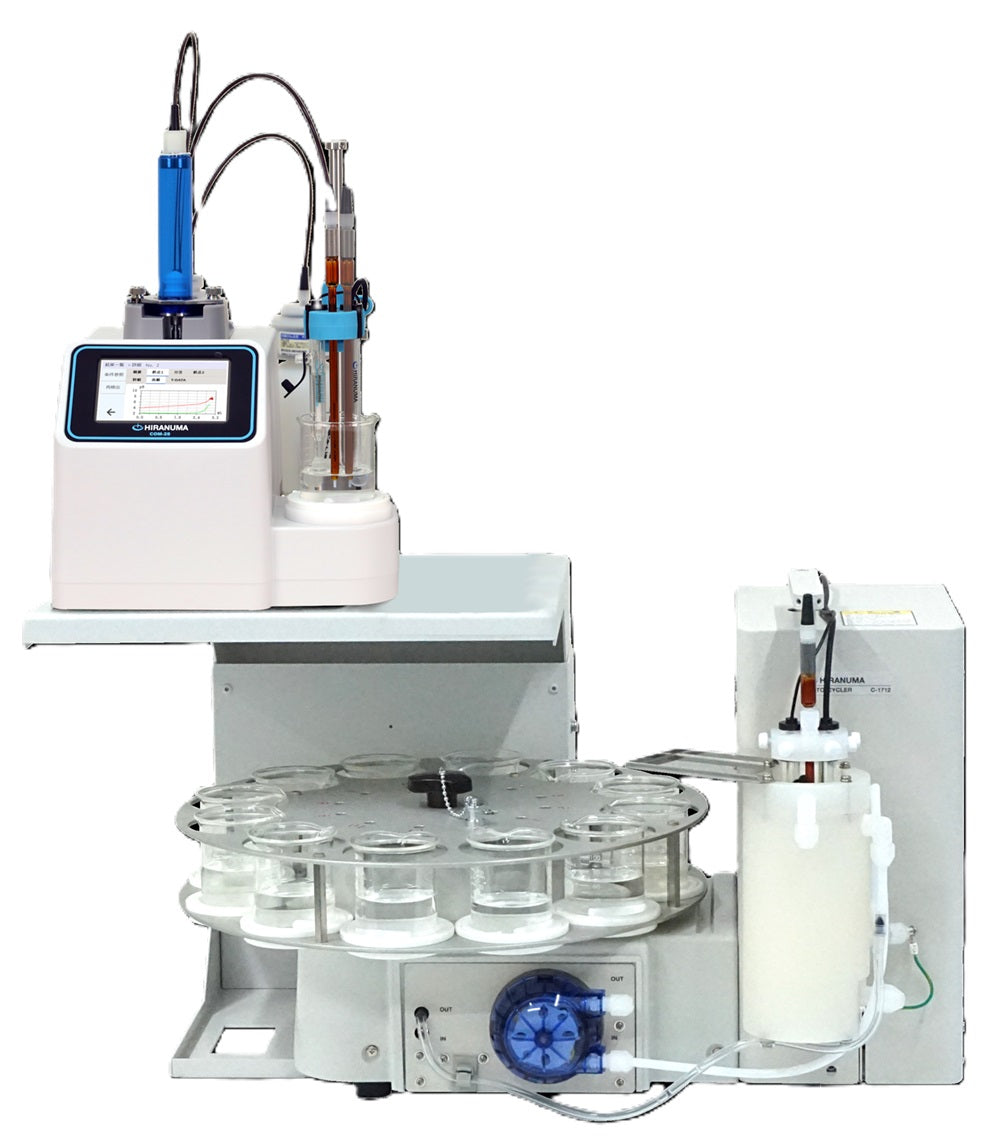
This application demonstrates automated EEW determination using the COM-A19 Automatic Potentiometric Titrator, providing faster, more repeatable, and less operator-dependent results than manual titration.
Why Measure Epoxy Equivalent Weight?
Routine EEW testing helps manufacturers:
- Verify incoming resin quality
- Calculate the correct hardener ratio
- Maintain batch-to-batch consistency
- Improve coating and adhesive performance
- Prevent under- or over-curing
- Reduce manufacturing waste
- Meet customer and industry specifications
Industries
Epoxy equivalent determination is widely used in:
- Adhesive manufacturing
- Paints and coatings
- Electronic encapsulation
- Printed circuit board materials
- Composite materials
- Aerospace
- Automotive
- Construction materials
- Wind energy components
- Industrial flooring
Recommended Instrument
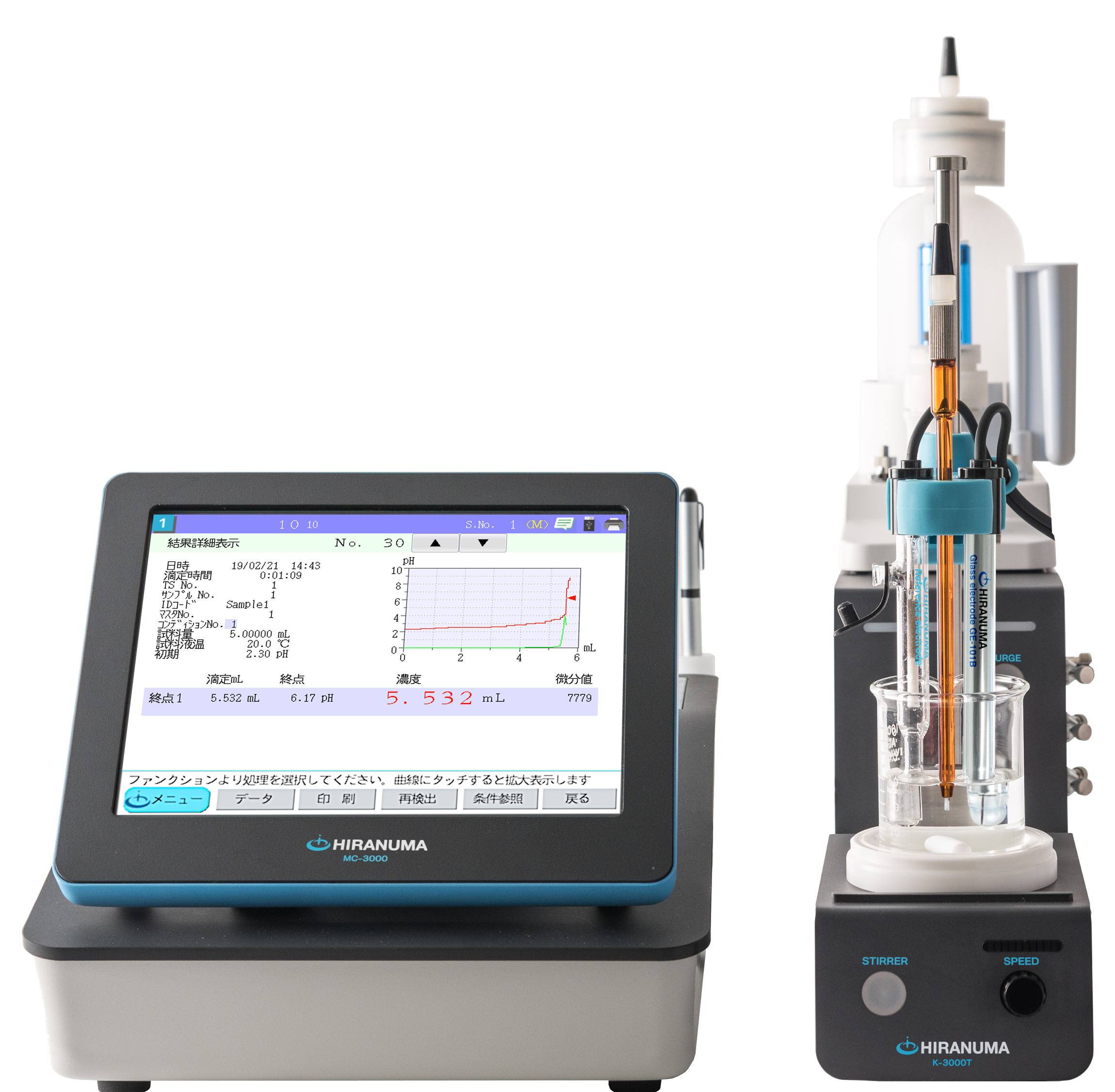
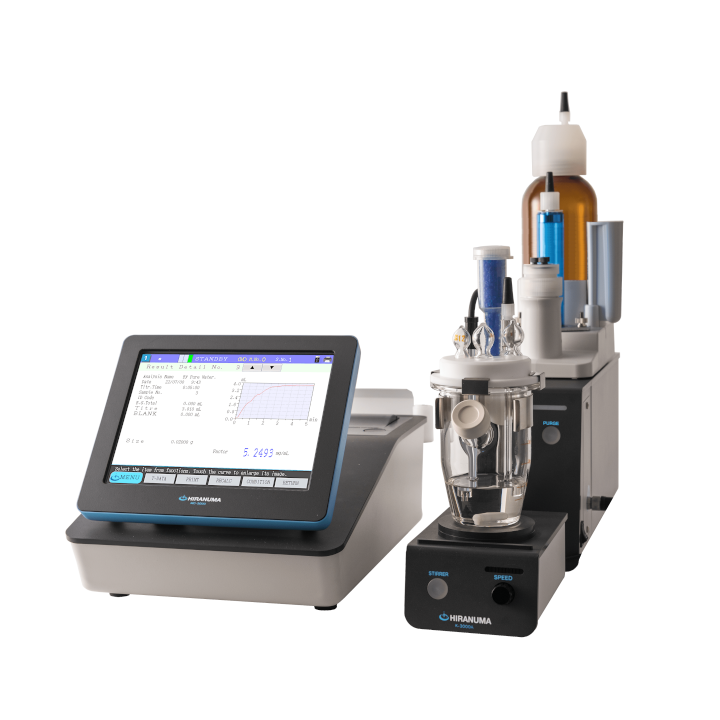
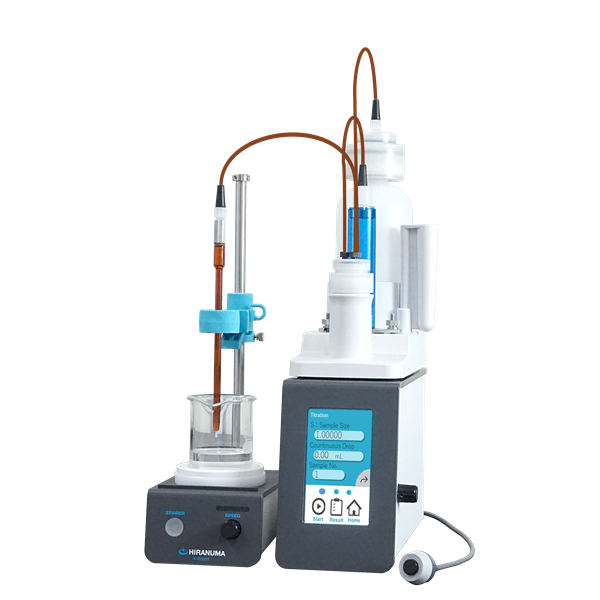
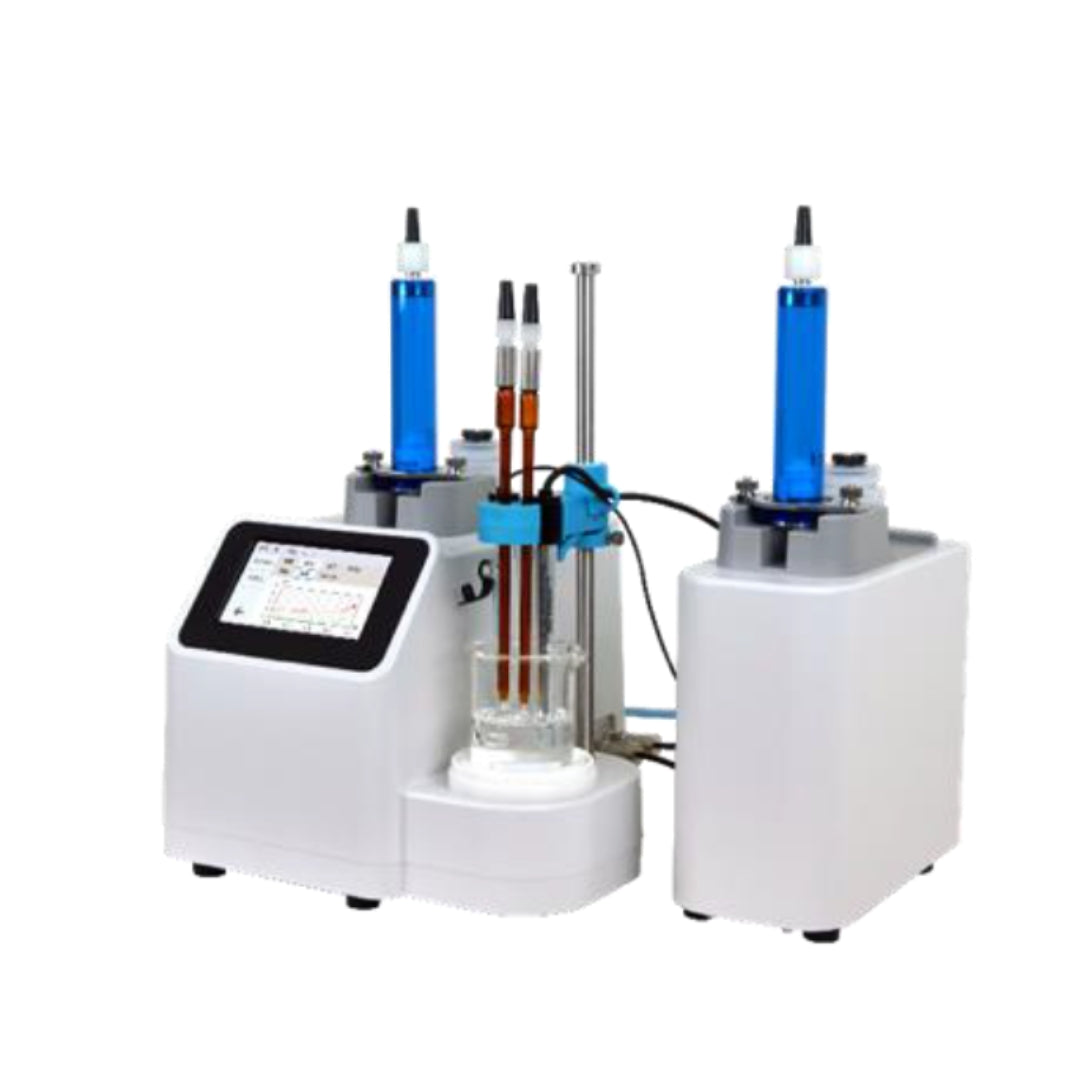
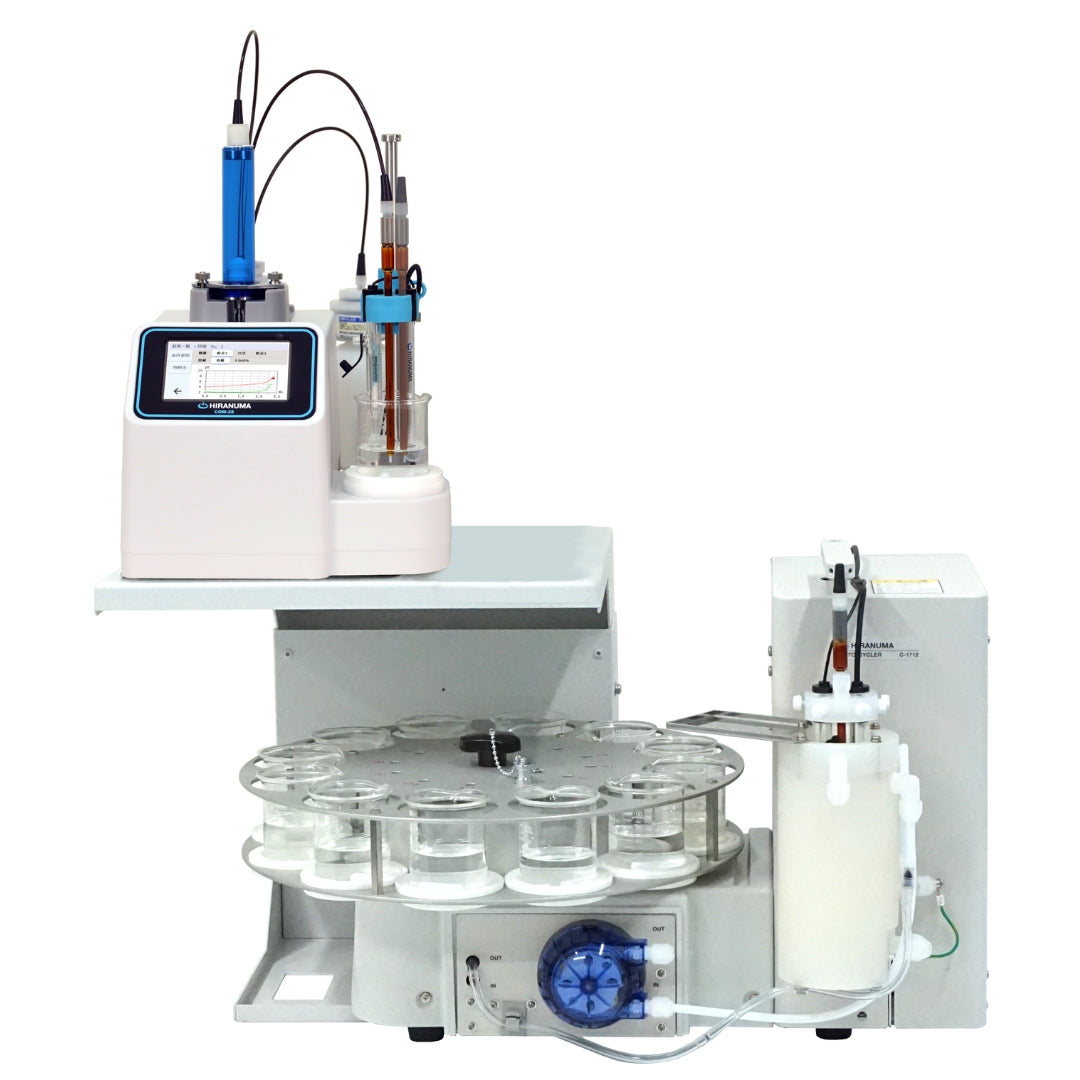
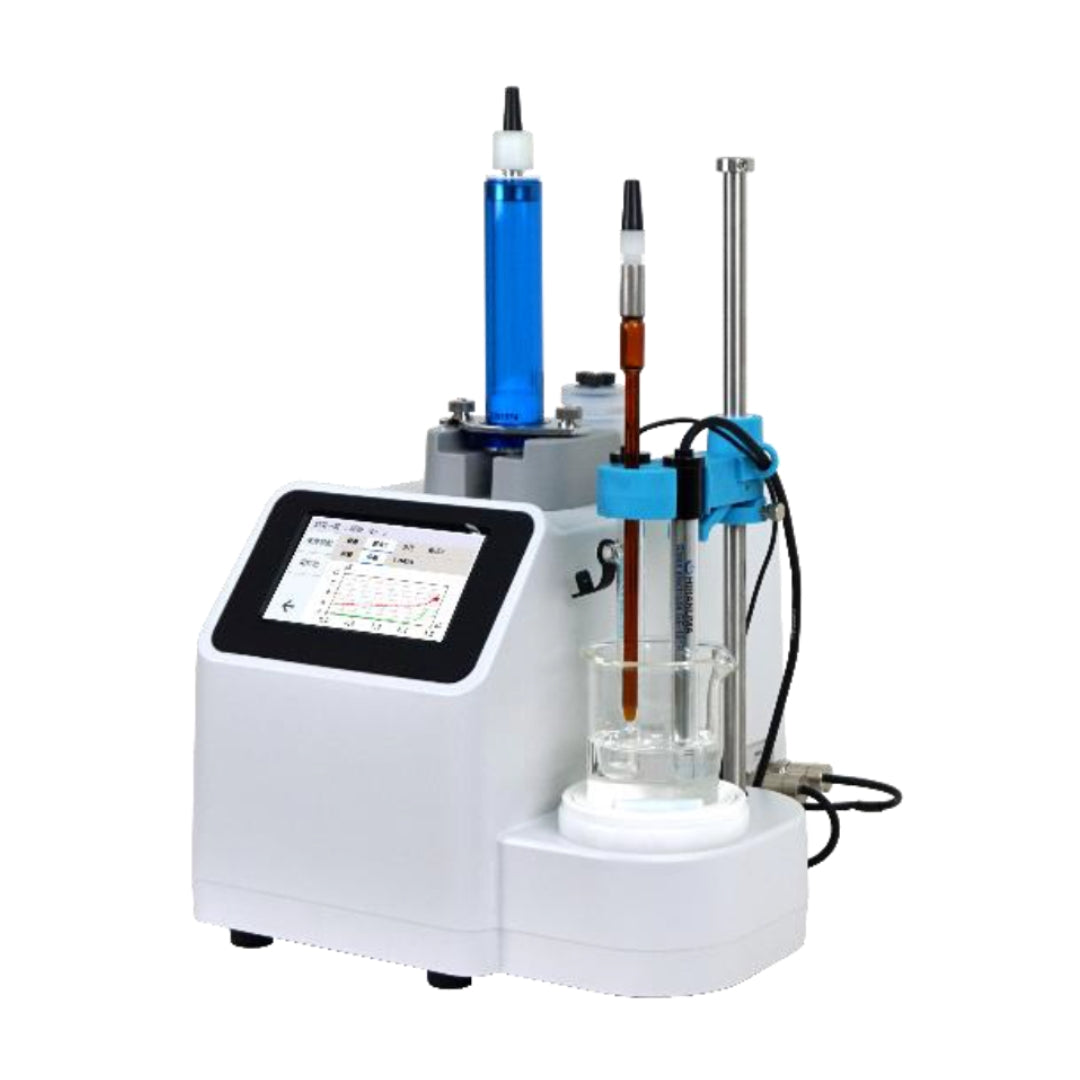
The COM-A19 Automatic Potentiometric Titrator automates the complete analysis, including titrant delivery, endpoint detection, calculation, and reporting.
Key advantages include:
- Automatic endpoint detection
- Excellent repeatability
- Reduced operator variability
- Electronic data storage
- GLP/GMP compliant reporting
- Touchscreen operation
- Support for multiple titration methods
Principle of the Method
The sample is accurately weighed and dissolved in an appropriate solvent. After adding tetraethylammonium bromide in acetic acid, the solution is titrated with standardized perchloric acid.
During the titration, hydrogen bromide generated in situ reacts with the epoxy groups. Once all epoxy groups have reacted, excess hydrogen bromide produces a clear potentiometric endpoint from which the epoxy equivalent weight is calculated automatically. This procedure follows established international methods for EEW determination.
Benefits of Automated Potentiometric Titration
Compared with manual titration, automated analysis offers:
- Greater precision
- Improved reproducibility
- Faster analysis
- Automatic calculations
- Reduced transcription errors
- Improved laboratory productivity
Typical Results
The COM-A19 provides:
- Automatic endpoint recognition
- High analytical precision
- Excellent repeatability
- Electronic record keeping
- Simple calculation of epoxy equivalent weight
Related Standards
Common analytical standards include:
- ASTM D1652 – Standard Test Method for Epoxy Content of Epoxy Resins
- EN ISO 3001 – Plastics—Epoxy Compounds
- JIS K7236 – Epoxy Equivalent Determination
Why Choose JM Science?
For more than 35 years, JM Science has supplied automated titration systems throughout North America for the analysis of epoxy resins, adhesives, coatings, specialty chemicals, pharmaceuticals, plating solutions, lubricants, and food products. Our experienced application specialists can help select the optimum titration method, electrode configuration, and reagents for your specific resin chemistry.
Related Resources
- COM-A19 Automatic Potentiometric Titrator
- Potentiometric Titration Application Library
- Determination of Isocyanate (NCO) Content in Adhesives
- Acid Value of Epoxy Resins
- Amine Value Determination
- Hydroxyl Value Determination
- Potentiometric Titration Reagents