Introduction
Lyophilized (freeze-dried) pharmaceutical products require strict control of residual moisture to ensure stability, potency, and shelf life. Even small amounts of water can impact product performance and long-term storage.
Karl Fischer titration provides a precise and reliable method for determining low levels of water in these materials.
Analytical Challenge
Lyophilized samples present unique analytical challenges:
- Extremely low residual moisture levels (ppm range)
- Porous structure that rapidly absorbs ambient humidity
- Sensitivity to handling and environmental exposure
Accurate measurement requires careful sample handling and highly sensitive detection.
Recommended Method
Coulometric Karl Fischer titration is the preferred method for determining trace moisture in lyophilized pharmaceutical products.
- High sensitivity for ppm-level detection
- Specific and selective for water
- Excellent reproducibility
Typical Procedure
- Prepare and handle samples under controlled conditions
- Minimize exposure to ambient humidity
- Introduce sample into Karl Fischer system
- Measure water content using coulometric detection
- Record and validate results
Results and Benefits
- Accurate determination of residual moisture
- Reliable ppm-level detection
- Improved product stability control
- Consistent and reproducible results
Recommended Instrumentation
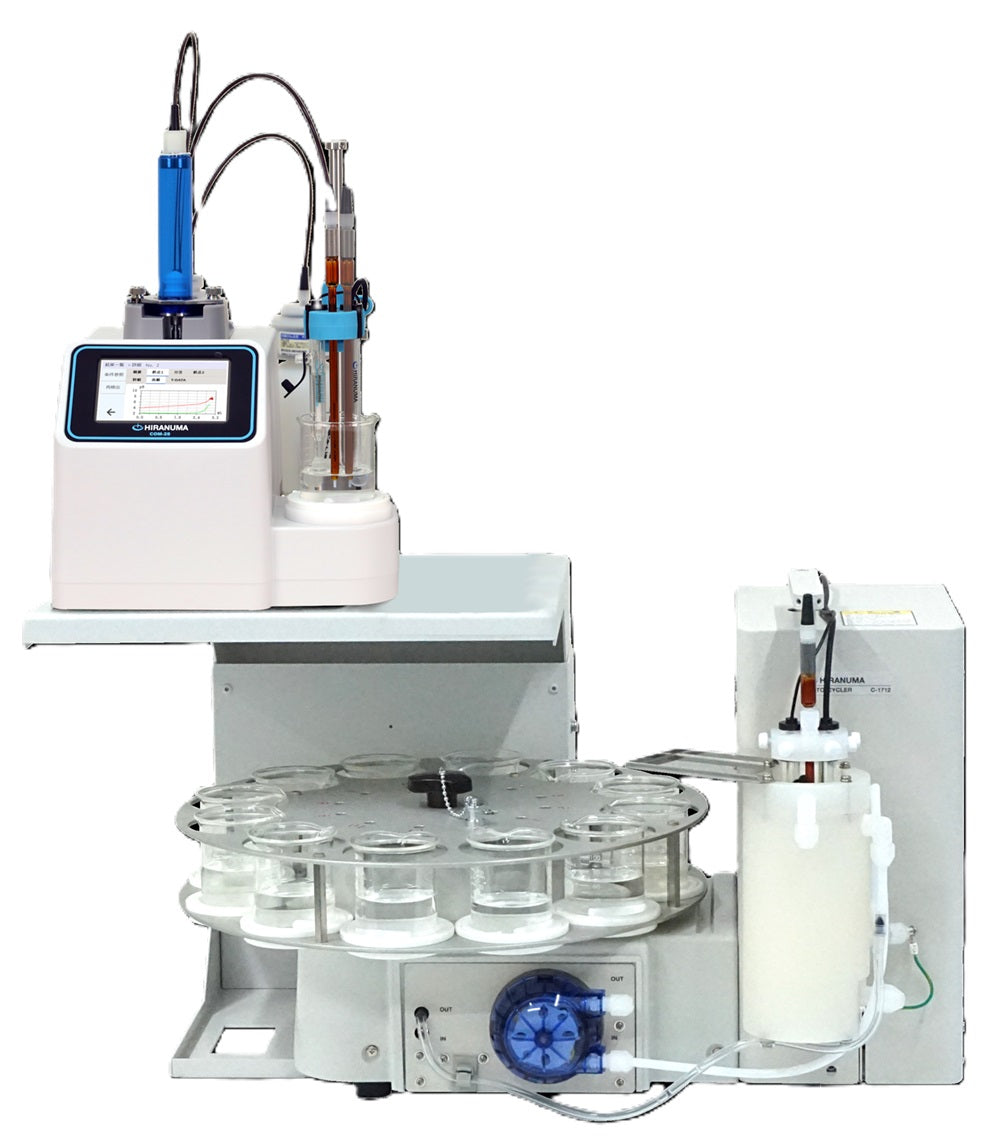
-
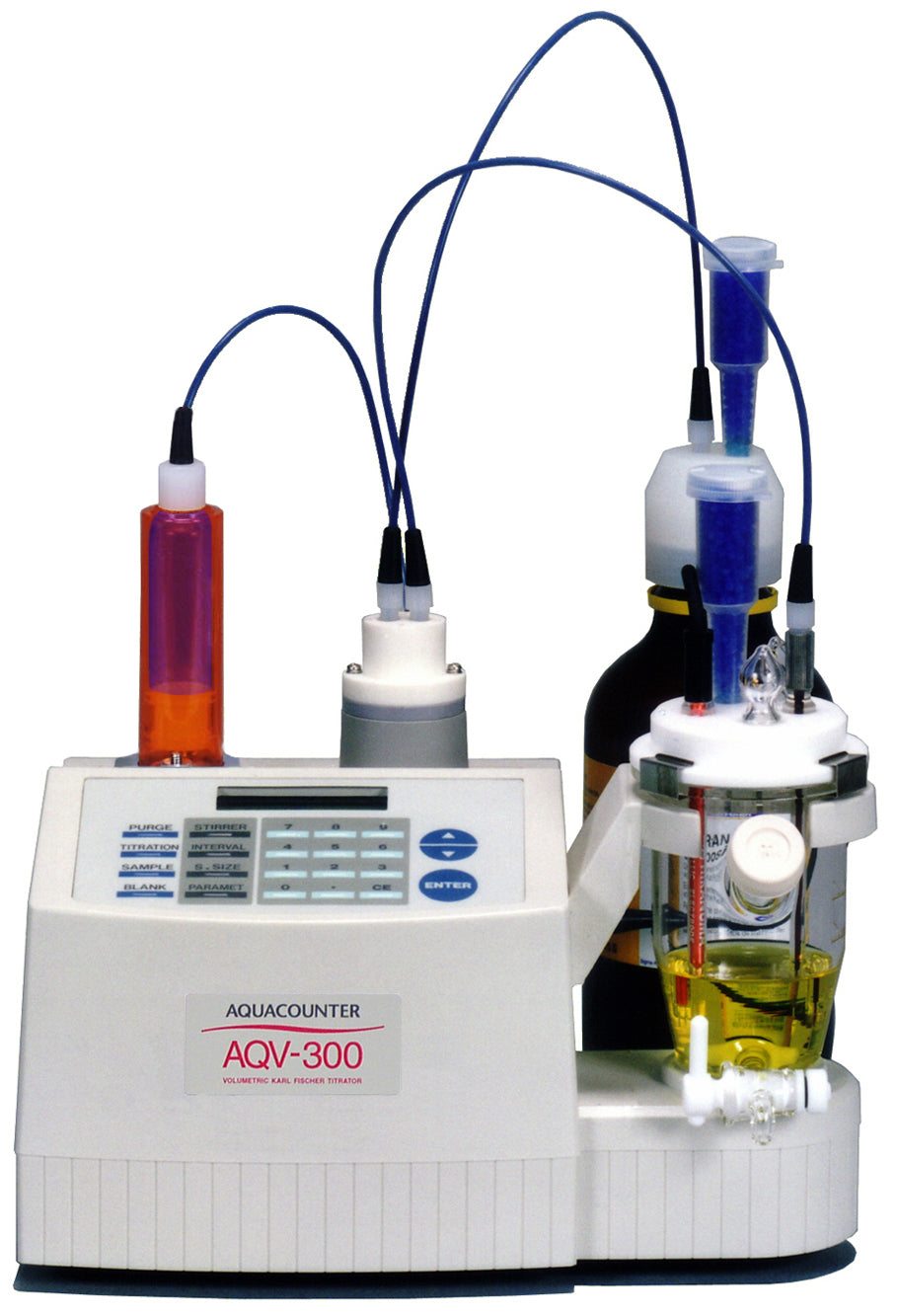
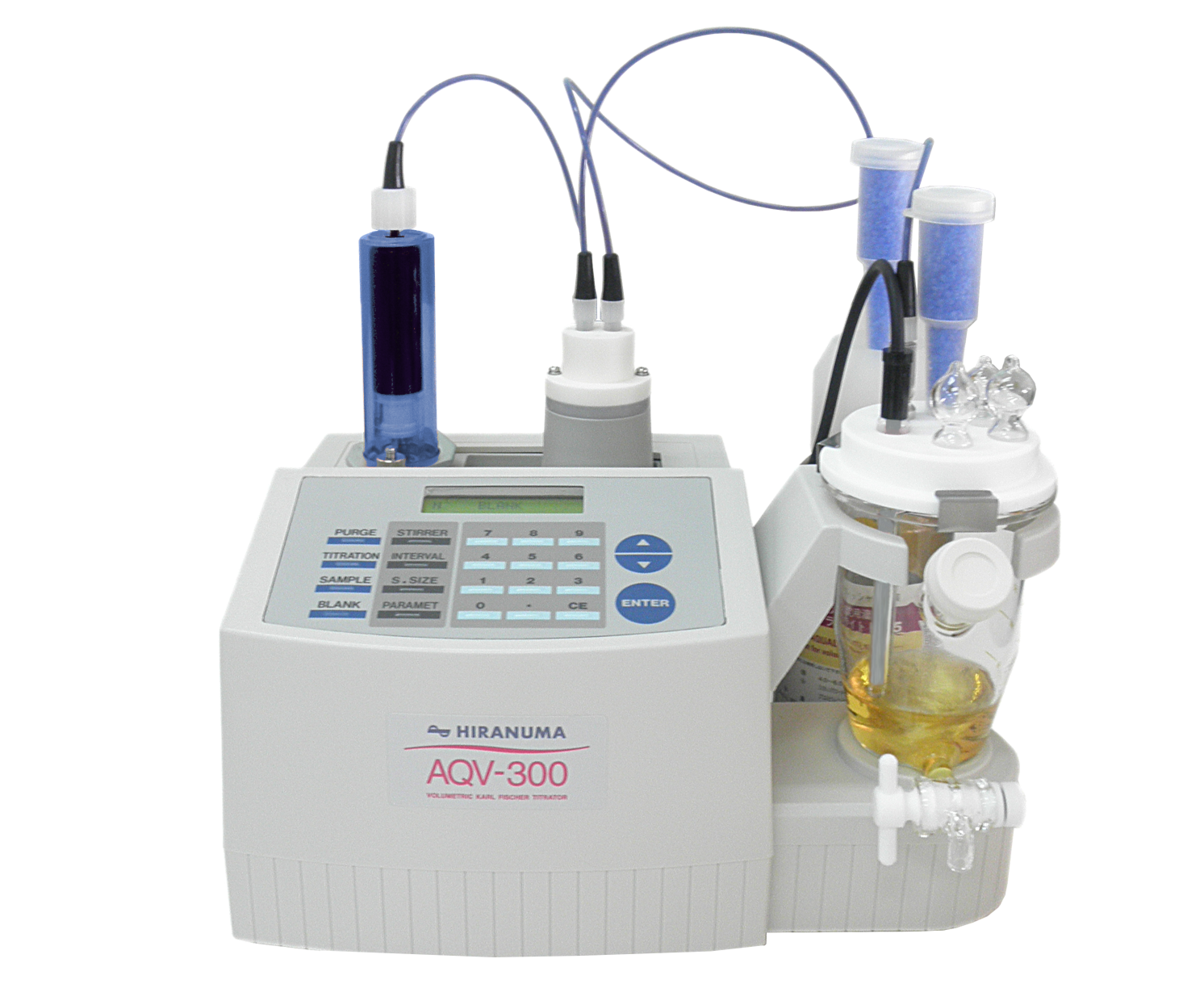
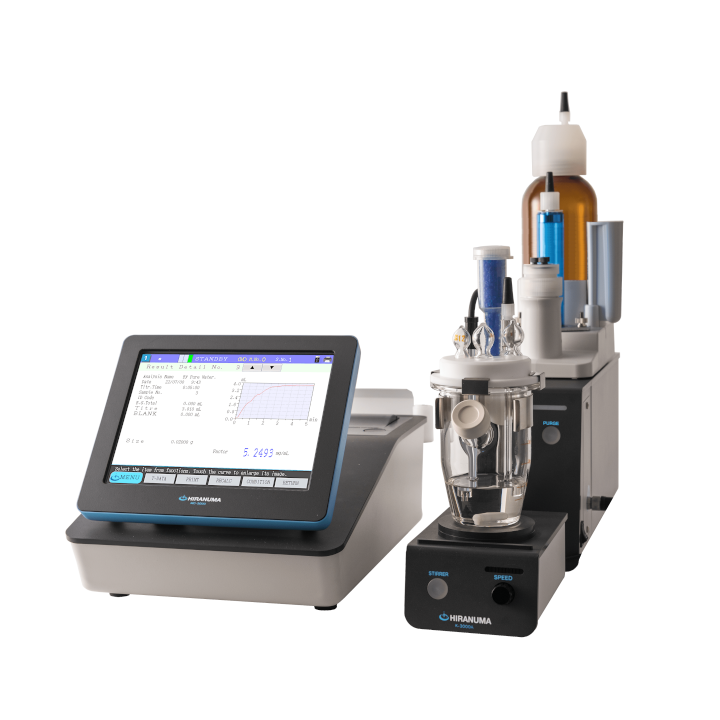
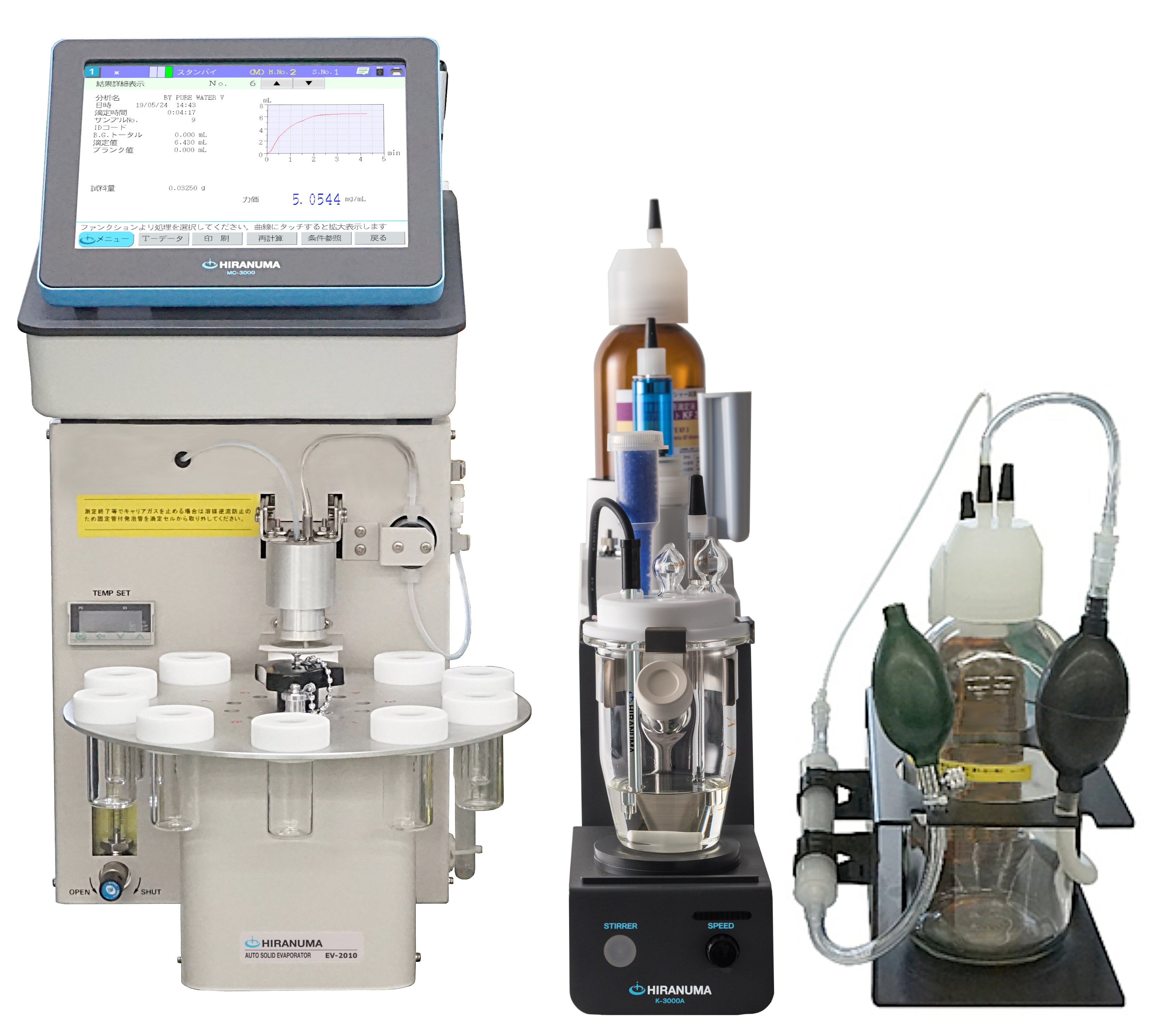
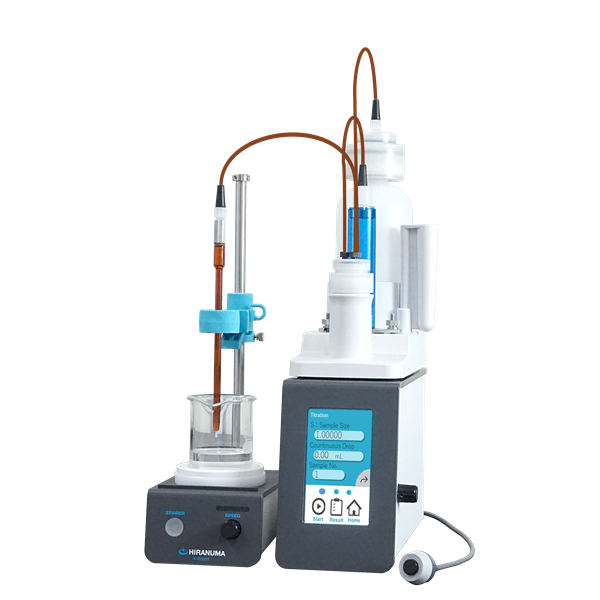
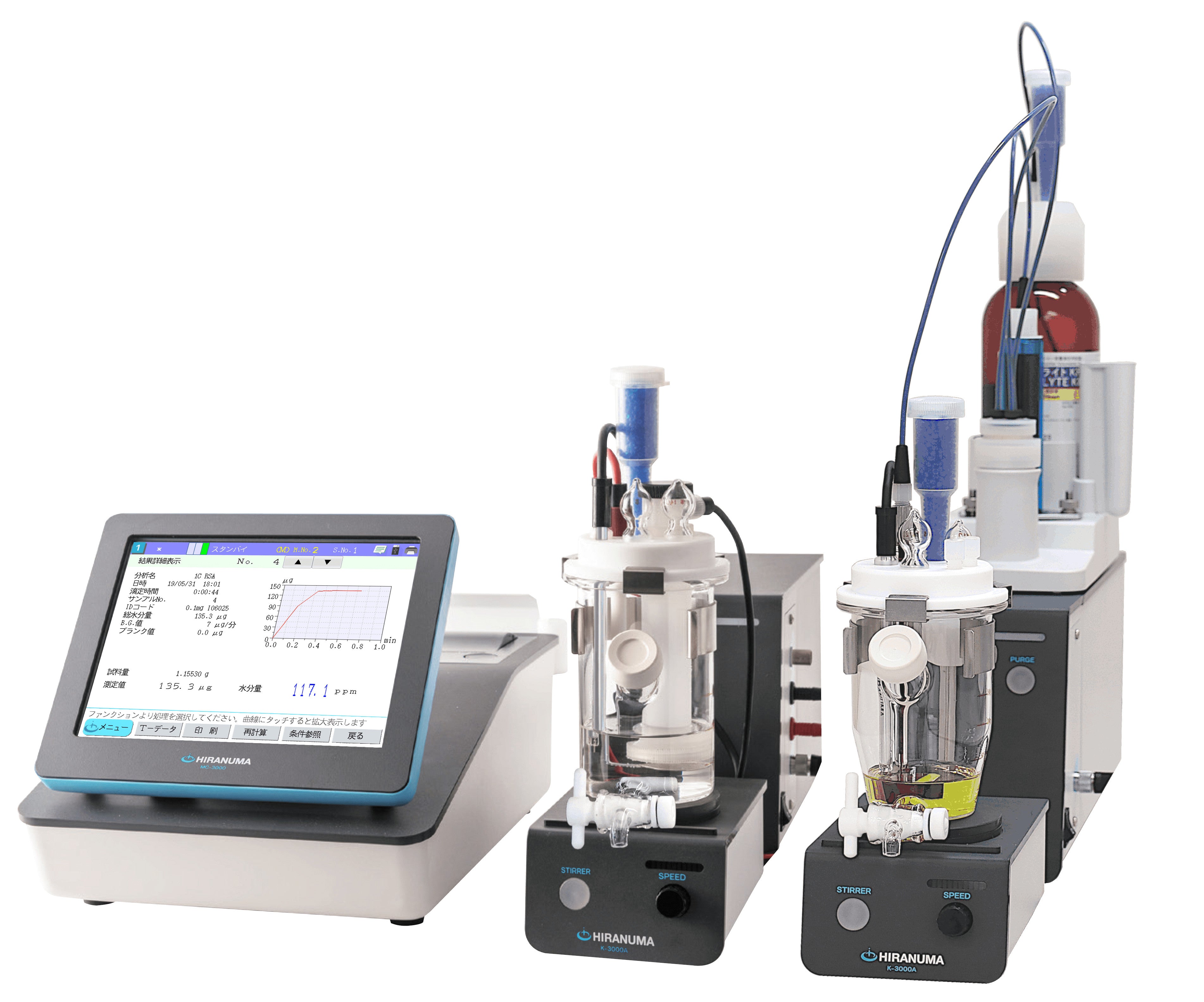
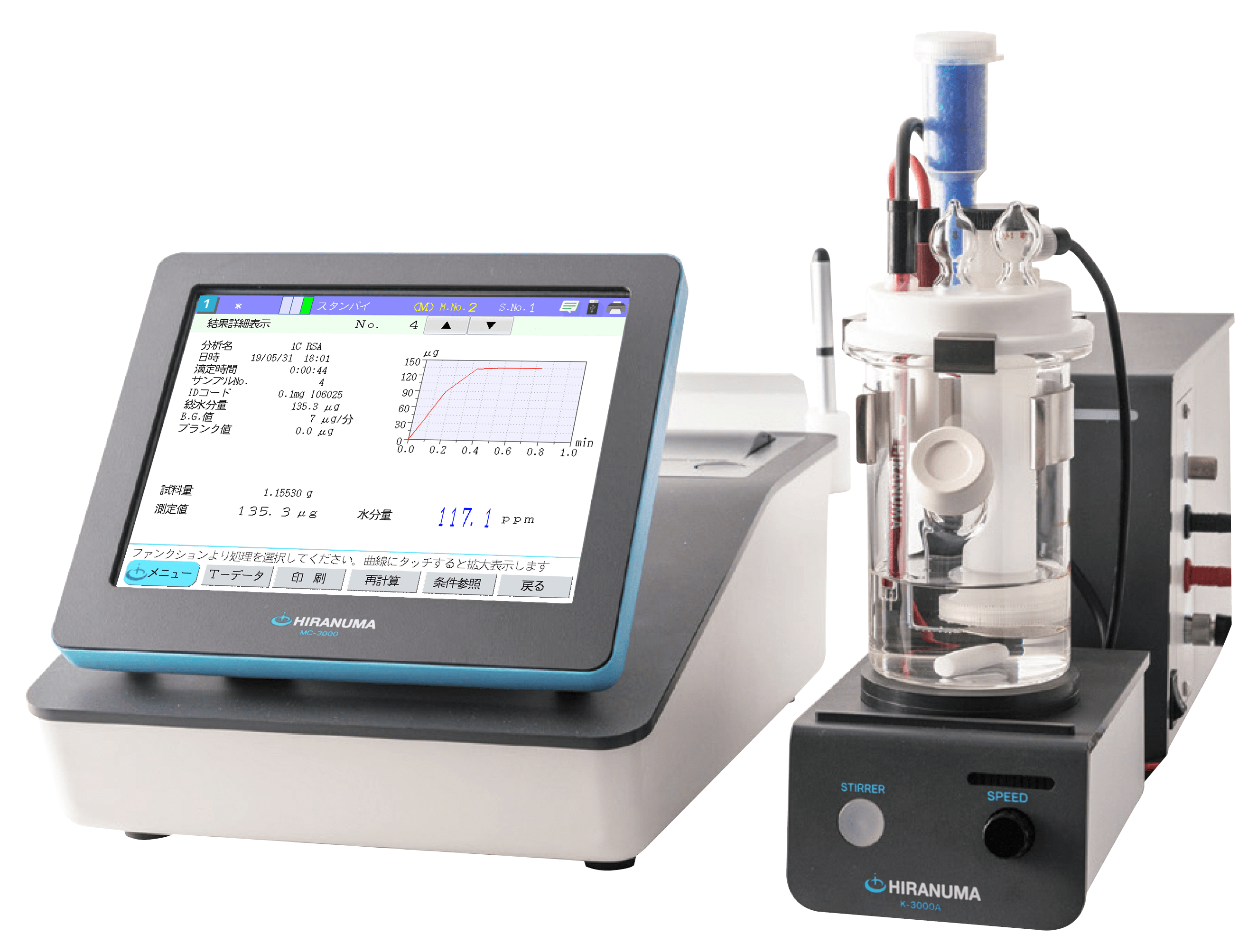
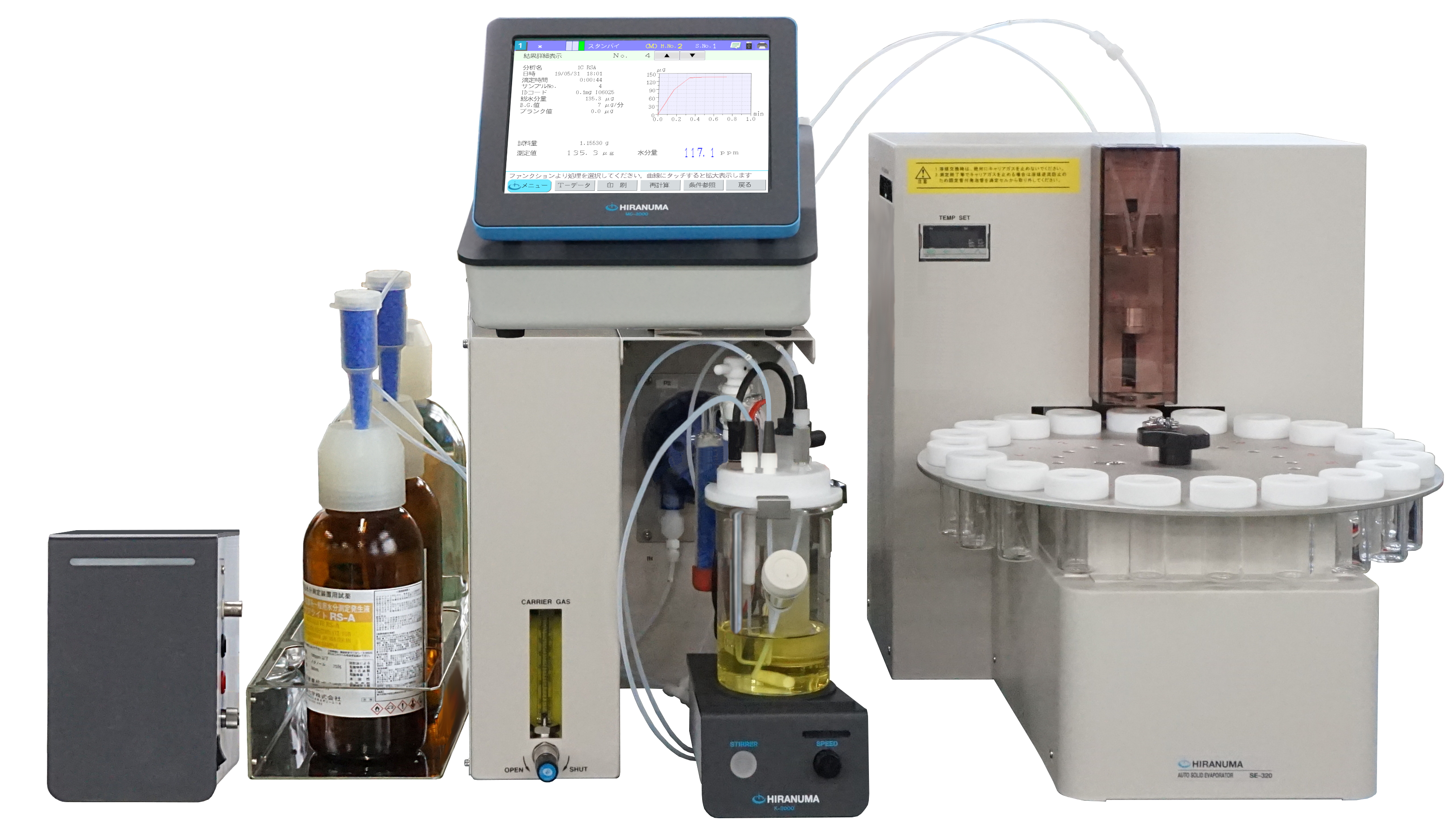
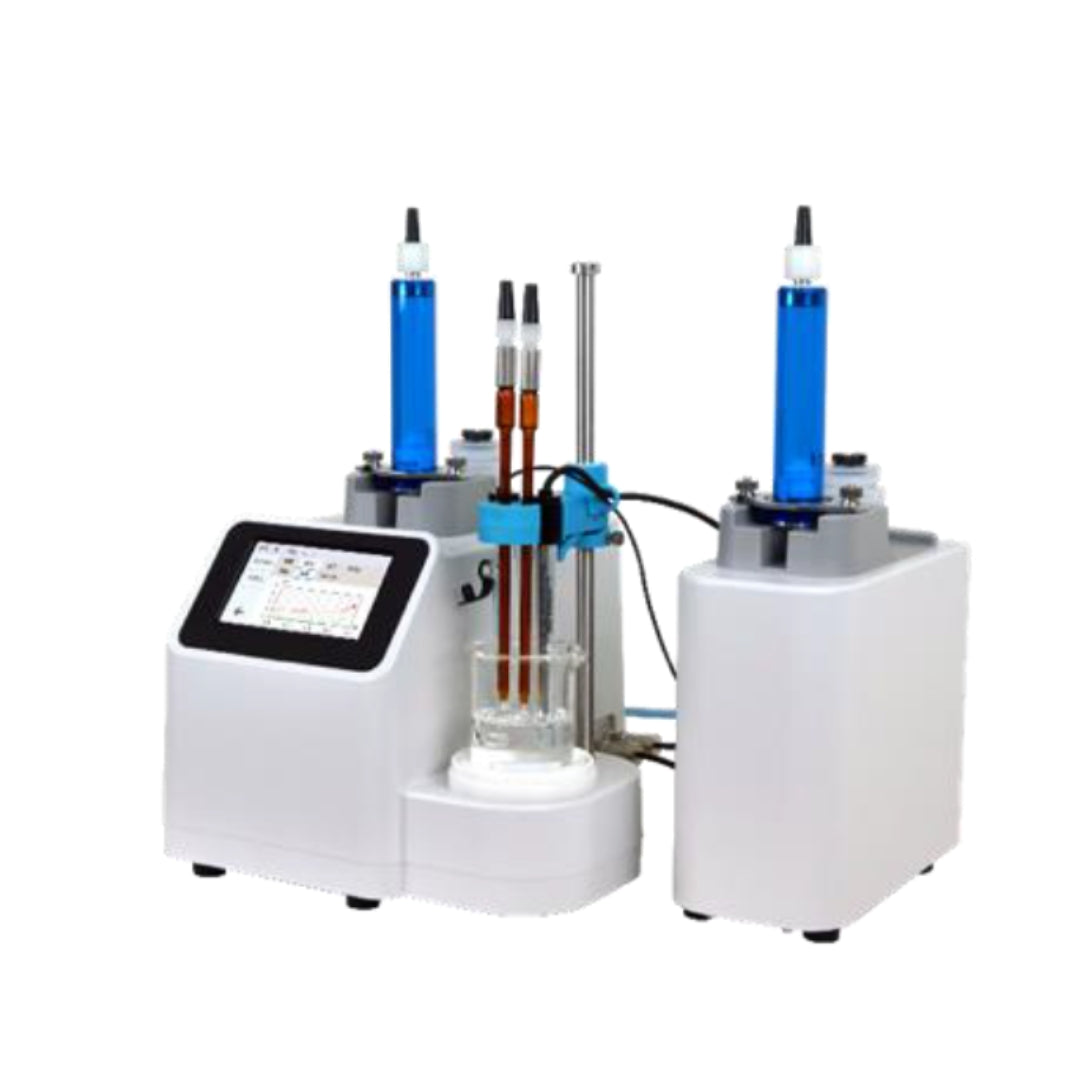
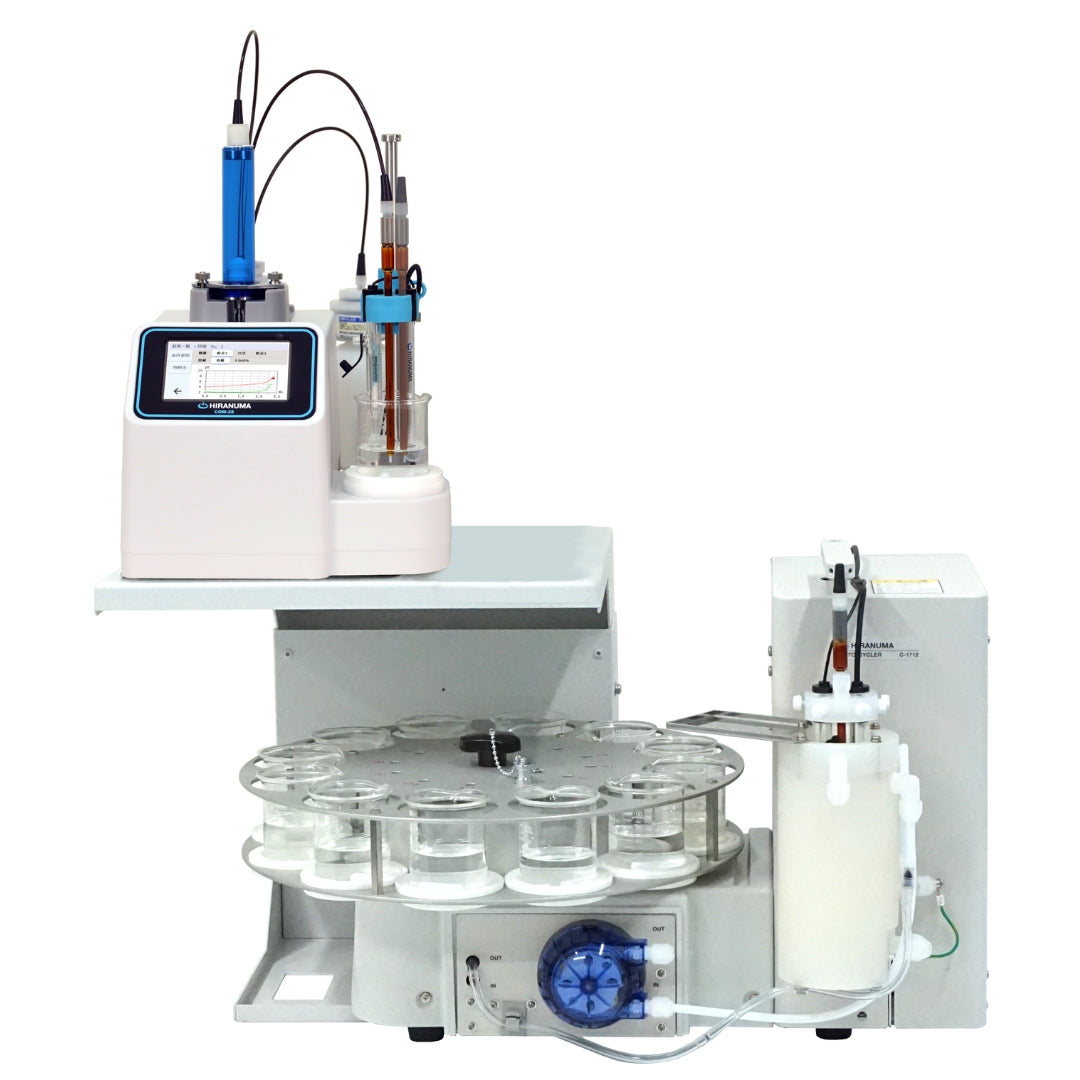
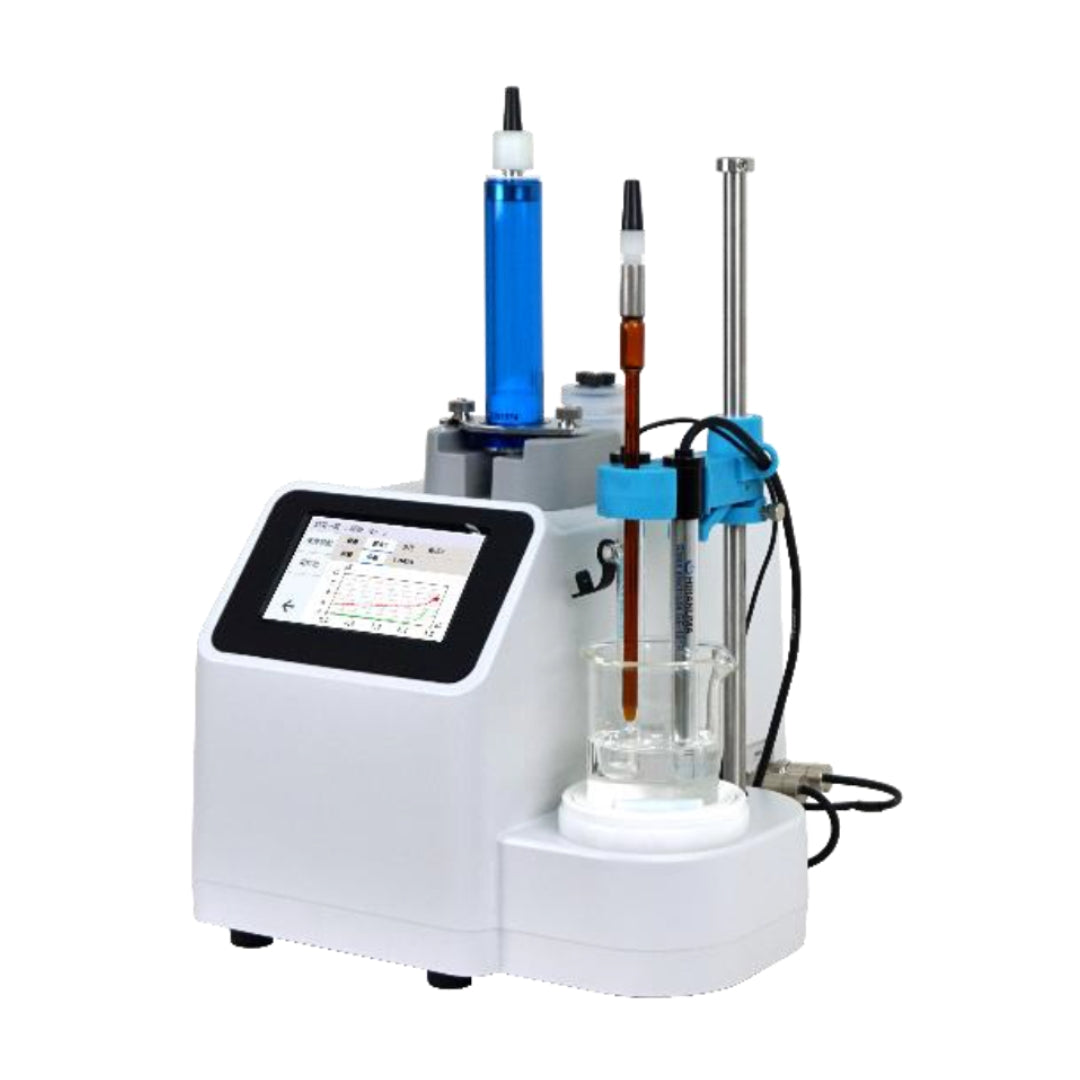
Moico-A19 Coulometric Karl Fischer Titrator (advanced pharmaceutical applications, trace moisture analysis)
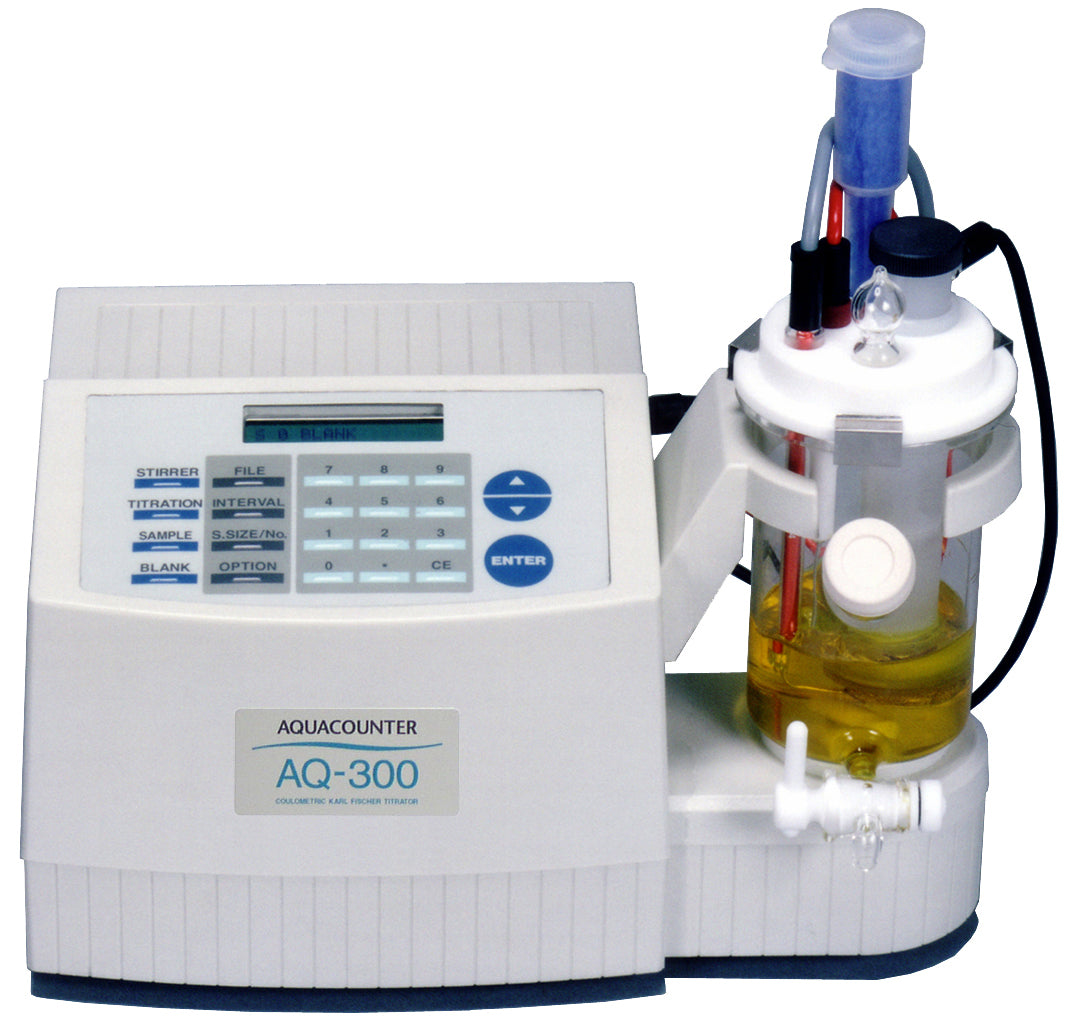
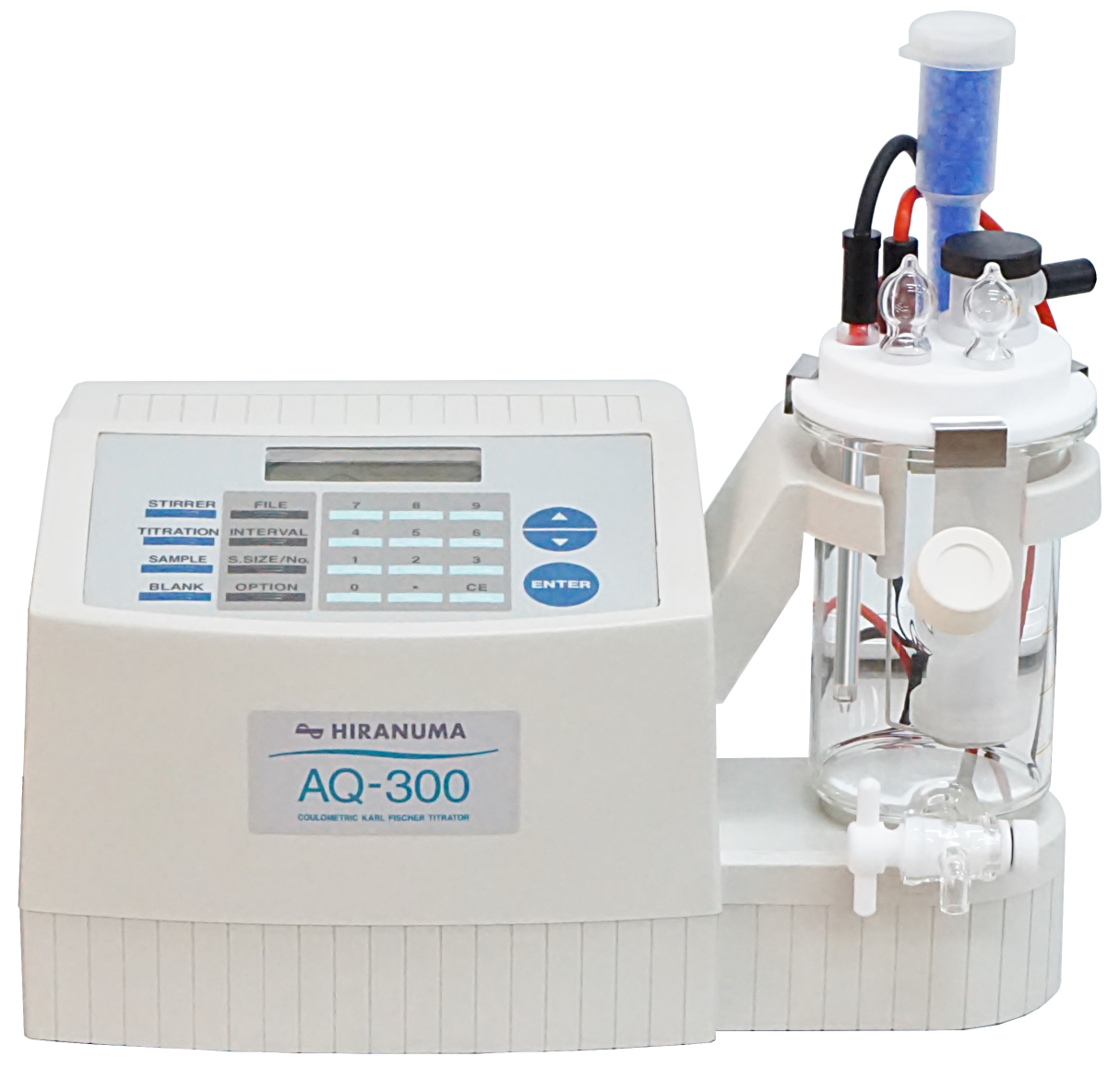
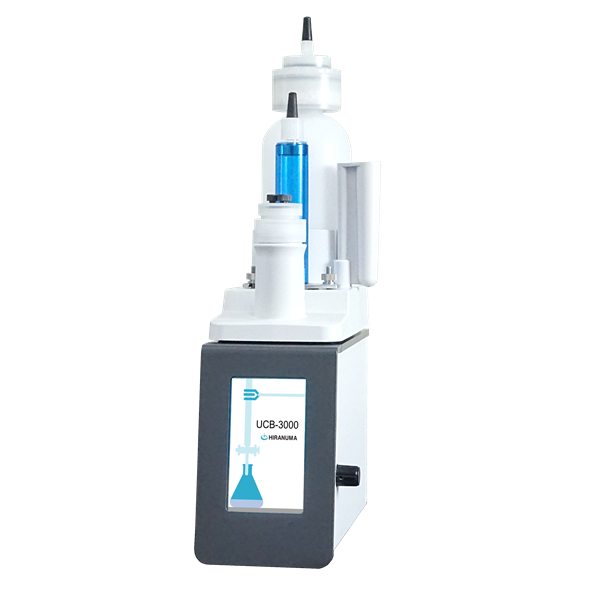
- AQ-300 Coulometric Karl Fischer Titrator (proven, cost-effective solutions for routine analysis)
This method is widely used for pharmaceutical solvent moisture analysis.
Conclusion
Karl Fischer titration provides a sensitive and reliable method for determining moisture content in lyophilized pharmaceutical products, supporting quality control and regulatory compliance.
Related Applications
Moisture Determination in Active Pharmaceutical Ingredients (APIs)
Karl Fischer Analysis of Pharmaceutical Solvents