TMAH and Carbonate Analysis in Photoresist Remover Solutions
Photoresist remover solutions are widely used during semiconductor and flat panel display manufacturing to remove residual photoresist following lithography and etching processes. These formulations commonly contain strong alkaline compounds such as tetramethylammonium hydroxide (TMAH), sodium hydroxide, or potassium hydroxide.
During storage and use, TMAH solutions gradually absorb carbon dioxide from the atmosphere, producing carbonate species that alter the chemical composition of the remover. Monitoring both TMAH and carbonate concentrations is essential for maintaining consistent cleaning performance and ensuring reliable semiconductor manufacturing processes. Automated potentiometric titration provides a fast, accurate, and reproducible method for measuring both components in a single analytical procedure.
Why Measure TMAH and Carbonates?
Routine analysis helps semiconductor manufacturers:
- Maintain photoresist stripping efficiency
- Monitor bath chemistry
- Detect carbonate contamination
- Optimize process consistency
- Reduce production defects
- Extend bath service life
- Improve quality control
Recommended Instrument
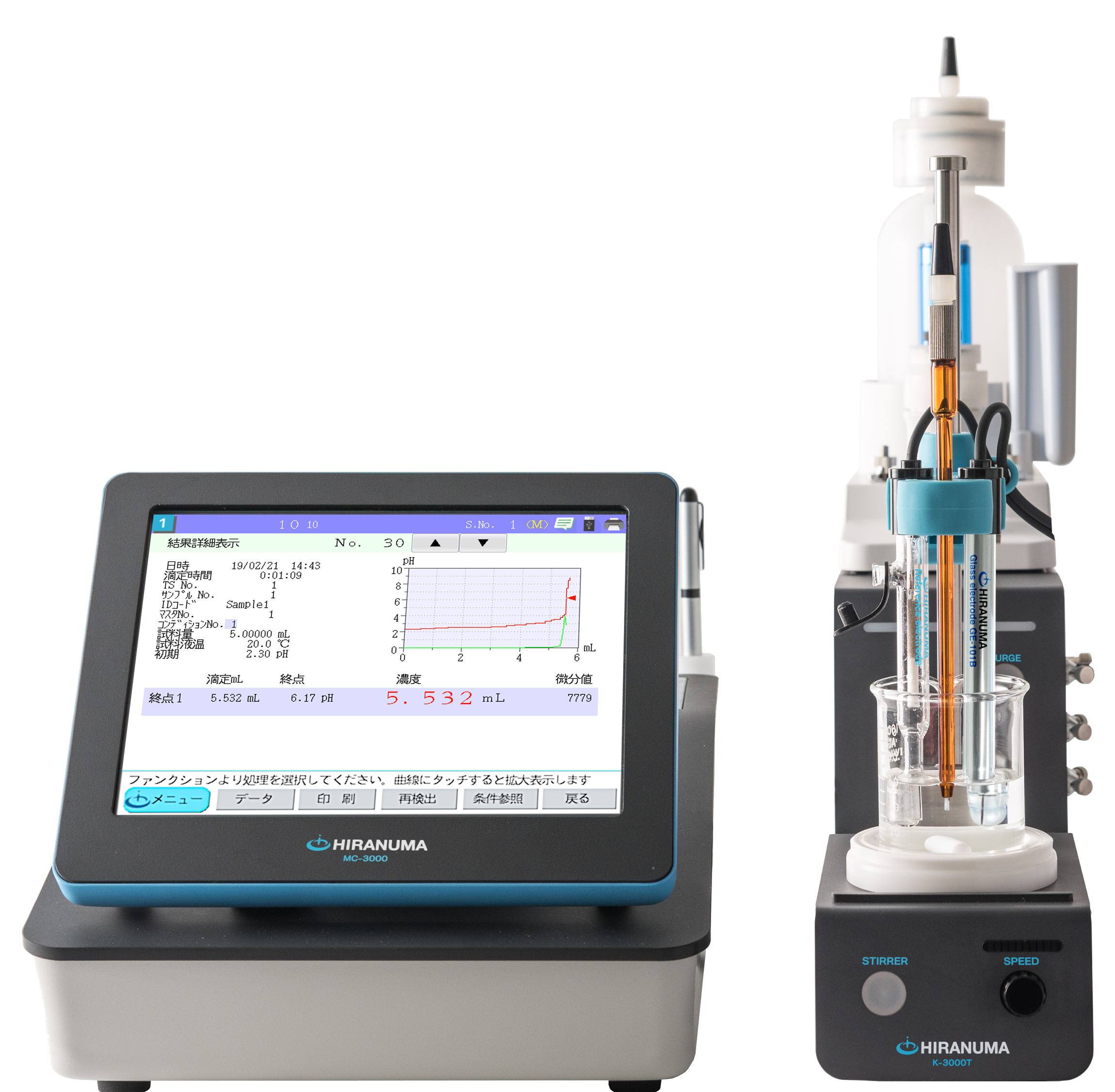
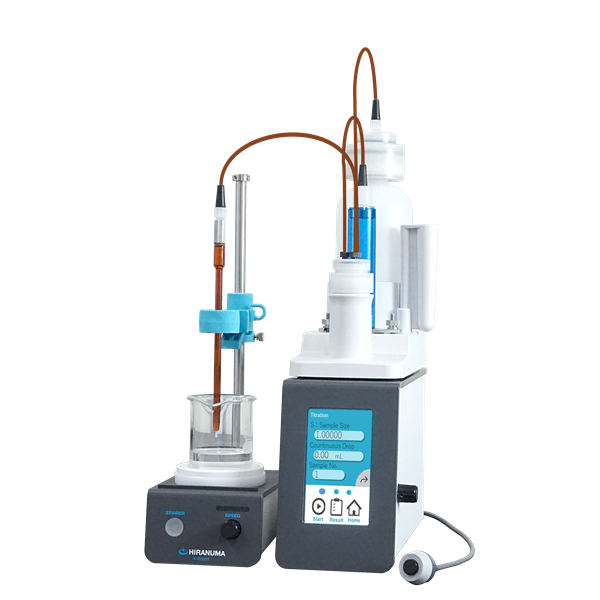
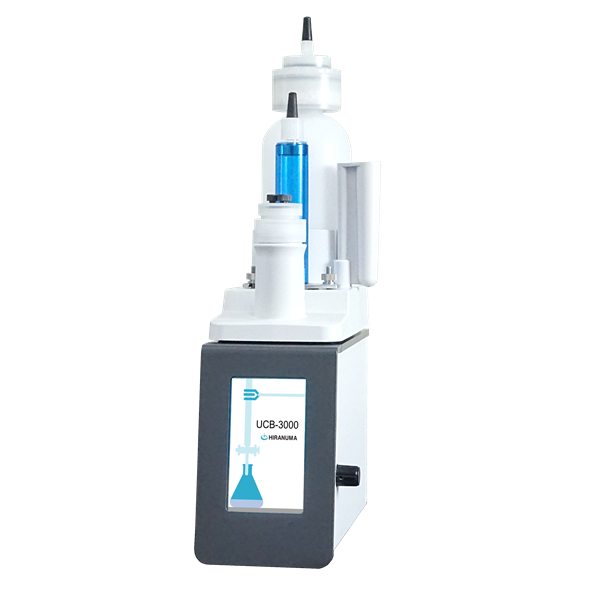
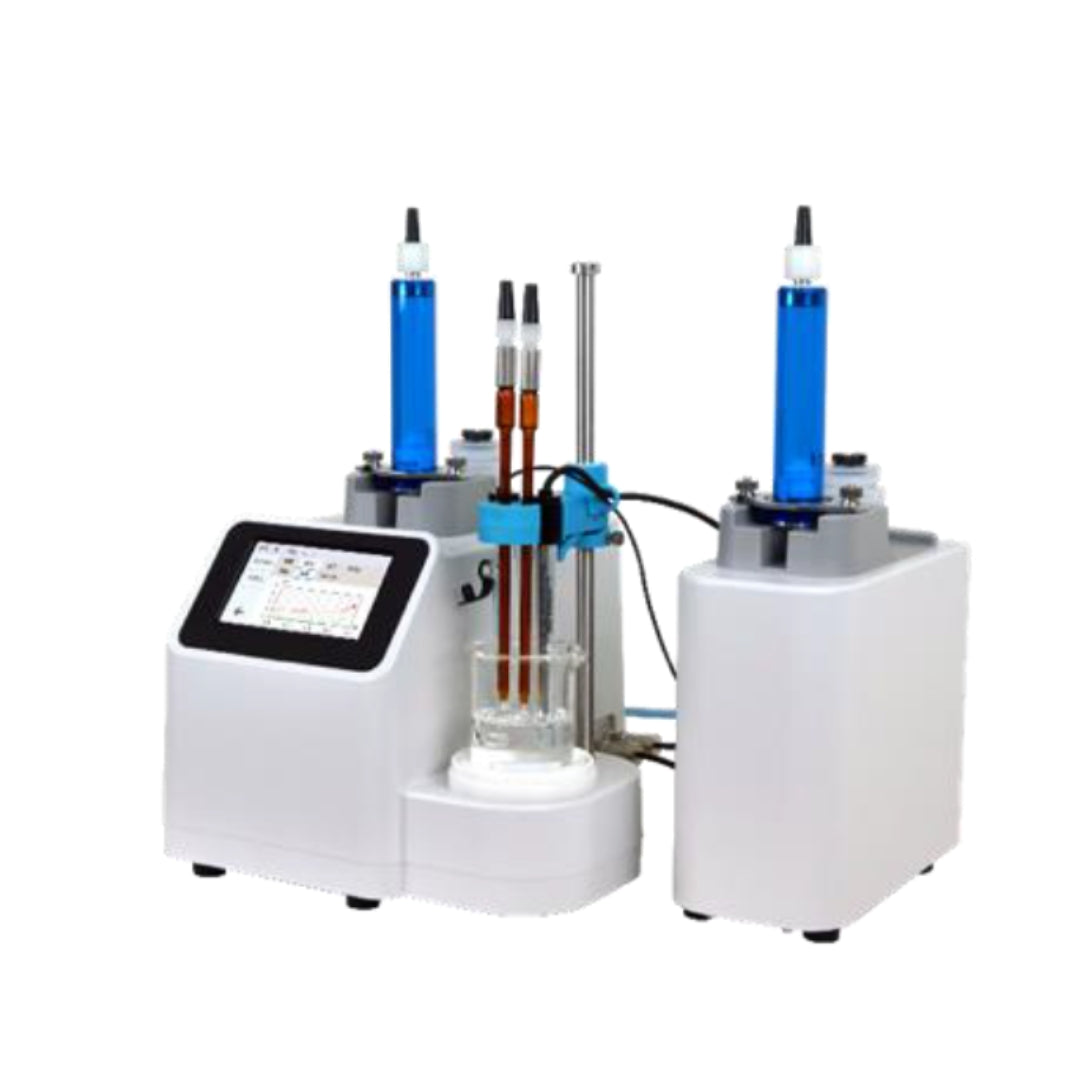
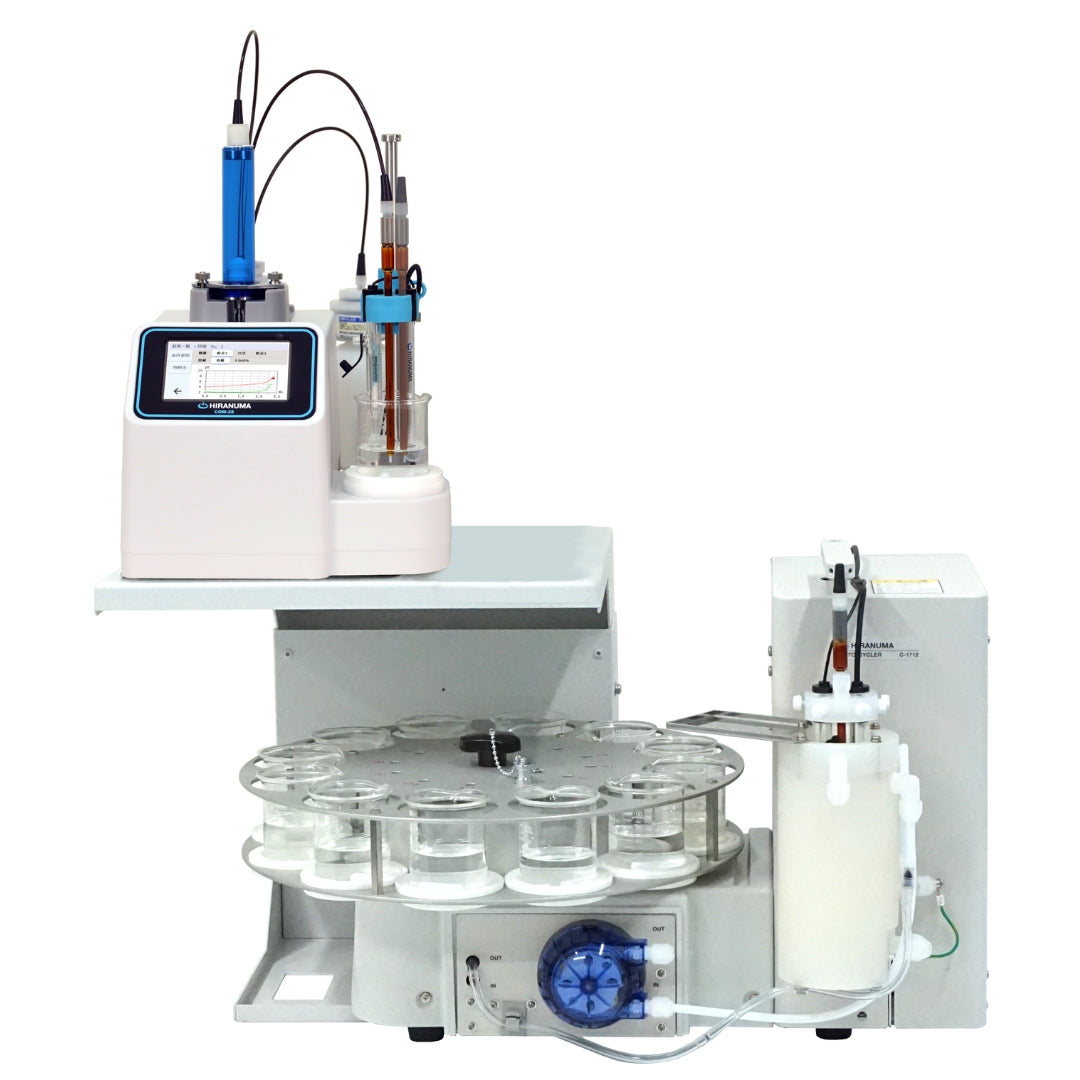
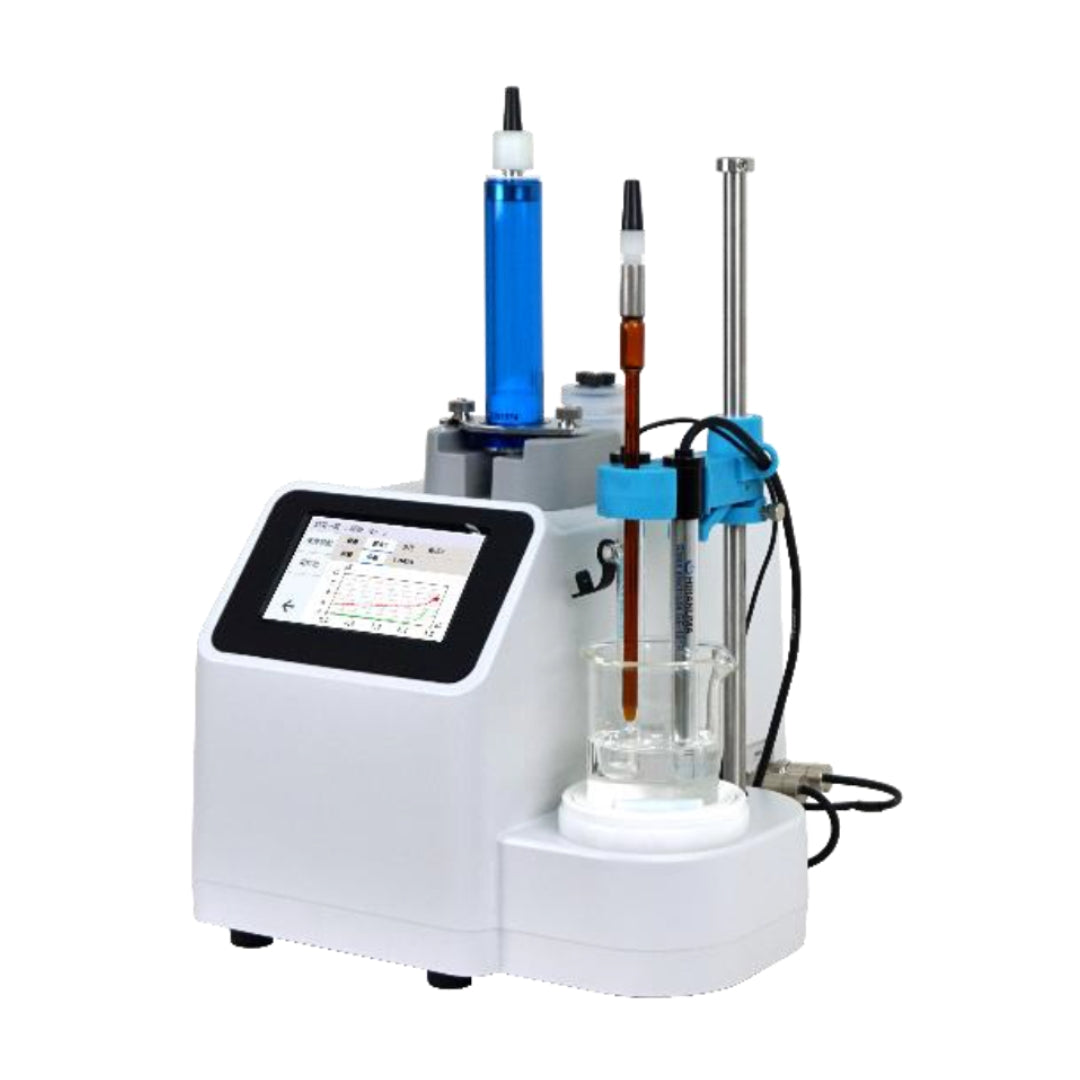
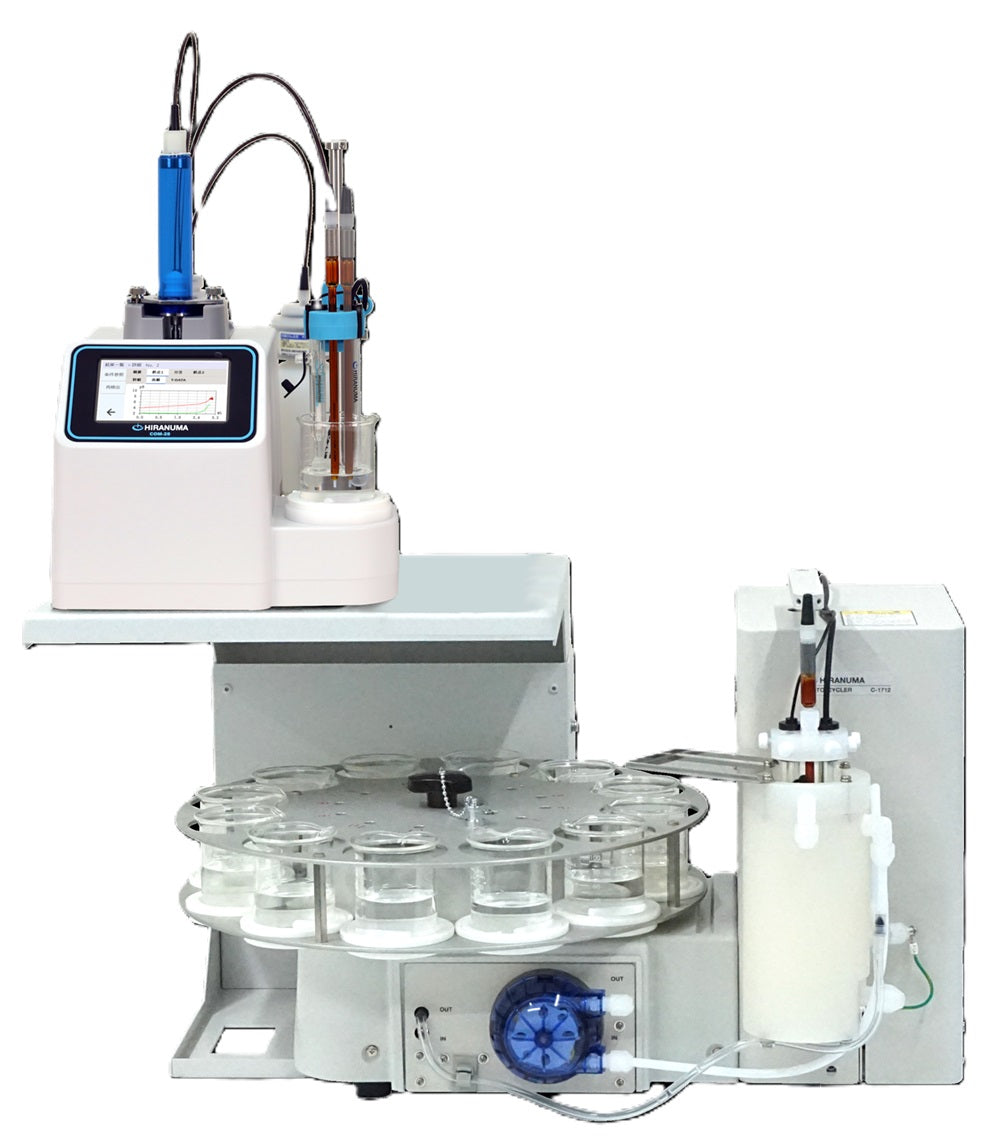
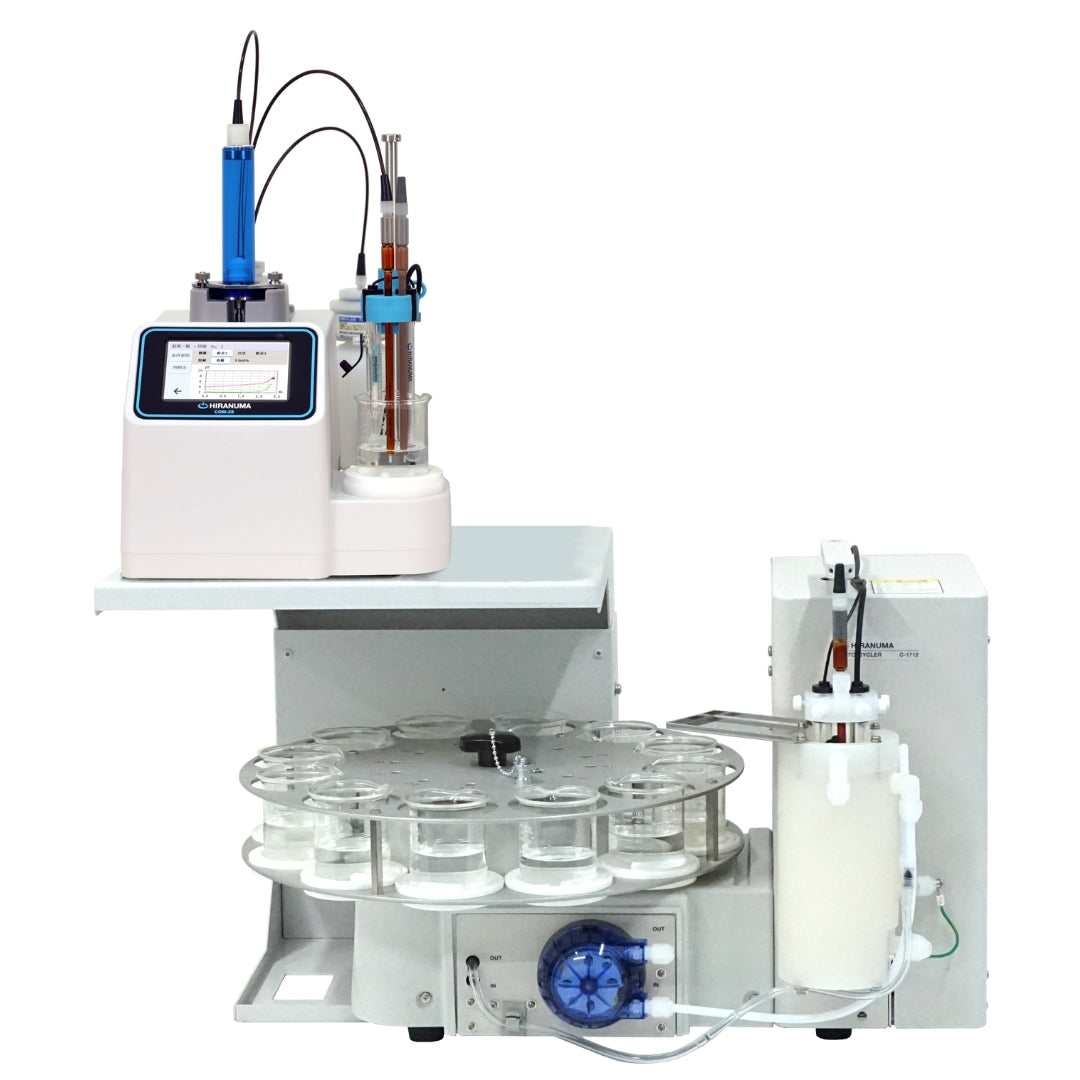
The COM-A19 Automatic Potentiometric Titrator automates the complete analysis with precise titrant delivery, automatic endpoint detection, electronic calculations, and data storage.
Key benefits include:
- Automatic endpoint recognition
- Excellent repeatability
- Fractional titration capability
- Minimal operator influence
- GLP-compliant data management
- High sample throughput
Principle of the Method
Photoresist remover solutions containing TMAH are titrated with standardized hydrochloric acid.
Because carbonates produce a second inflection point during the titration, the method can distinguish between:
- Tetramethylammonium hydroxide (TMAH)
- Carbonate species
Adding barium chloride converts dissolved carbonates into barium carbonate, improving endpoint resolution and allowing accurate fractional determination of each alkaline component. This approach is especially valuable when carbonate concentrations are low.
Typical Applications
Suitable samples include:
- Photoresist remover solutions
- TMAH process baths
- Semiconductor wet-process chemicals
- LCD manufacturing chemicals
- Electronics cleaning solutions
- Process control laboratories
Advantages of Automated Potentiometric Titration
Compared with manual titration:
- Improved precision
- Better reproducibility
- Automatic endpoint detection
- Faster analysis
- Reduced operator variability
- Automatic result calculations
Typical Industries
This method is widely used in:
- Semiconductor manufacturing
- Flat panel display production
- Electronics manufacturing
- Microelectronics research
- Specialty chemical production
- Process chemistry laboratories
Related Standards and Methods
While this application follows an established potentiometric titration procedure rather than a single ASTM method, it is based on proven acid-base titration principles for process control in semiconductor manufacturing. The fractional determination of TMAH and carbonate with barium chloride provides reliable monitoring of alkaline process solutions.
Why Choose JM Science?
JM Science has supported semiconductor laboratories for more than 35 years with automated titration systems, Karl Fischer moisture analyzers, and application expertise. Our COM-A19 Automatic Potentiometric Titrator delivers accurate, repeatable measurements for semiconductor process chemicals, plating solutions, battery materials, pharmaceuticals, and specialty chemical manufacturing.
Related Resources
- COM-A19 Automatic Potentiometric Titrator
- Semiconductor Industry Solutions
- Fractional Determination of Hydrofluoric Acid and Nitric Acid
- Copper Plating Bath Analysis
- Nickel Plating Bath Analysis
- Karl Fischer & Potentiometric Titration Application Library