Sulphur dioxide (SO₂) is essential in winemaking for preventing oxidation and microbial spoilage. Maintaining proper sulphite levels is critical for product quality, stability, and regulatory compliance.
One of the most widely used methods for sulphite determination is the Ripper titration, a fast and simple iodine-based technique. However, this method has well-known limitations in accuracy and reproducibility—especially in complex wine matrices.
⚗️ The Ripper Method (What It Is)
The Ripper method determines Sulphur dioxide by titrating an acidified wine sample with iodine:
- Iodine reacts with free SO₂
- Endpoint detected using a starch indicator (blue color change)
- Can measure free and total SO₂
👉 The reaction continues until excess iodine appears, signaling the endpoint
⚠️ Limitations of the Ripper Method
- Visual endpoint detection → operator dependent
- Interference from wine components (phenols, ascorbic acid)
- Overestimation of SO₂ due to side reactions
- Difficult to use in red wines due to color masking
👉 The method is fast, but less accurate and prone to systematic error
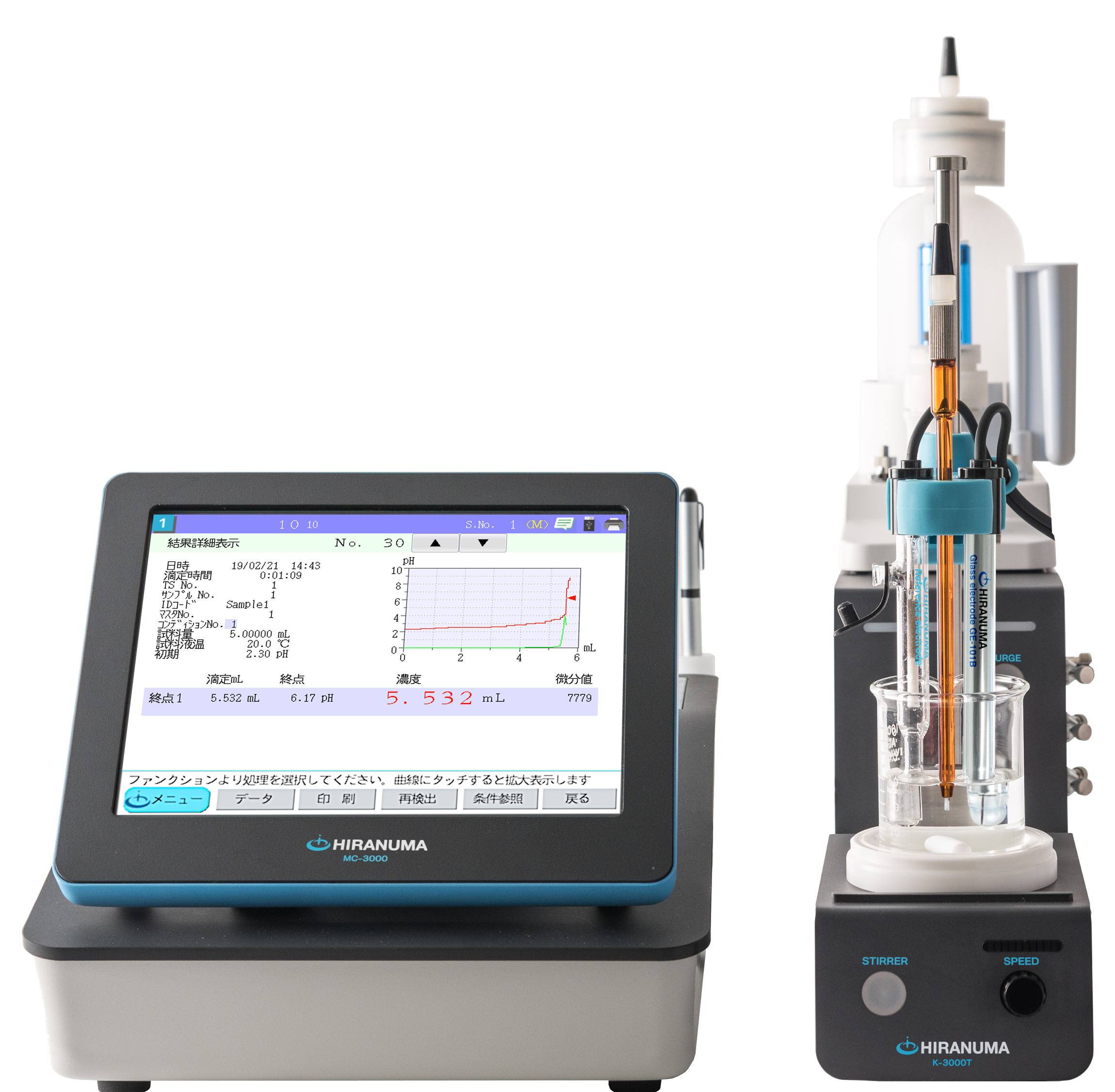
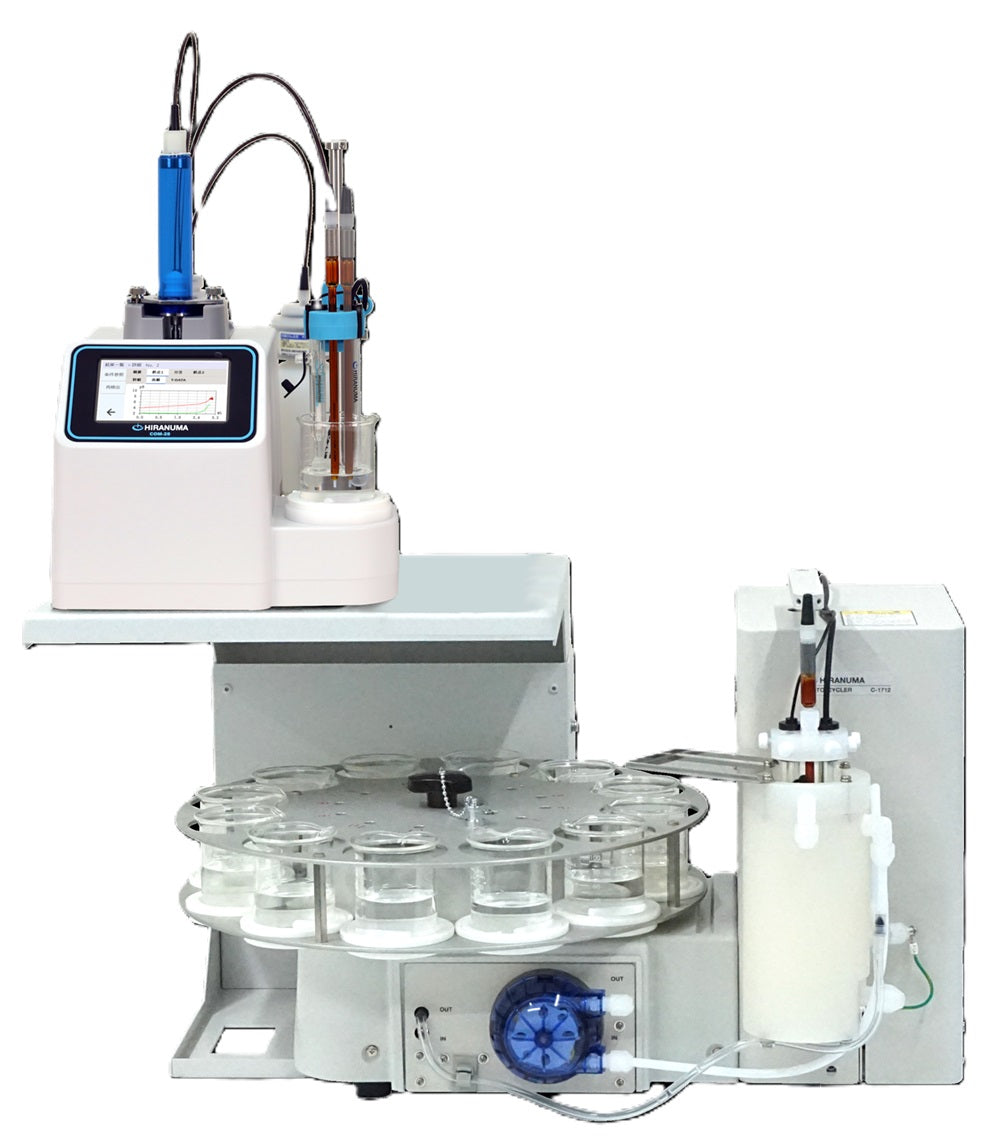
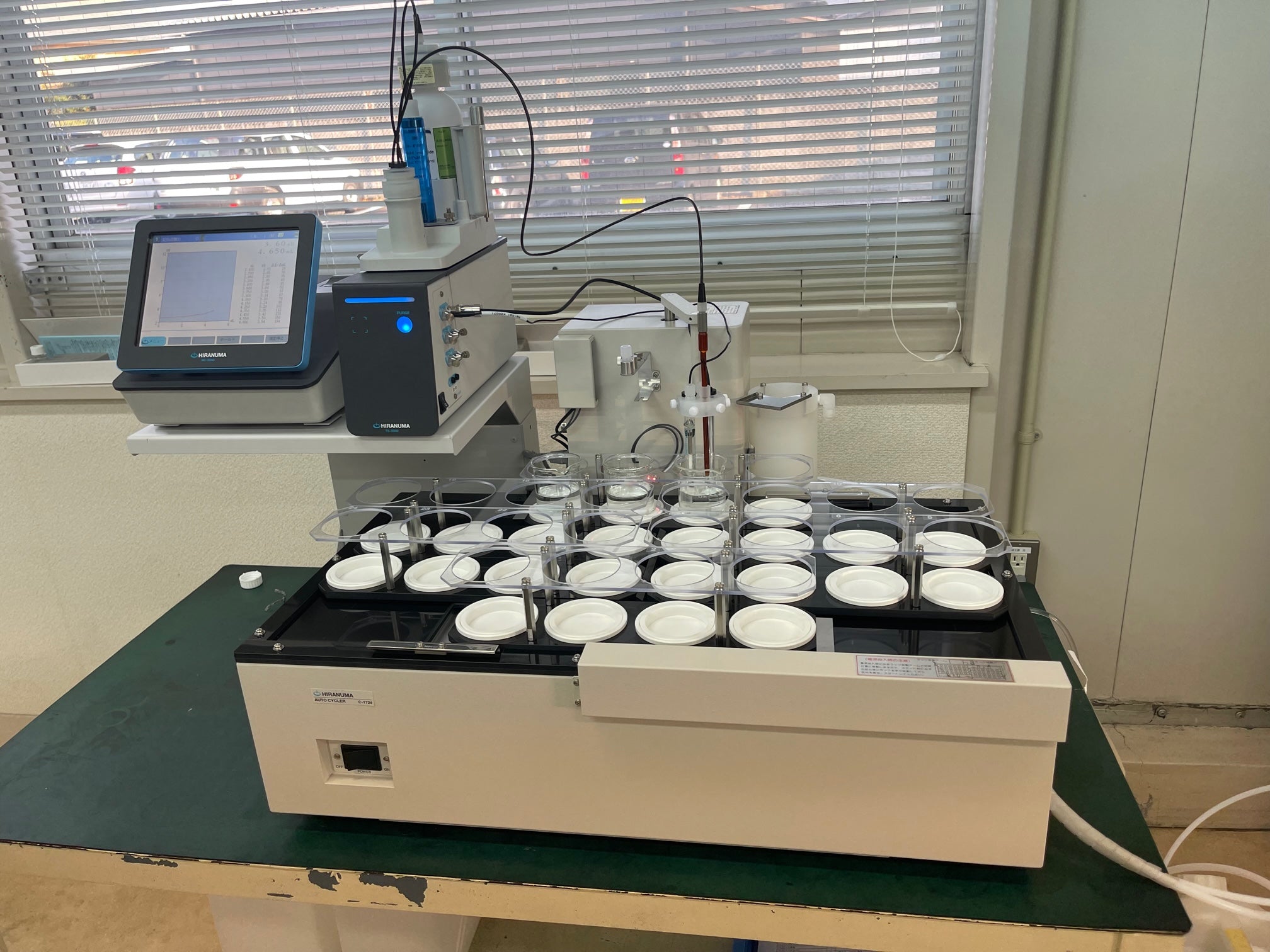
✅ Improved Approach: Automated / Potentiometric Titration
Modern titration systems eliminate these issues:
- No visual endpoint required
- Uses electrode-based detection (mV or ORP)
- Improved precision and repeatability
- Works reliably in both red and white wines
👉 Electrode-based detection removes color interference and improves results
⚙️ Typical Workflow
- Acidify wine sample
- Add starch indicator (manual method) or electrode (automated)
- Titrate with iodine solution
- Determine endpoint
- Calculate SO₂ concentration
For wineries and analytical labs:
- Better process control during fermentation and storage
- Avoid over- or under-dosing sulphites
- Ensure regulatory compliance
- Improve product consistency
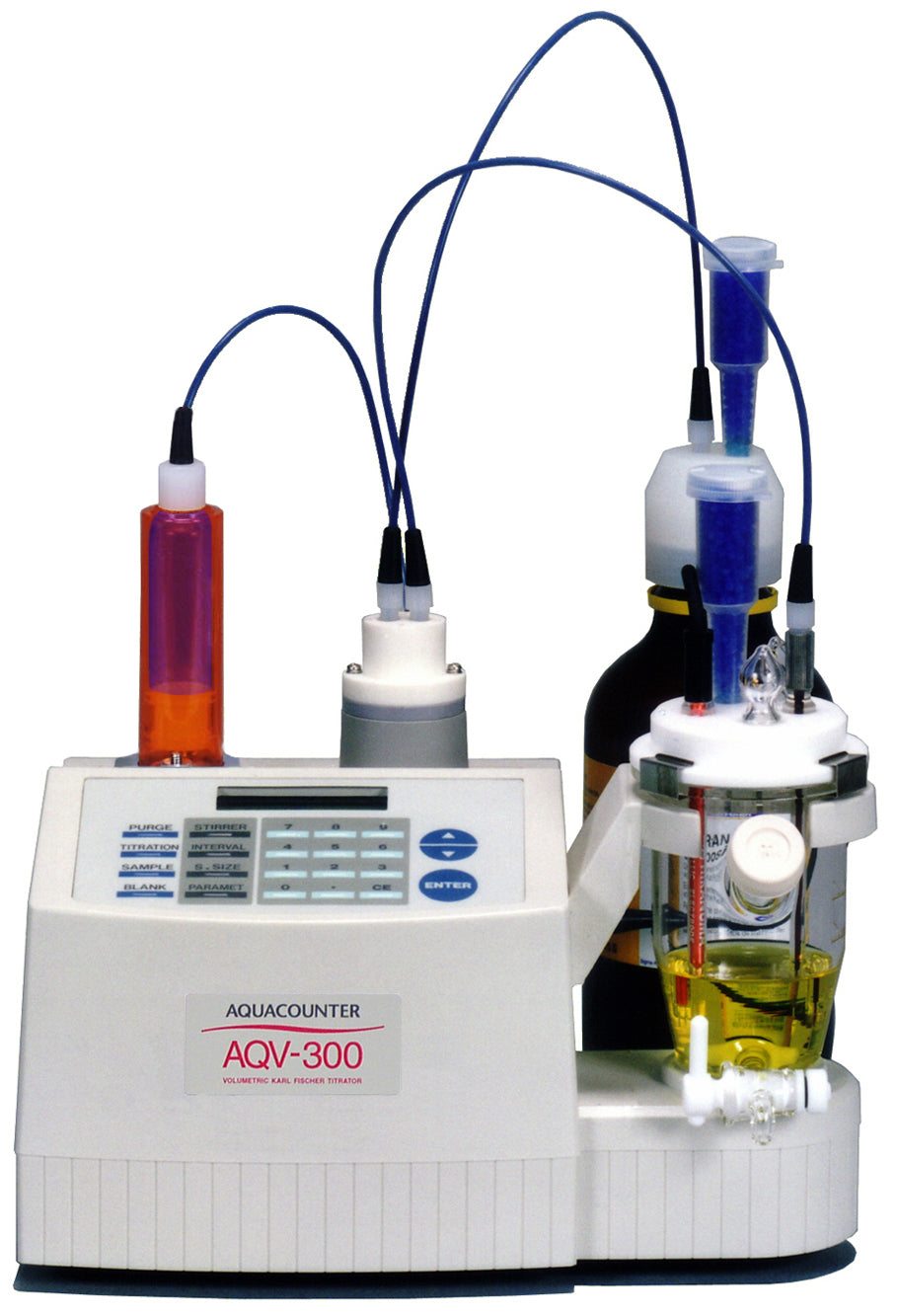
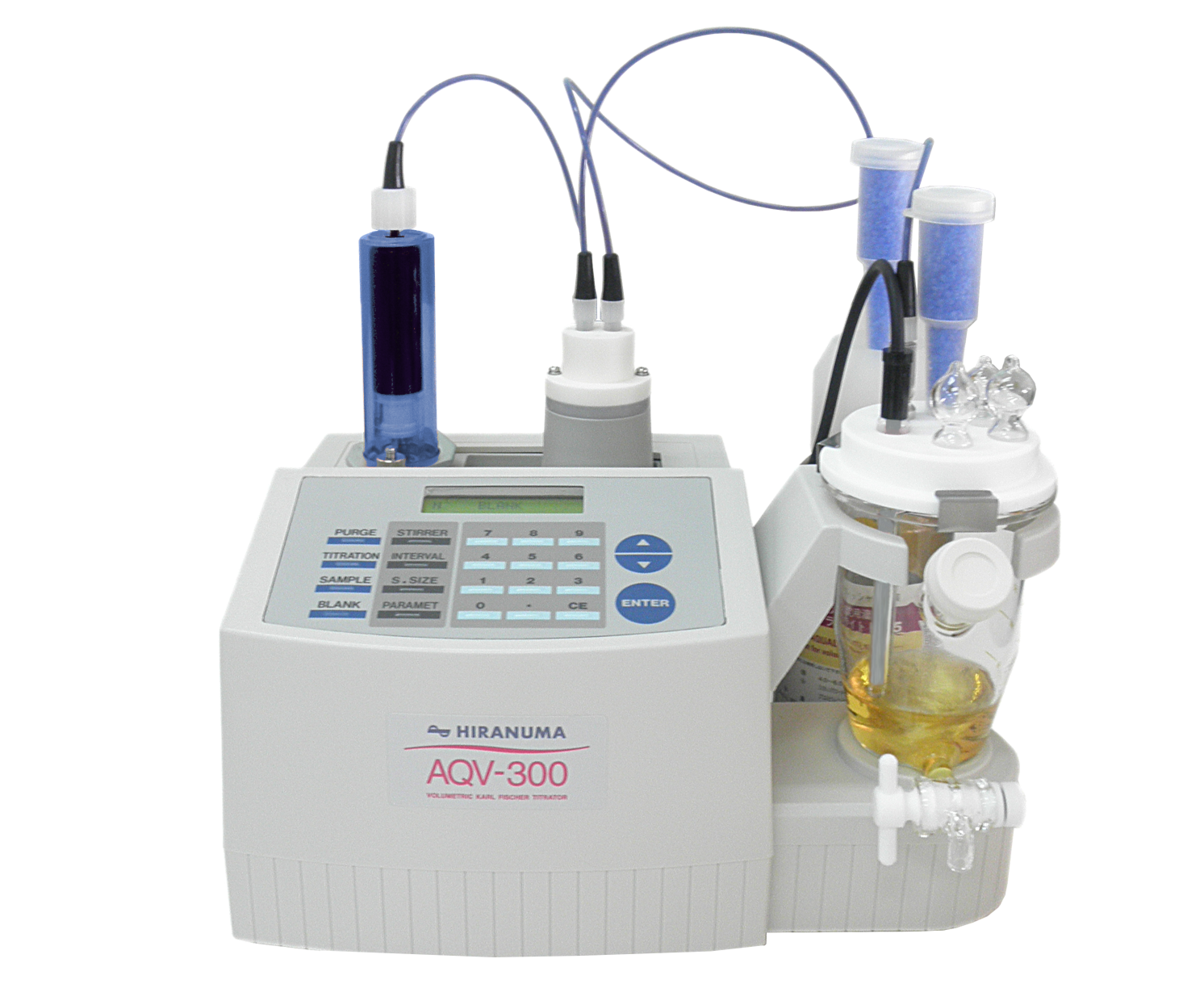
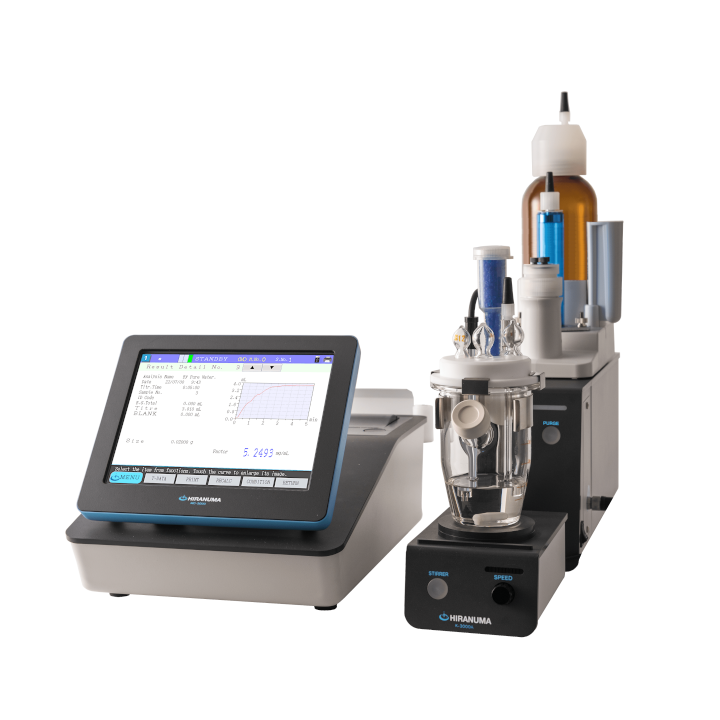
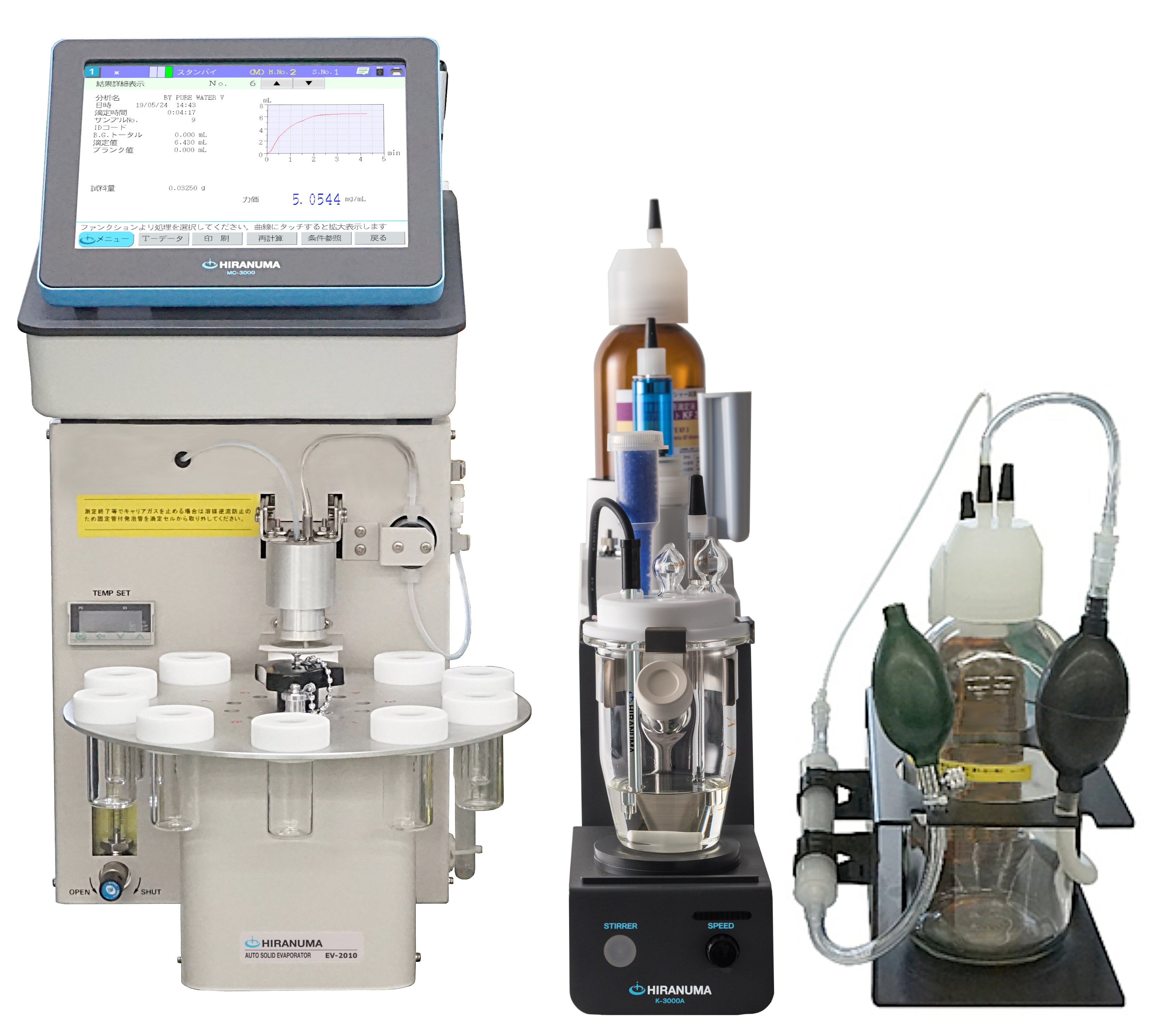
🔬 Recommended Instruments
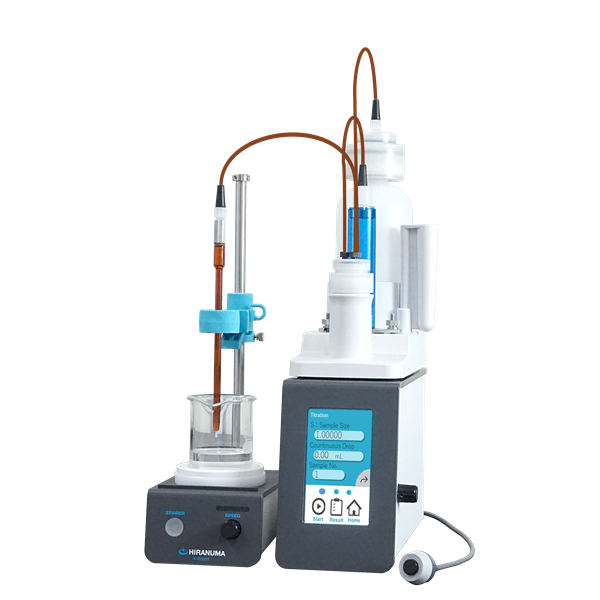
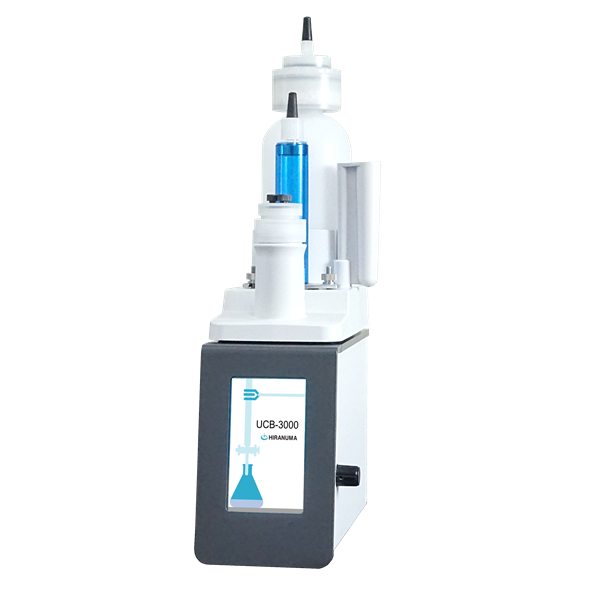
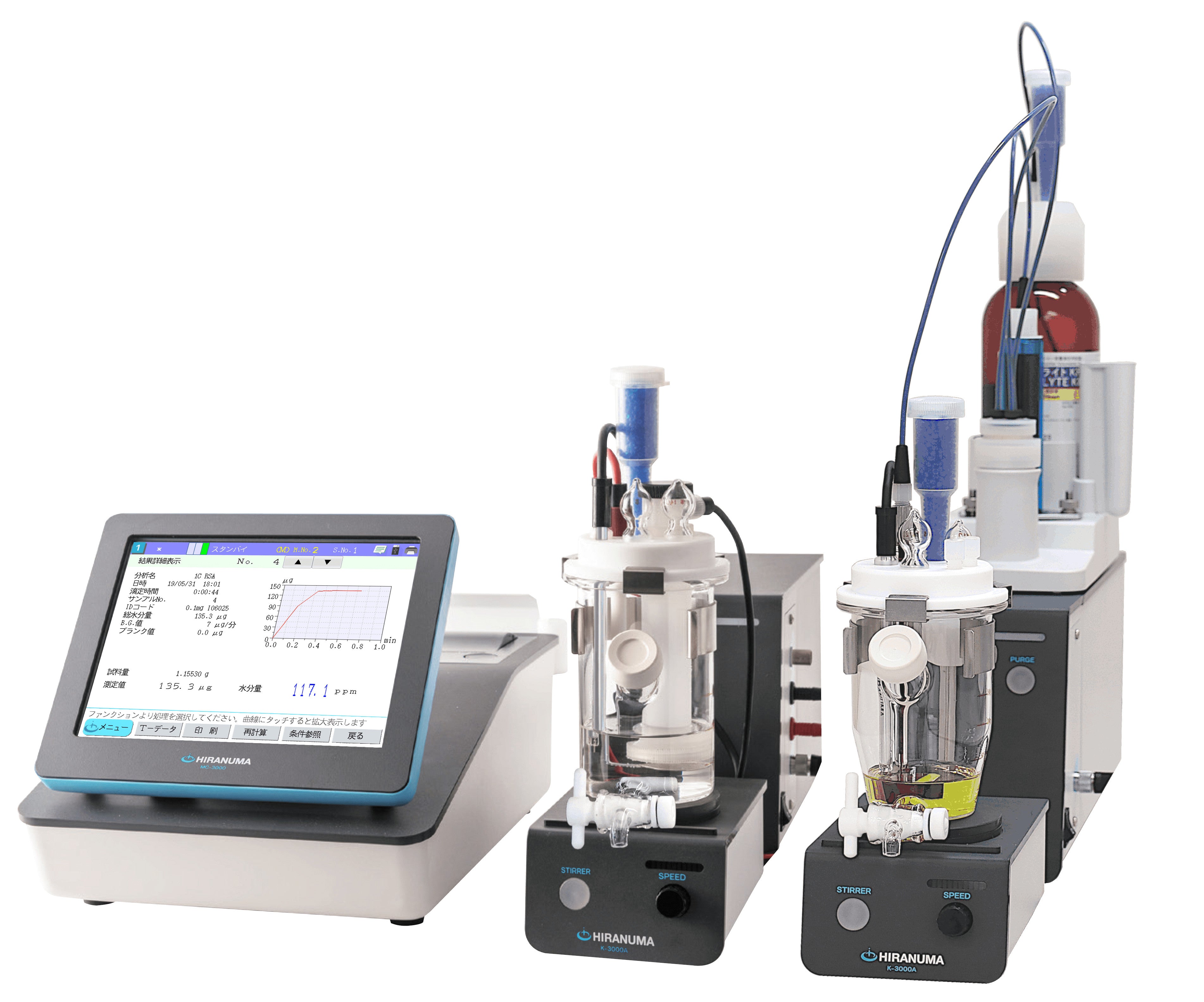
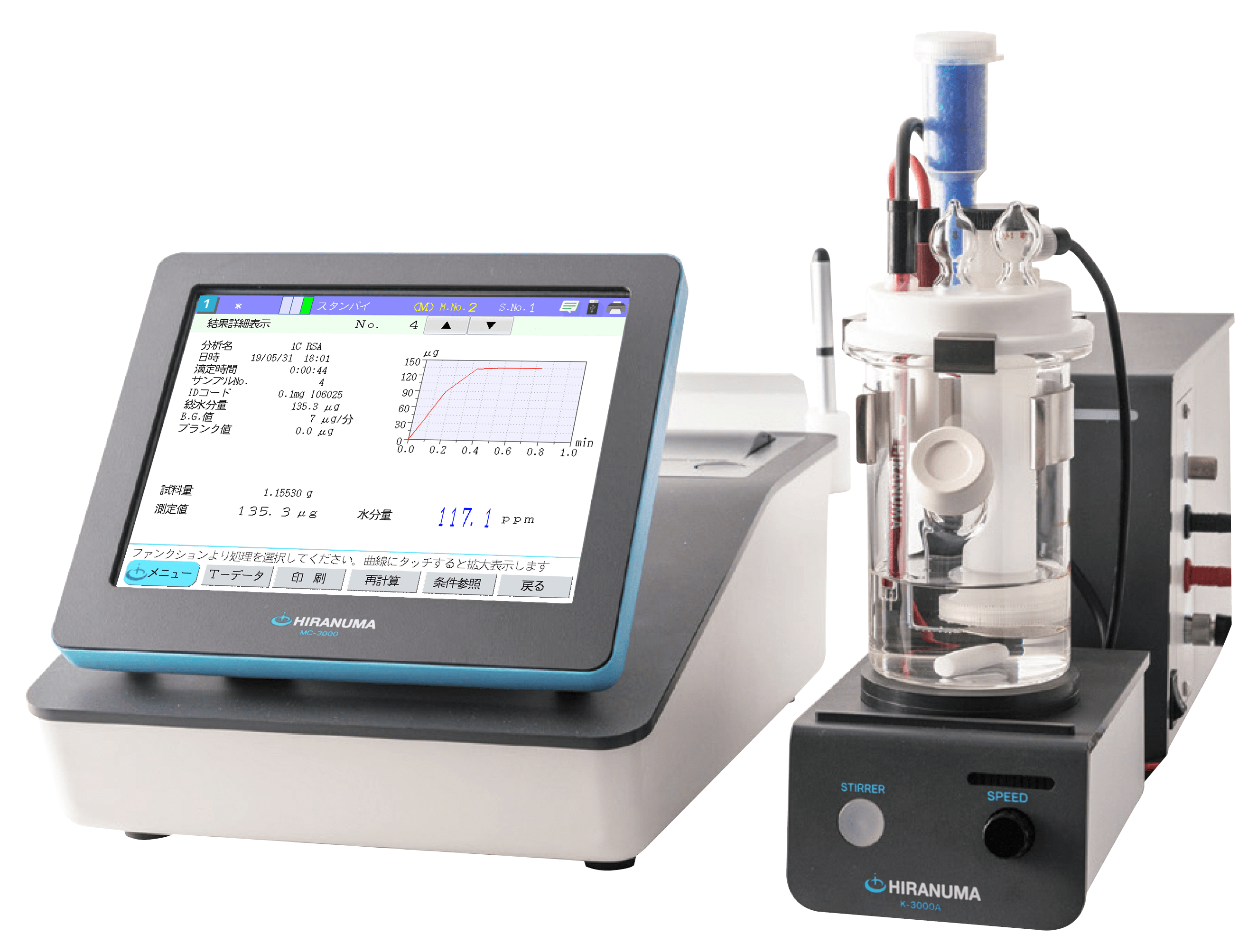
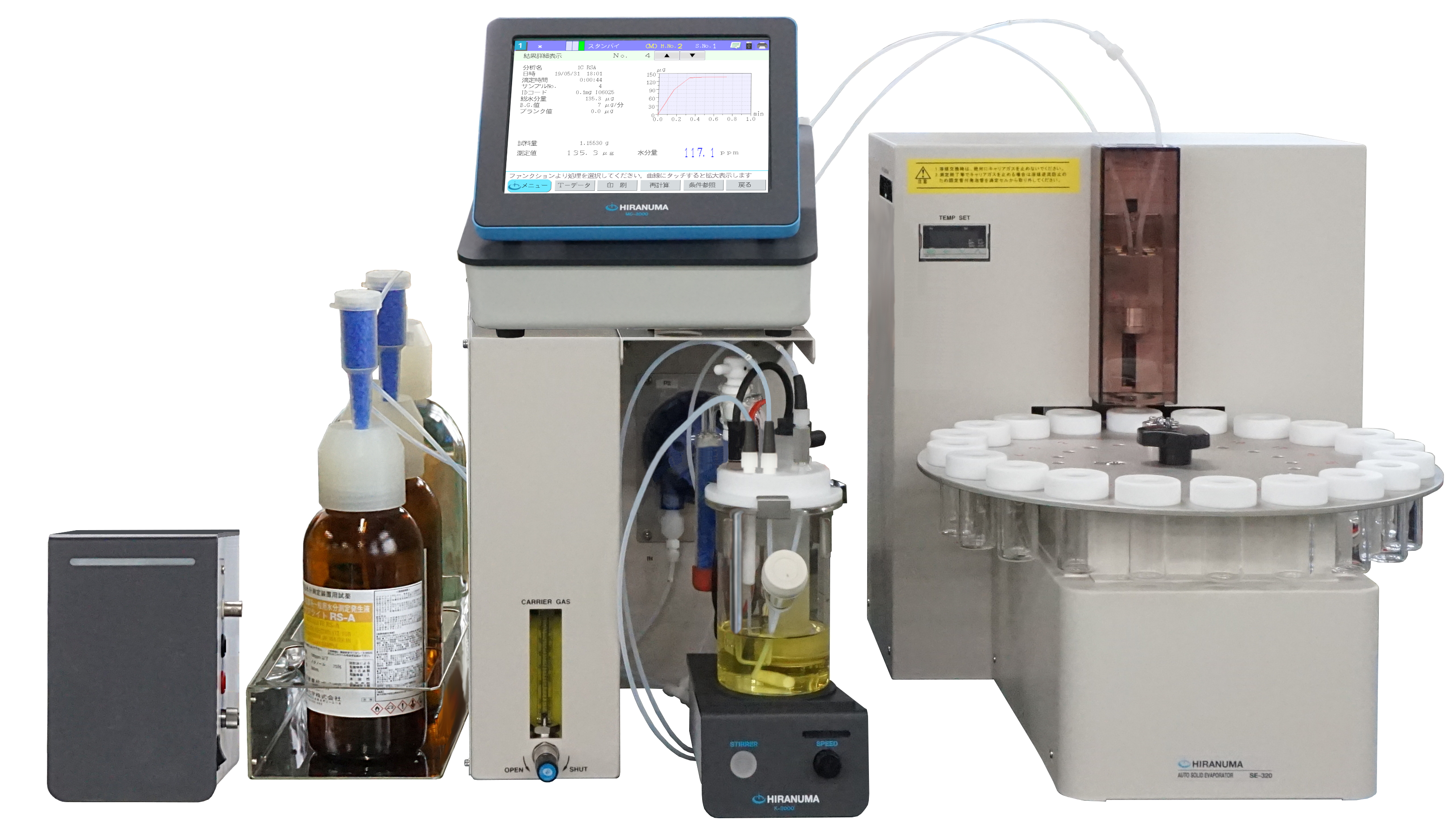
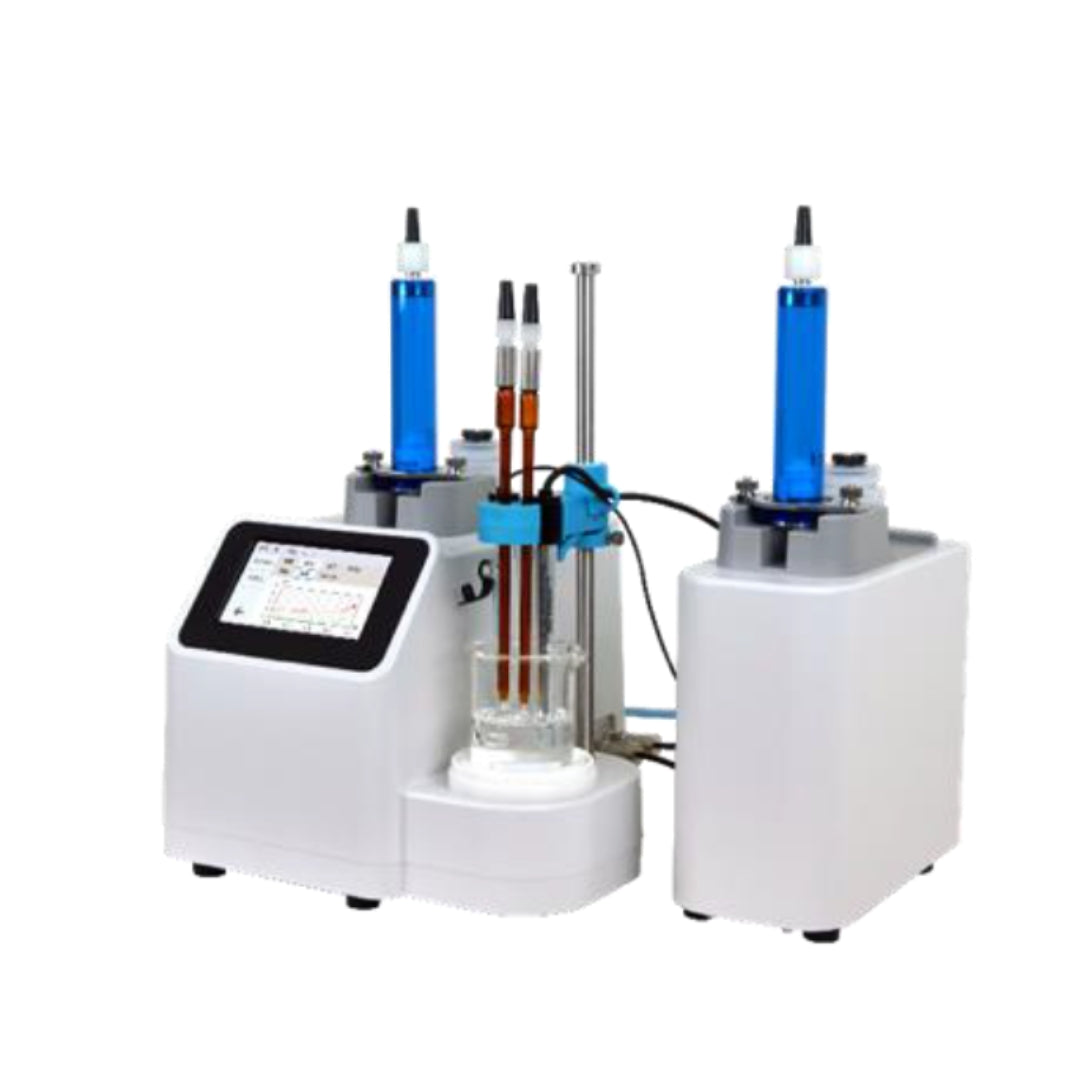
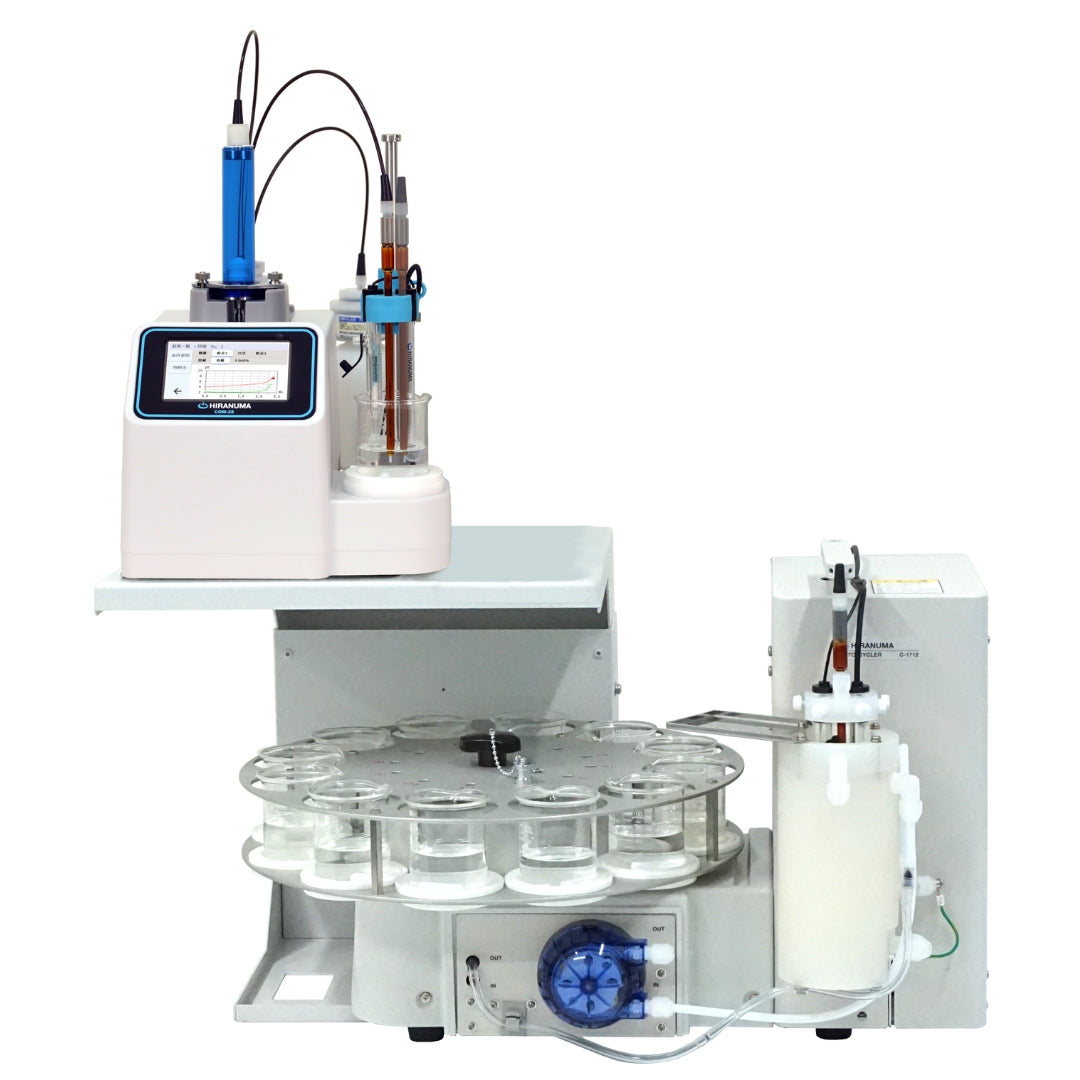
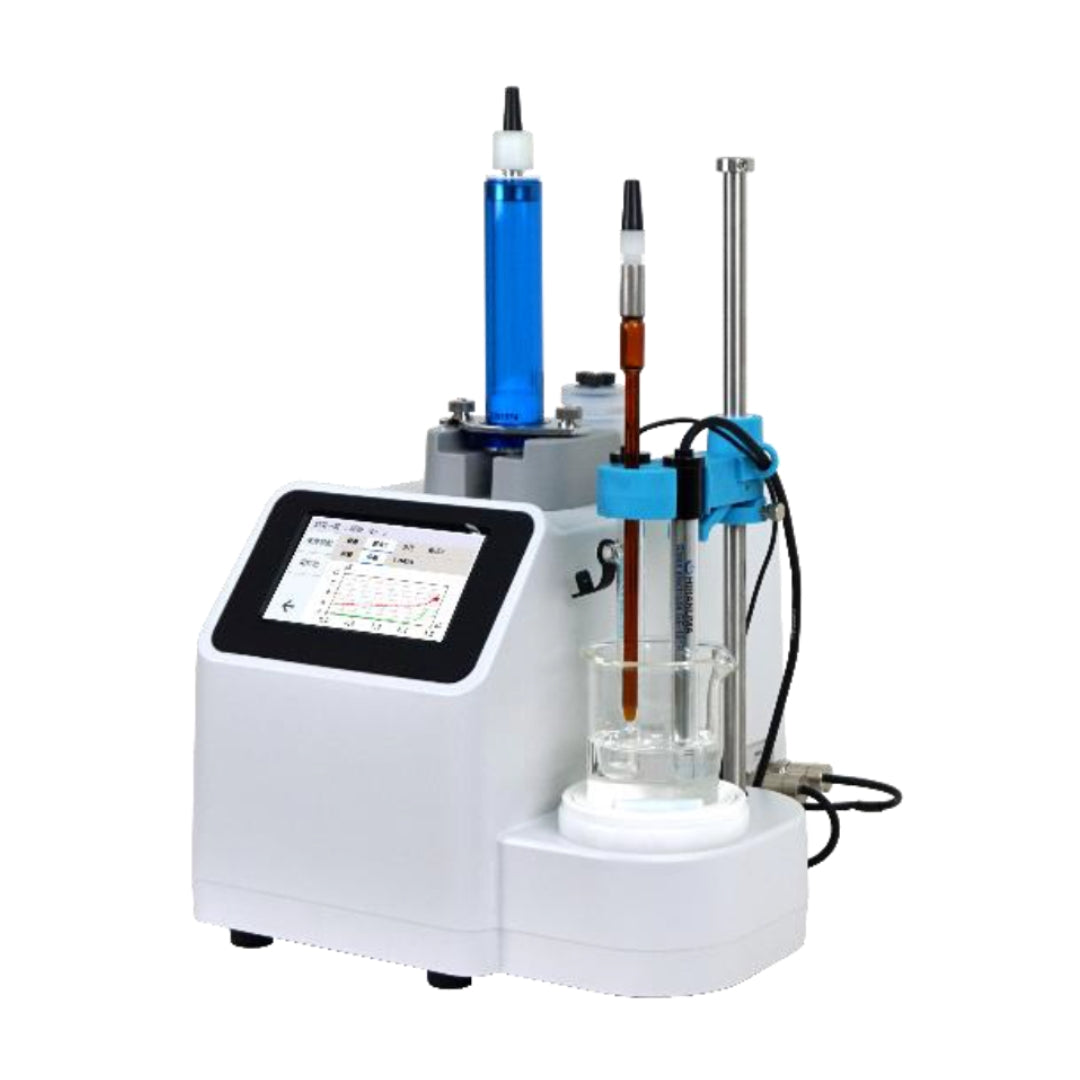
- COM-28 / COM-28S Potentiometric Titrator
- COM-A19 Automatic Titrator
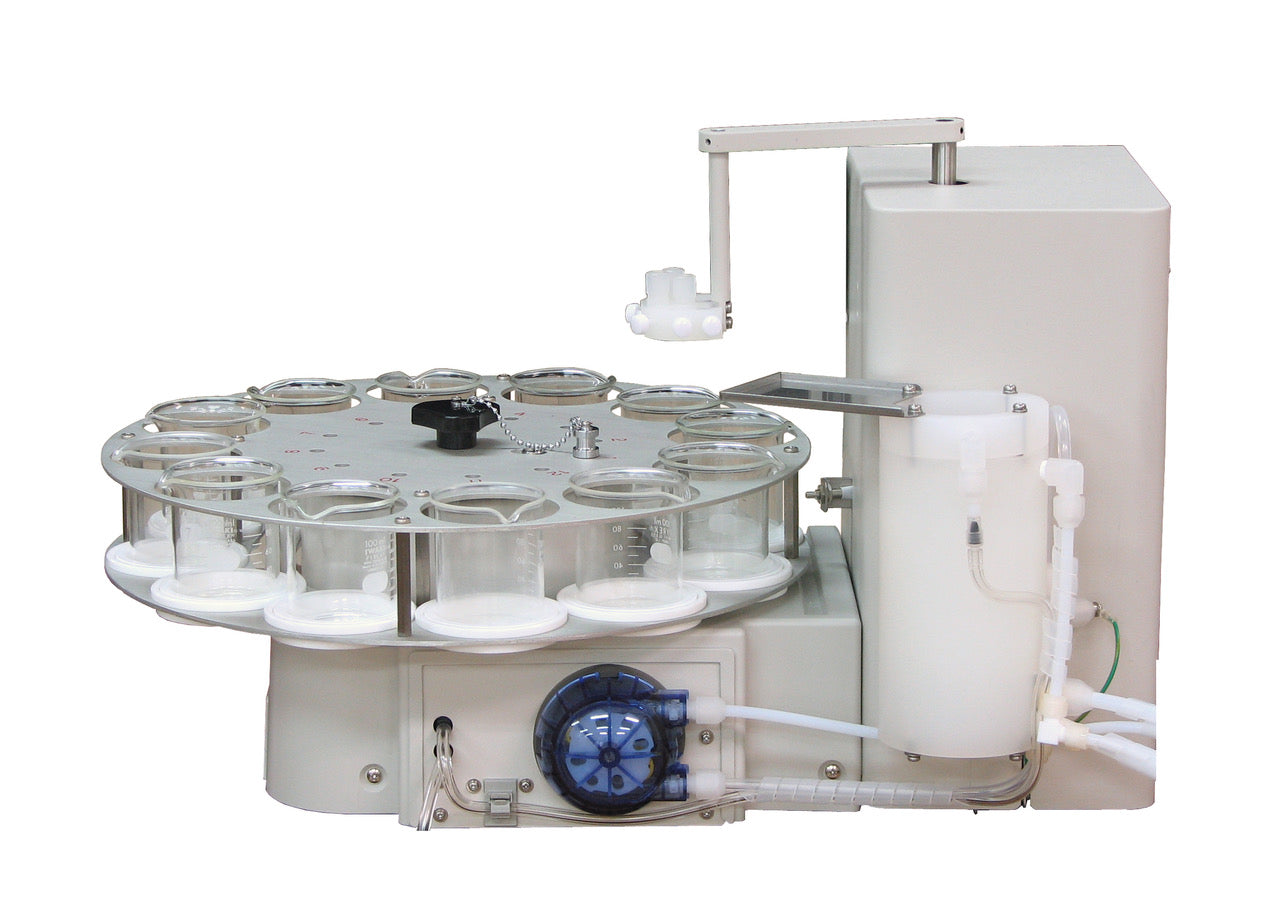
- Autosampler systems for high-throughput labs
👉 [Download Sulphite Analysis in Wine (PDF)]
Need a more accurate alternative to the Ripper method?
👉 Request a method comparison
👉 Request a quote
👉 Speak with an application specialist
Contact Info: sales@jmscience.com: Tel: 716-774-8706