Salt and Acidity Determination in Ketchup Using Automated Titration
Ketchup is a complex food product where salt and acidity must be carefully balanced to achieve the desired taste, stability, and shelf life.
Variations in these parameters can lead to:
- Inconsistent flavor profiles
- Reduced product stability
- Failure to meet regulatory specifications
Accurate and repeatable measurement of both salt content and acidity is essential for quality control in ketchup production.
⚗️ Why Salt and Acidity Matter in Ketchup
Ketchup typically contains:
- Salt (NaCl) → enhances flavor and preservation
- Organic acids (primarily acetic acid from vinegar) → control pH and stability
👉 The characteristic taste of ketchup depends heavily on the balance between acid and salt concentration
👉 Ketchup is highly acidic (pH ~2.0–2.6), which helps prevent microbial growth and extend shelf life
📊 Typical Composition (REAL CONTEXT)
- pH: ~2.0 – 3.5
- Titratable acidity: ~1.5 – 4.0 g/100 g
- Salt: varies by formulation
👉 Acidity is often expressed as citric or acetic acid equivalents in titration analysis
⚗️ Method Overview
1. Salt Determination
- Typically performed using silver nitrate titration
- Measures chloride content (NaCl)
- Can be automated using potentiometric detection
2. Acidity Determination
- Acid-base titration using NaOH
- Measures total acid content (titratable acidity)
- Endpoint detected via indicator or pH electrode
👉 Acid-base titration neutralizes organic acids to quantify total acidity
⚠️ Limitations of Manual Methods
- Visual endpoints → operator dependent
- Difficult in colored, viscous samples like ketchup
- Time-consuming and less reproducible
- Requires experienced analysts
👉 Endpoint detection in sauces can be unreliable using visual indicators
✅ Improved Approach: Automated Titration
Automated titration systems provide:
- Simultaneous or sequential salt and acidity analysis
- Automatic endpoint detection
- High precision and repeatability
- Reduced operator error
- Faster throughput for QC labs
👉 Automation ensures consistent results across batches and operators
⚙️ Typical Workflow
- Sample preparation (dilution if required)
- Salt titration (AgNO₃)
- Acidity titration (NaOH)
- Automatic endpoint detection
- Results calculated and stored
💡 Why This Matters
For ketchup manufacturers:
- Maintain consistent taste profile
- Control product stability and shelf life
- Ensure batch-to-batch consistency
- Meet regulatory and labeling requirements
👉 Small variations in salt or acidity can significantly affect product quality
🔬 Recommended Systems
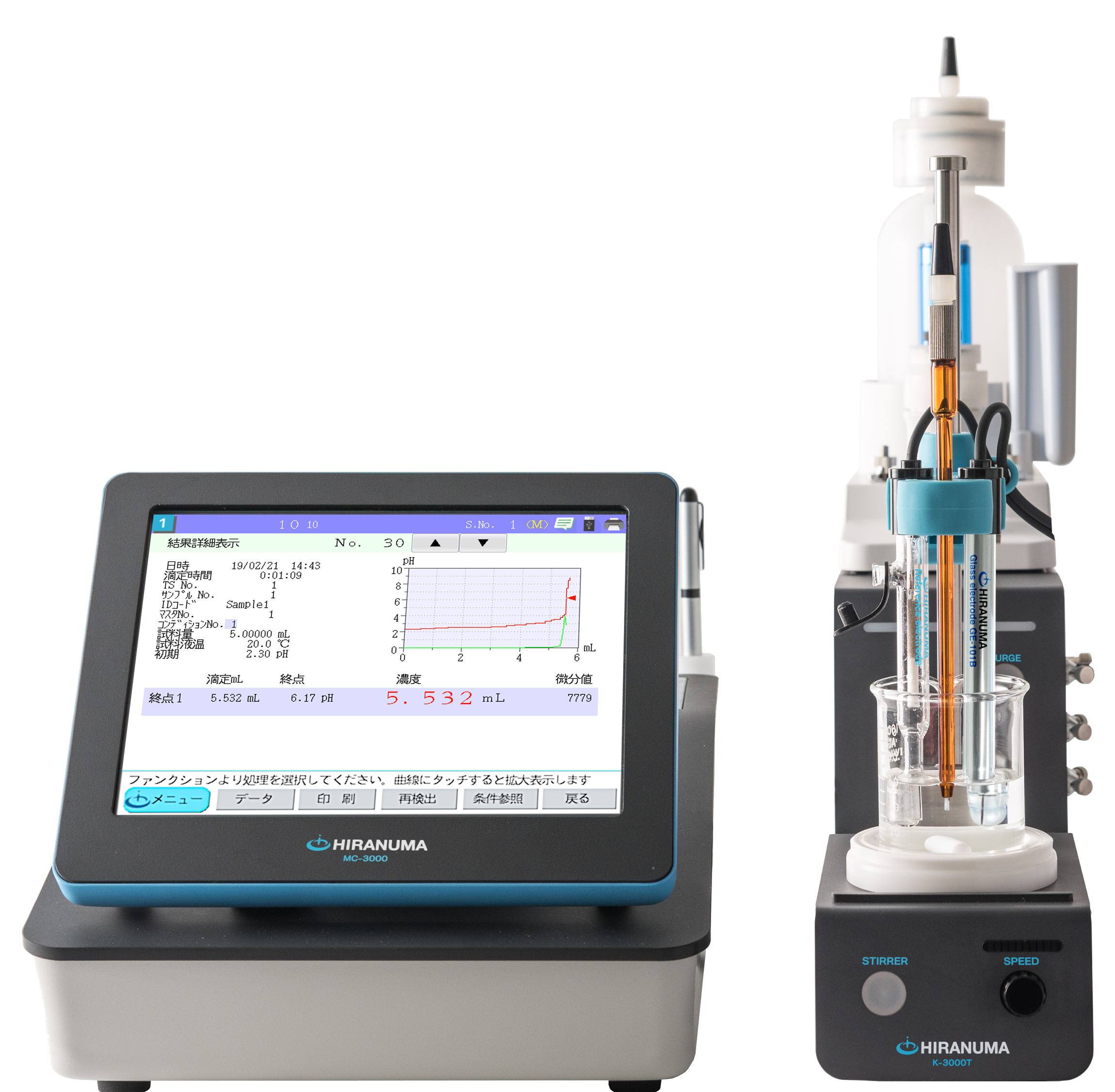
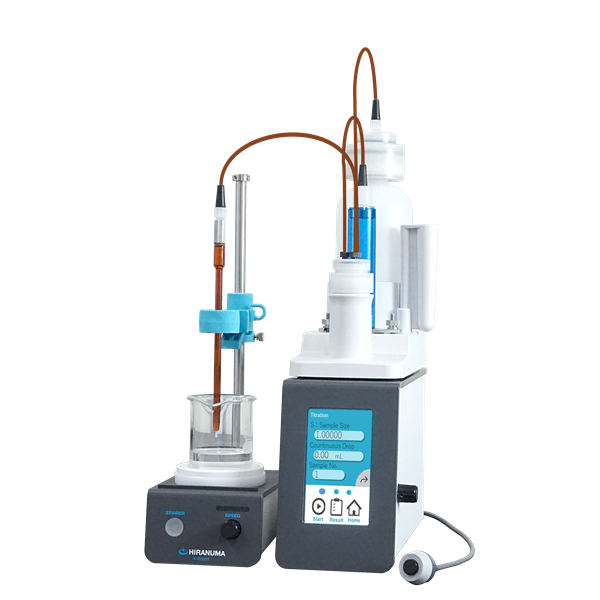
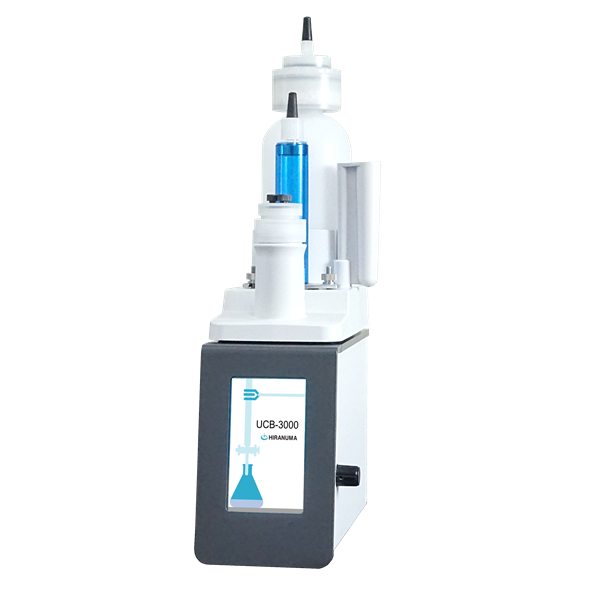
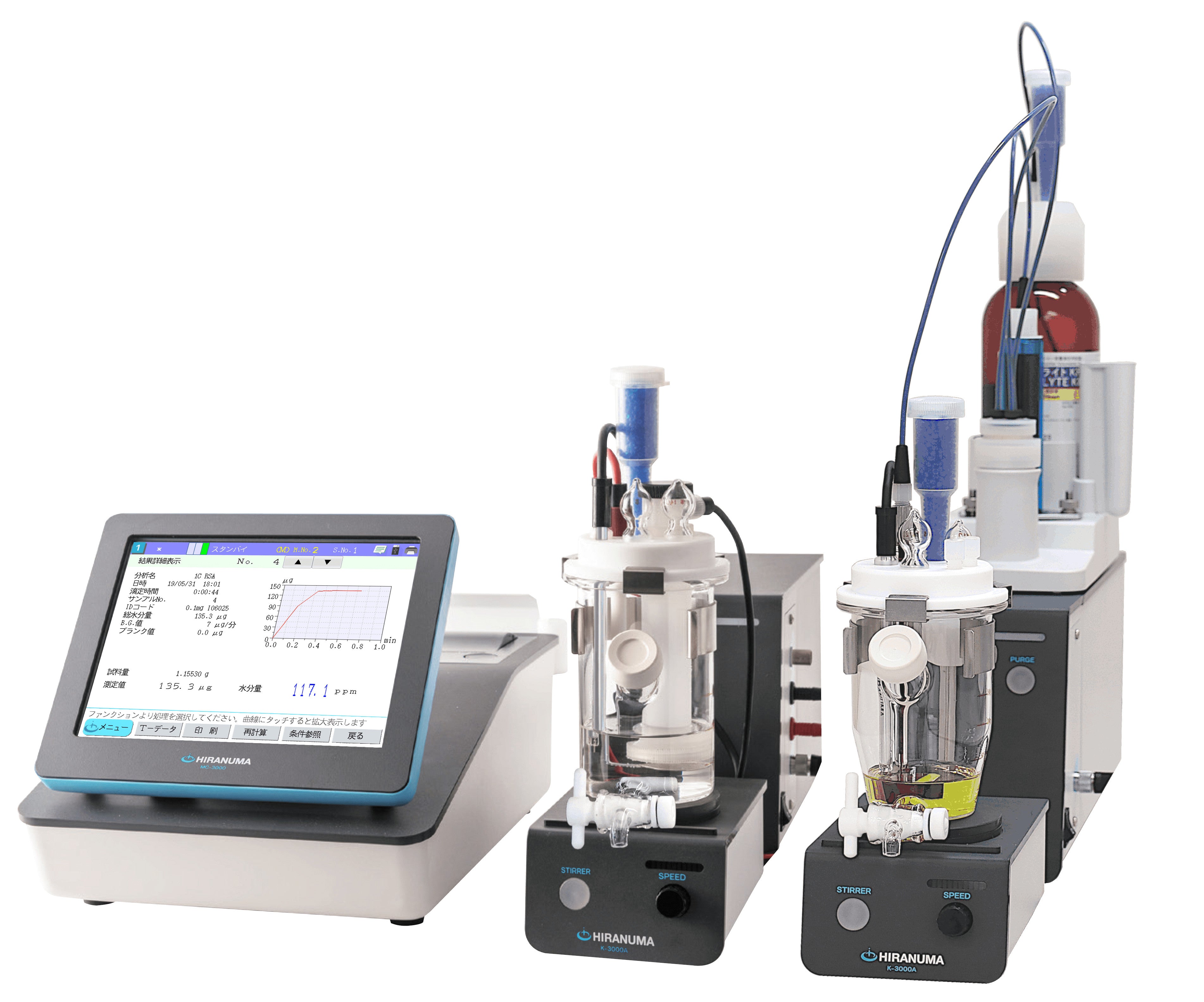
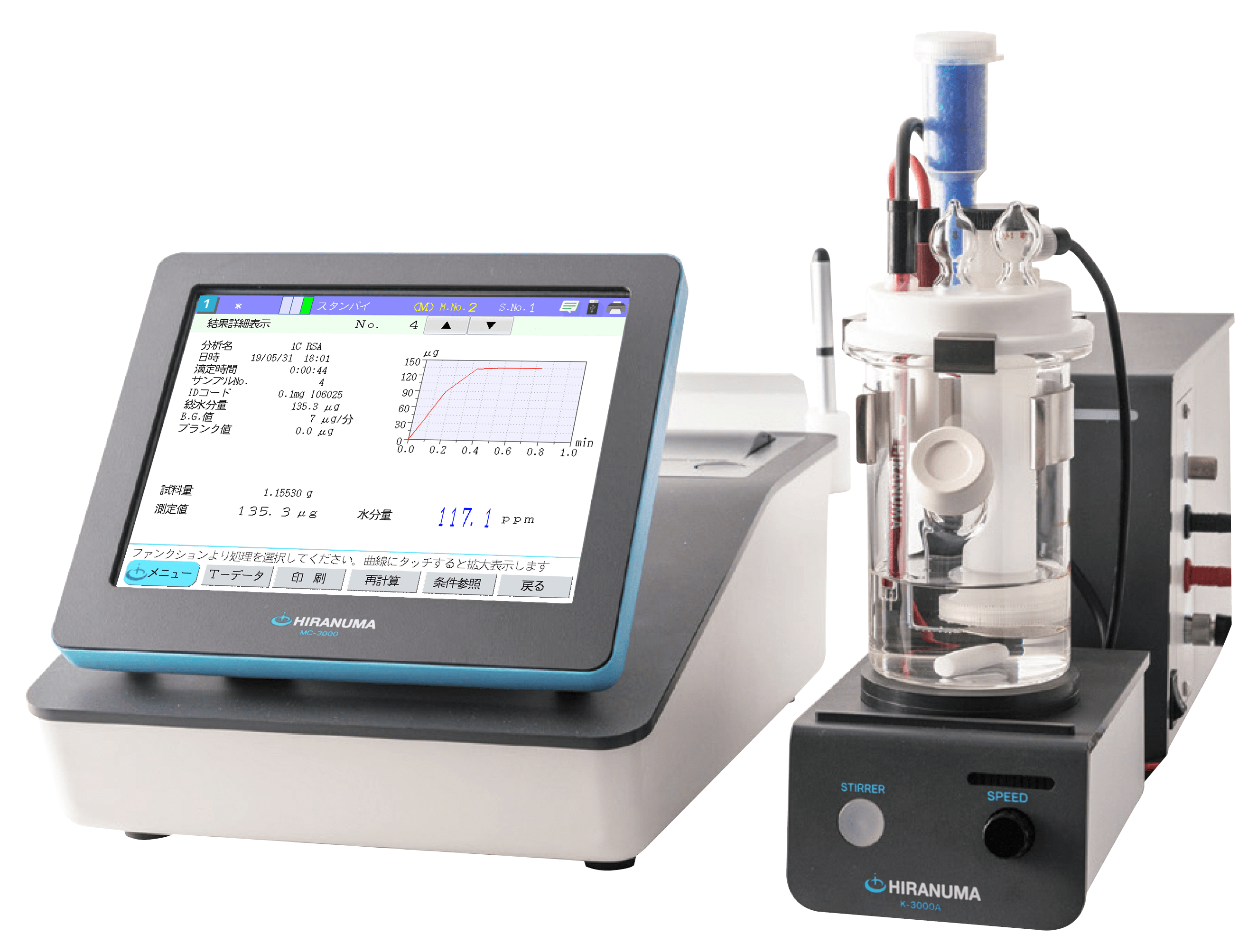
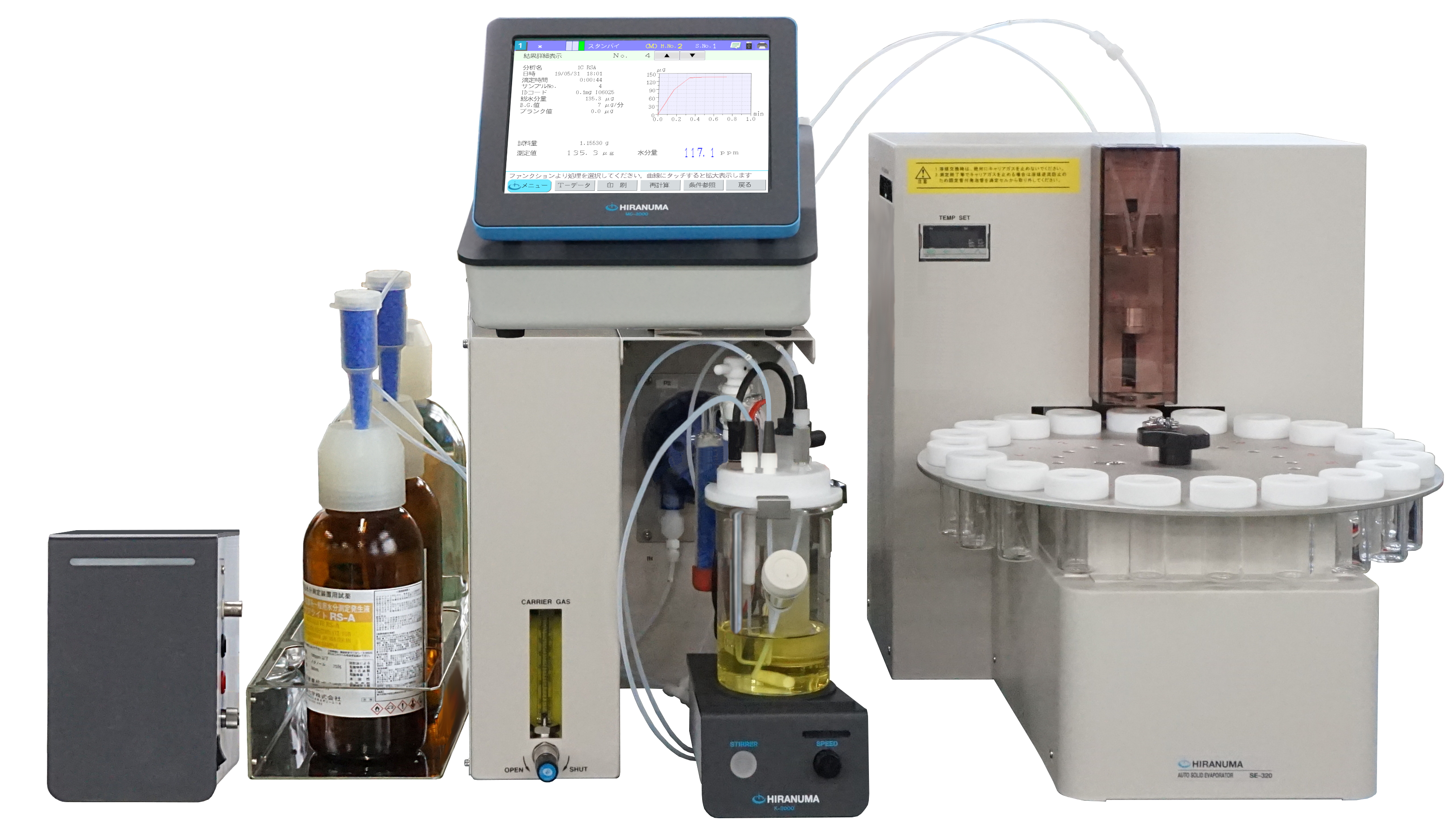
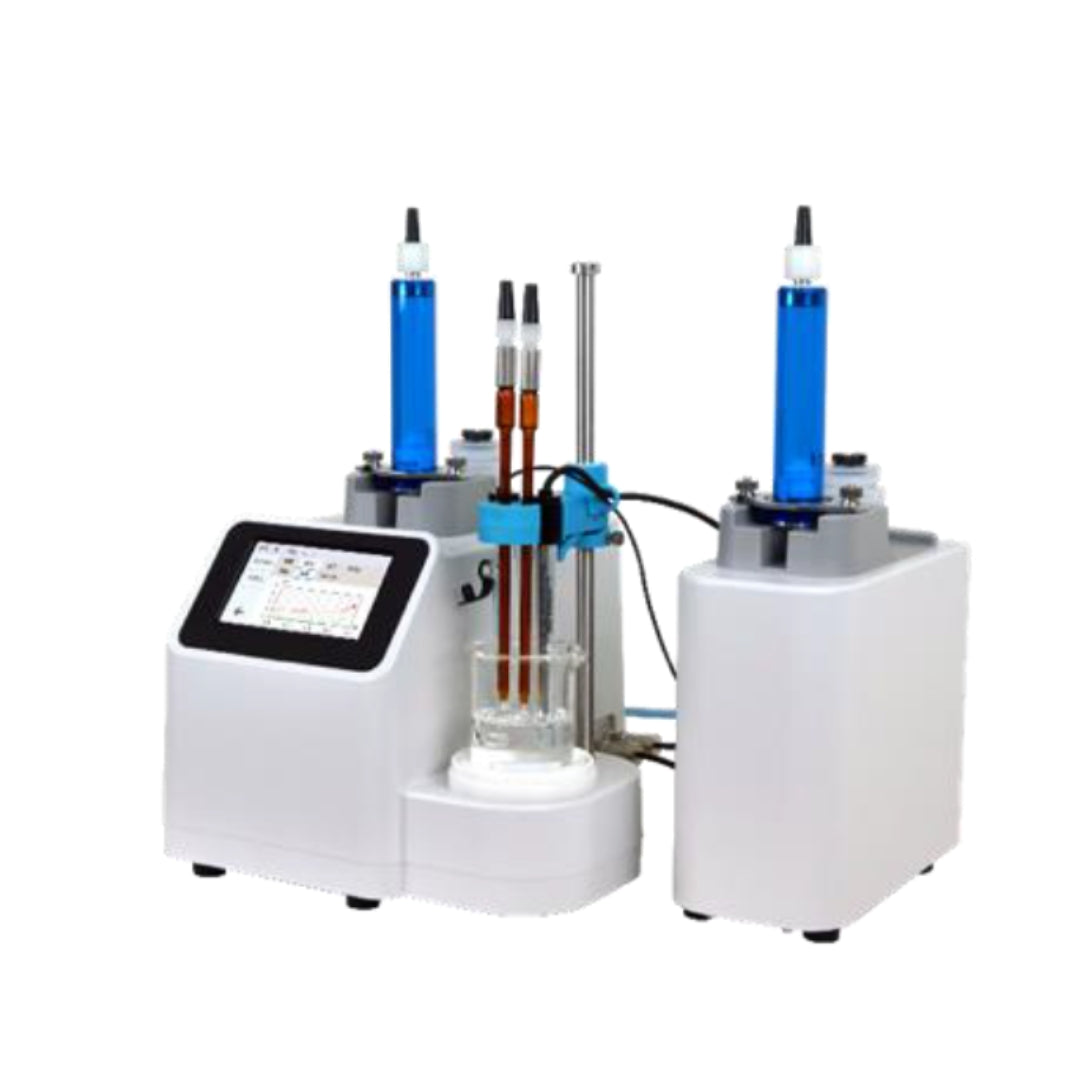
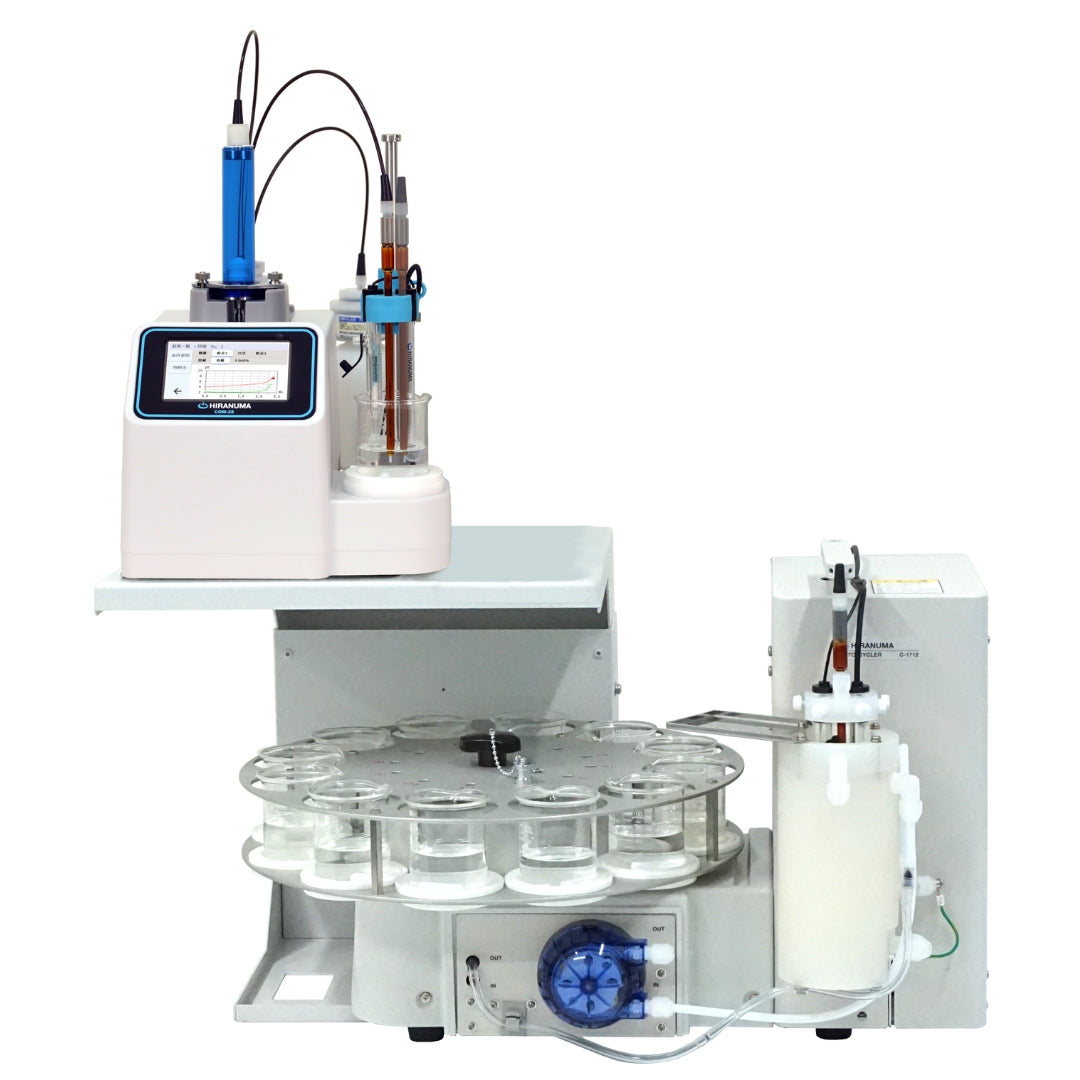
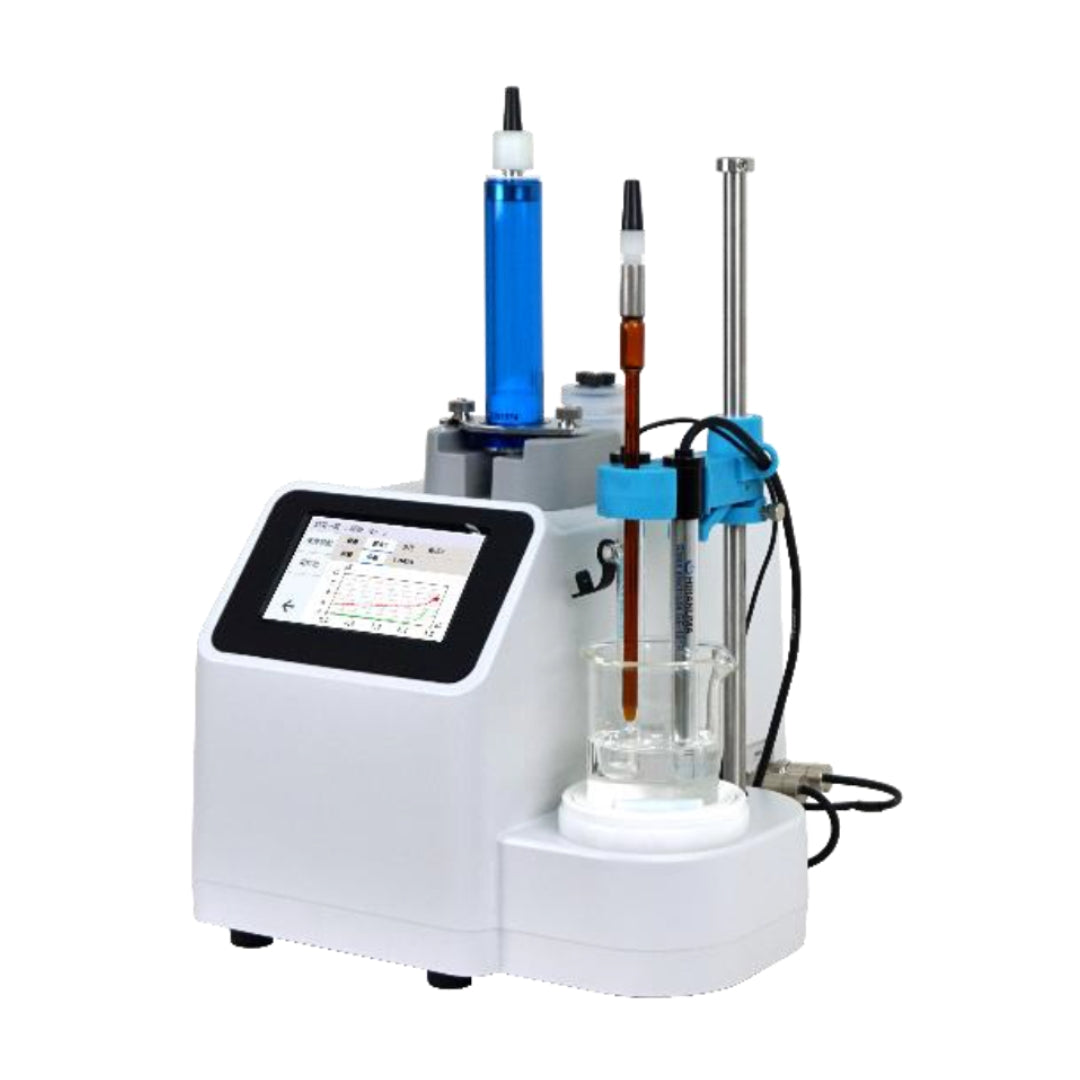
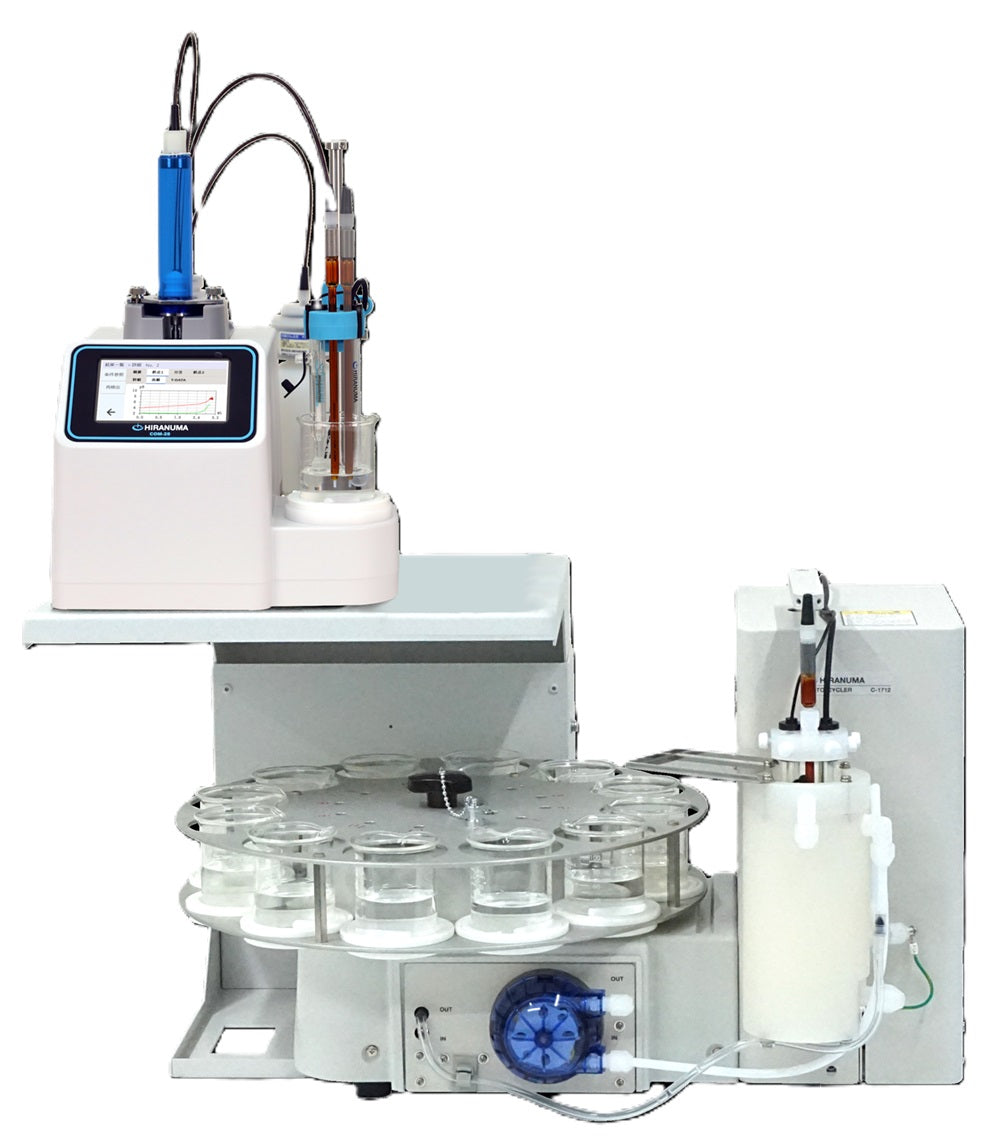
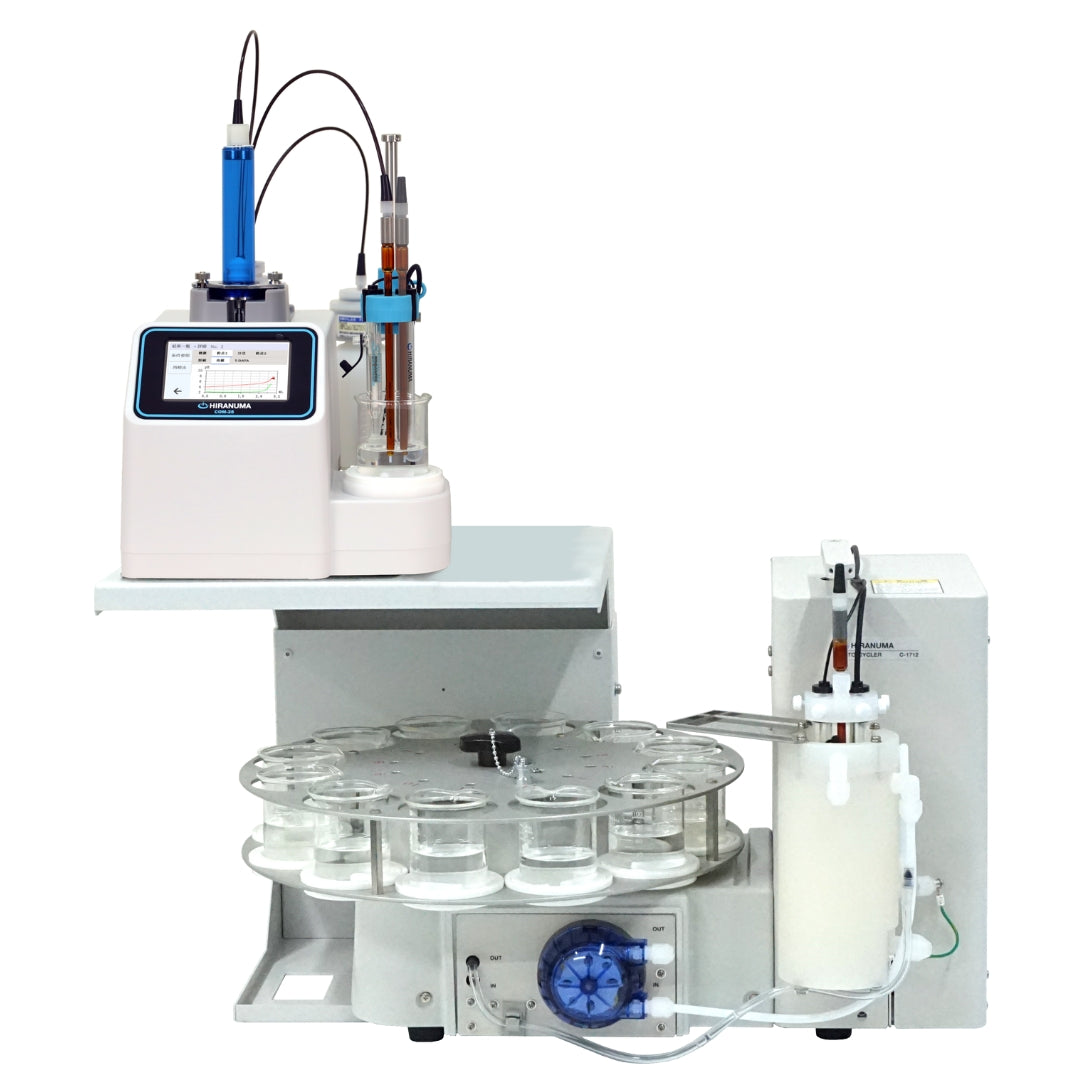
- COM-28 / COM-28S Potentiometric Titrator
- COM-A19 Automatic Titrator
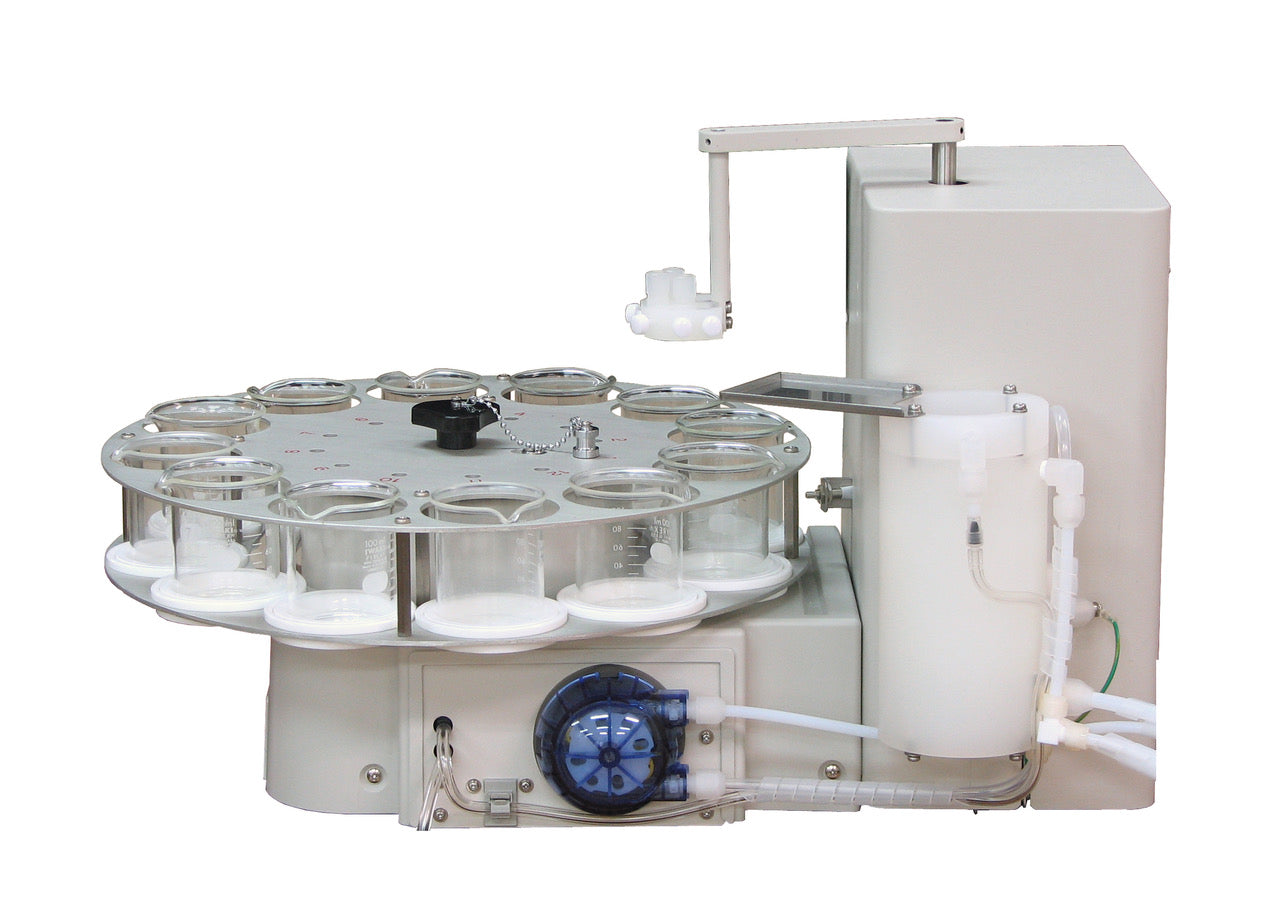
- Autosamplers for high-throughput food testing
📥 Download Application Note
👉 [Request Ketchup Salt & Acidity Method (PDF)]
📞 CTA
Need help setting up ketchup quality testing in your lab?
👉 Request a method
👉 Request a quote
👉 Speak with an application specialist
Contact Us: sales@jmscience.com; Tel: 716-774-8706