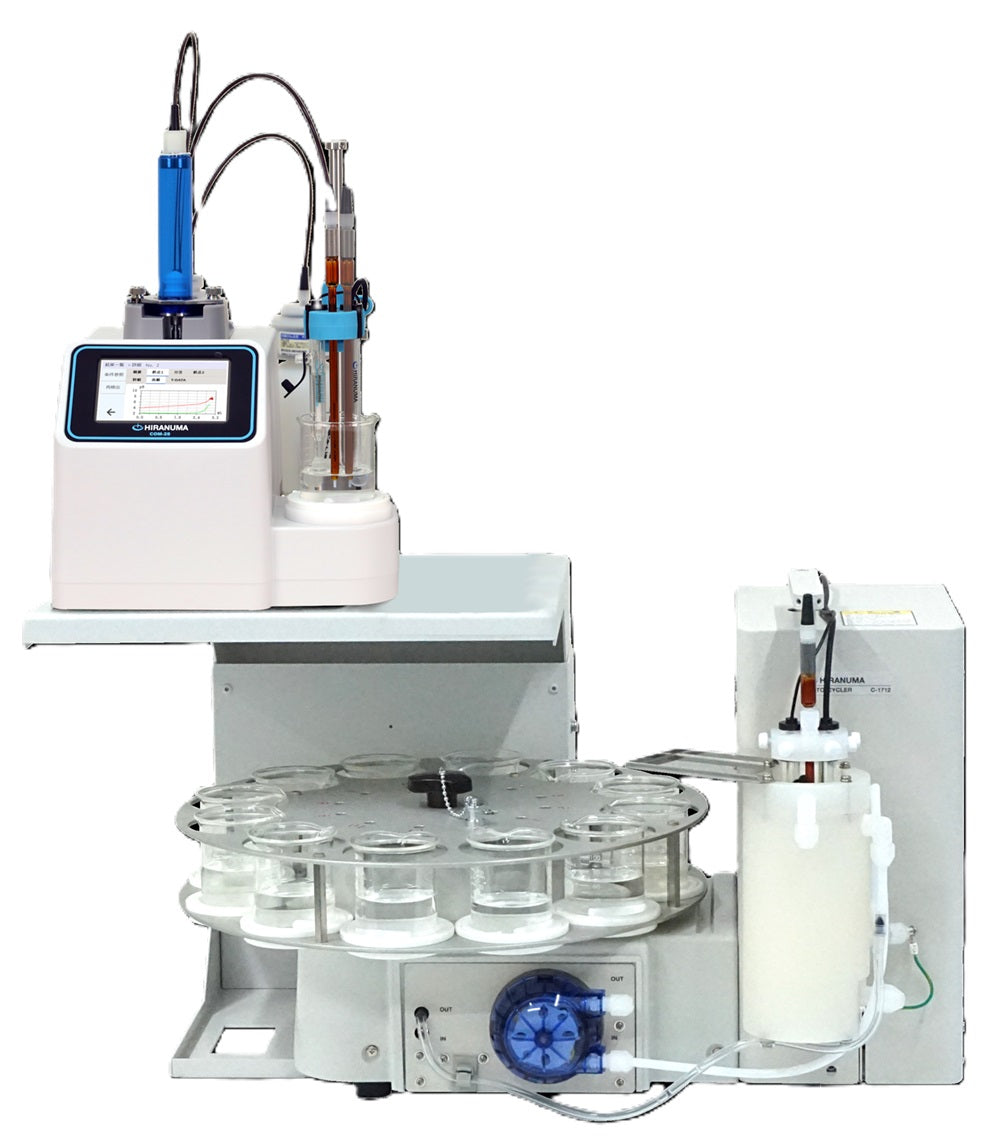
Intro
Total acidity is a critical parameter in wine production, directly affecting taste, stability, and overall quality. Accurate measurement of tartaric acid equivalent acidity is essential for maintaining product consistency across batches.
Traditional titration methods can introduce variability, particularly in colored samples such as red wines.
⚗️ Method Overview
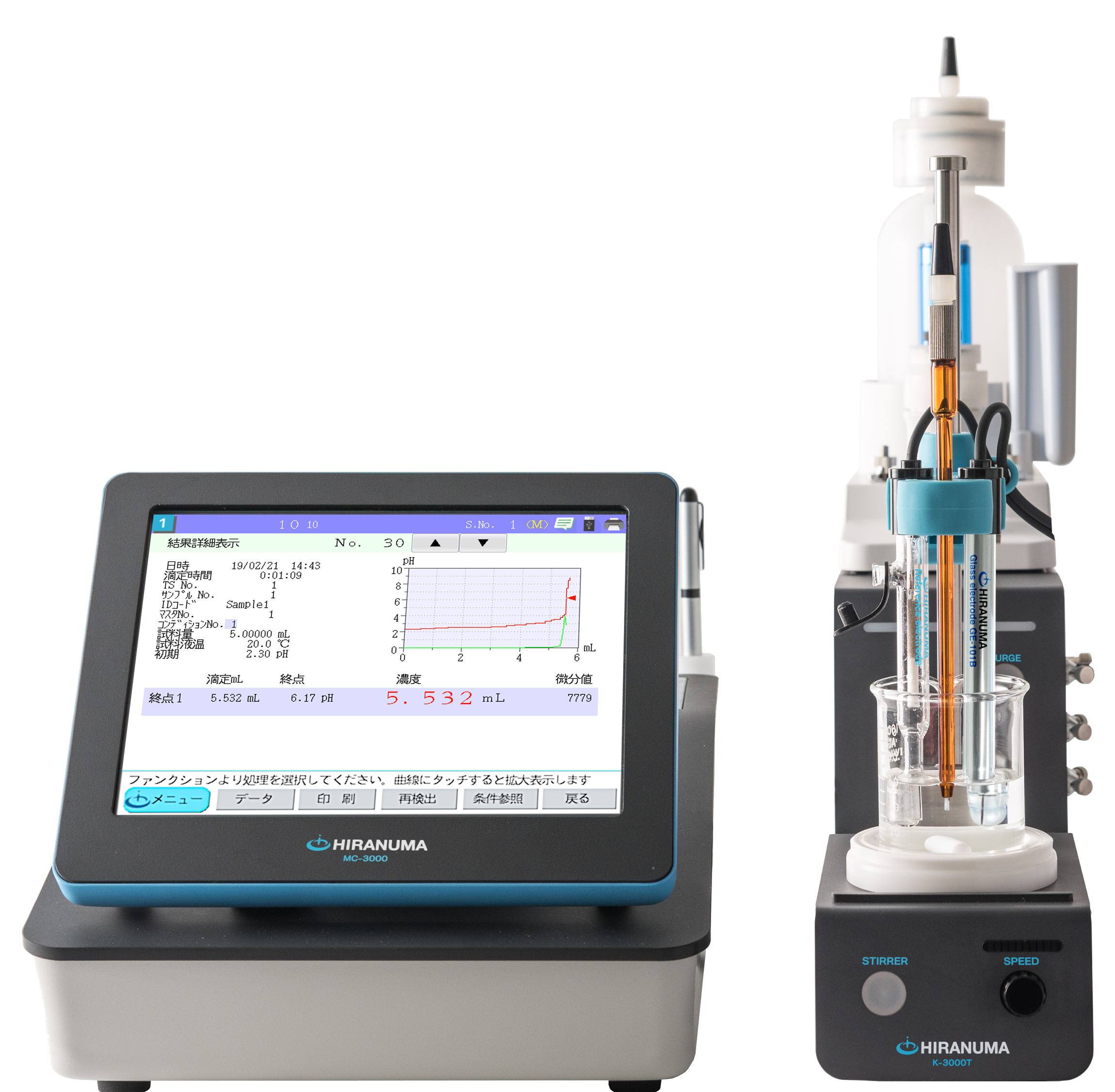
Acidity in wine is determined by titration with a standardized base to a defined endpoint, typically expressed as tartaric acid equivalent.
Potentiometric titration improves this process by:
- Automatically detecting the endpoint
- Eliminating subjective visual interpretation
- Providing consistent and reproducible results
📊 Results (FROM OUR DATA)
From the table on page 1:
- White wine: 0.576 g/100 mL
- Red wine: 0.583 g/100 mL
- RSD: 0.27%
👉 Excellent precision for routine QC analysis
⚠️ Why Traditional Methods Struggle
- Visual endpoints are difficult in colored samples
- Operator-dependent variability
- Reduced reproducibility in routine testing
✅ Advantages of Potentiometric Titration
- Works for red, white, and rosé wines
- No visual endpoint required
- High precision and repeatability
- Automated calculation and data handling
👉 Accurate measurement is possible even for colored samples
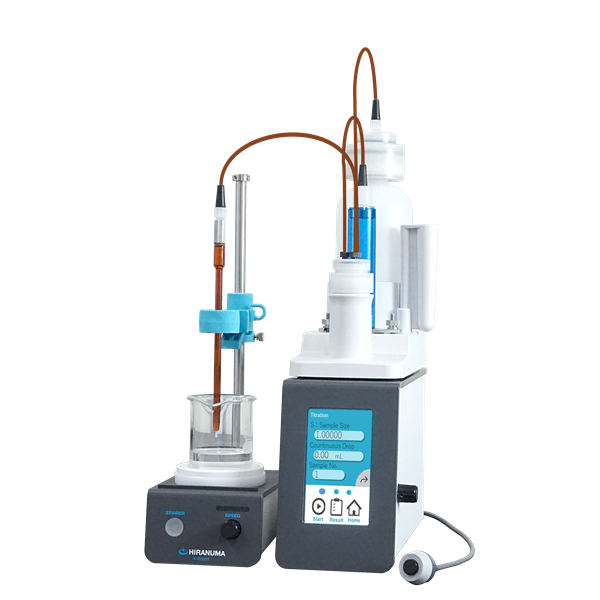
⚙️ Simple Workflow
From page 2:
- Sample collection
- Add water
- Insert electrodes
- Start titration
👉 Minimal operator training required
💡 Why This Matters
- Maintain consistent wine flavor profiles
- Ensure batch-to-batch quality
- Improve lab productivity
- Reduce operator variability
📞 CTA
Need help setting up wine acidity testing?
👉 Request a method
👉 Request a quote
👉 Speak with an application specialist
Contact us: sales@jmscience.com; Tel: 716-774-8706