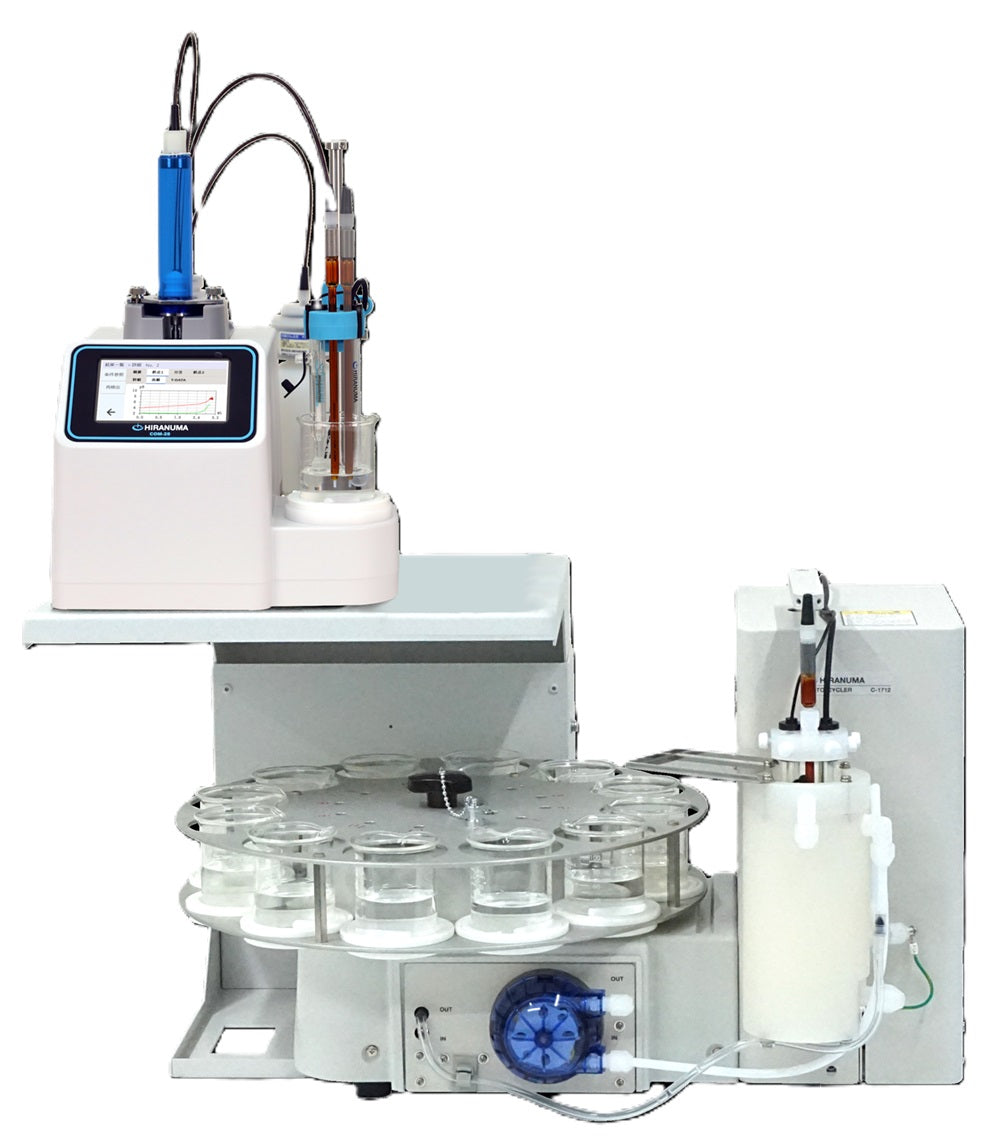
Moisture Determination in Ketones and Aldehydes by Karl Fischer Titration
Karl Fischer titration is widely used for accurate moisture determination in a broad range of samples. However, certain compounds—including ketones, aldehydes, and some amines—can interfere with the Karl Fischer reaction and produce incorrect results.
In many cases, these interferences lead to false high moisture values, making reliable analysis difficult without proper method control.
Why Ketones and Aldehydes Cause False Results
Ketones and aldehydes are not inert during Karl Fischer titration. Instead, they can participate in side reactions with methanol-based Karl Fischer reagents.
For example:
- Ketones (such as acetone and methyl ethyl ketone) can react with methanol to form ketals
- These reactions generate additional water during the titration process
👉 The generated water is measured as moisture, resulting in false high results
Aldehydes can undergo similar reactions, sometimes producing unpredictable effects that lead to either high or inconsistent moisture values.
Important: This Affects All Karl Fischer Methods
These side reactions are not limited to a specific technique.
👉 They occur in both:
- Volumetric Karl Fischer titration
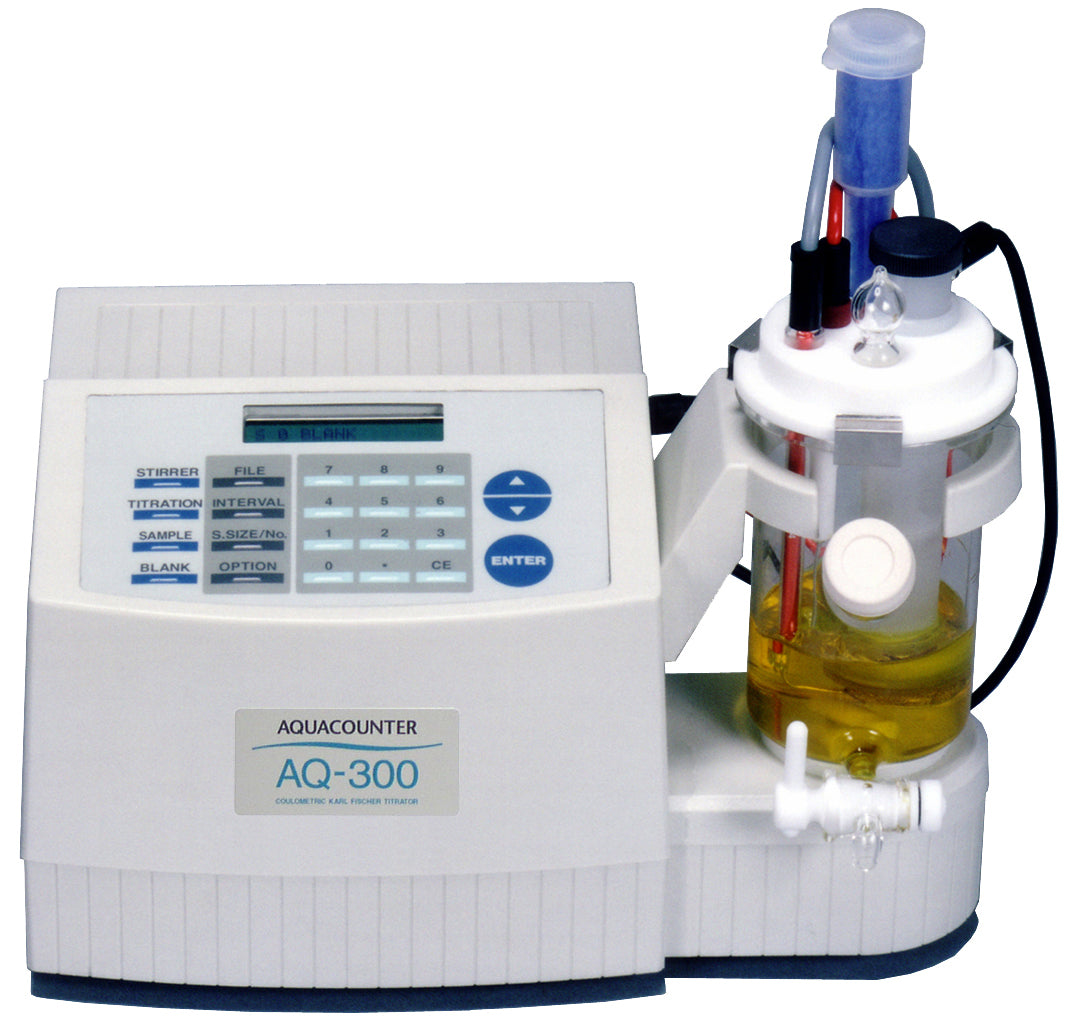
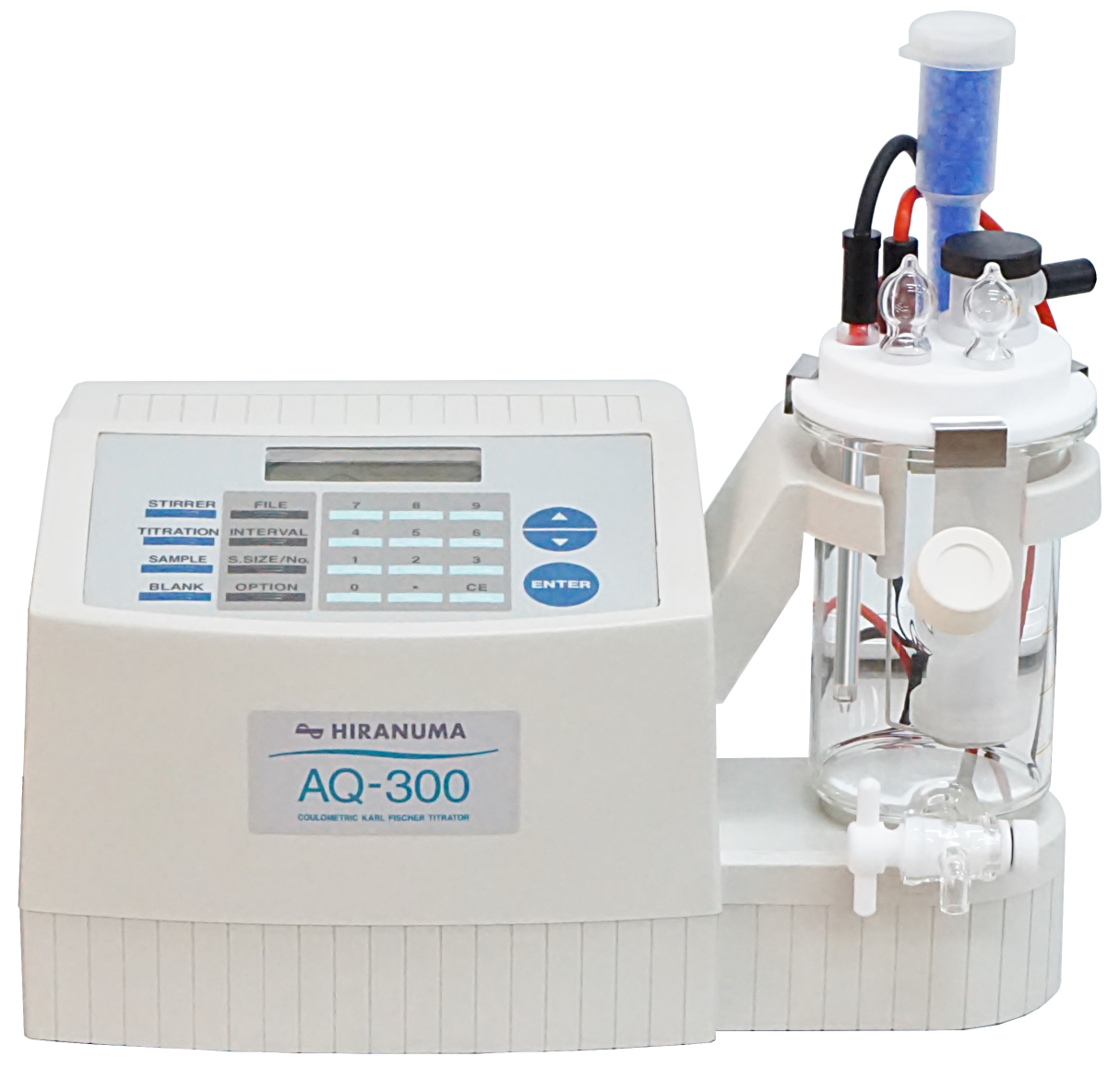
- Coulometric Karl Fischer titration
Because the underlying chemistry of the Karl Fischer reaction remains the same, method selection alone does not eliminate the problem.
Real-World Impact
If these interferences are not addressed:
- Moisture results may be significantly overestimated
- Product quality decisions may be incorrect
- Process control becomes unreliable
This is particularly critical for:
- Solvents (acetone, MEK, cyclohexanone)
- Chemical intermediates
- Pharmaceutical and industrial applications
How to Avoid False High Results
Accurate moisture determination in ketones and aldehydes requires modification of the standard Karl Fischer approach.
1. Use Specialized Karl Fischer Reagents
Standard methanol-based reagents should be replaced with reagents designed for ketones and aldehydes.
These specialized reagents:
- Suppress side reactions
- Prevent formation of additional water
- Improve endpoint stability
👉 JM Science offers Karl Fischer solvents specifically designed for aldehyde and ketone samples.
2. Optimize Sample Introduction
- Controlled or indirect injection may improve accuracy
- Proper sample handling reduces variability
3. Validate Method Conditions
- Confirm results using known standards
- Monitor titration curves carefully
- Ensure reagent compatibility
Recommended Systems
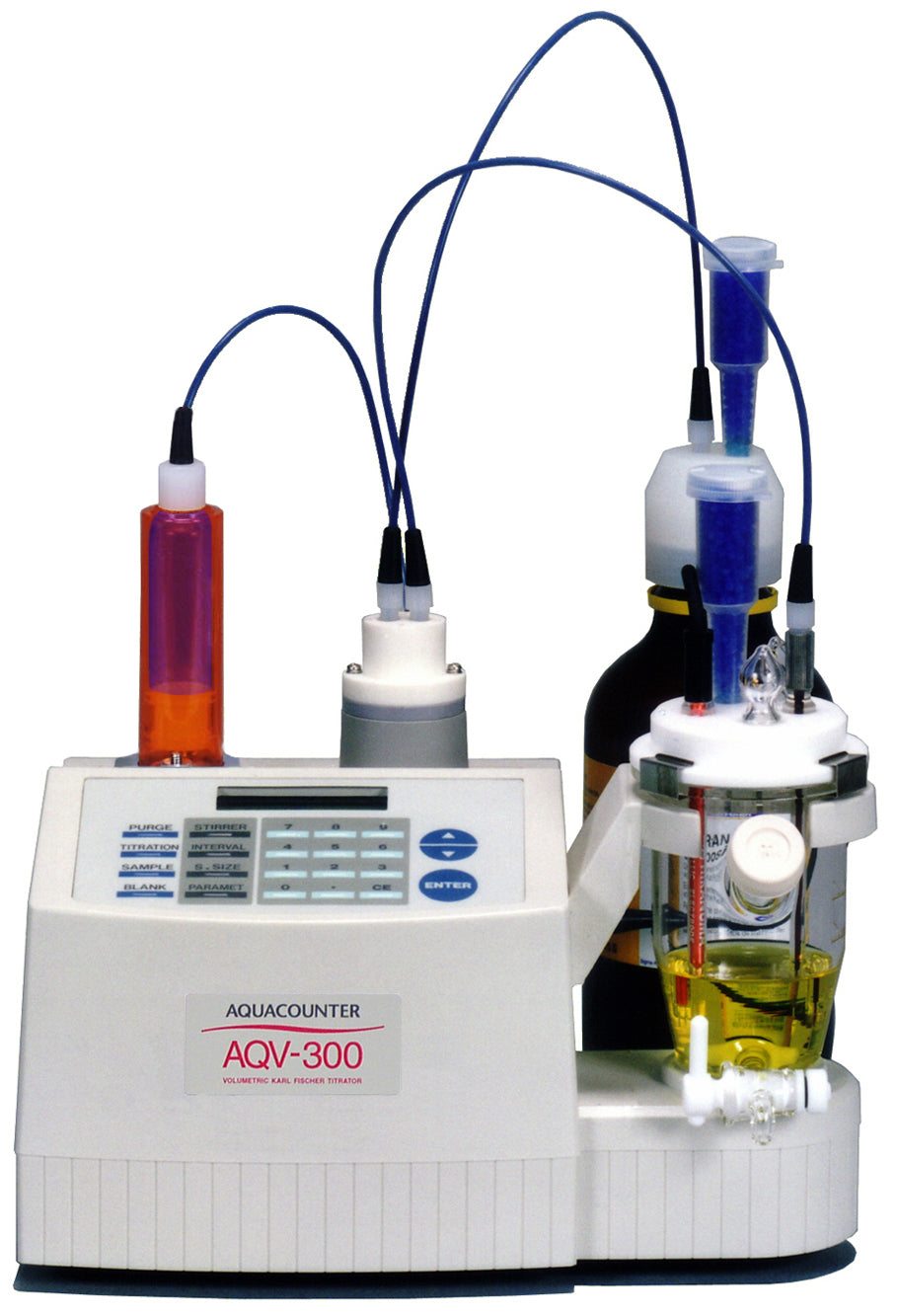
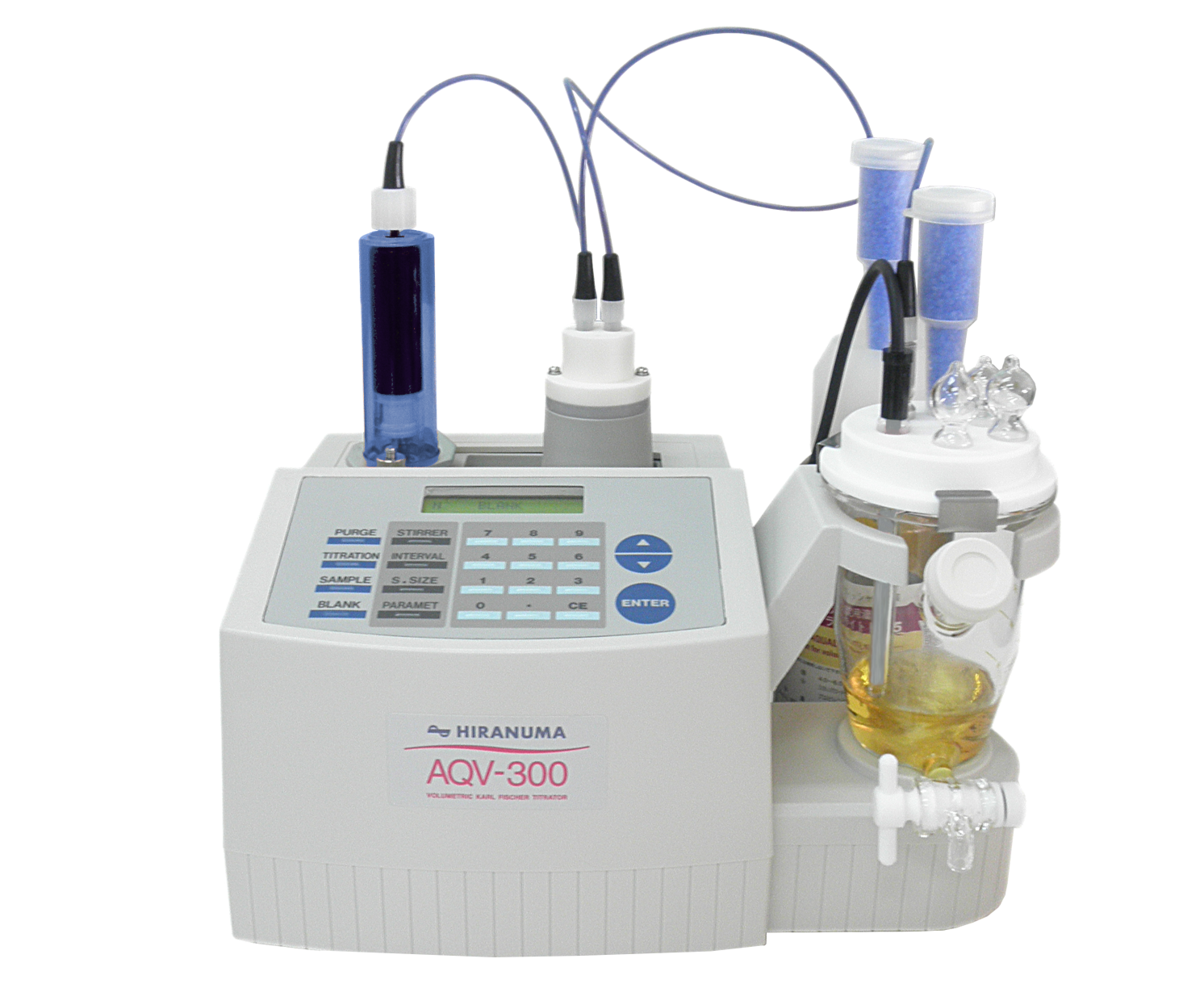
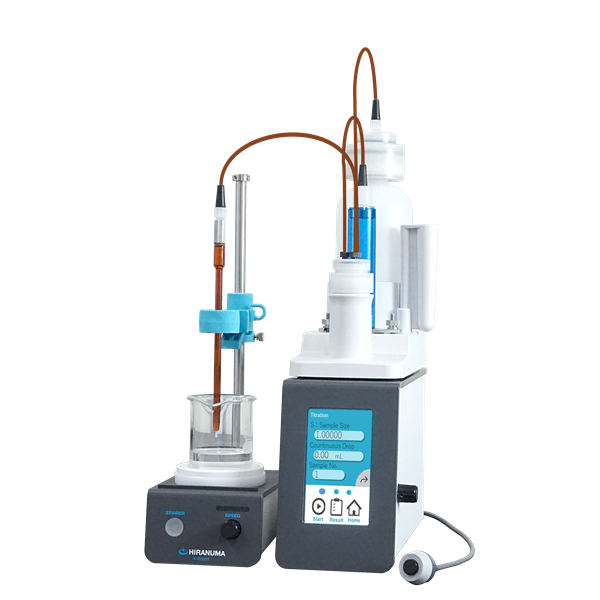
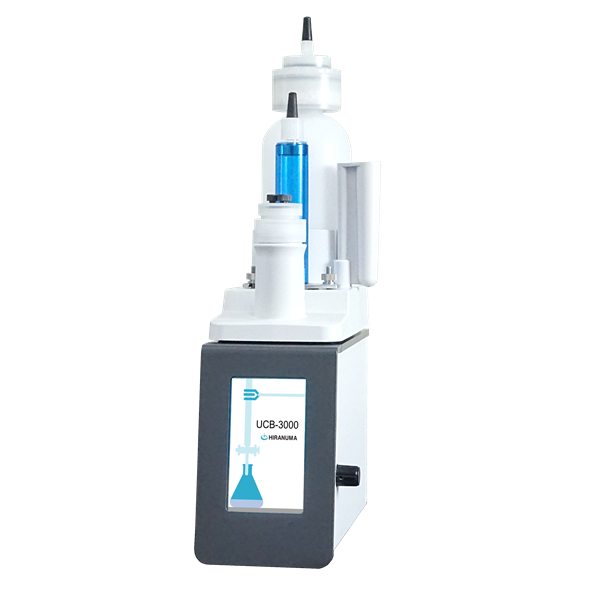
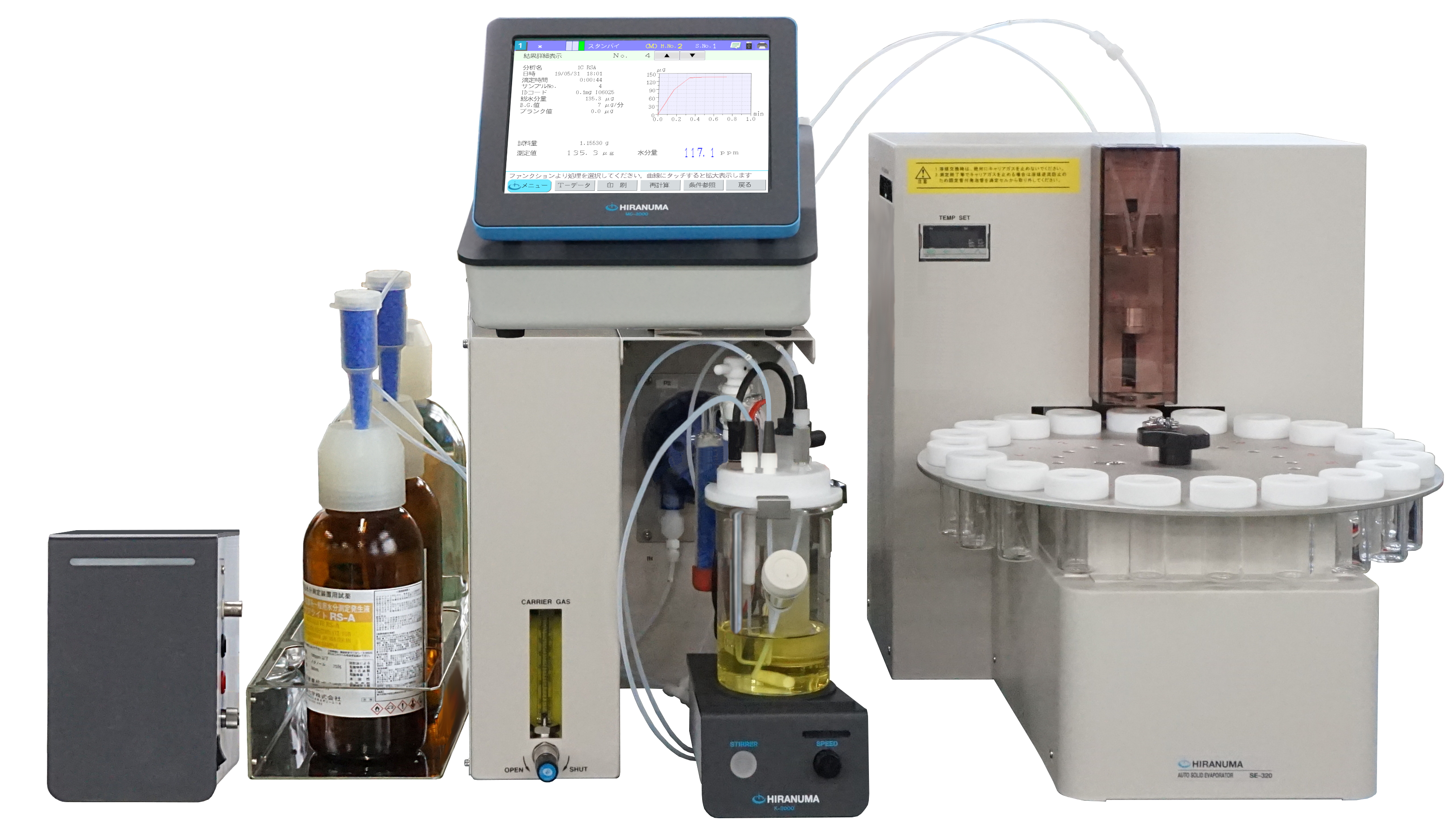
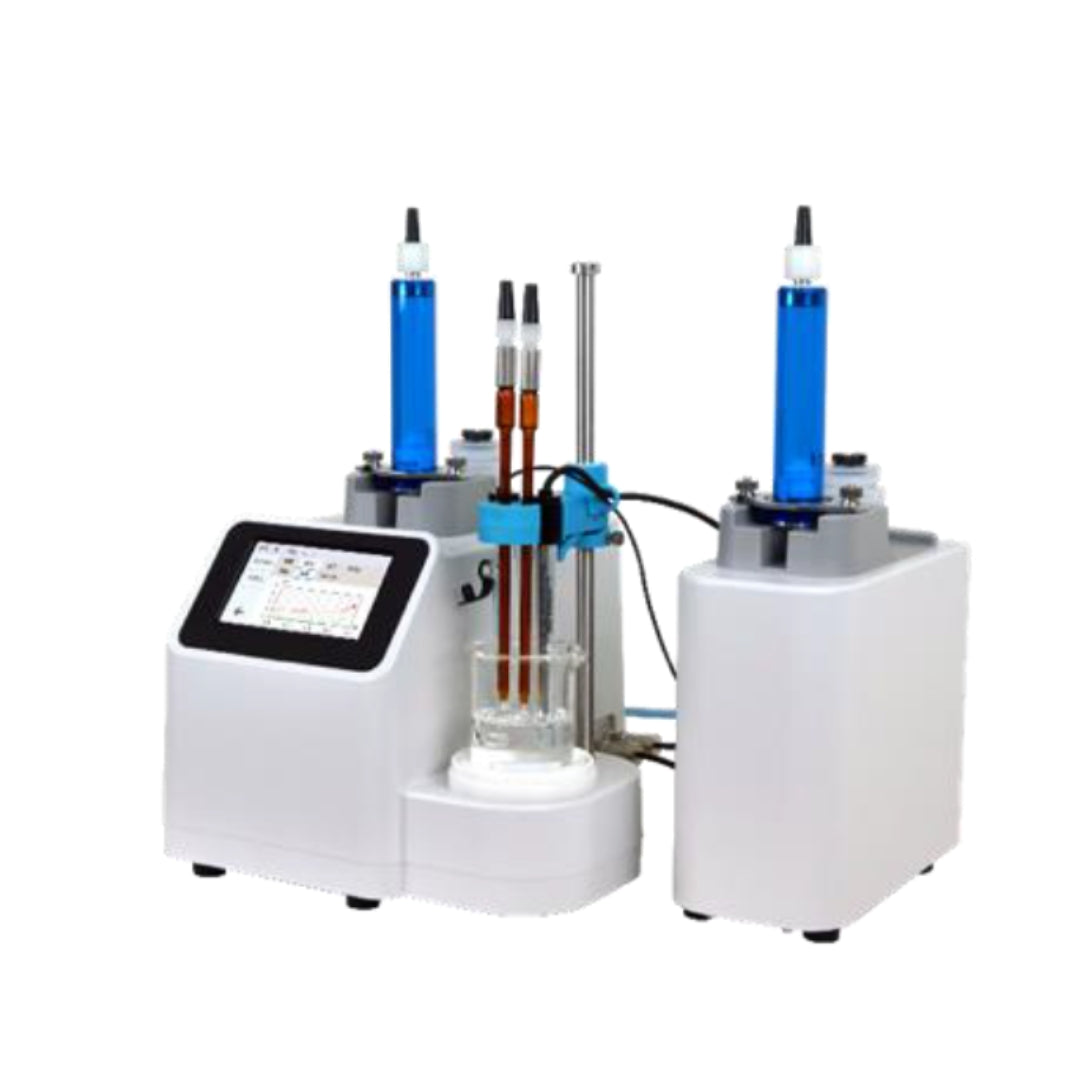
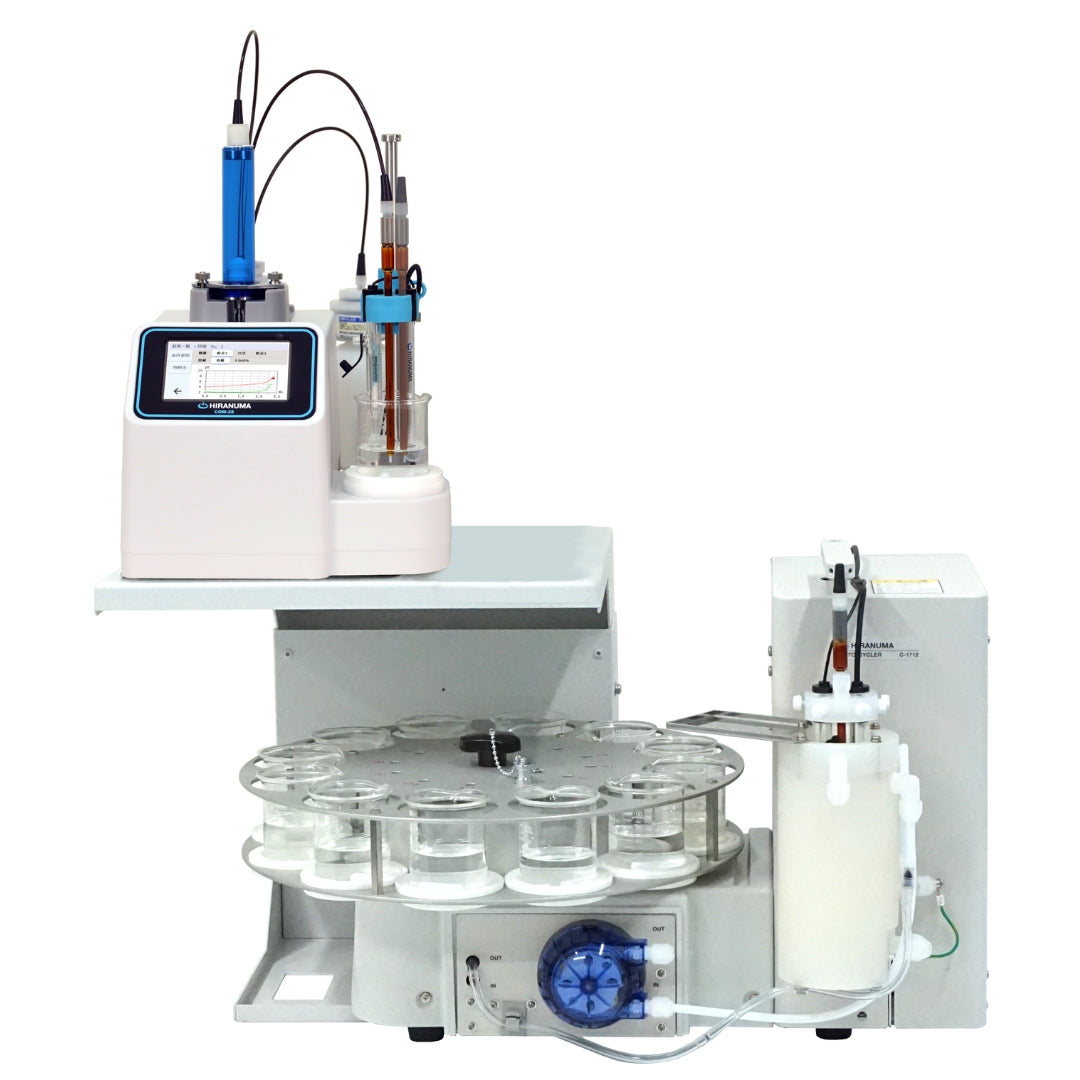
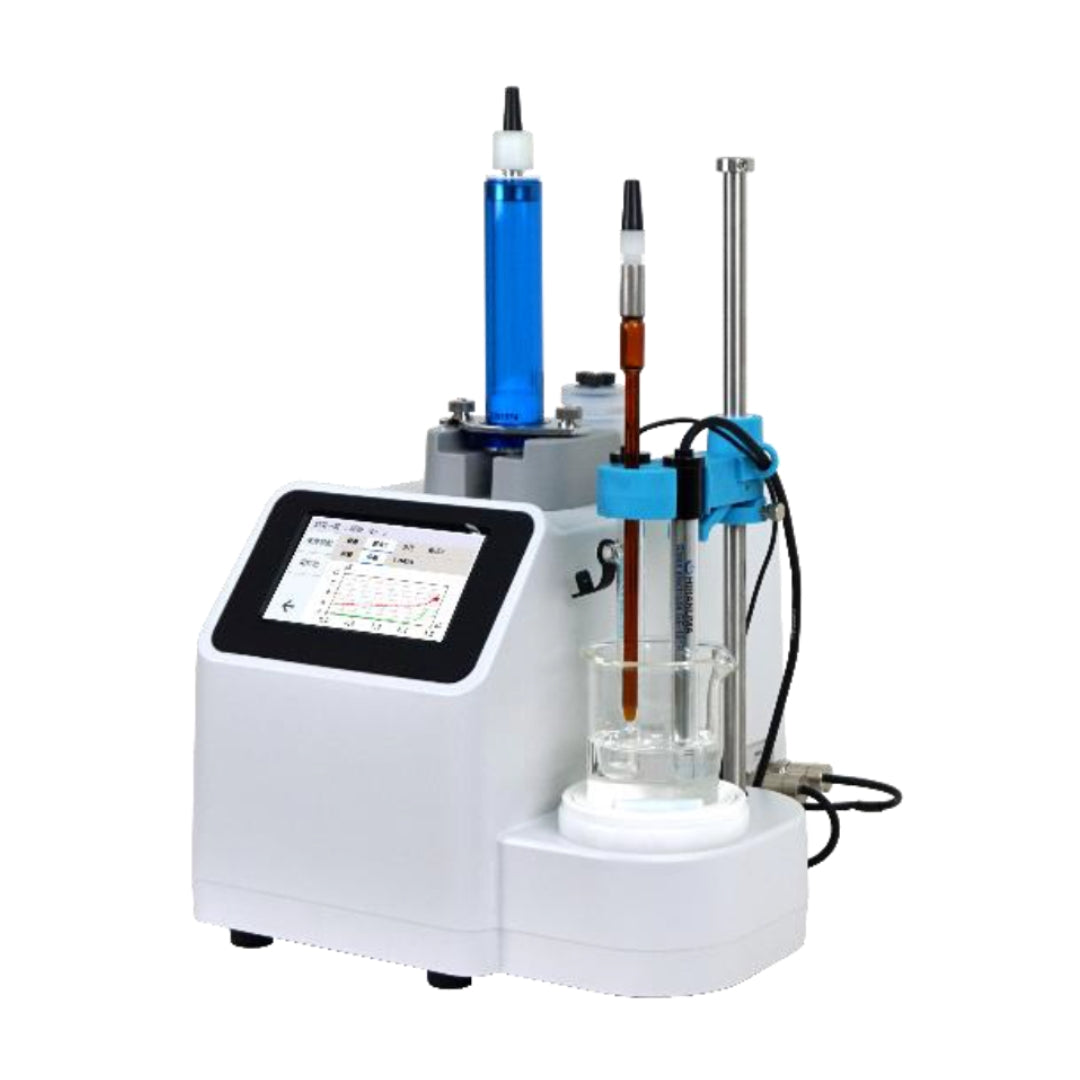
- AQV-300 Volumetric Karl Fischer Titrator
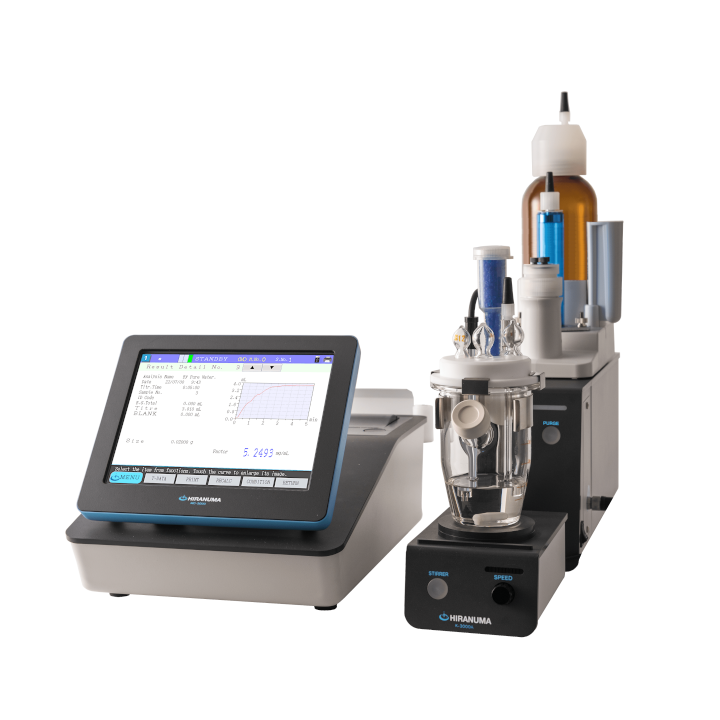
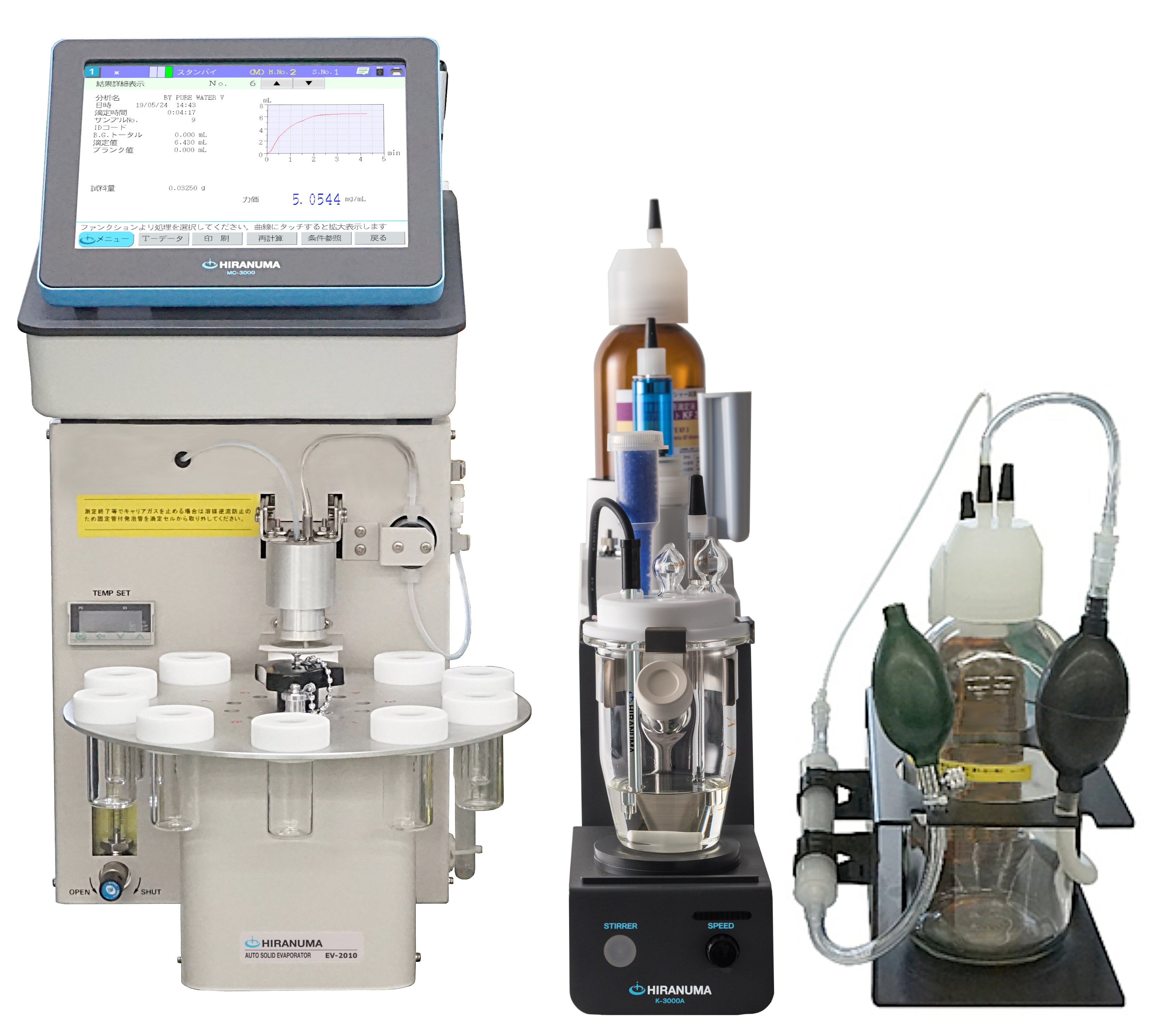
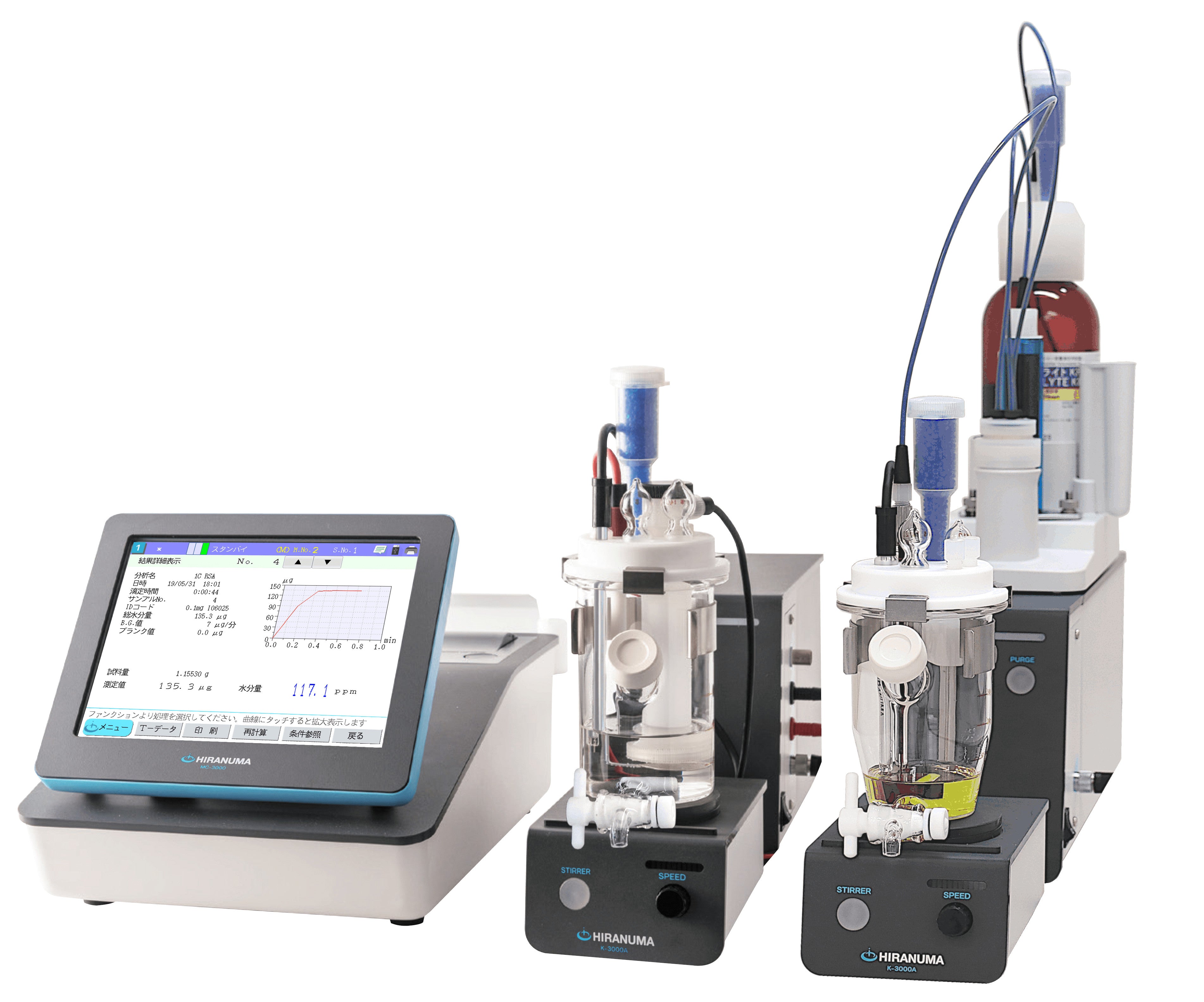
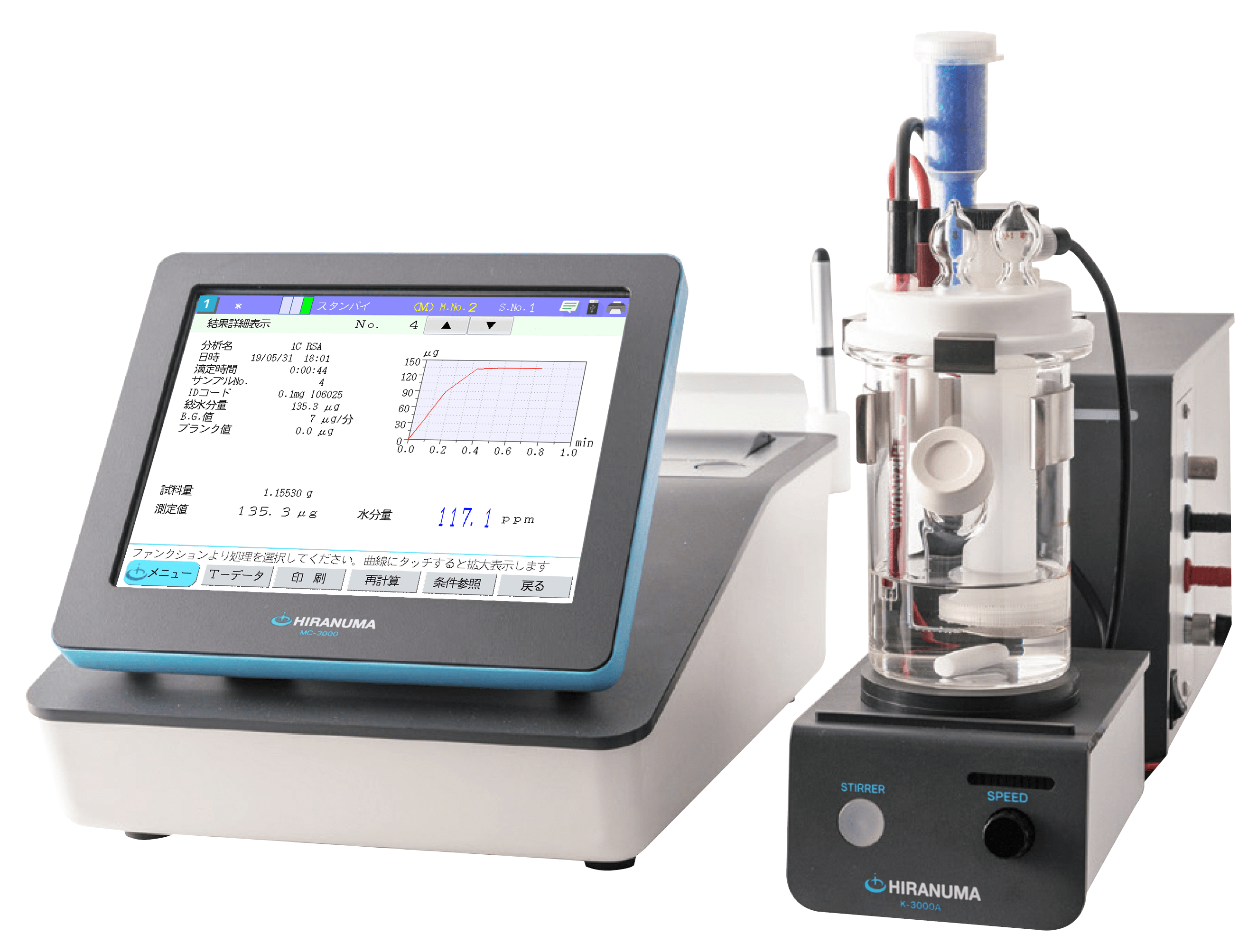
- MOIVO-A19 Advanced Karl Fischer System
- Specialized Karl Fischer reagents for ketones and aldehydes
Why This Matters
Understanding and controlling Karl Fischer interferences is essential for obtaining reliable moisture results.
👉 Without proper method selection, even advanced instruments can produce inaccurate data.
👉 With the correct approach, accurate and reproducible moisture determination is achievable—even in reactive solvent systems.