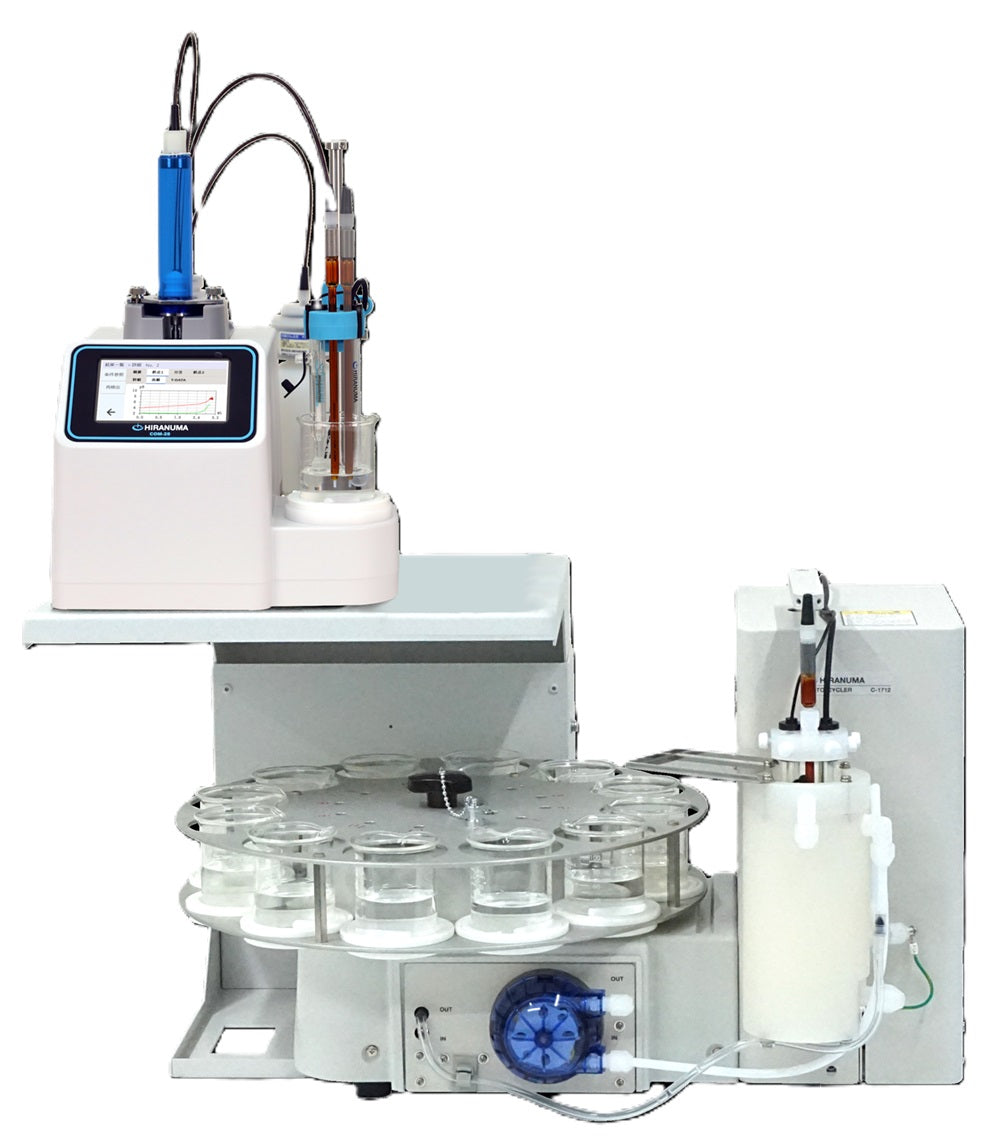
Available Iodine Determination in Povidone-Iodine by Titration
Povidone-iodine is widely used as an antiseptic in pharmaceutical and medical applications, including mouthwashes and topical disinfectants.
The antimicrobial activity of povidone-iodine depends on its available iodine content, which must be accurately controlled to ensure product effectiveness and safety.
🔬 What Is Available Iodine?
Povidone-iodine is a complex of iodine with a polymer carrier (povidone), which acts as a reservoir that releases iodine gradually.
👉 The “available iodine” represents the fraction of iodine that can be released and is responsible for antimicrobial activity
⚗️ Method Overview: Iodometric Titration
Available iodine is typically determined using iodometric titration with sodium thiosulfate.
The method involves:
- Liberation of iodine in solution
- Titration with sodium thiosulfate
- Endpoint detection (often using starch indicator)
- Calculation of iodine content
👉 Sodium thiosulfate reduces iodine to iodide, allowing precise quantification
⚠️ Why This Matters
Accurate determination of available iodine is essential to:
- Ensure antimicrobial effectiveness
- Maintain product consistency
- Meet pharmacopoeial specifications
- Verify formulation stability
👉 Typical formulations contain a defined percentage of available iodine that must be controlled during manufacturing
💡 Application to Mouthwash and Antiseptic Products
Products such as povidone-iodine mouthwash require precise control of iodine content to ensure:
- Effective disinfection
- Safe iodine exposure levels
- Consistent product performance
🔬 Recommended Systems
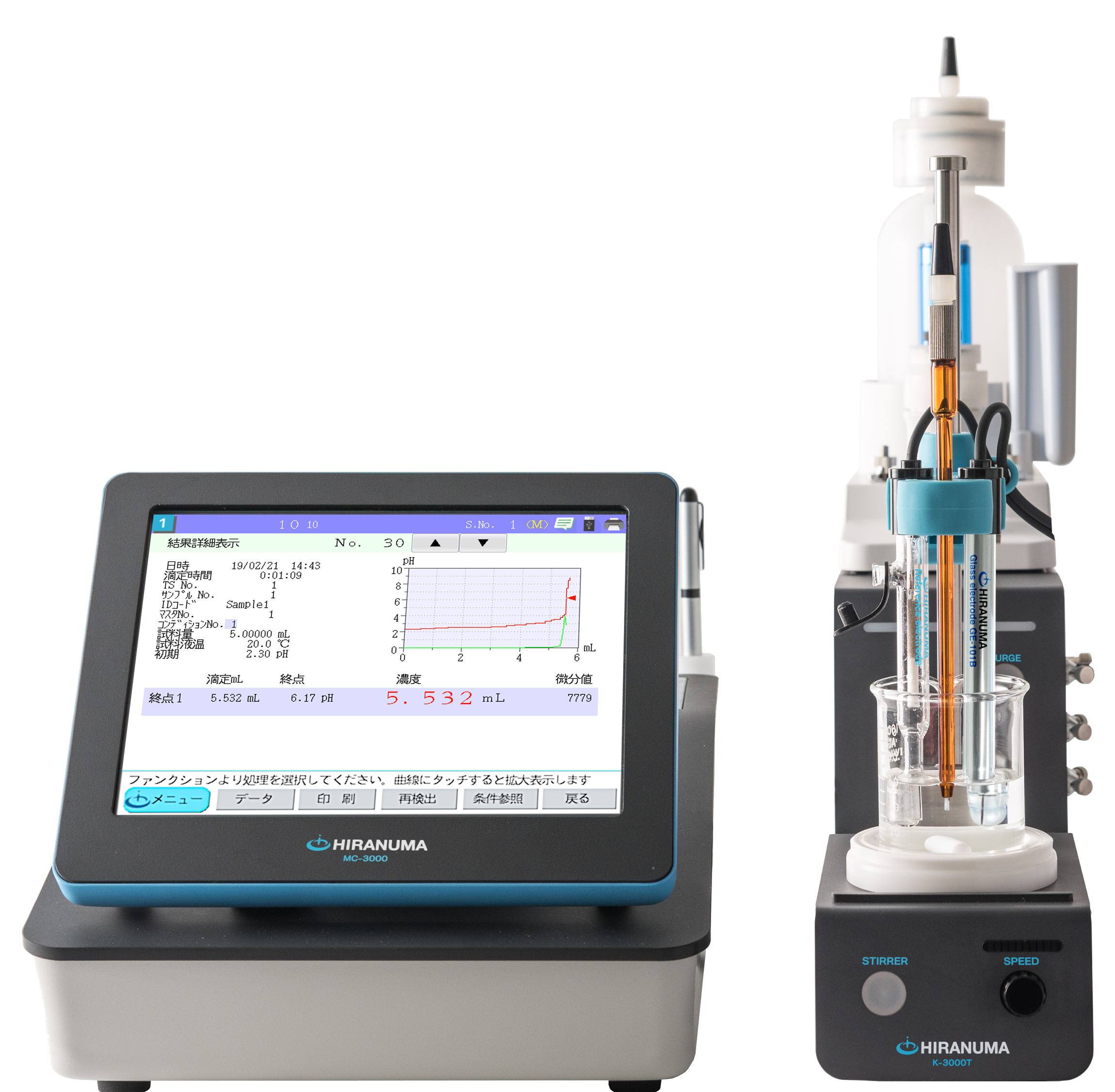
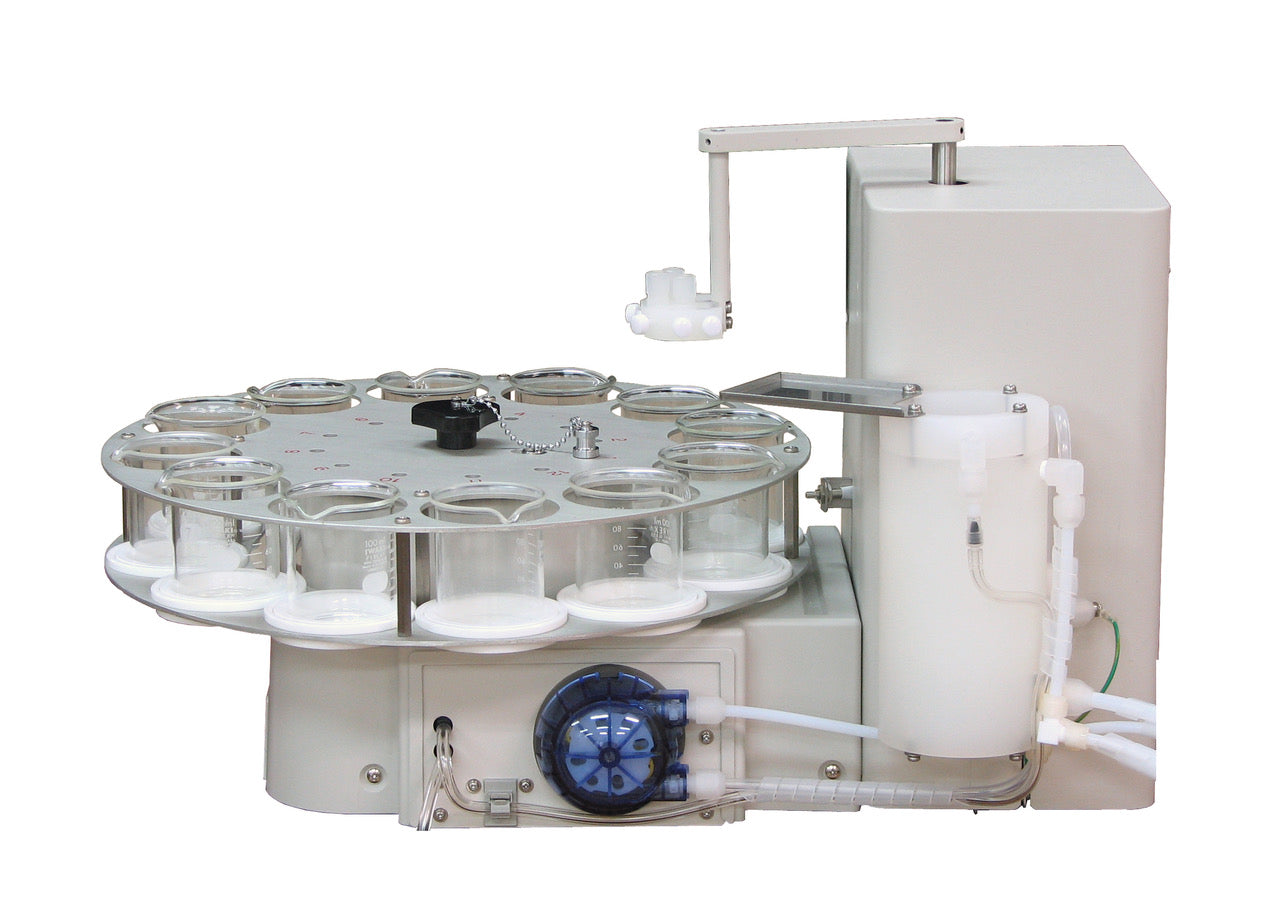
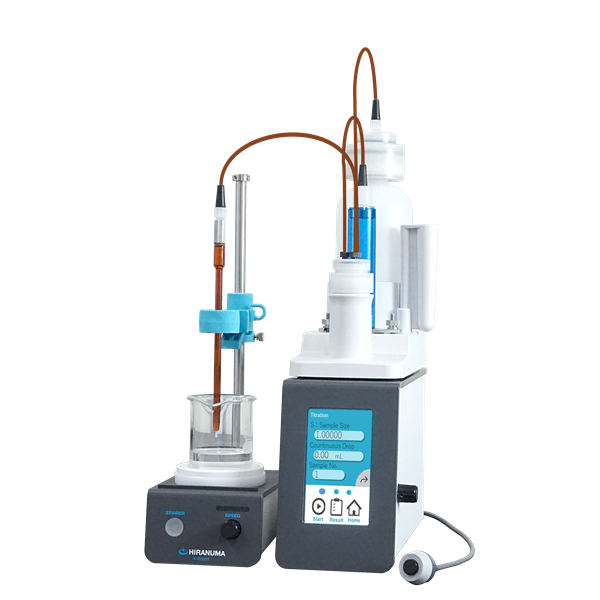
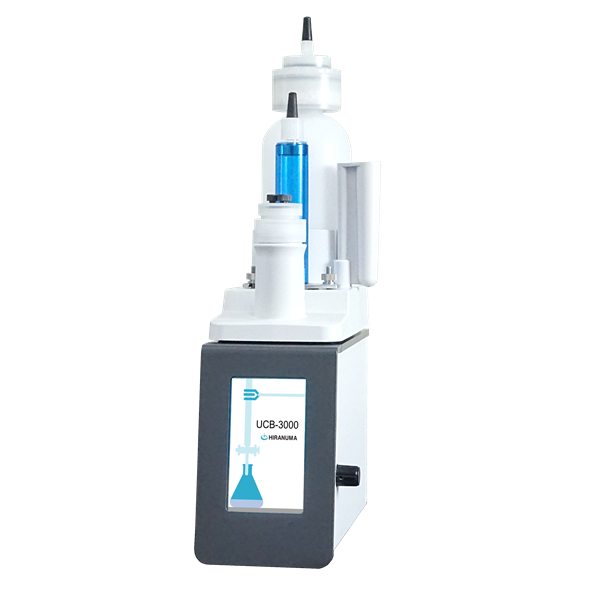
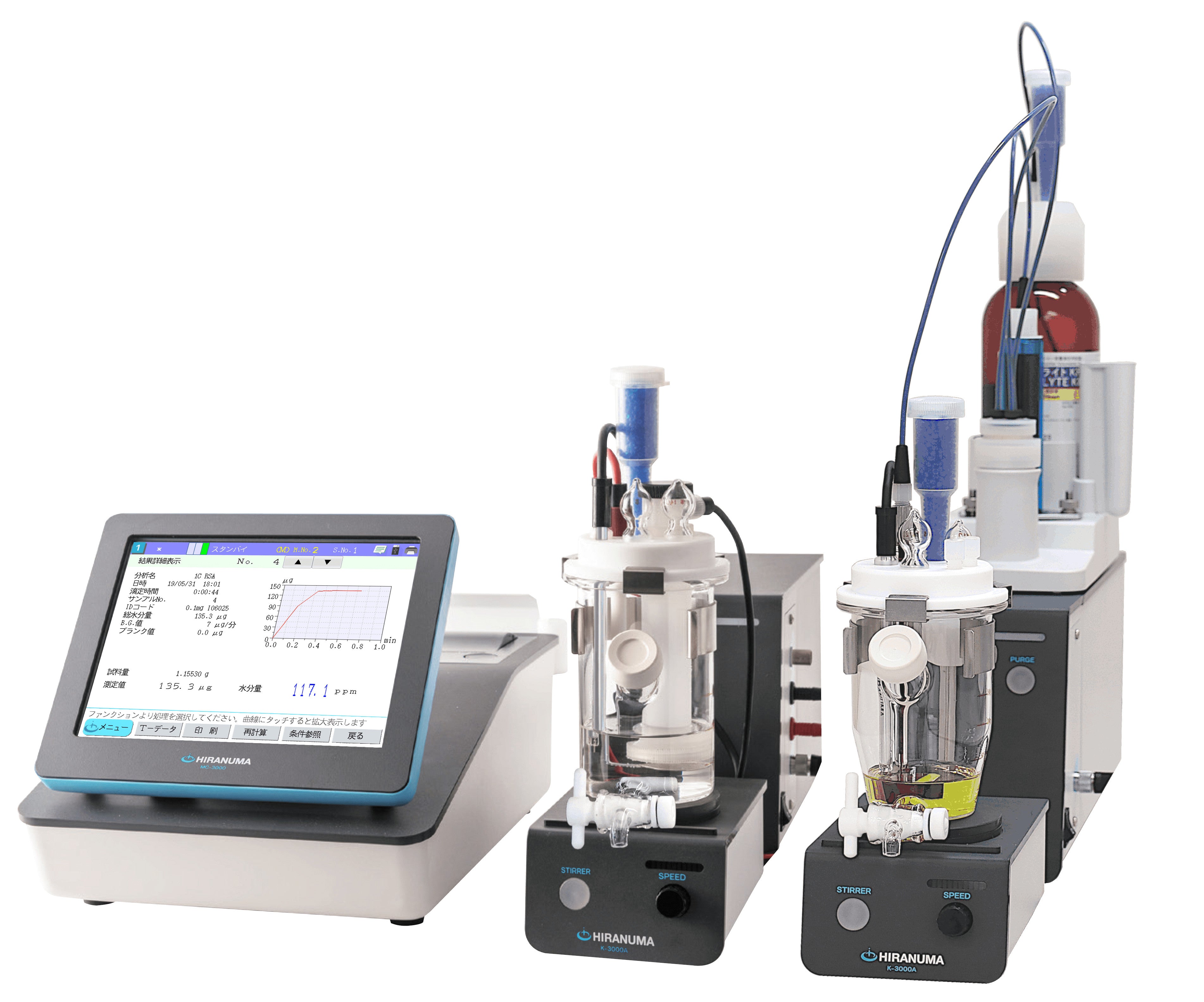
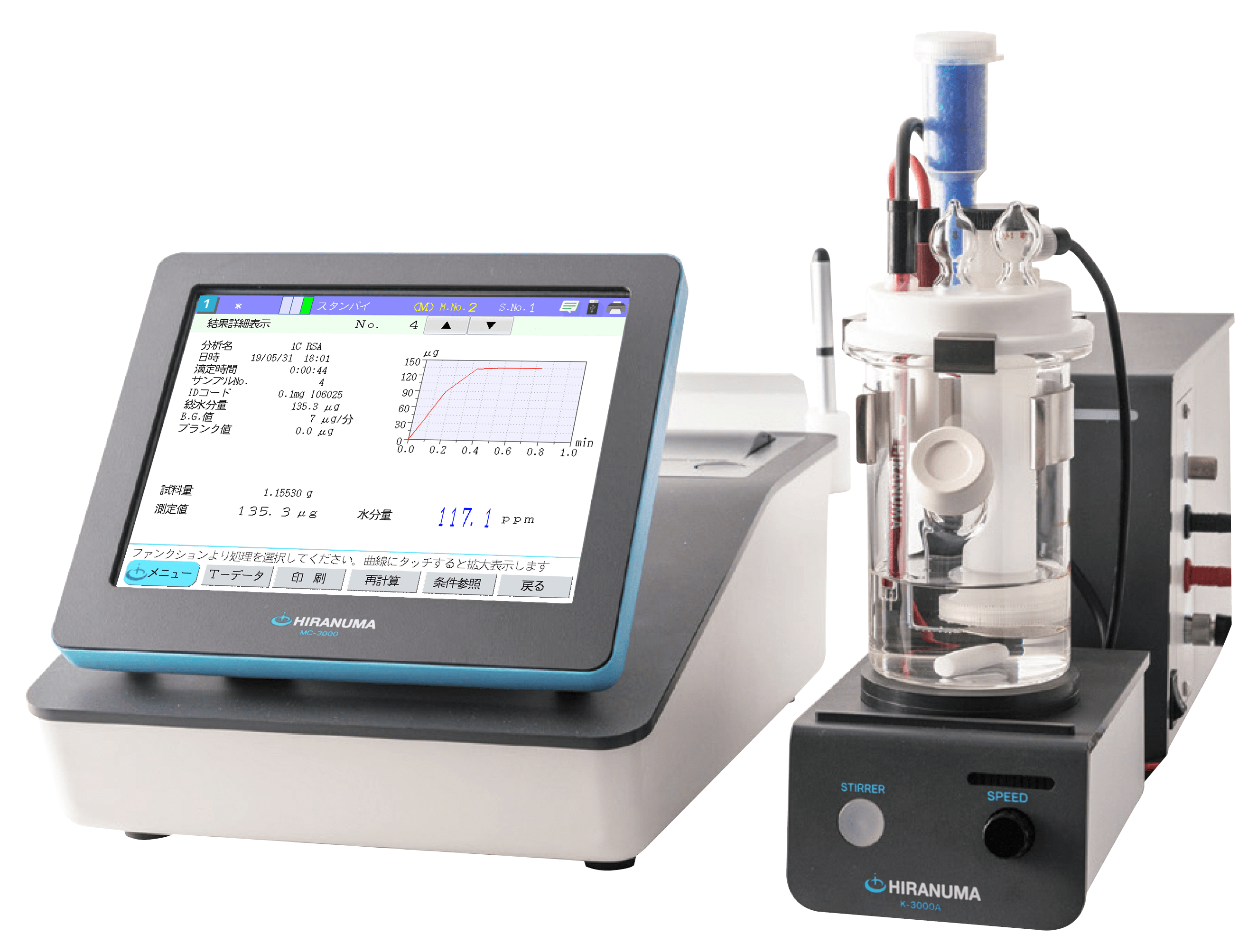
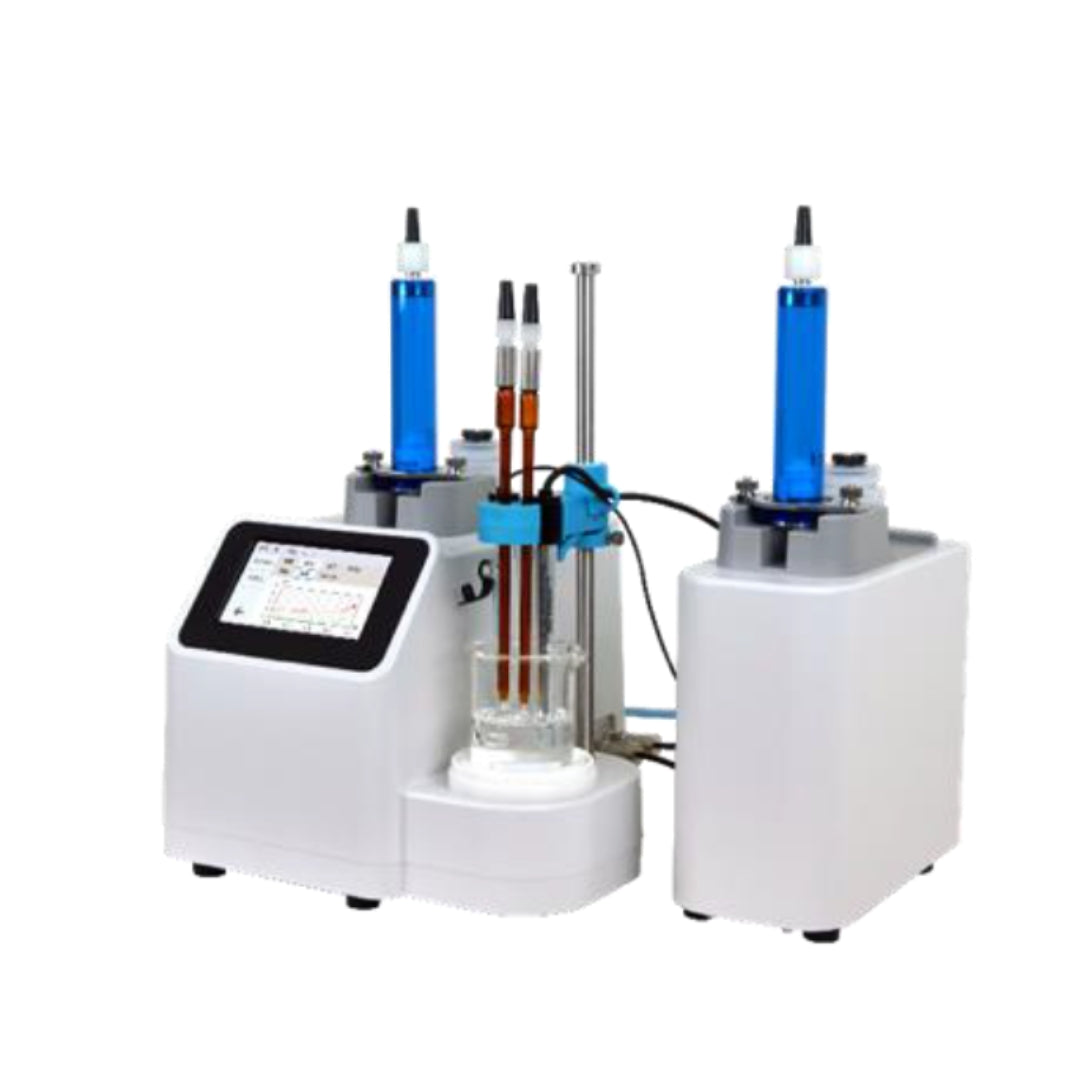
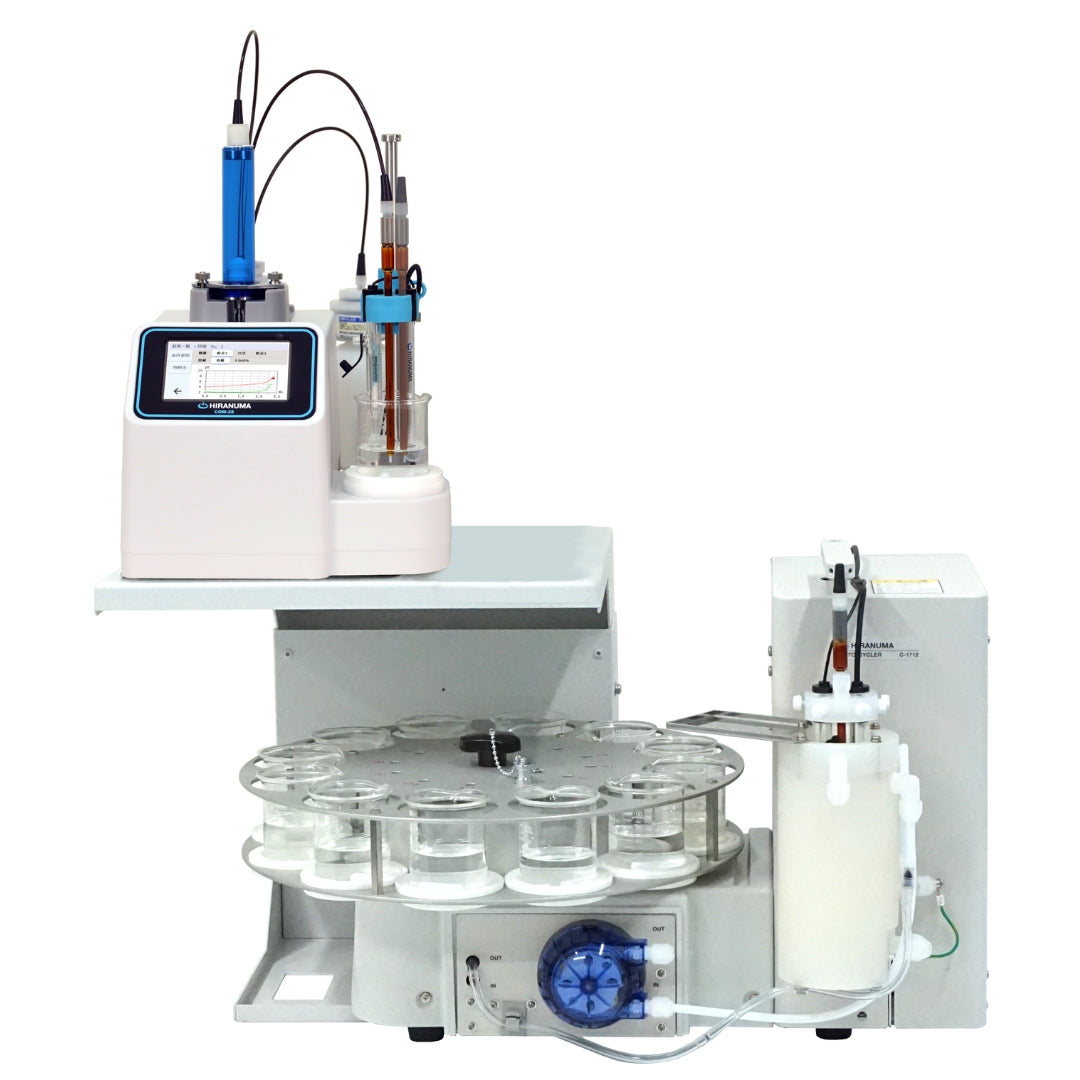
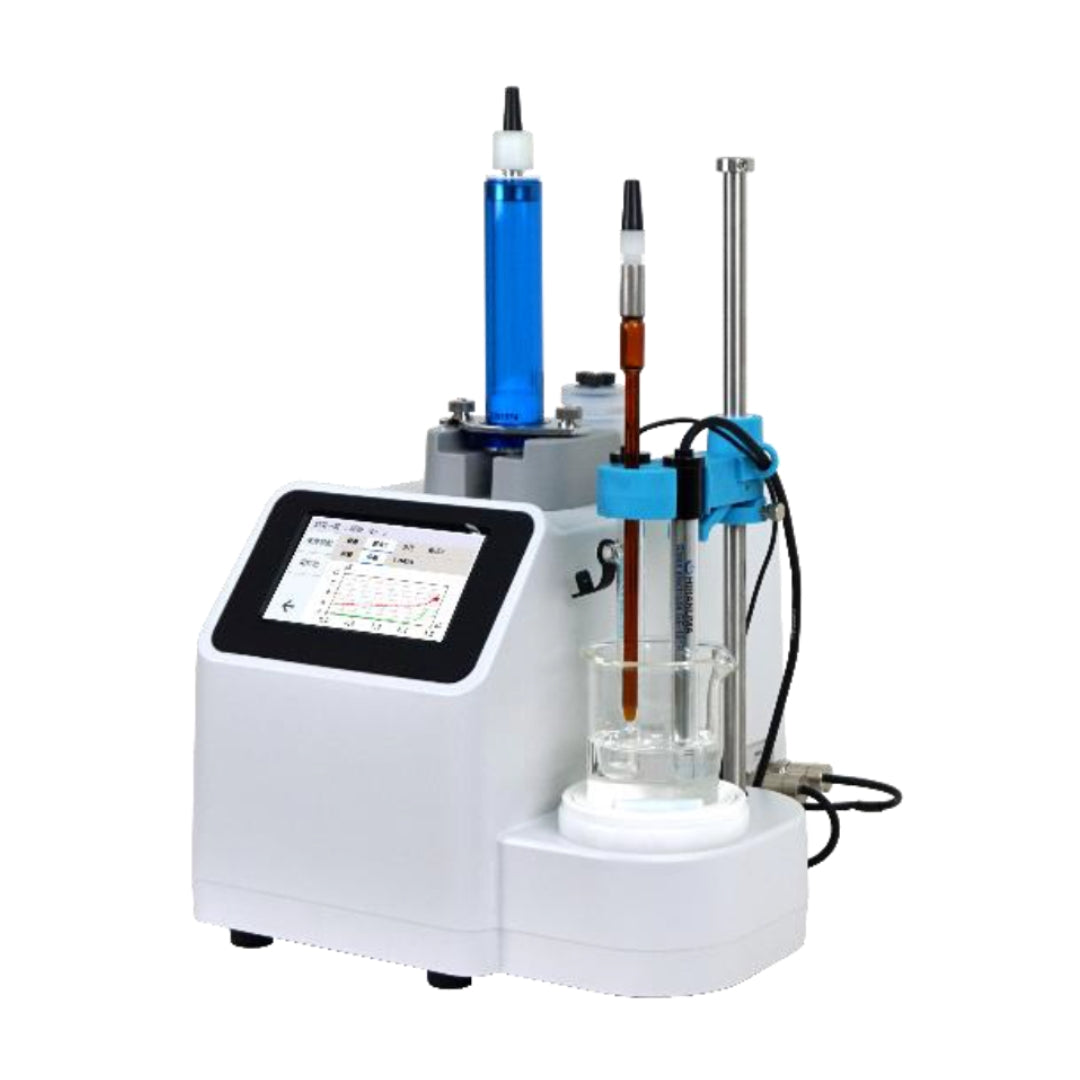
- COM-28 / COM-A19 Potentiometric Titrators
- Automatic titration systems for redox analysis
📞 Call to Action
Need help analyzing iodine content in pharmaceutical formulations?
👉 Request a method
👉 Request a quote
👉 Speak with an application specialist