Acid Number Determination in Refrigeration Oil
Acid number is an important quality parameter for refrigeration lubricants. It represents the amount of potassium hydroxide required to neutralize acidic components in one gram of oil and is reported as mg KOH/g.
Acidic compounds may develop as refrigeration oils are exposed to heat, moisture, refrigerants and operating conditions. Monitoring acid number therefore provides a useful indication of lubricant condition and quality.
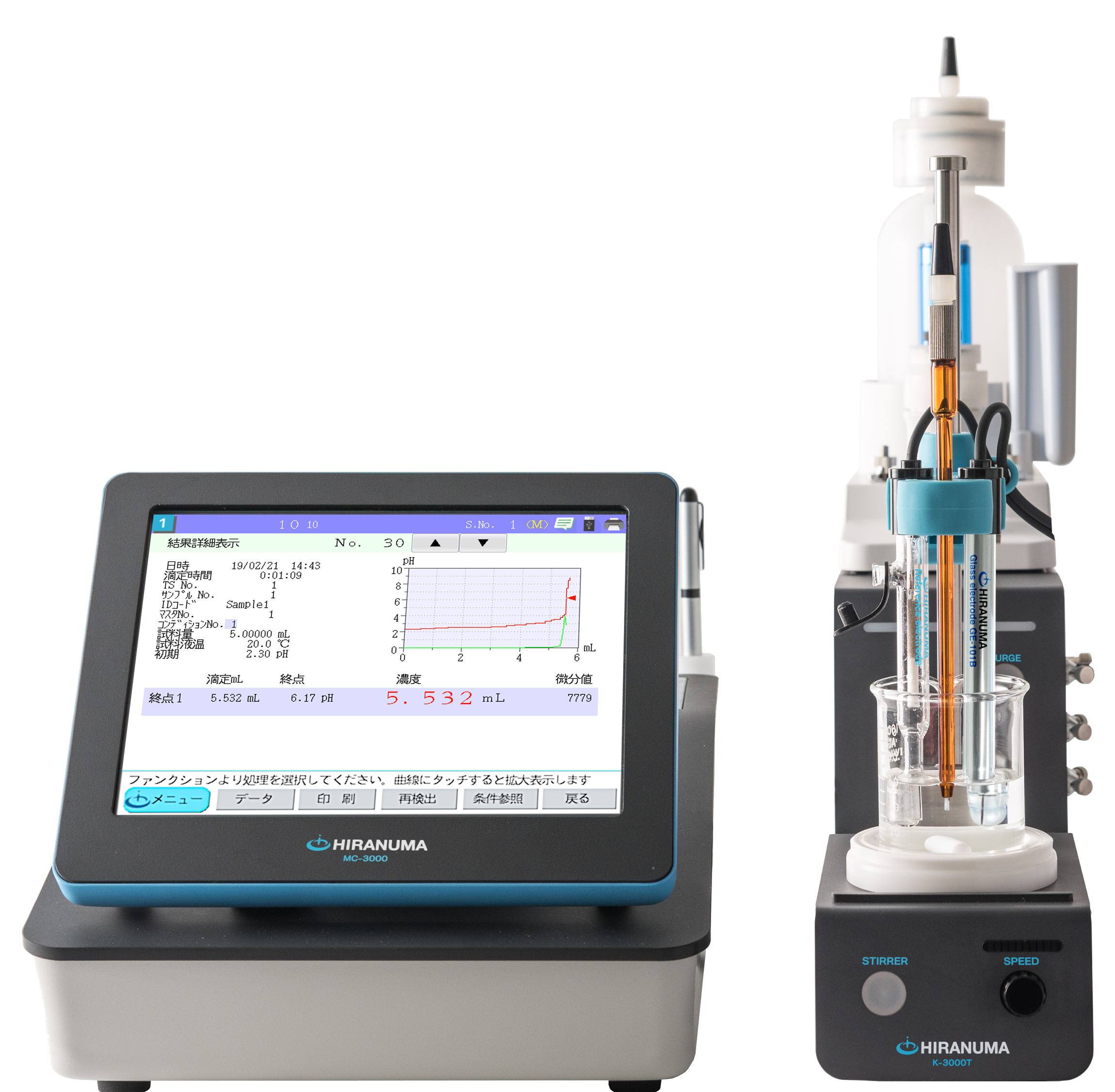
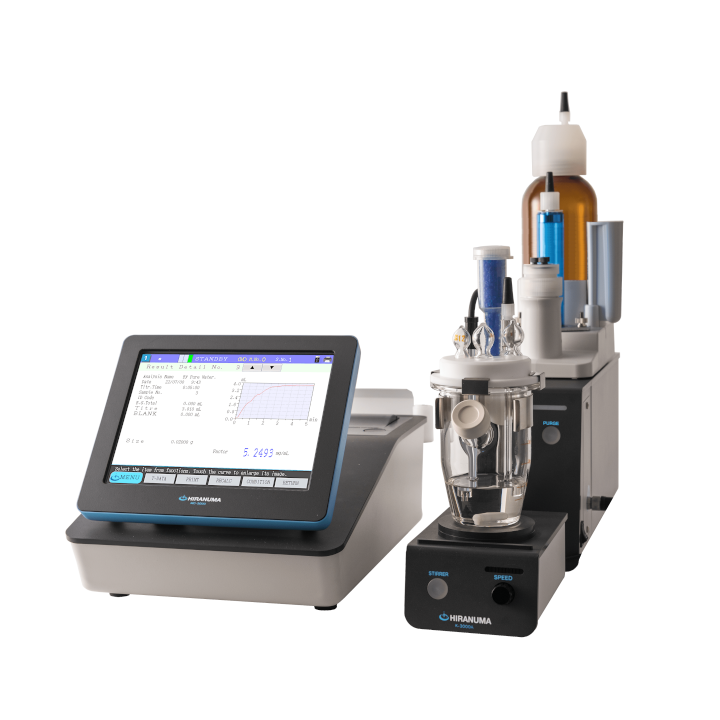
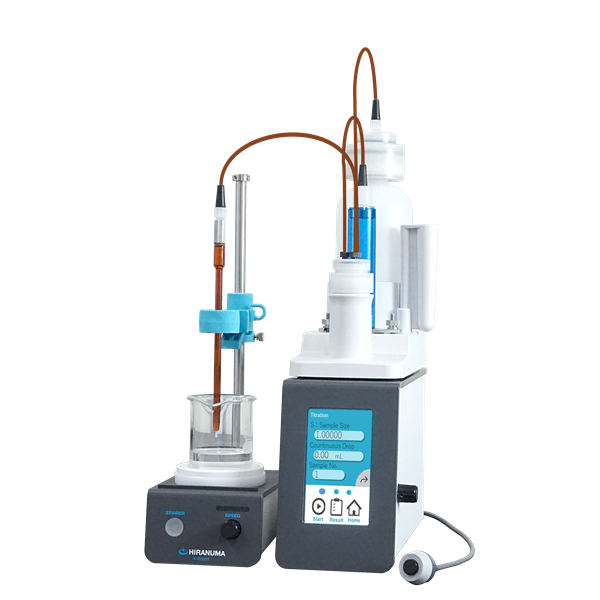
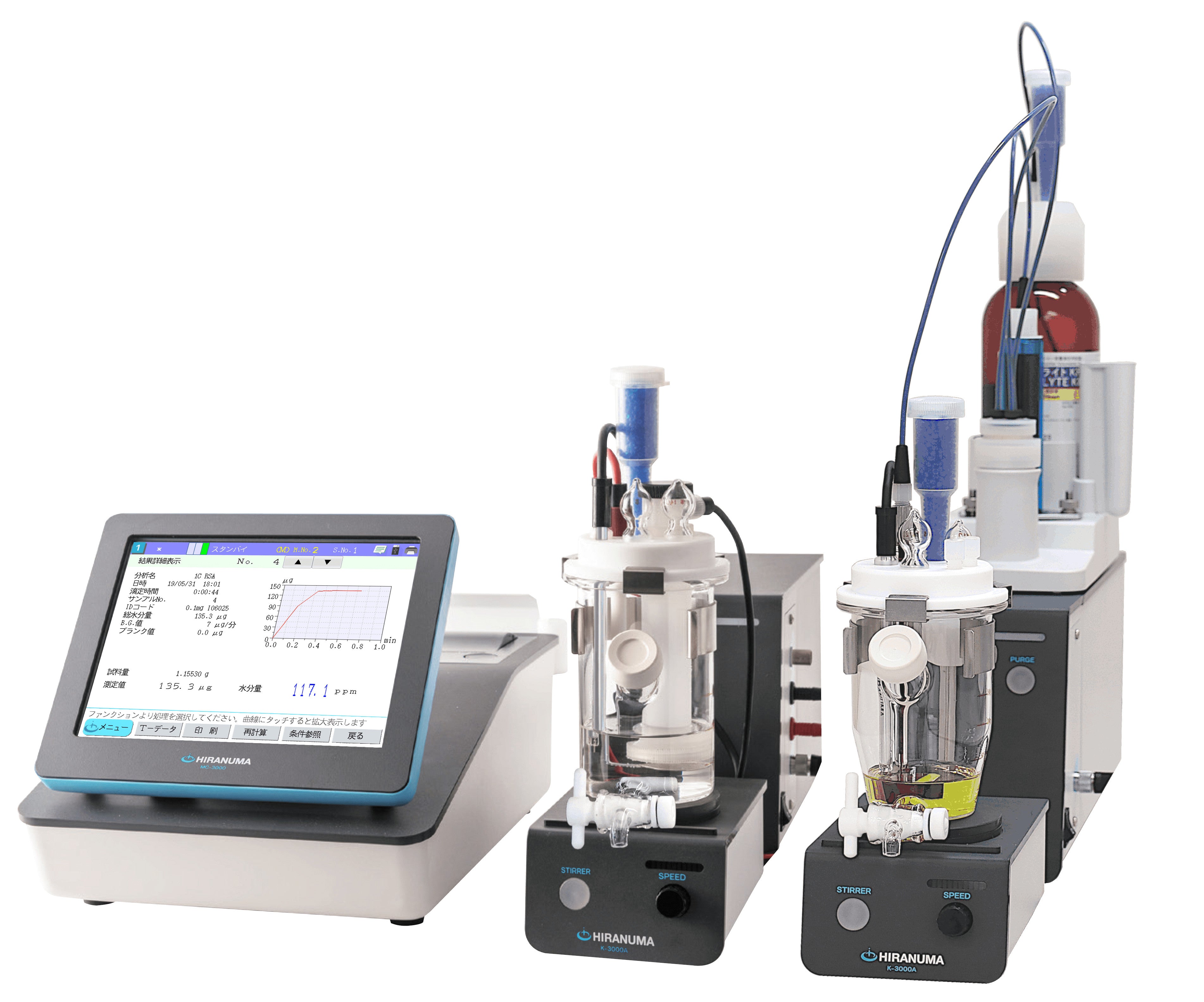
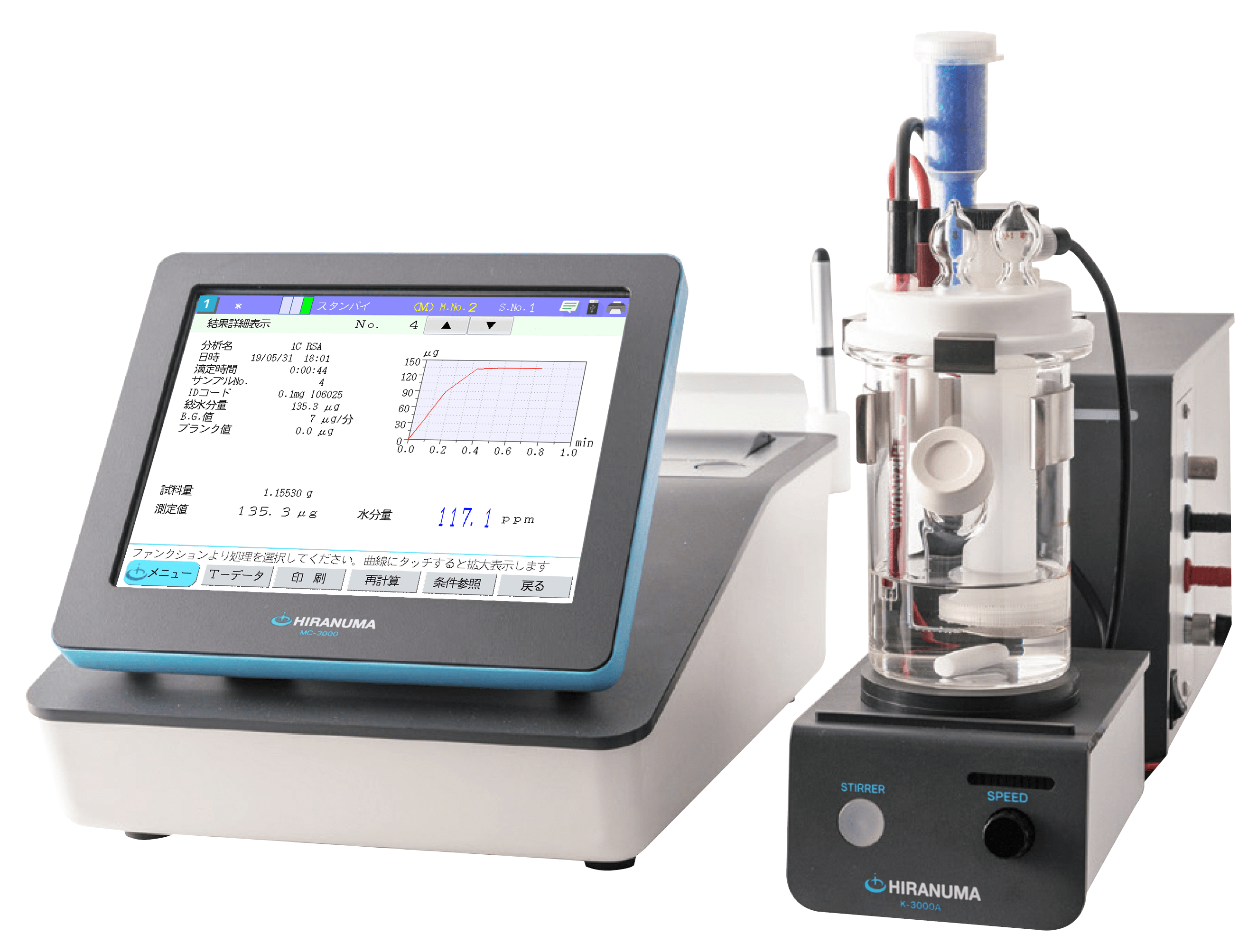
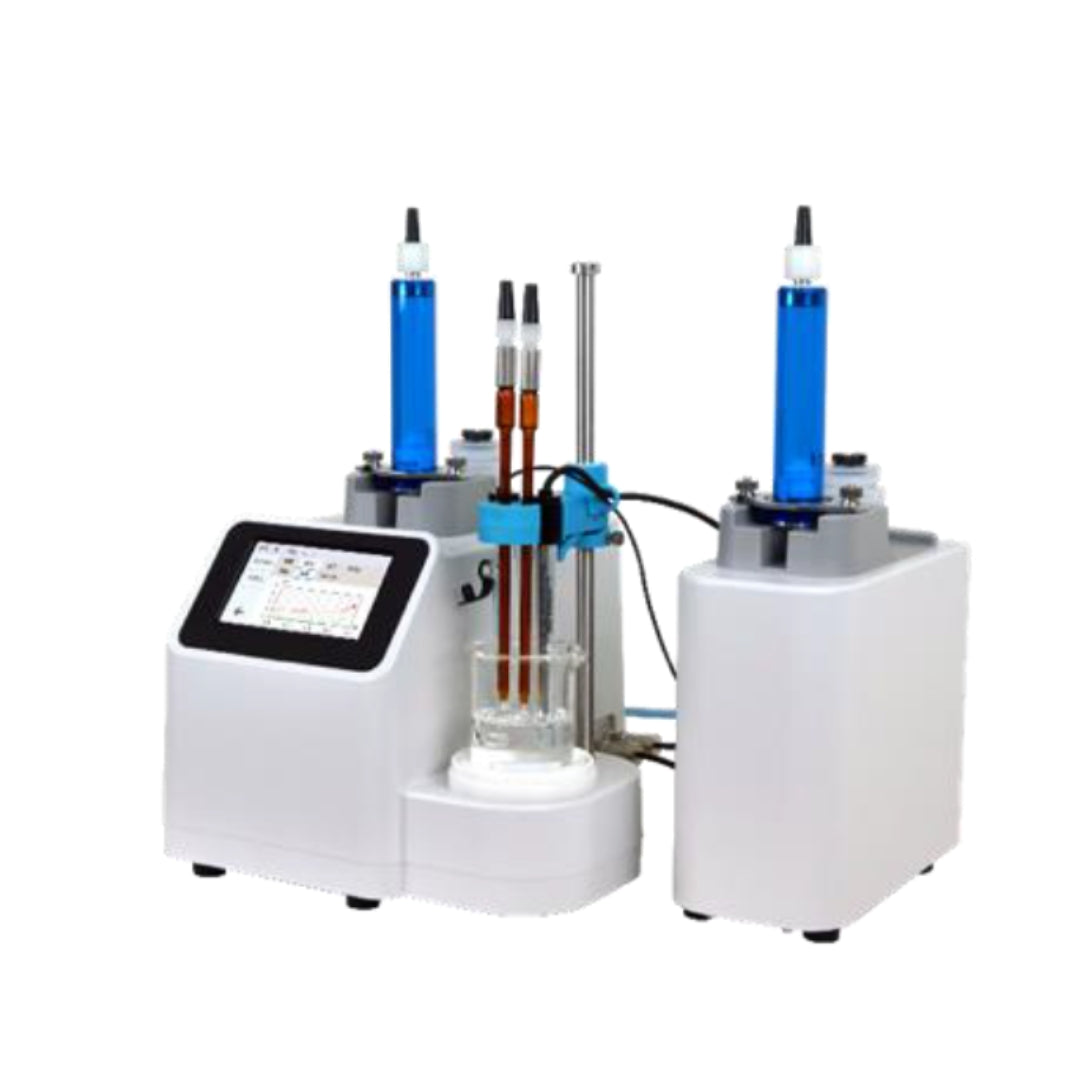
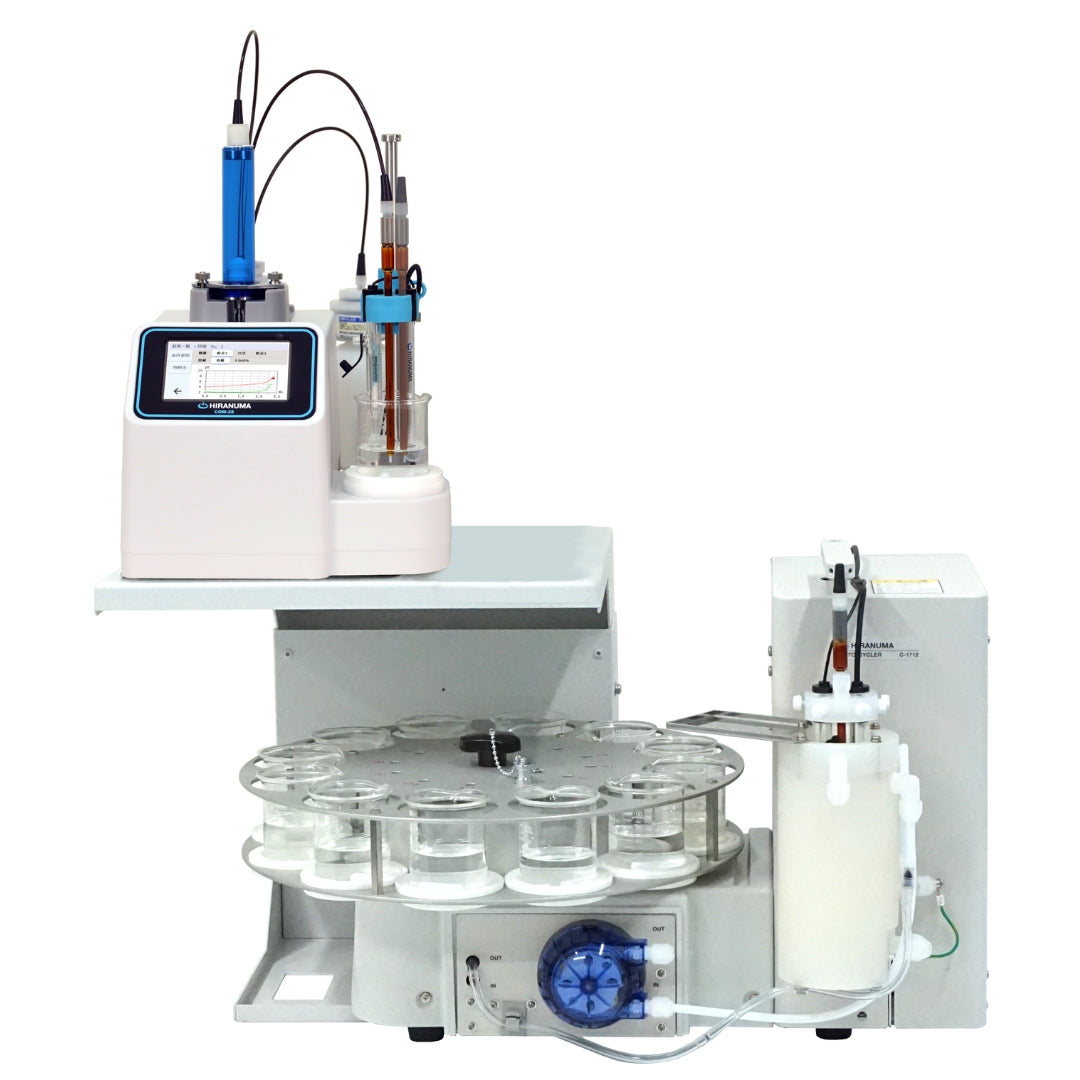
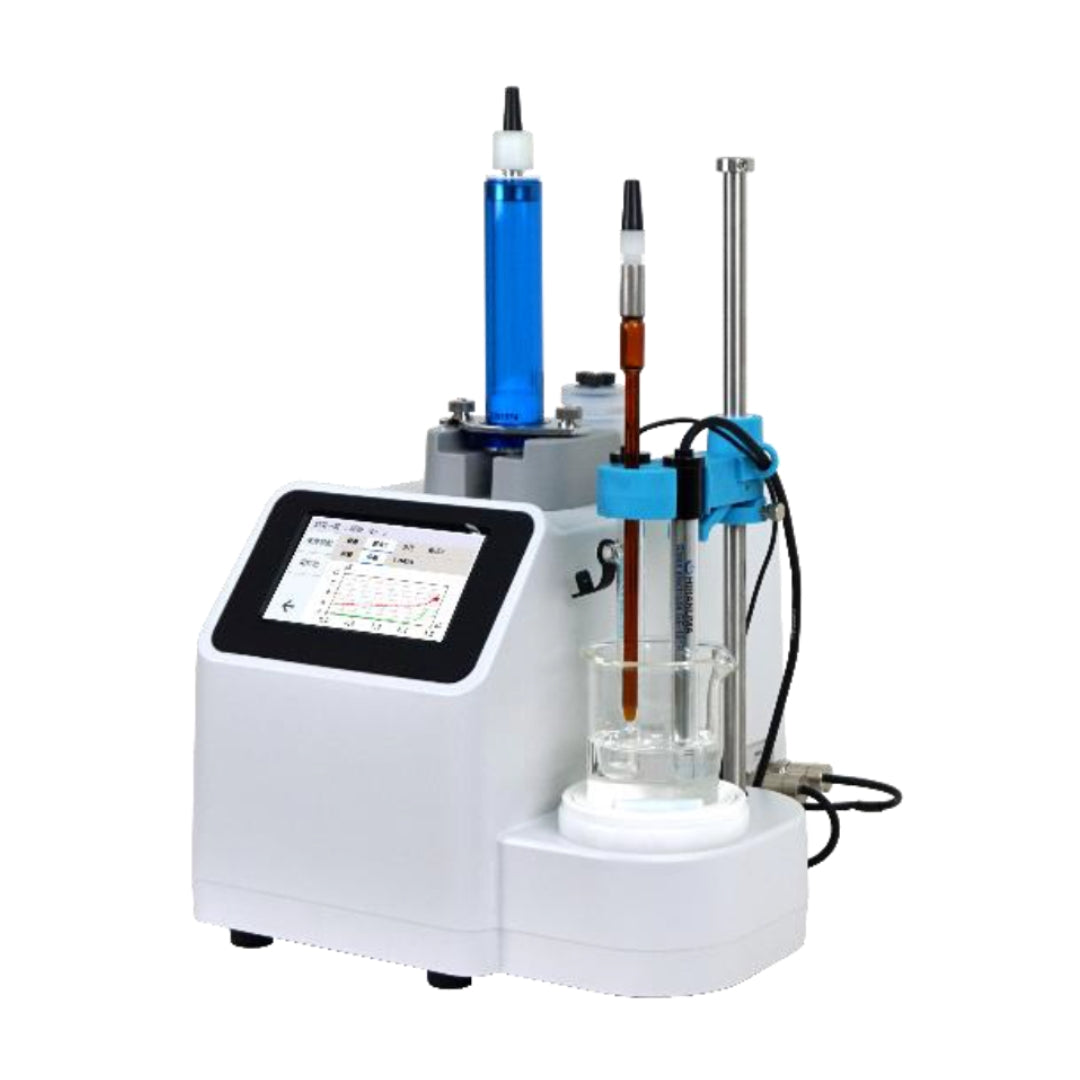
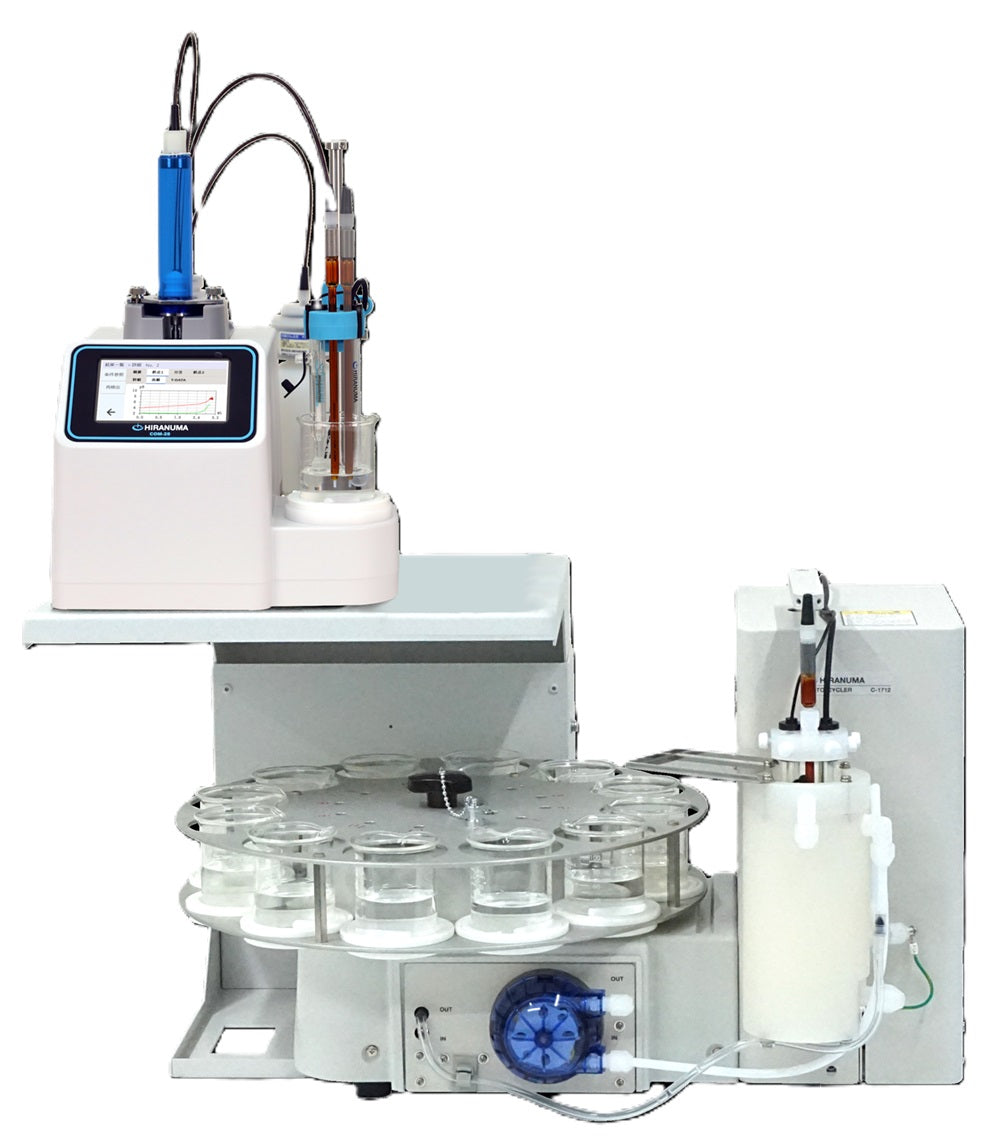
This application demonstrates automated color-indicator titration with photometric endpoint detection using a Hiranuma COM Series automatic titrator.
The method follows the principles of the color-indicator method described in JIS K2501 and ASTM D974.
Why Use Photometric Titration?
Traditional ASTM D974 analysis relies on observing a color change produced by an indicator.
With the Hiranuma system, that color change can be detected automatically using a photometric probe, eliminating the need for an analyst to judge the endpoint visually.
This can improve consistency, particularly when the method is used routinely for quality-control testing.
Instrument Configuration
Automatic titrator: Hiranuma COM Series with photometric detection
Photometric wavelength: 650 nm
Reagents
Titrant:
0.1 mol/L potassium hydroxide in 2-propanol
Titration solvent:
500 mL toluene + 495 mL 2-propanol + 5 mL water
Indicator:
1 g p-naphtholbenzein dissolved in 100 mL titration solvent.
Measurement Procedure
- Accurately weigh approximately 20 g of refrigeration-oil sample into a suitable titration vessel. Sample size may be adjusted according to the expected acid number.
- Add 100 mL of titration solvent.
- Stir until the sample is dissolved or uniformly dispersed. Avoid excessive agitation that could introduce air into the solution.
- Position the photometric probe in the sample solution.
- Titrate automatically with standardized alcoholic potassium hydroxide.
- Perform a blank determination using the same solvent and procedure.
- The titrator automatically detects the indicator color change and calculates the acid number in mg KOH/g.
Example Results
| Measurement | Sample (g) | Titrant (mL) | Acid Number (mg KOH/g) |
|---|---|---|---|
| 1 | 20.0590 | 0.151 | 0.0077 |
| 2 | 20.0084 | 0.157 | 0.0093 |
Average acid number: 0.0085 mg KOH/g
The blank measurements were 0.123 and 0.122 mL, averaging 0.123 mL.
This application demonstrates the ability of automated photometric titration to measure the very low acid numbers encountered in refrigeration oils.
Photometric Probe Maintenance
The optical surfaces of the photometric probe should be kept clean. Deposits on the light path can reduce transmittance and affect endpoint detection. Hiranuma recommends periodically cleaning the probe with a soft cloth.
Buret Maintenance
Alcoholic potassium hydroxide can crystallize in the buret flow path. When the instrument will not be used for an extended period, the titrant should be removed and the flow path cleaned appropriately.
Improving Endpoint Detection
Carbon dioxide absorption can interfere with endpoint detection in alkaline titrations. Hiranuma notes that nitrogen purging of the beaker headspace can improve endpoint detection when necessary.
Automated Color-Indicator Titration
The Hiranuma COM-A19 can automate titrant delivery, photometric endpoint detection, calculations and result handling.
This provides laboratories with an automated alternative to subjective visual endpoint determination for ASTM D974-style color-indicator methods and complements potentiometric acid-number analysis such as ASTM D664.