Syringe Filters
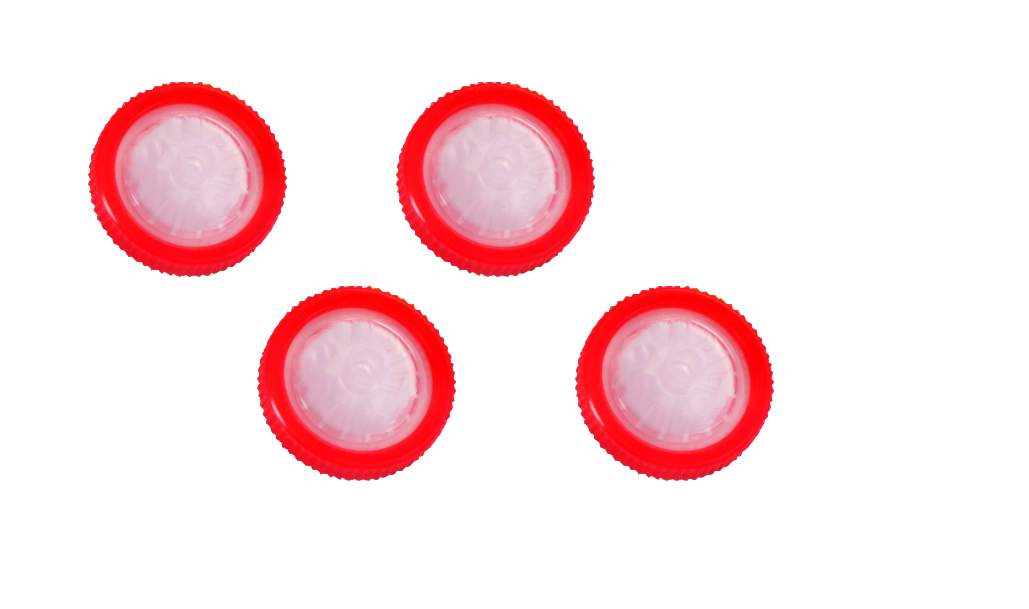
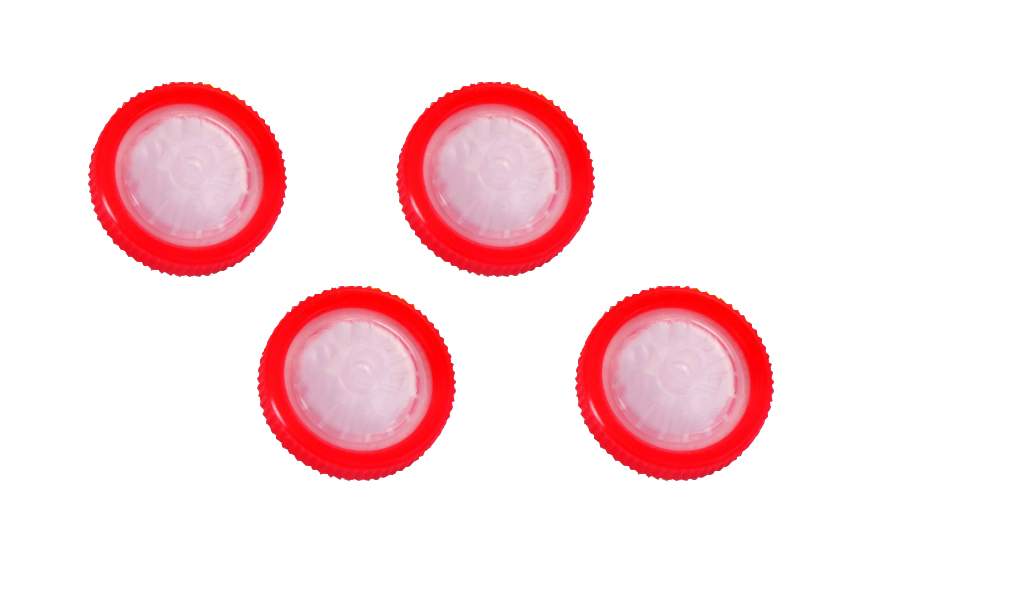
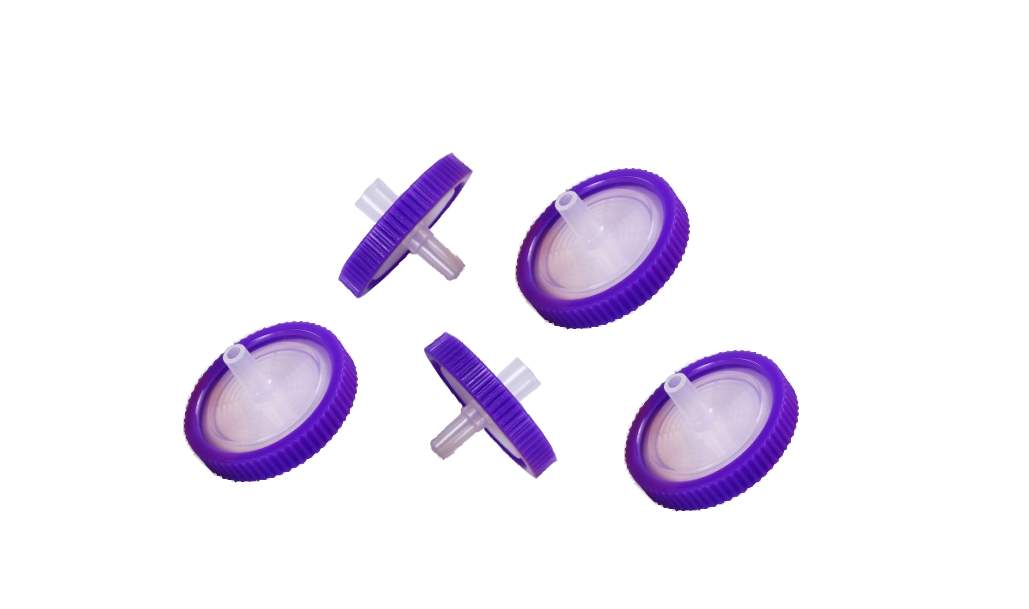
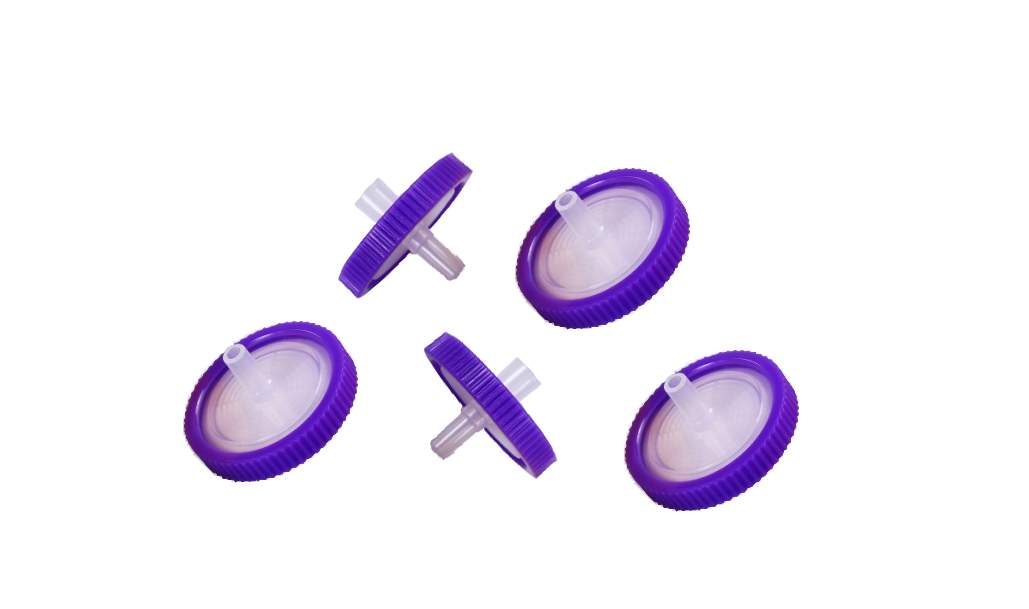
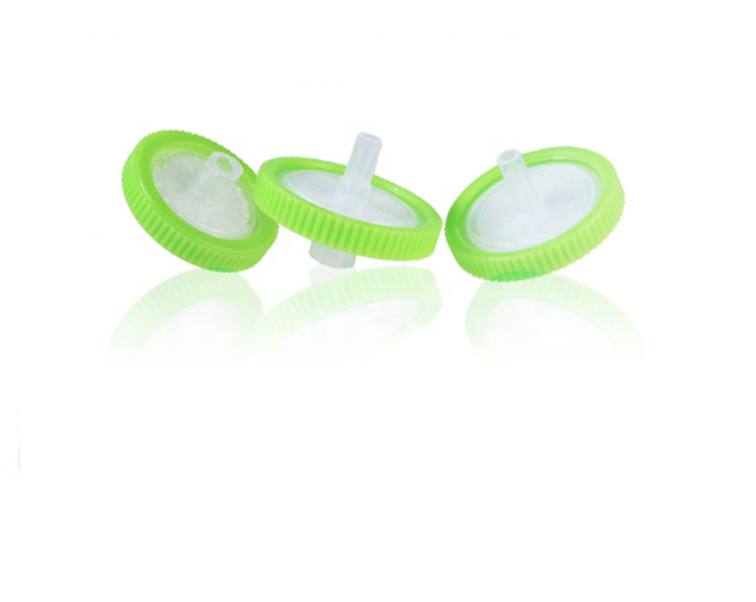
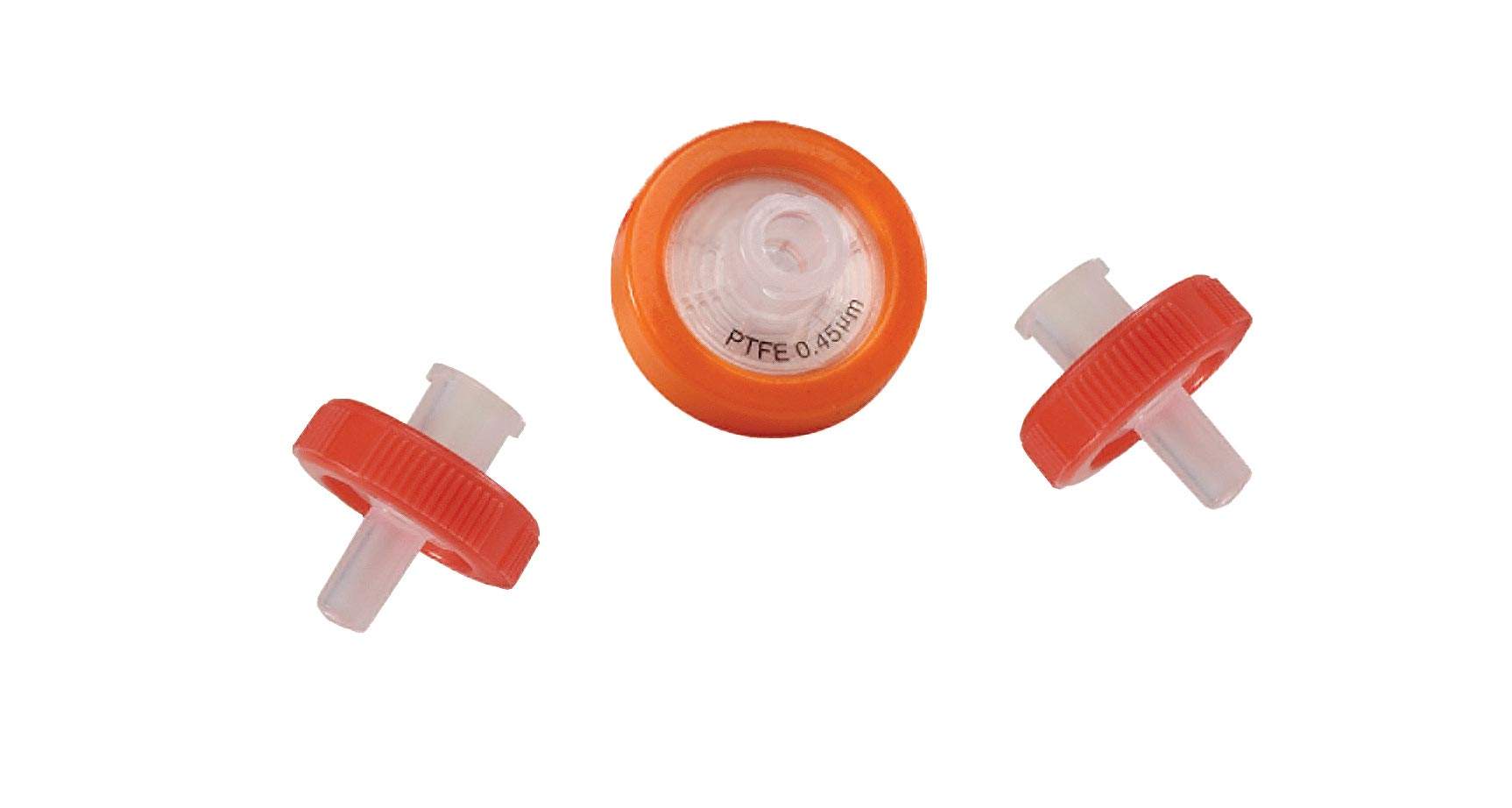
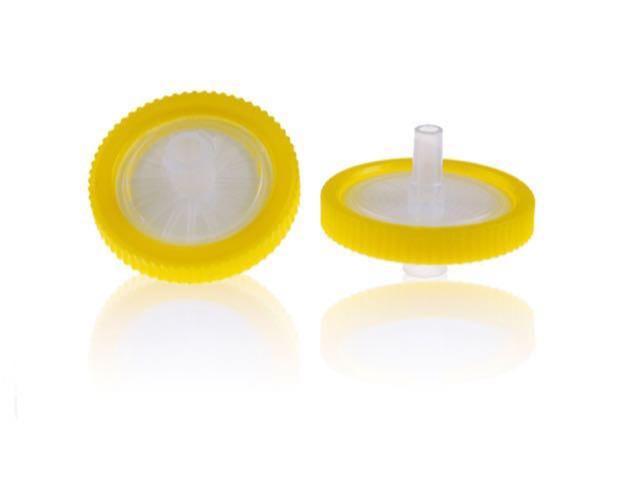
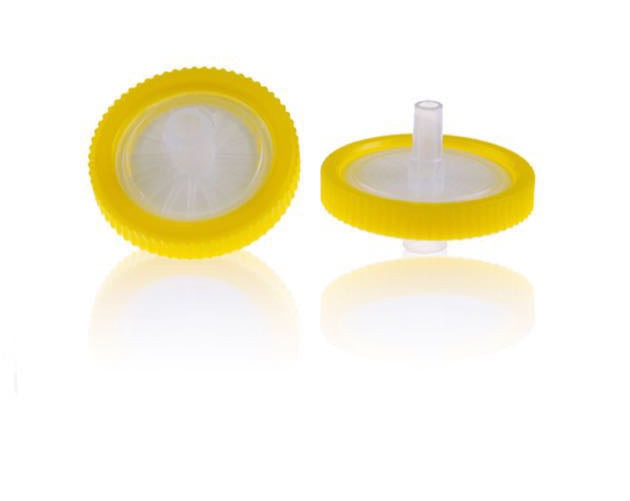
Syringe filters and filter vials are essential tools for laboratory sample preparation, ensuring clean, particle-free solutions for reliable analysis. Whether you are preparing samples for HPLC, UHPLC, ion chromatography, or general laboratory testing, using high-quality filtration products prevents column clogging, reduces downtime, and improves data accuracy.
Why Choose JM Science Syringe Filters?
At JM Science, we supply a full range of syringe filters and filter vials designed for dependable performance in demanding analytical workflows. Options include:
-
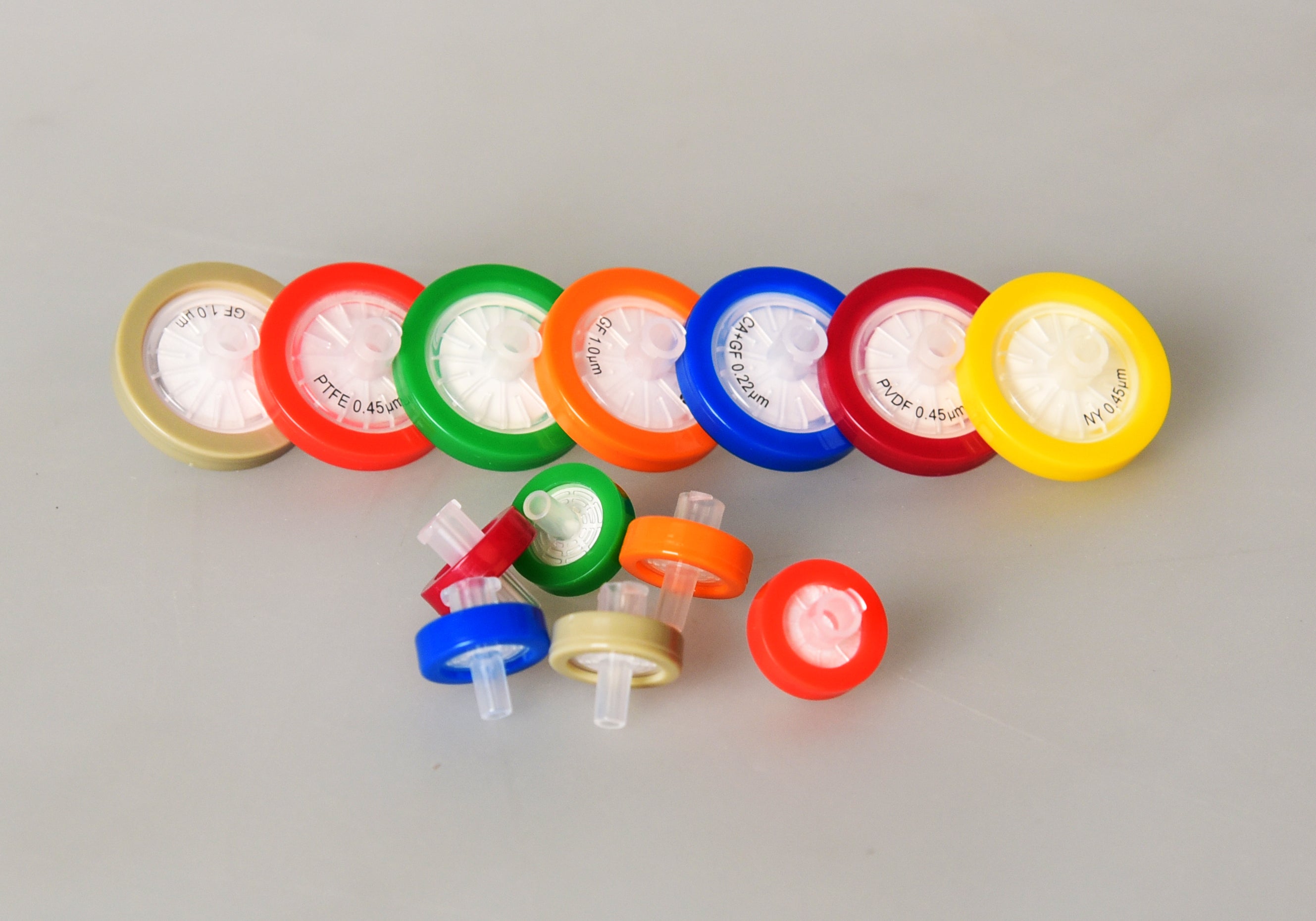
Membrane types: PTFE, PVDF, Nylon, PES, and cellulose acetate for compatibility with aqueous, organic, and mixed solvents
-
Pore sizes: Commonly 0.2 µm and 0.45 µm for HPLC and general lab filtration needs
-
Formats: Disposable syringe filters and integrated filter vials for fast, efficient sample preparation
Our filtration products are trusted by laboratories across pharmaceuticals, food and beverage, environmental testing, and energy research. With over 36 years of experience, JM Science supports scientists with both everyday consumables and advanced instrumentation.
Applications of Syringe Filters
-
HPLC/UHPLC sample preparation – prevents particulates from damaging columns and instruments
-
Pharmaceutical testing – ensures accurate, reproducible analysis of APIs and excipients
-
Food & beverage analysis – clarifies samples before chromatography or spectrophotometry
-
Environmental monitoring – filters water, soil, and chemical extracts for trace analysis
By choosing the right membrane and pore size, laboratories can optimize method performance and reduce rework caused by contaminated samples.
Partner with JM Science
JM Science provides reliable, high-quality consumables backed by technical expertise and customer support. Explore our syringe filters and filter vials below, or request a quote today to find the best solution for your laboratory’s needs.
Frequently Asked Questions (FAQ) – Syringe Filters
Q1. What pore size should I use for HPLC sample preparation?
Most HPLC applications use 0.45 µm filters, while UHPLC and sensitive analyses may require 0.2 µm to ensure maximum protection of columns.
Q2. How do I choose the right membrane material?
Match the filter to your solvent: PTFE for aggressive organic solvents, Nylon for aqueous samples, PVDF for broad compatibility, and PES for low protein binding.
Q3. What are the benefits of using filter vials over syringe filters?
Filter vials combine filtration and sample storage in one step, reducing handling time and minimizing sample loss. They are ideal for high-throughput labs.
Q4. Can syringe filters be reused?
No. Syringe filters are designed for single use to avoid cross-contamination and ensure reliable results.
Q5. Which industries benefit most from syringe filters?
They are widely used in pharmaceuticals, environmental testing, food and beverage labs, and energy/materials research where reproducible, clean samples are essential.
Syringe Filter Membrane Compatibility
| Membrane Material | Best For | Not Recommended | Key Features |
|---|---|---|---|
| PTFE (Polytetrafluoroethylene) | Aggressive organic solvents, strong acids/bases | Aqueous samples (unless pre-wetted with alcohol) | Hydrophobic, chemically resistant |
| Nylon | Aqueous solutions, most organic/aqueous mixtures | Strong acids (e.g., HCl) | Hydrophilic, good solvent compatibility, economical |
| PVDF (Polyvinylidene fluoride) | Aqueous & organic solvents, proteins | Strong bases (NaOH, ammonia) | Low protein binding, hydrophilic or hydrophobic options |
| PES (Polyethersulfone) | Aqueous solutions, biological samples, buffers | Strong organic solvents (chloroform, DCM) | Very low protein binding, fast flow |
| Cellulose Acetate | Aqueous solutions, buffers | Most organic solvents | Hydrophilic, low protein binding, low extractables |
Protect your HPLC Columns and detectors by preparing clean, particle-free samples with JM Science filters.